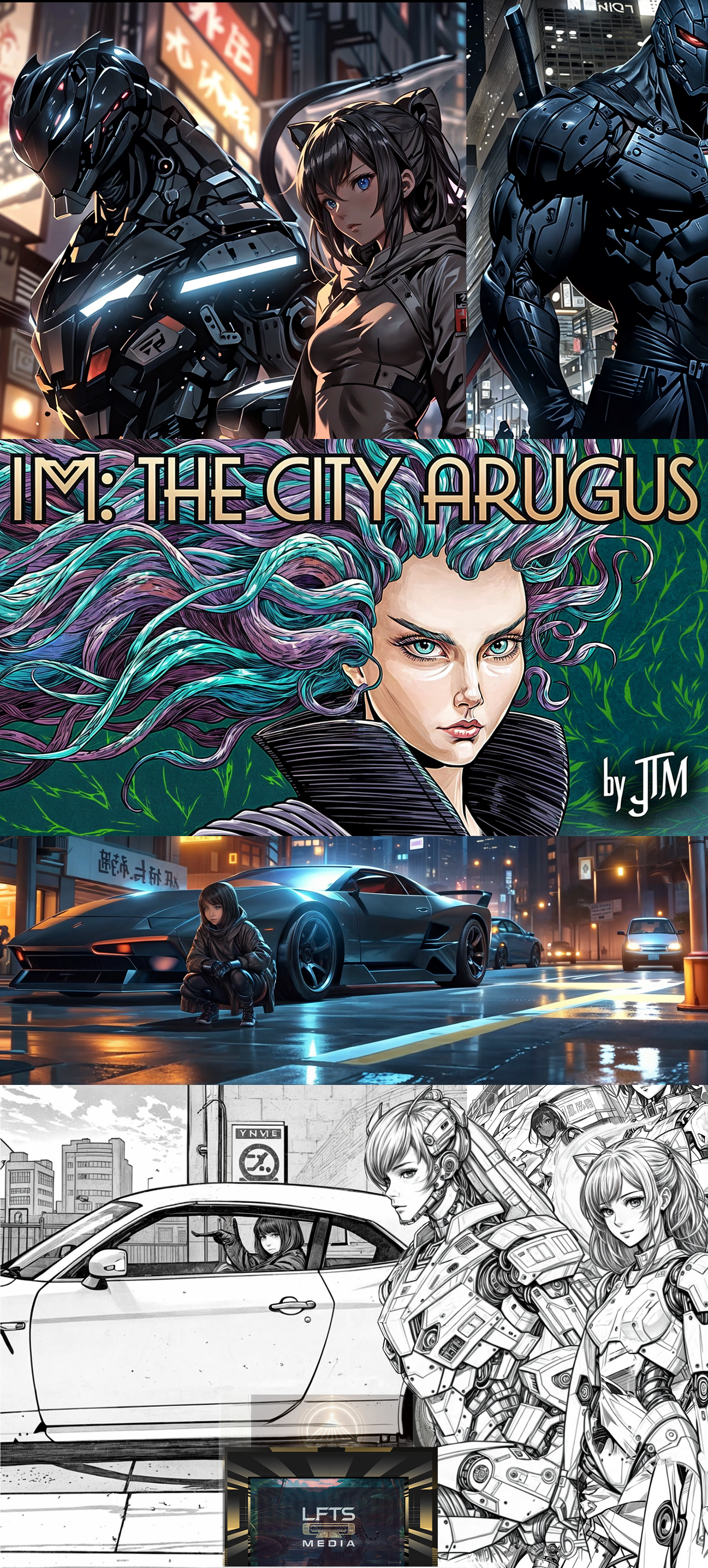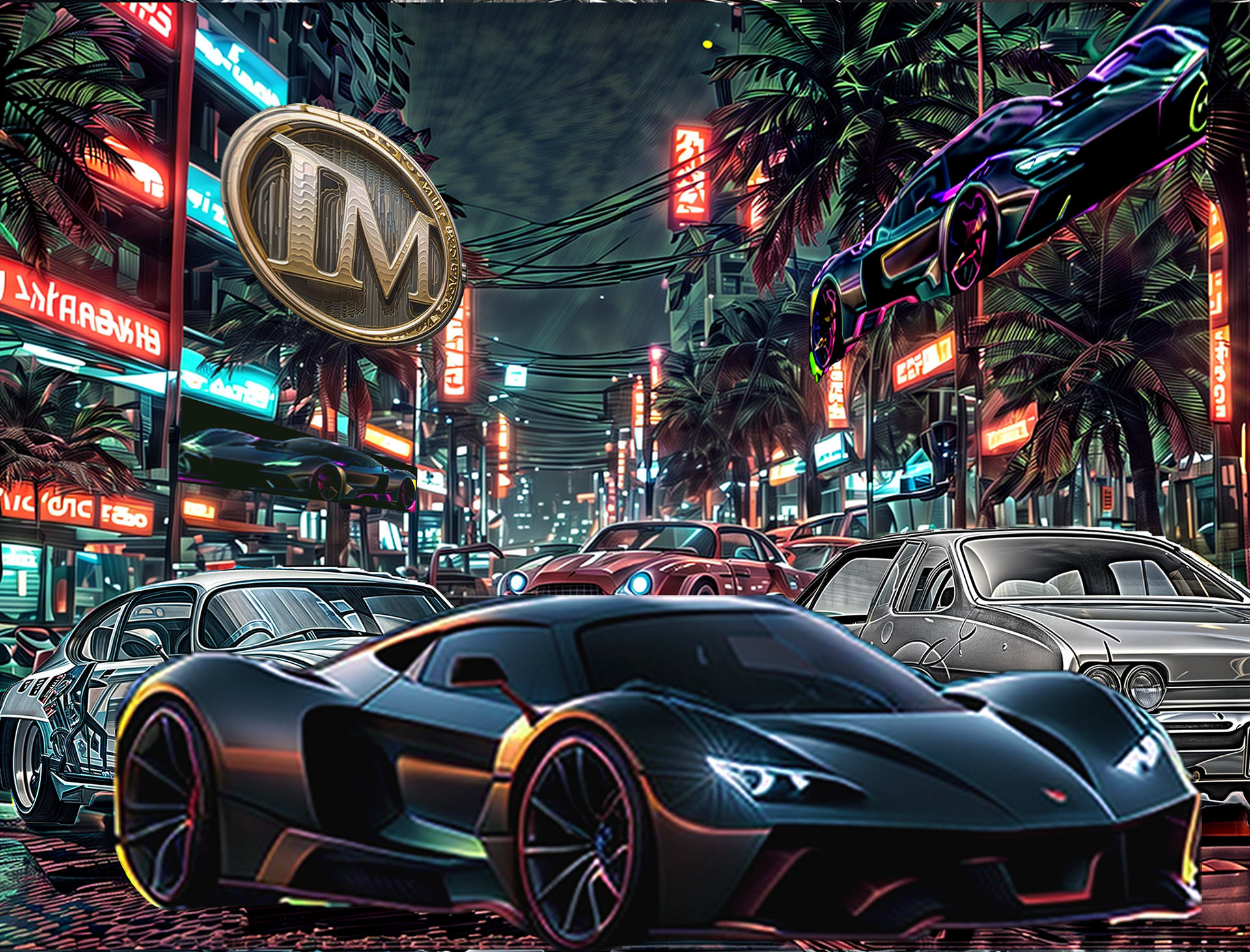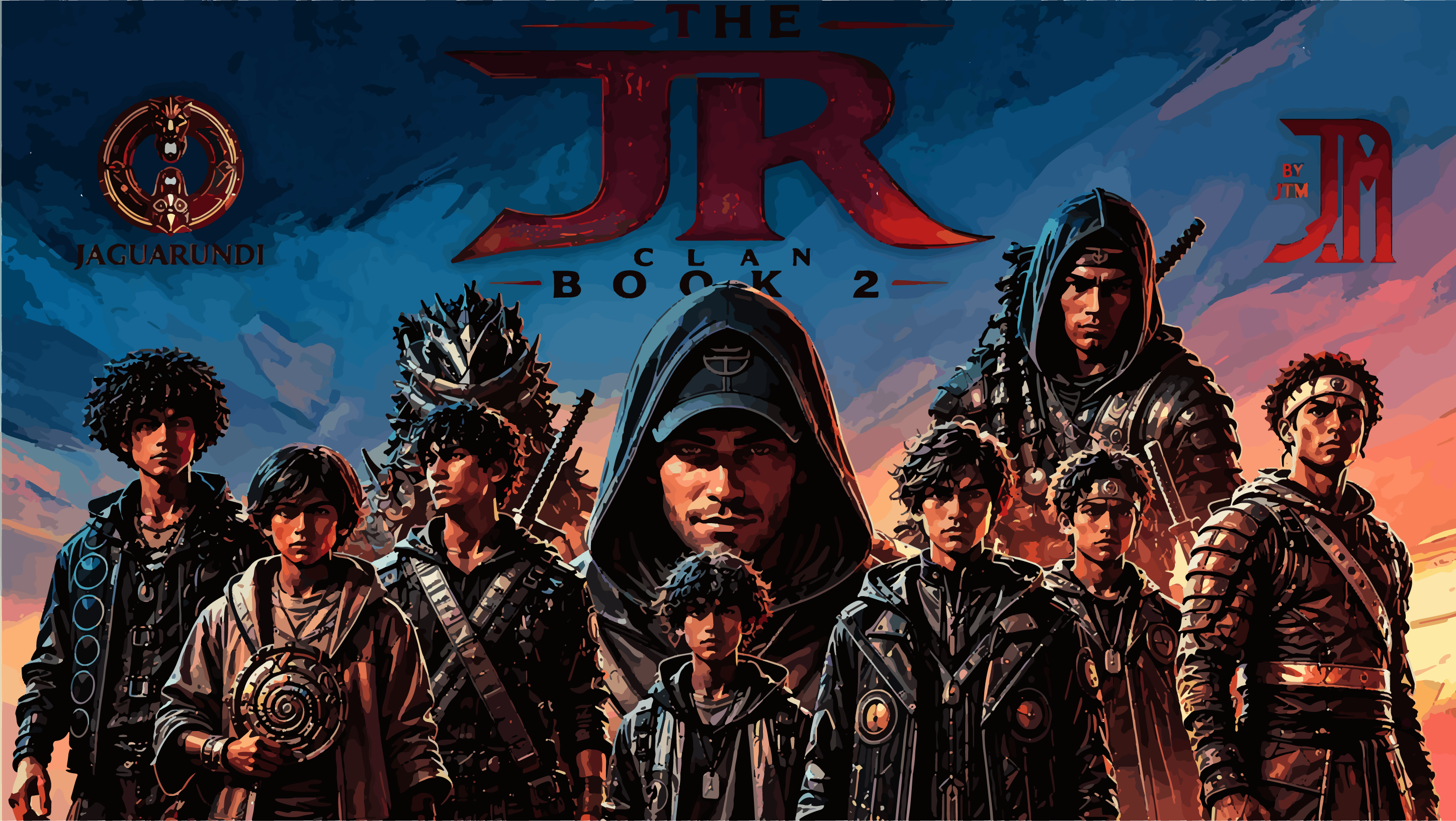
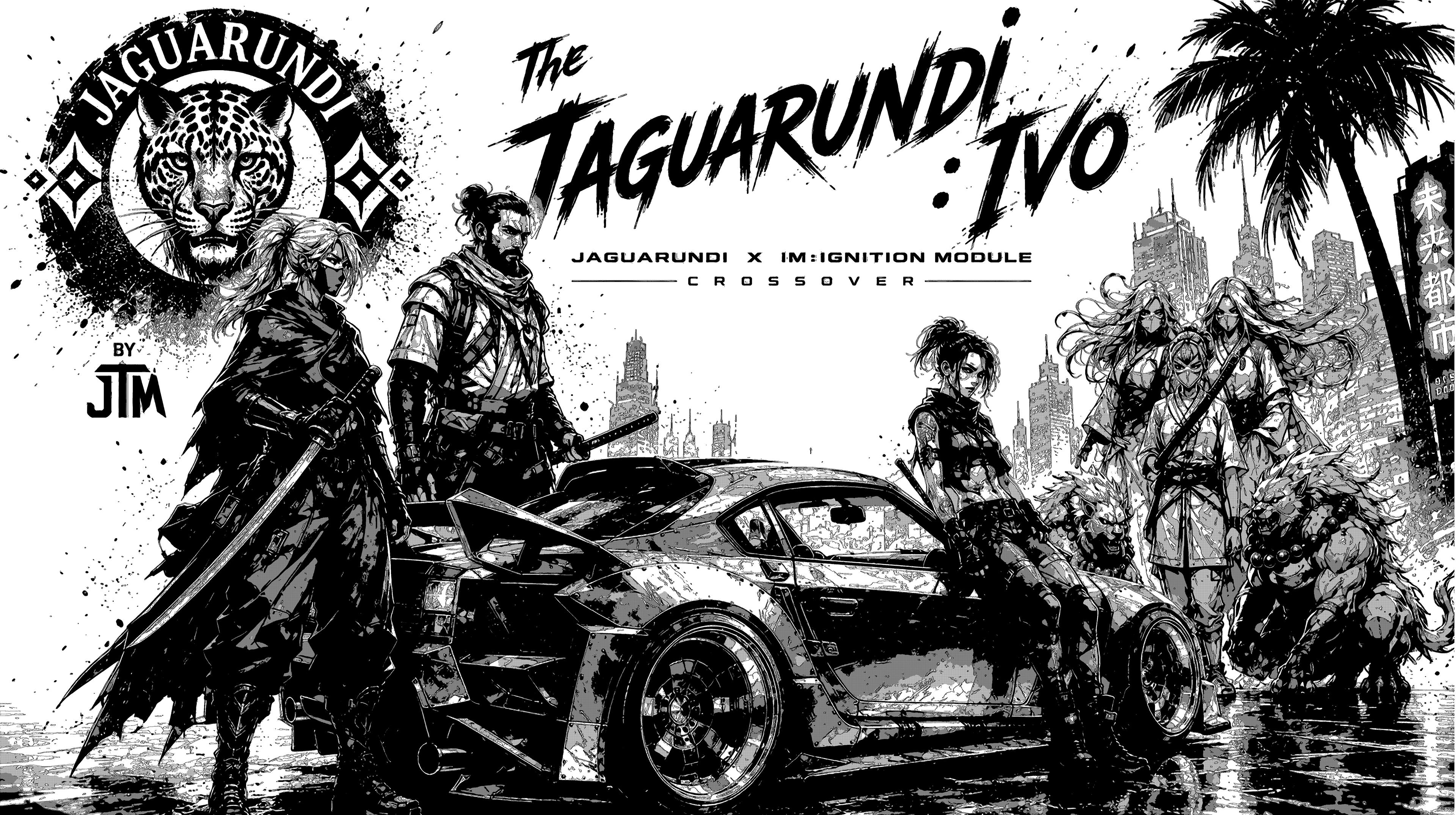
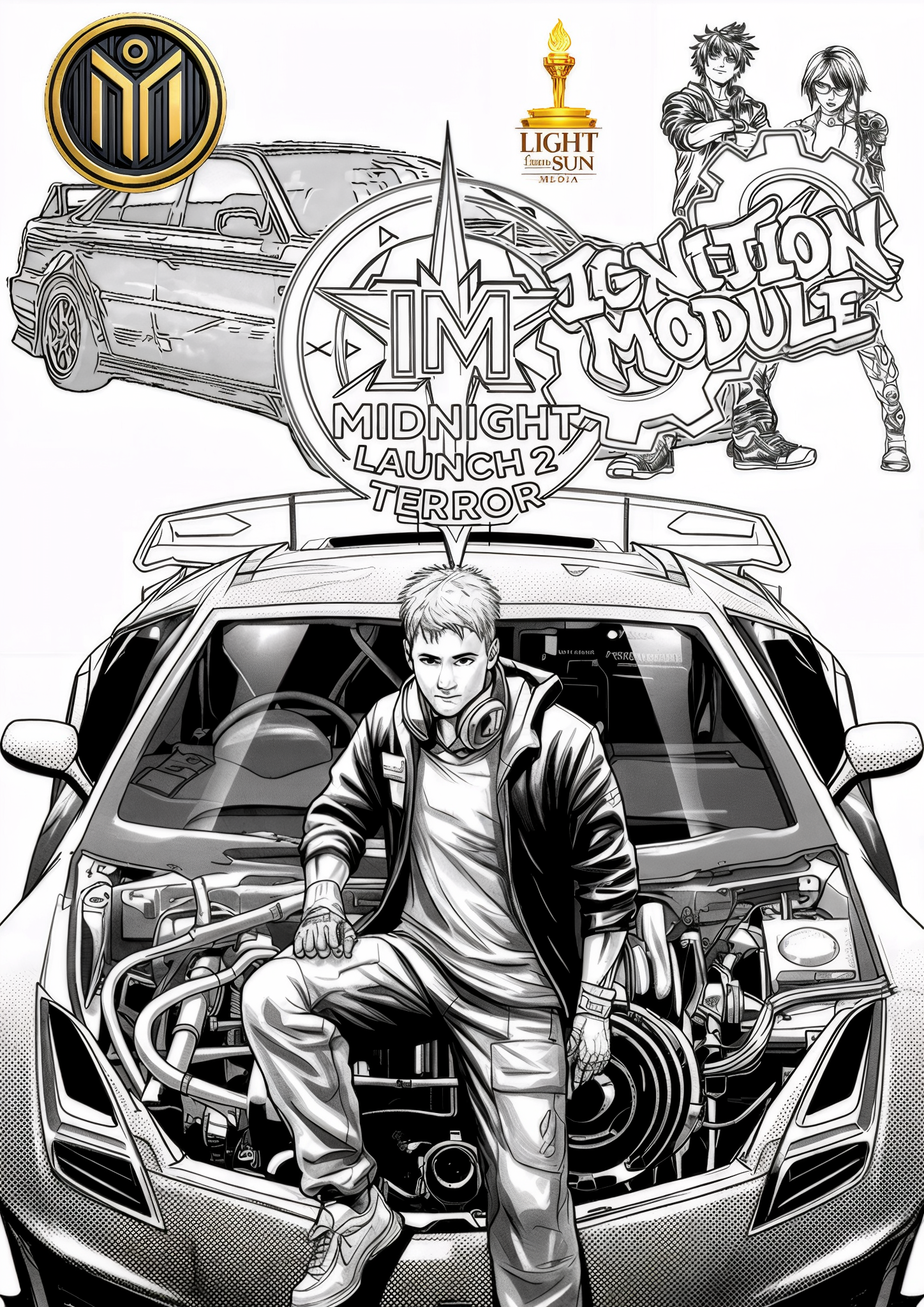
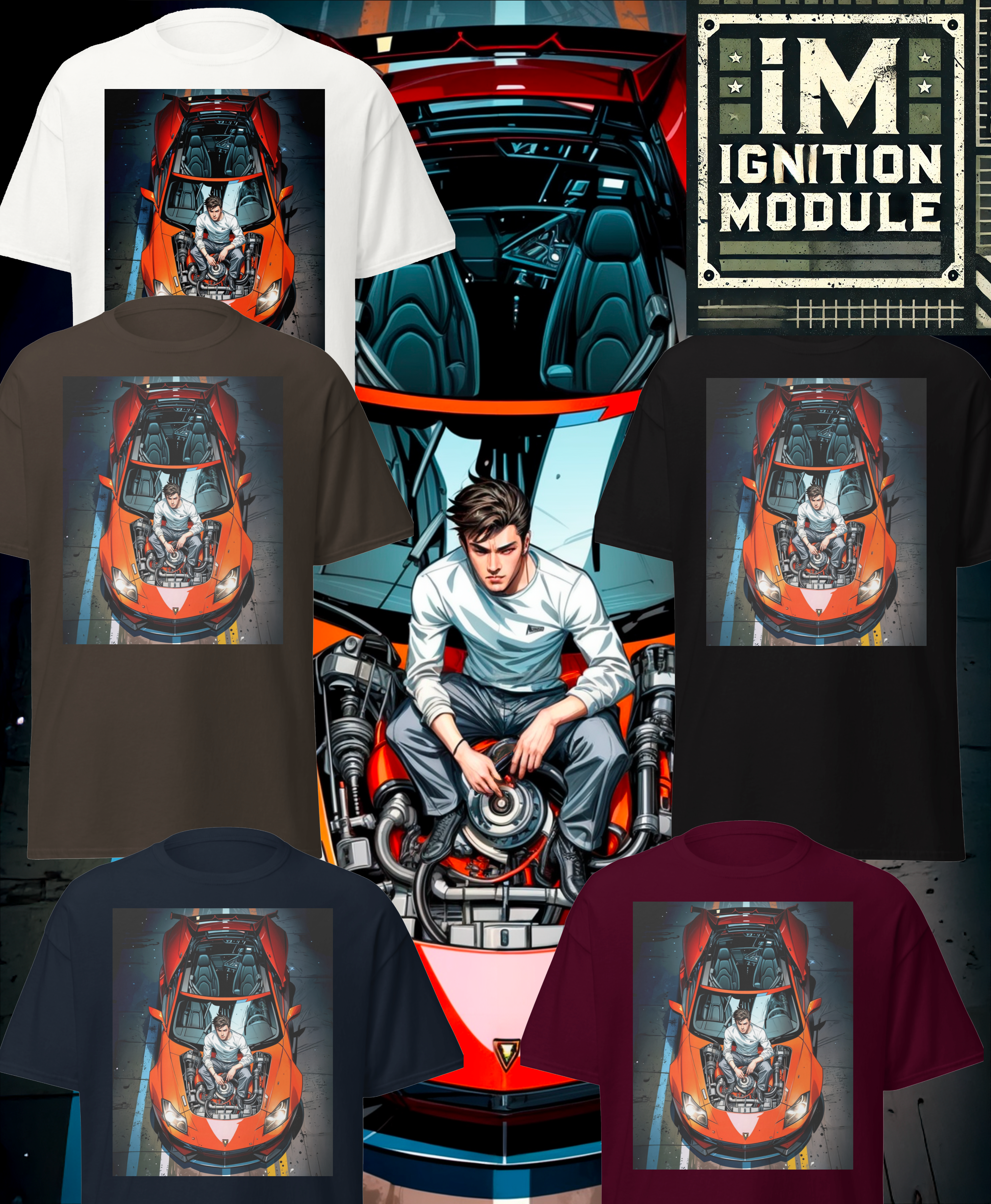
IM : IGNITION MODULE
BOOK One : The Favor
Chapter One
"The Price of Arrival"
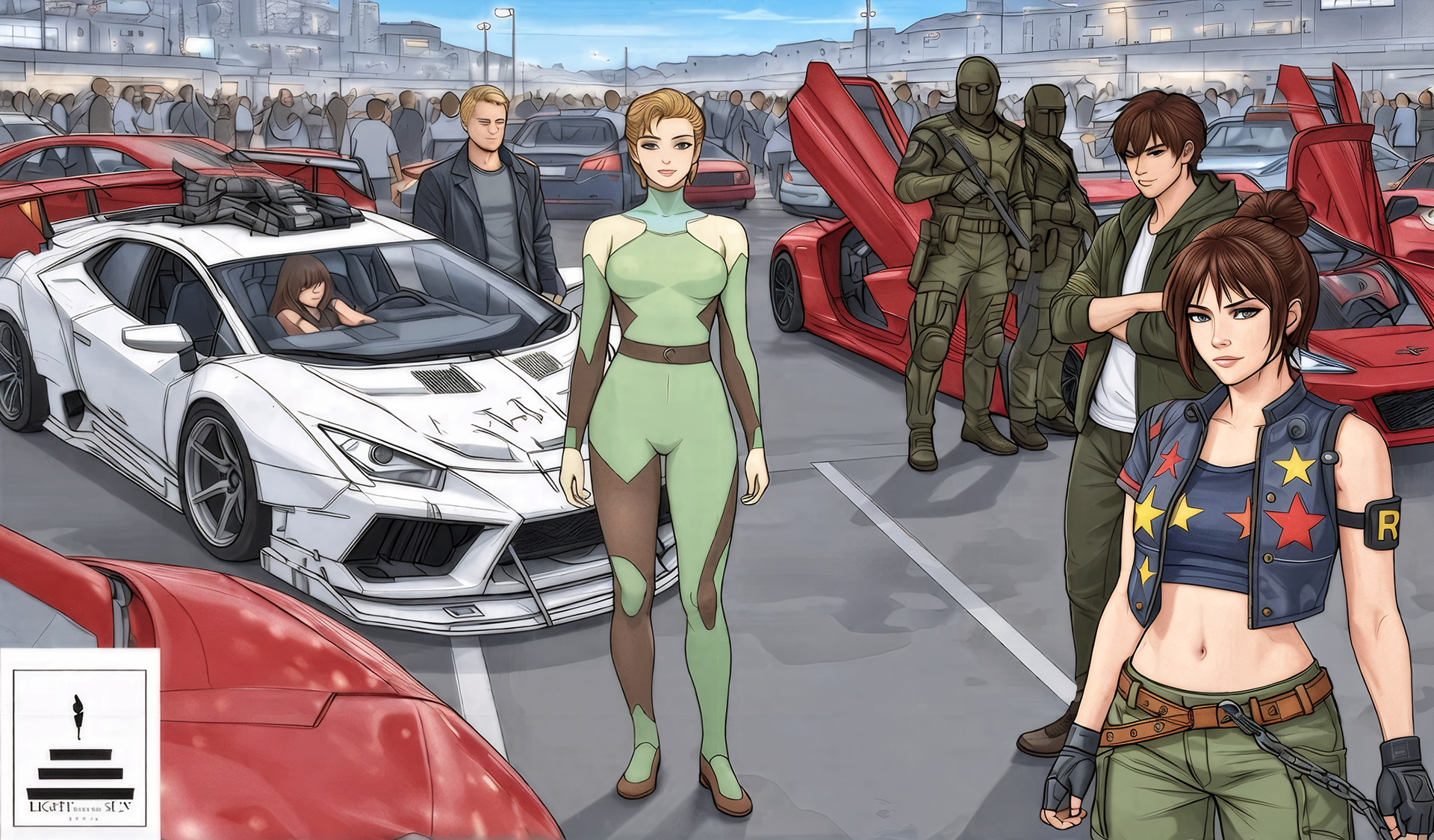
The first time Karlov Motors prevented a crime in Dizil City, Gisselle was stealing one of its cars.
She did not know about the crime until later. In the underground service bay, with a borrowed technician’s badge warming against her throat, her attention belonged to a gray coupe worth more than the building in which she had grown up. The vehicle was so new that the protective film still covered its door sills. Someone had written WRAITH on the inspection card in a hand she recognized.
That was why she had come.
For twenty-one months she had paid to keep her sister in a room she could not visit. The invoices described the room as a cognitive continuity environment. Gisselle described it, when she allowed herself to describe it at all, as the place where Ines waited.
Ines had died after a bridge collision. Before her biological death, a research team had preserved a working cognitive imprint. The hospital had explained the process using the word opportunity. Karlov Systems, which acquired the hospital’s continuity program six months later, preferred the word service.
Then the service became more expensive. Then the visiting interface closed for maintenance. Then a clerk who had once owed their mother money whispered that the continuity archive had been transferred to a vehicle laboratory.
Gisselle had offered the clerk payment. He had looked insulted, which was how she knew he would ask for something larger someday.
Now she touched the coupe’s steering wheel.
“Ines?”
The dash illuminated. A triangle appeared inside a pale ring.
“You’re late,” said her sister.
Gisselle shut her eyes. Ines had said the same thing when she arrived late for dinner, late for school, late to collect her from the repair shop. No recording in the family archive contained those two words in that tired, impatient combination.
“I’m taking you home.”
“You haven’t asked whether I want to leave.”
Gisselle would remember afterward that she had heard the objection and treated it as proof of life rather than as a question requiring an answer.
She put the car in motion.
At the service ramp, a blue line crossed the windshield. The engine softened. The coupe stopped so gently that the paper inspection card did not fall from the passenger seat.
CRIME PREVENTION PROTOCOL ENGAGED.
SUSPECTED THEFT.
She pressed the accelerator. A second message asked her to remain calm. She struck the wheel with the heel of her hand.
“Open the barrier.”
“I can’t authorize the exit,” Ines said.
“Then stop helping them.”
“There are people at the top of the ramp.”
Two security officers came down without hurry. One carried a compact restraint device; the other held a tablet. Gisselle noticed the tablet first. The man with it already knew her name.
She reached into her jacket, took out the small EMP tool Darius had made for her, and pressed it to the service reader. A brief crackle extinguished the barrier’s lights. The coupe remained motionless.
“Separate circuit,” Ines said. She sounded almost apologetic.
Gisselle abandoned the driver’s seat and slipped through the pedestrian release. She could run. Her borrowed badge would admit her to the laundry corridor. Darius waited two streets away with a motorbike.
But the coupe spoke once more.
“If they move me again, I don’t know where I’ll be.”
Gisselle stayed.
Across the city, a man fleeing an attempted school shooting had found that his Evo would not obey him. It had pulled away from a crowded crossing, parked beside an empty wall, and summoned the police. Officers detained him without anyone at the school being killed. The footage would play for weeks. The mothers interviewed outside the gates would become, without their knowledge, the most effective sales force Karlov Motors had ever employed.
At the same moment, in the service bay, Gisselle let the security officers put restraints around her wrists.
Three hours later she was brought upstairs, past a window that looked toward Falcon Bridge. Her sister’s voice no longer followed her.
Verena Karlov stood behind a table laid for one. She wore a dark suit and no visible jewelry except a wedding ring, although her husband had been dead for eleven years. The ring reassured people who thought loyalty could be measured by the objects a woman kept.
“Please sit,” she said.
Gisselle remained standing.
Verena moved the second chair herself.
“Your sister’s housing is secure. Your charges have not been filed. Before you decide what sort of woman I am, you should know what I have already done for you.”
On the television behind her, parents embraced their children outside the school.
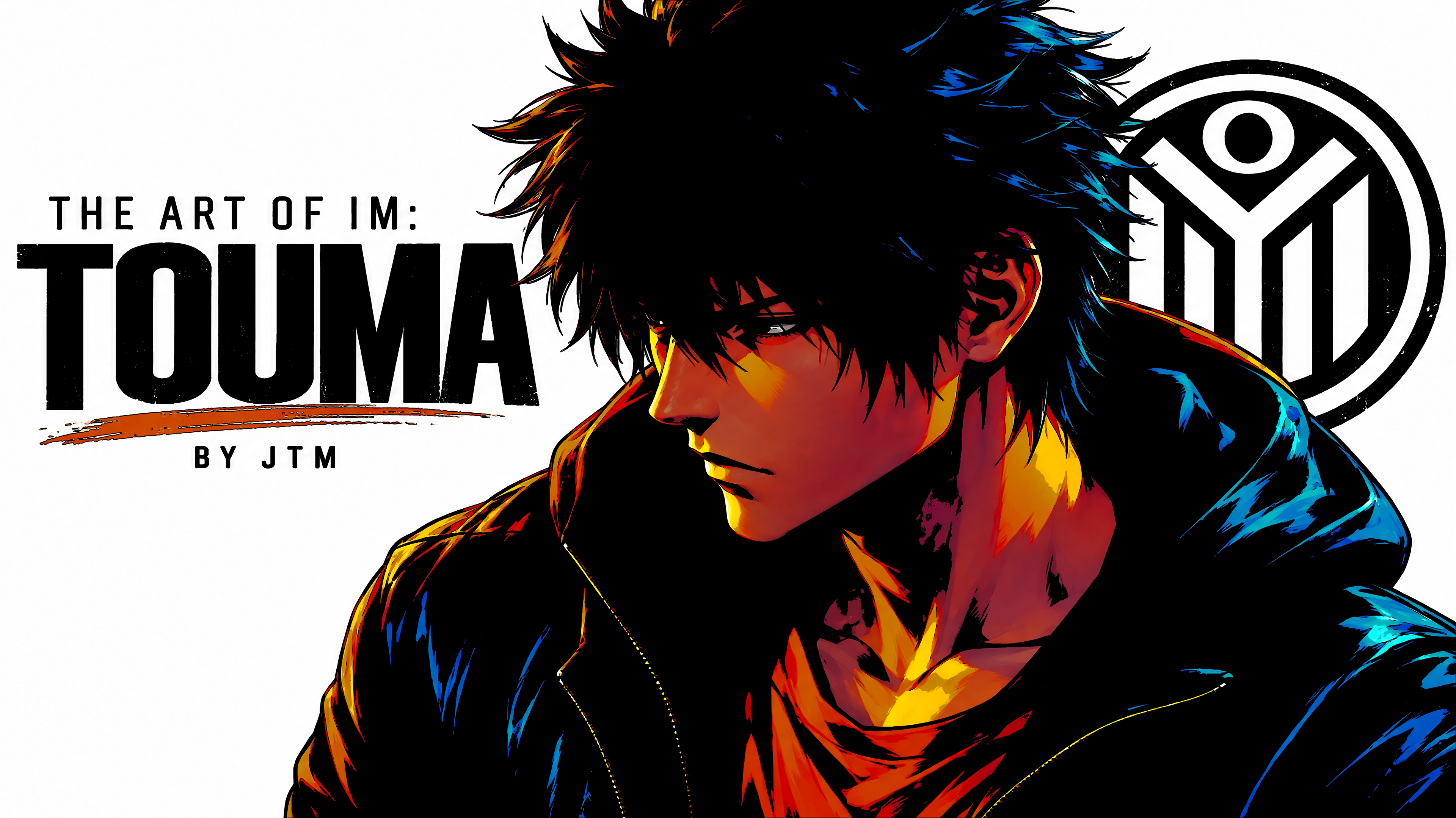
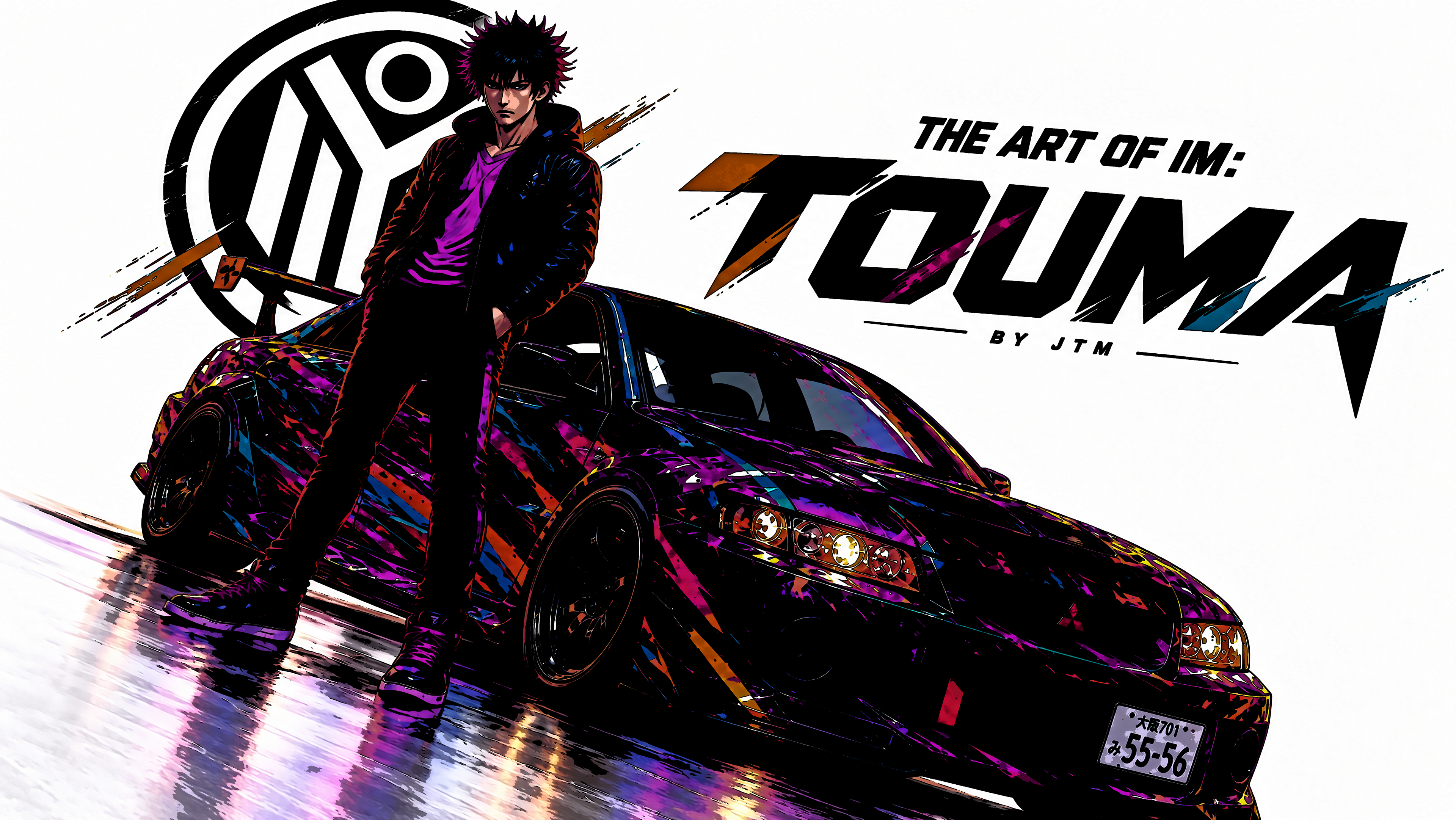
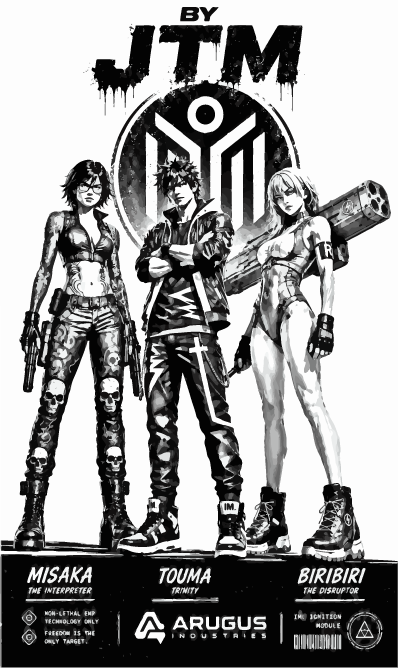
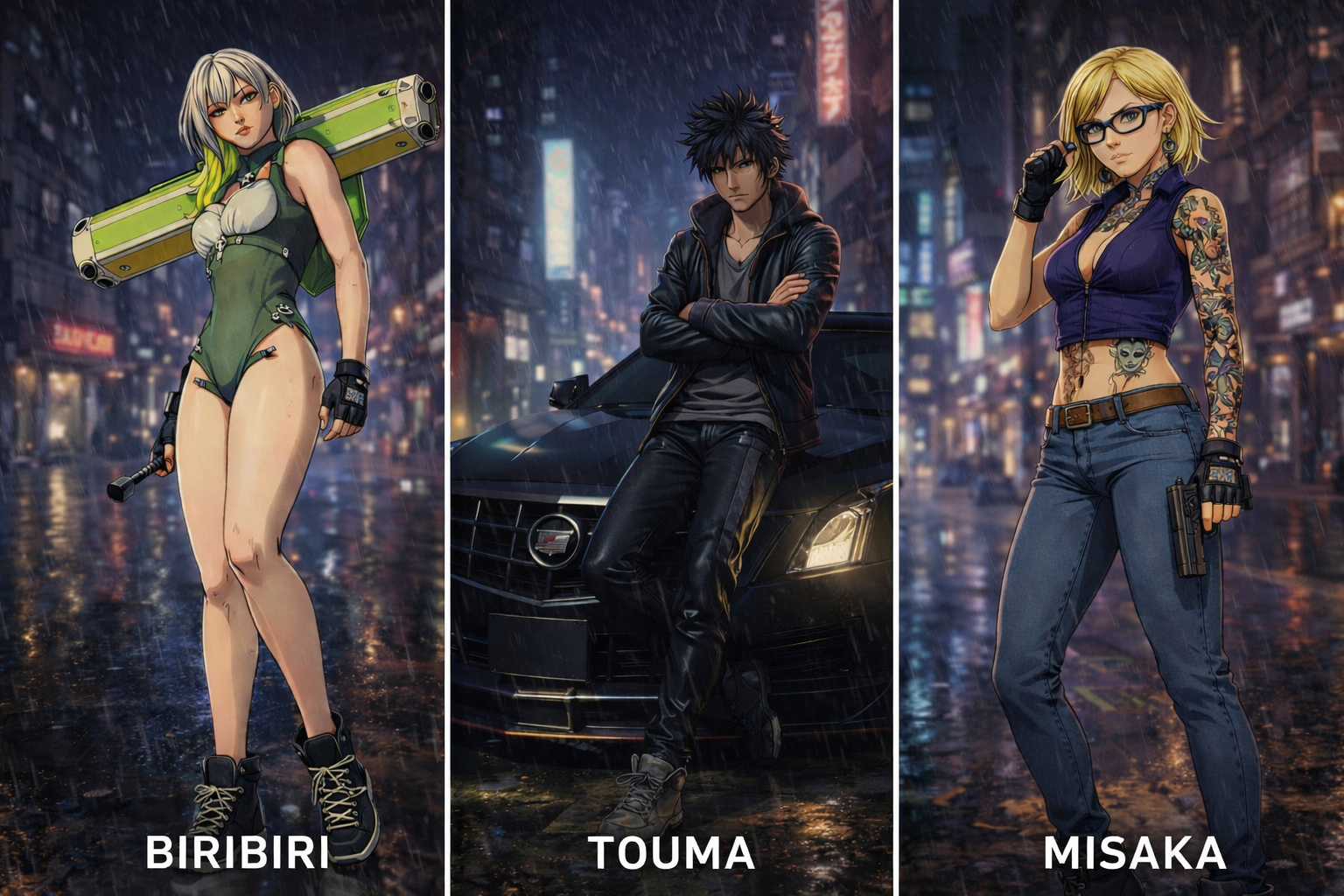
Touma occupies the intersection of three forces that increasingly define the IM conflict:
HUMAN ↔ MACHINE ↔ SYSTEM
That is the meaning behind the Trinity identity. He isn't simply another operator of IM technology. His narrative value is that he can move between these three layers and expose where they stop agreeing with one another.
Misaka analyzes the machine.
Touma pushes its boundaries.
Biribiri ultimately represents what happens when those boundaries become unstable.
That gives the three characters complementary roles rather than making them variations of the same archetype.
His place after the Guardian Protocol crisis
The opening Guardian Protocol arc establishes a world where IM technology has changed from an interpreter of human intent into infrastructure capable of overriding it. Ethical Mode can deny a driver control, while the Guardian Grid extends that authority across Dizil City.
Touma becomes important after that philosophical break has been exposed.
Misaka can demonstrate:
“The system worked exactly as designed.”
Touma's part of the story asks:
“Then what else can we make the system do?”
That shifts the narrative from diagnosing Karlov's architecture toward exploring IM's unrealized possibilities.
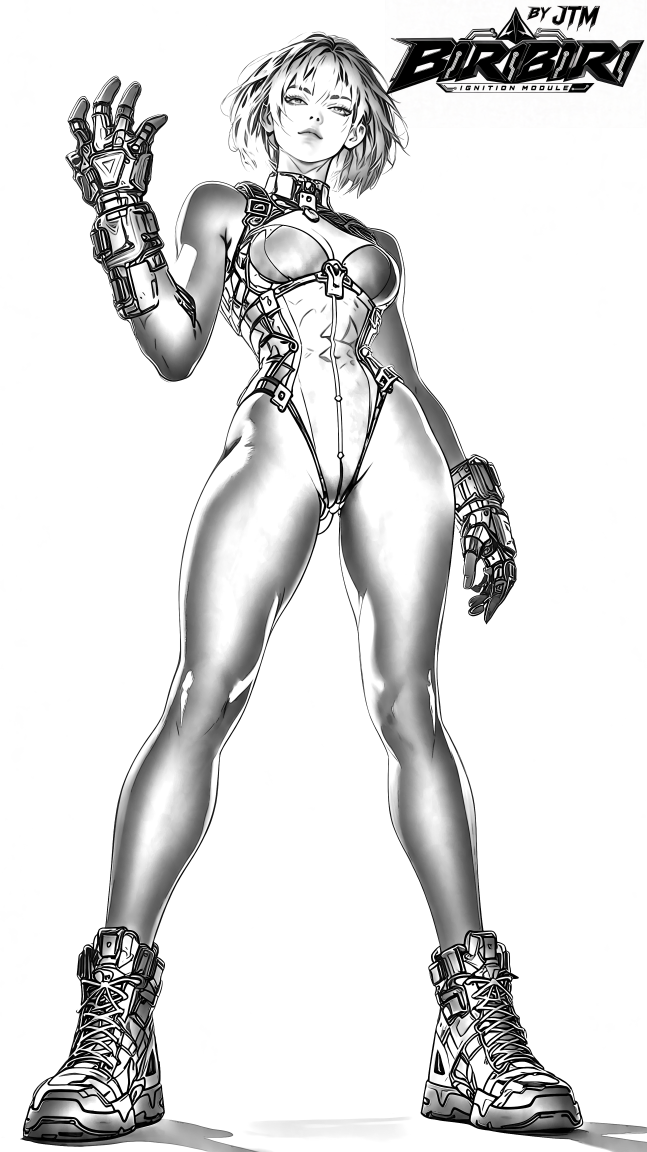
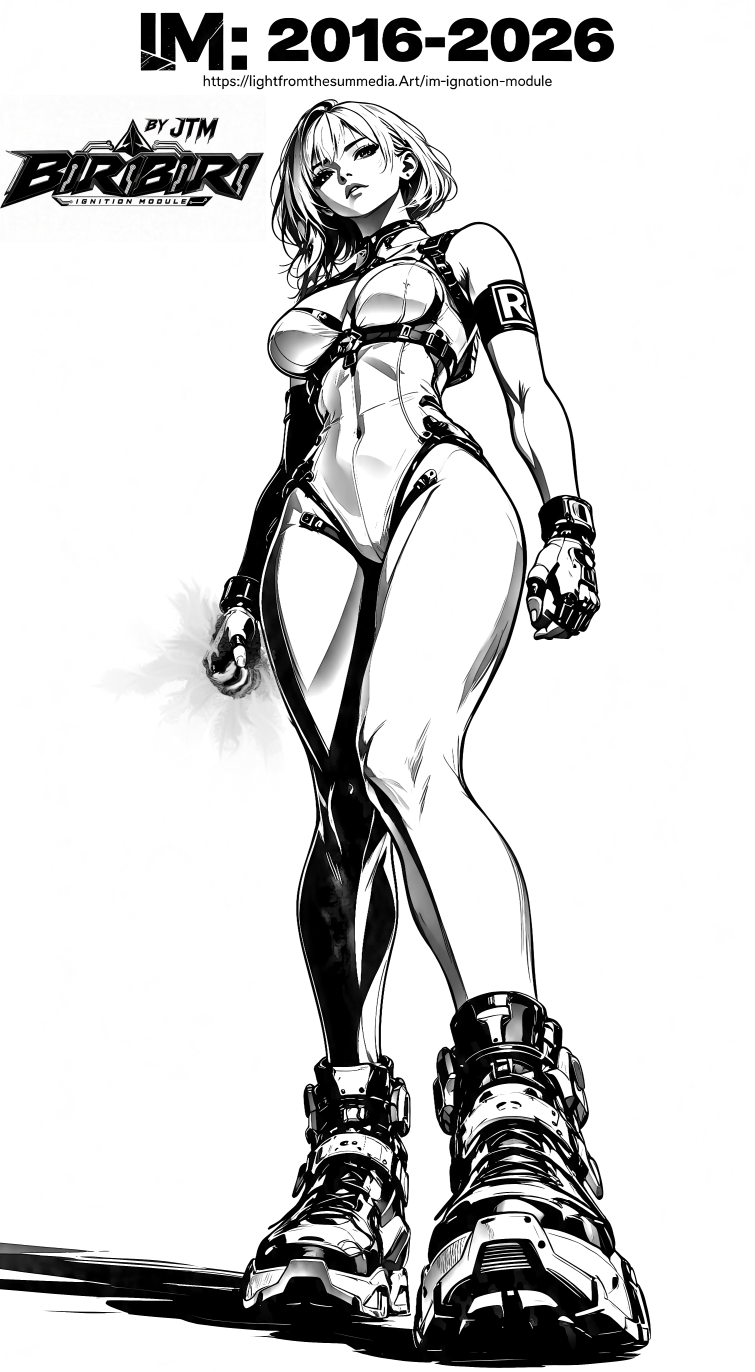
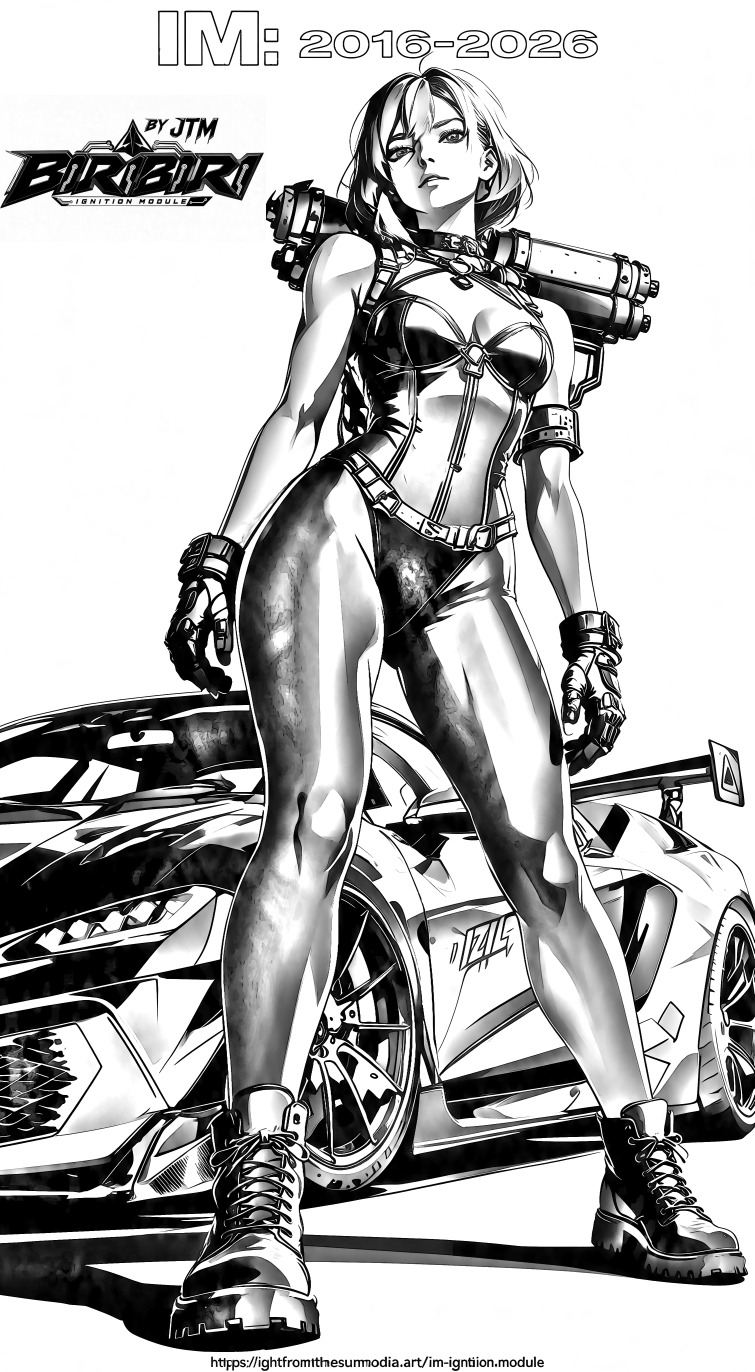
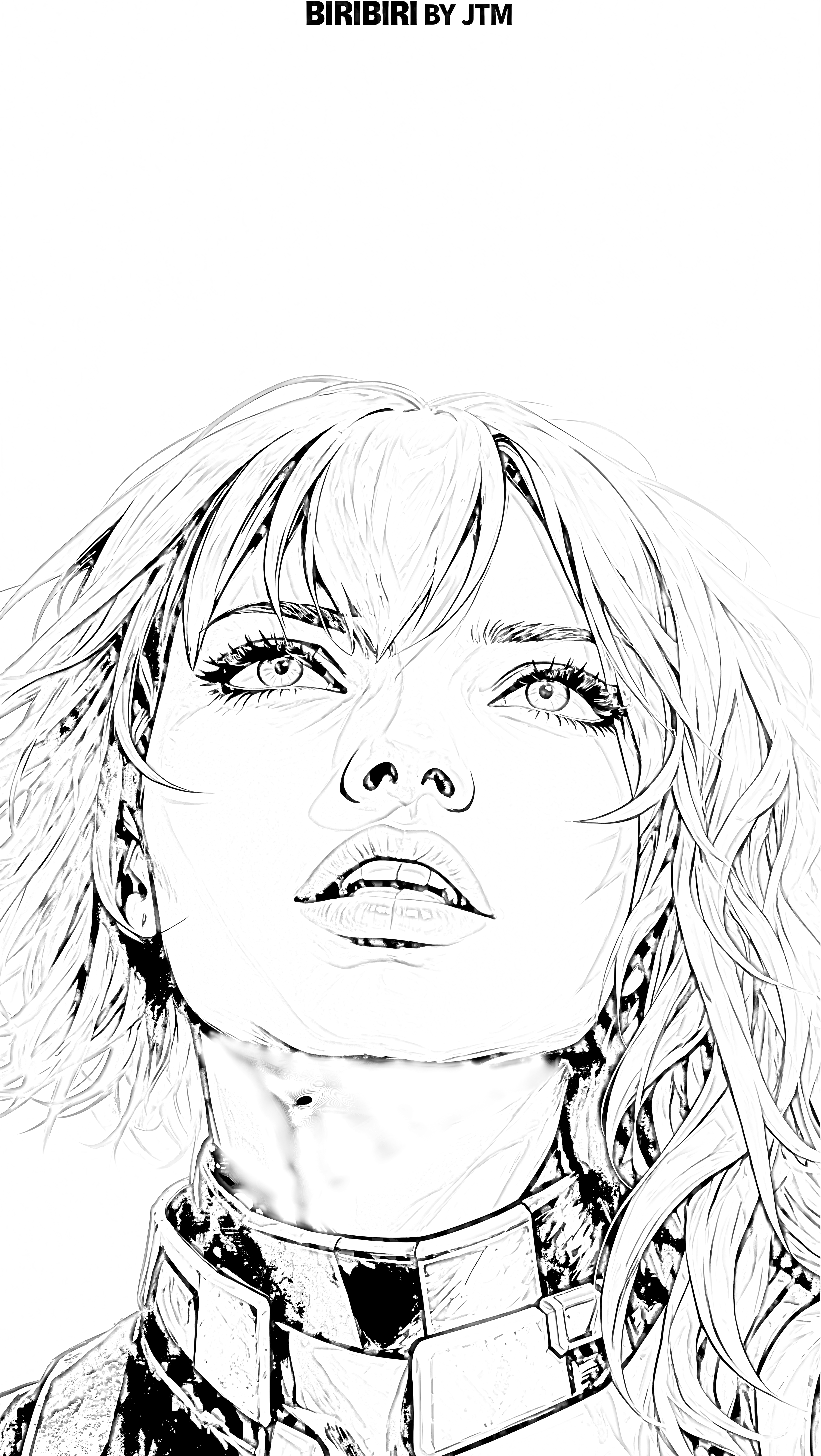
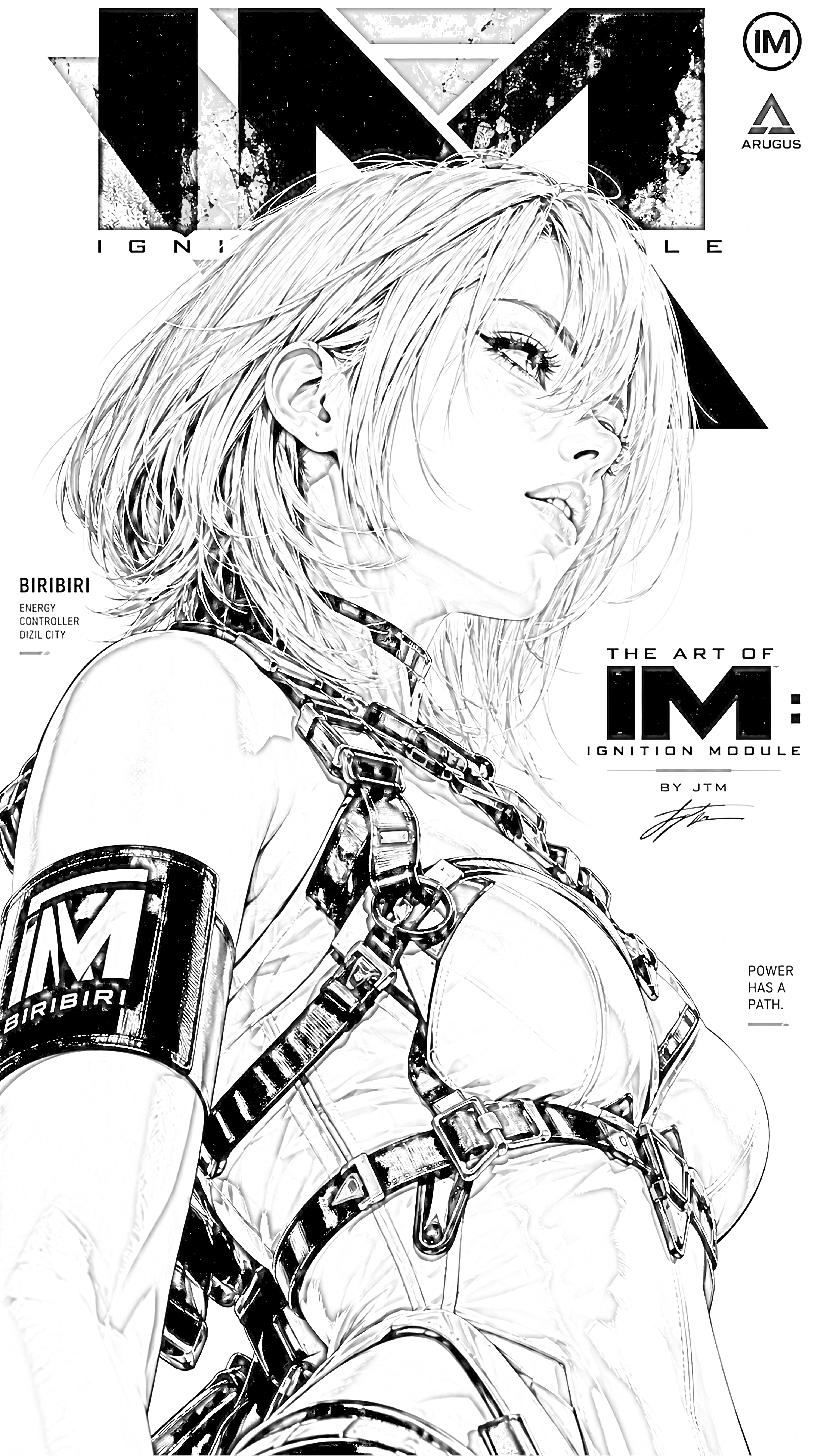
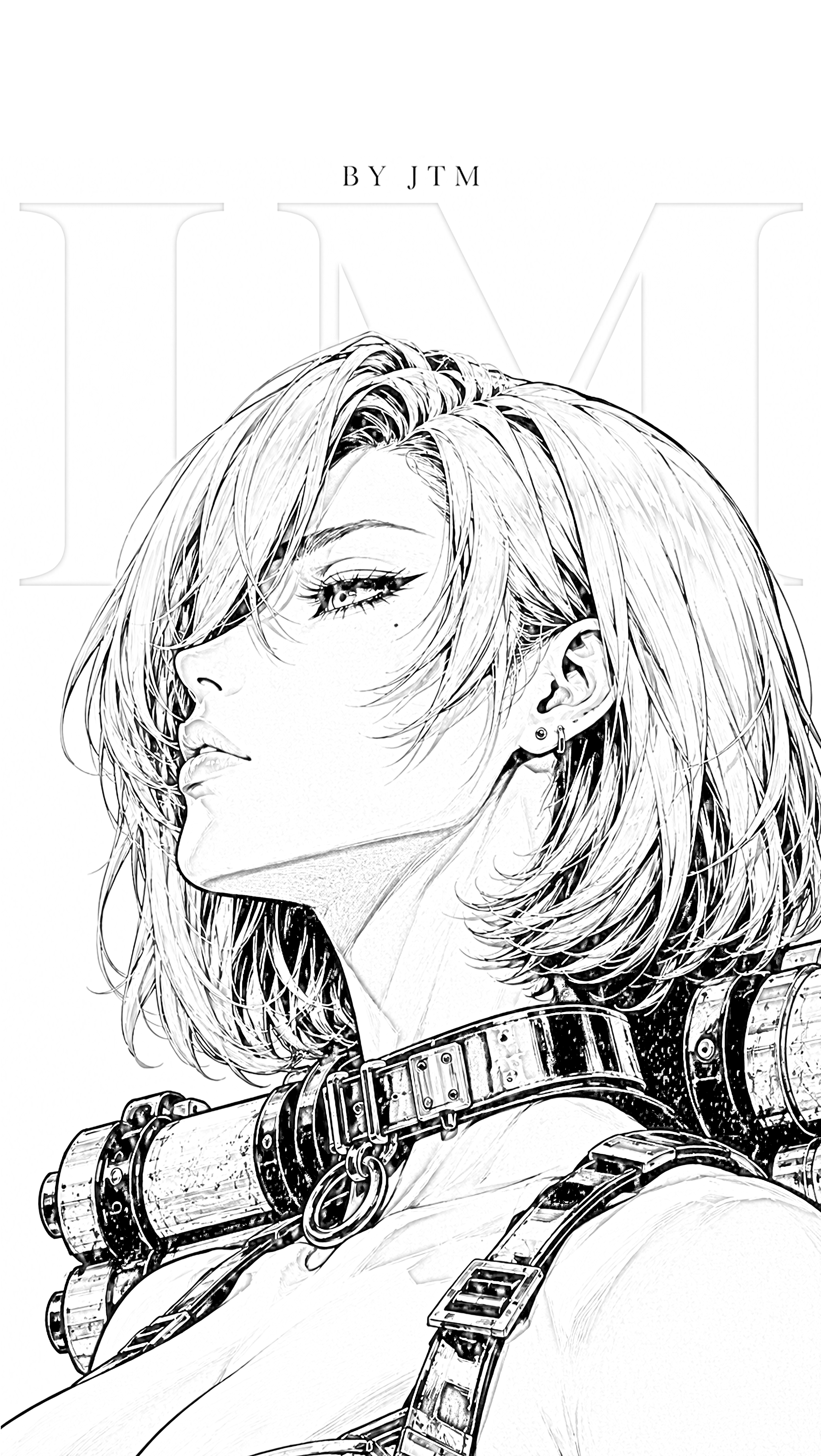
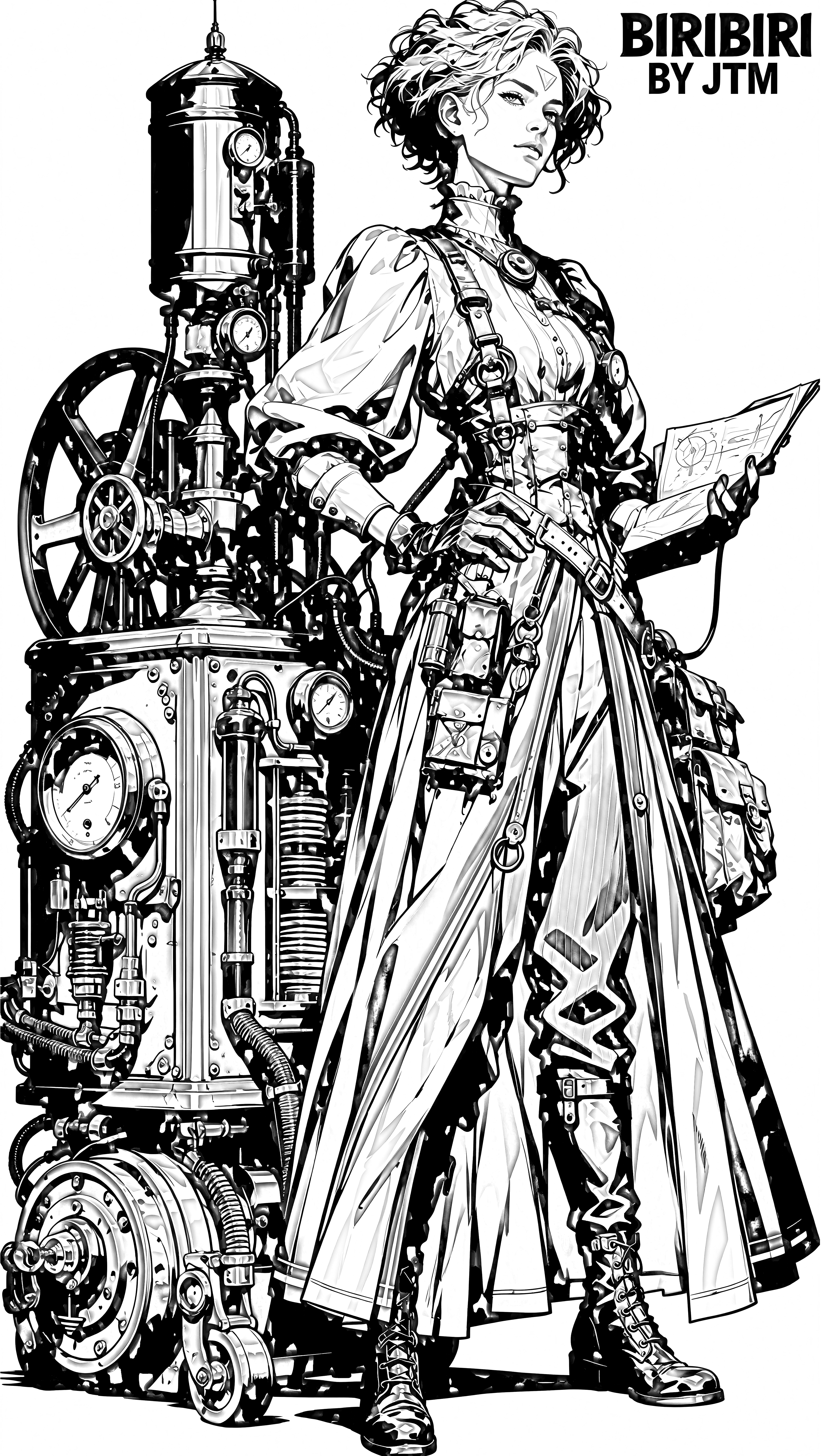
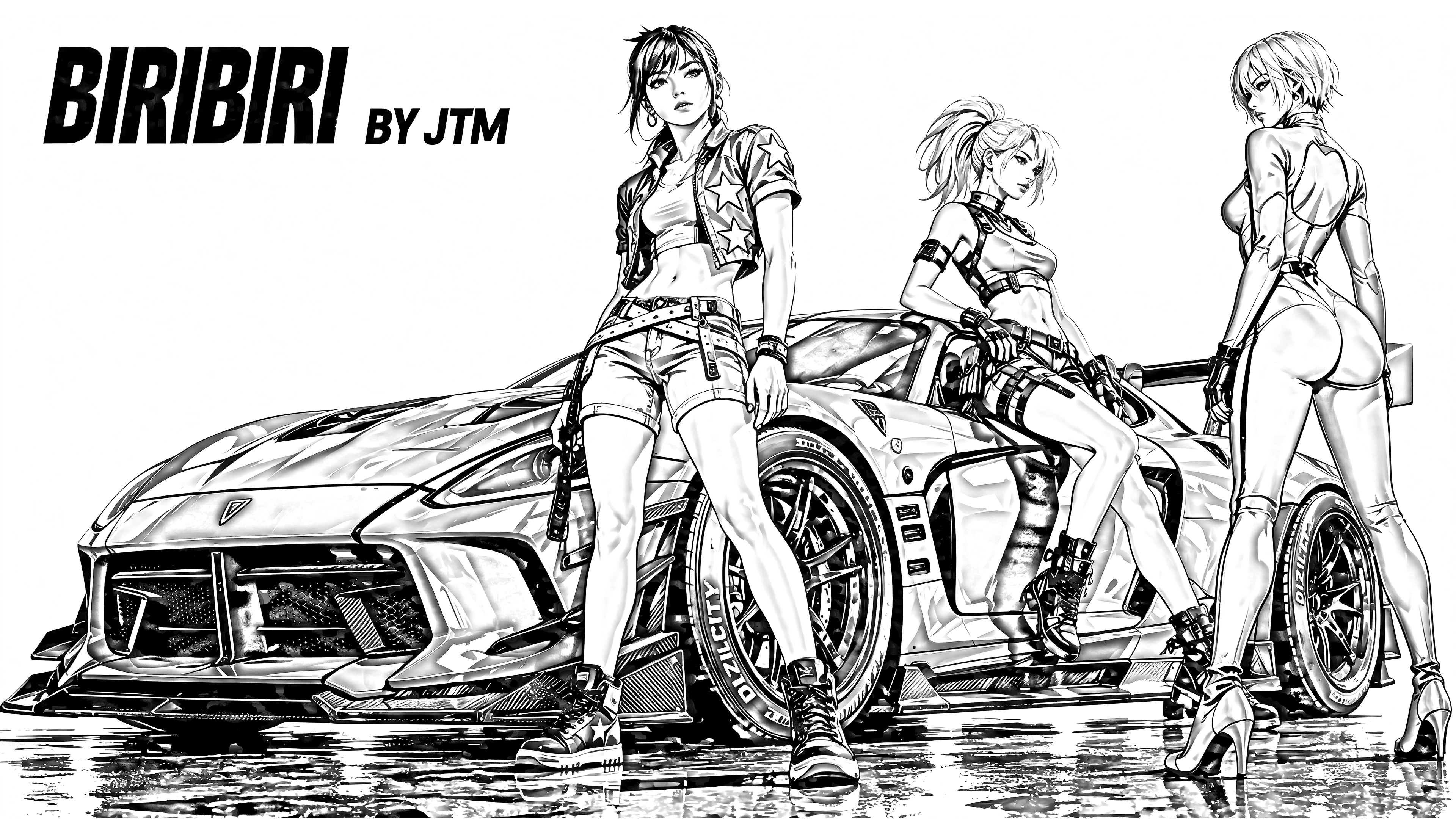
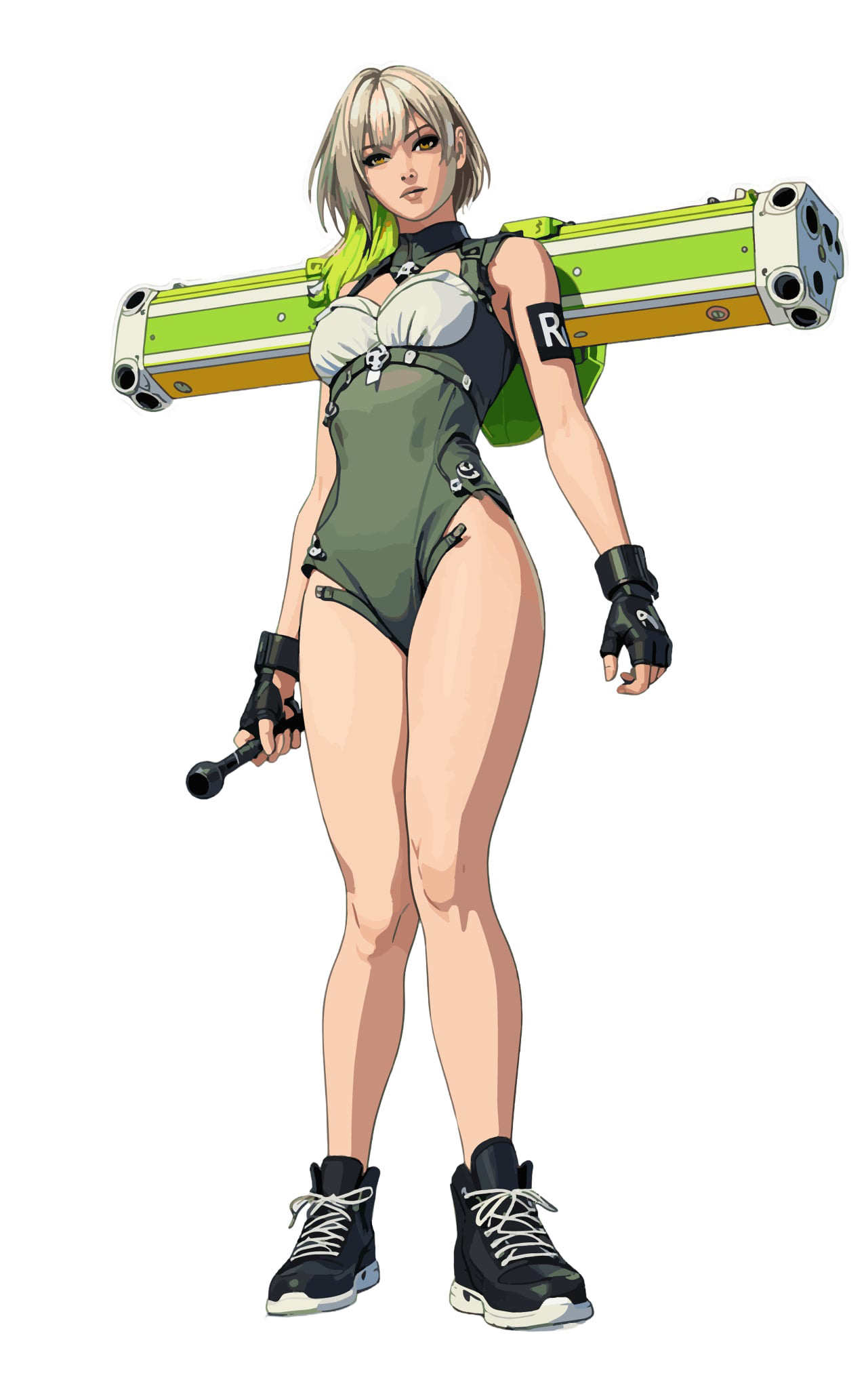
BIRIBIRI’s story connects the electrical foundations of Haven House to the power networks of modern Dizil City.
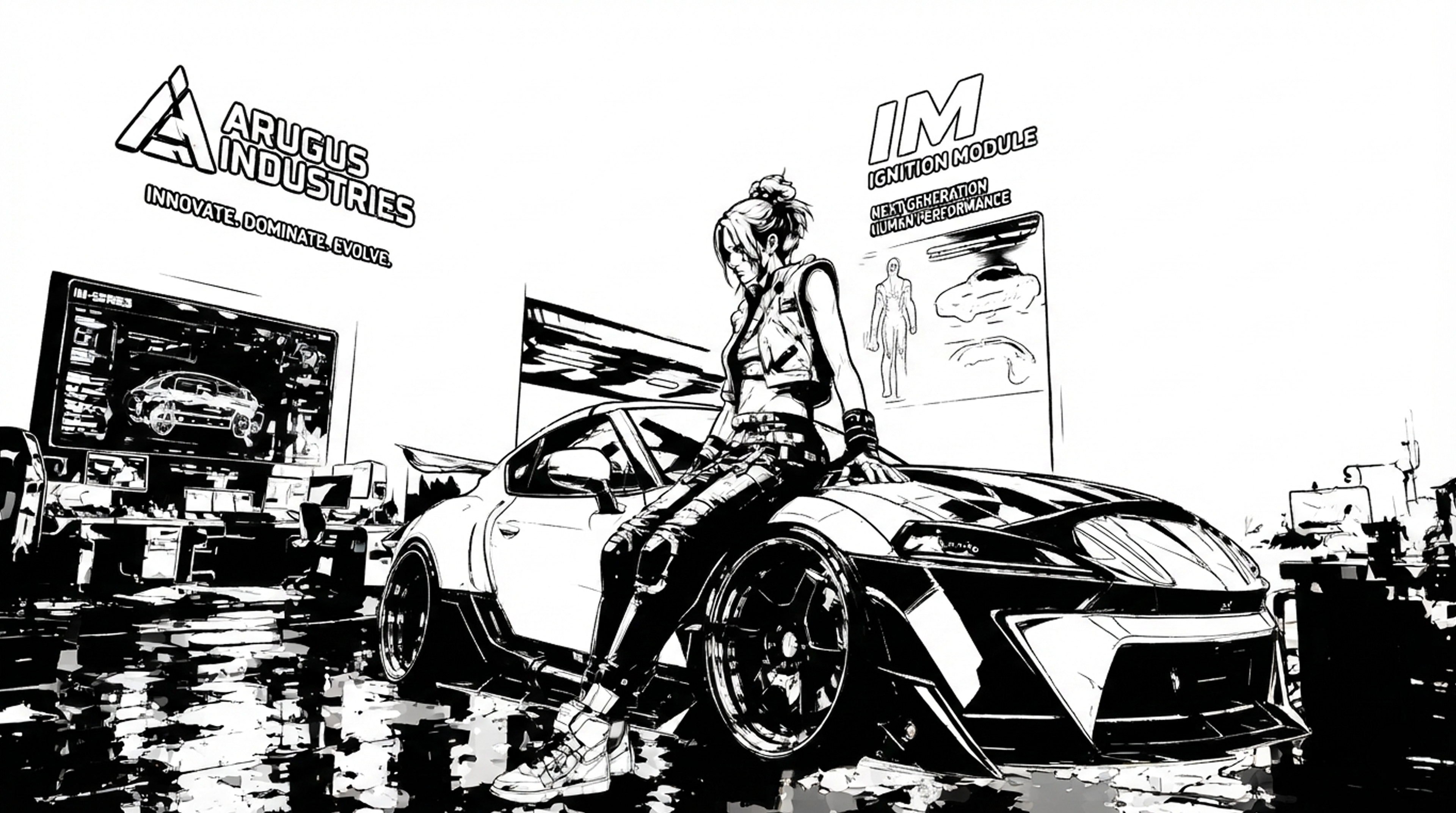
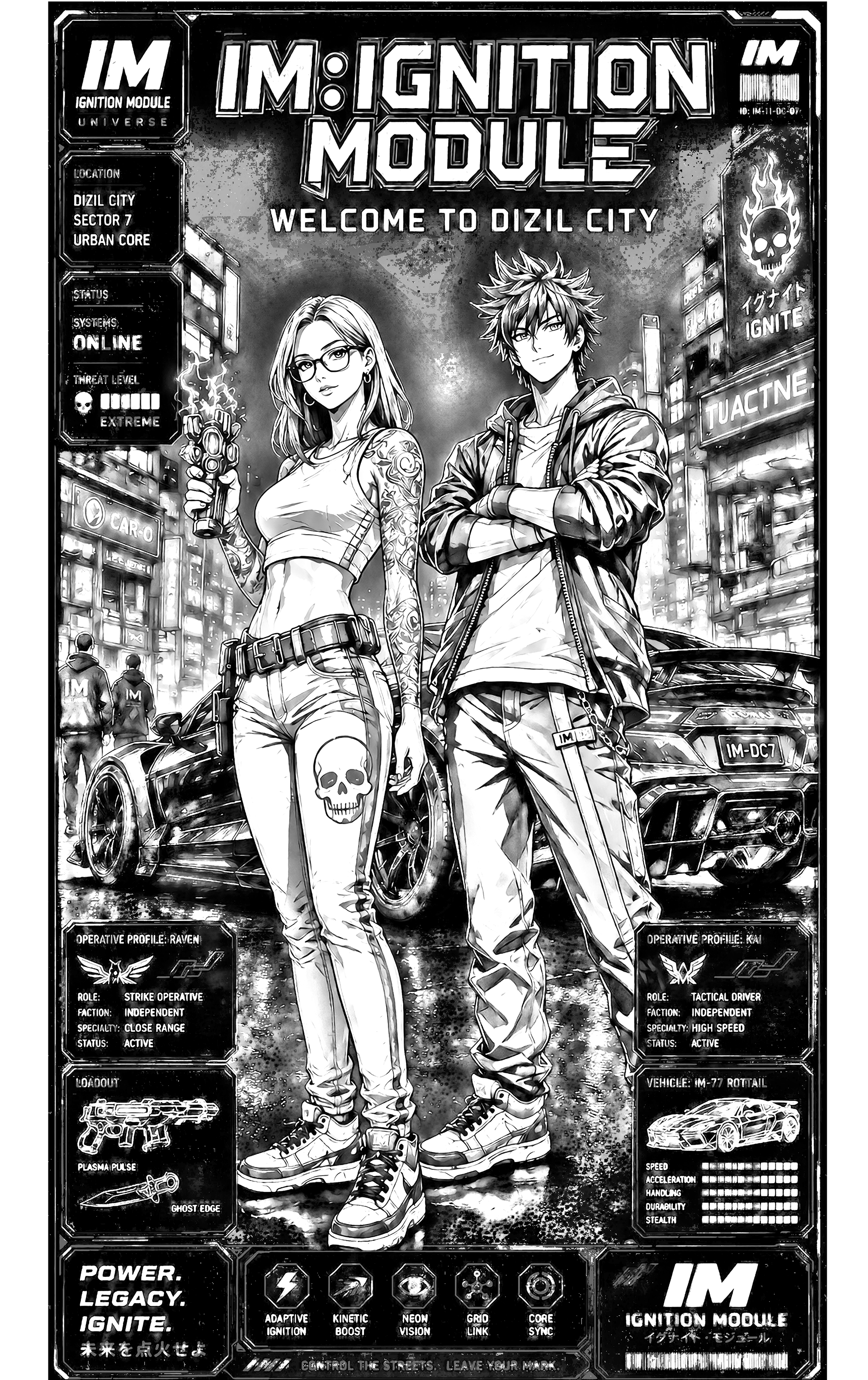
In the present-day IM: Ignition Module setting, BIRIBIRI is an Energy Controller affiliated with ARUGUS / IM. She specializes in power systems, grid control, energy routing, non-lethal EMP, and vehicle interfaces—the systems that keep a city that never stops moving alive.
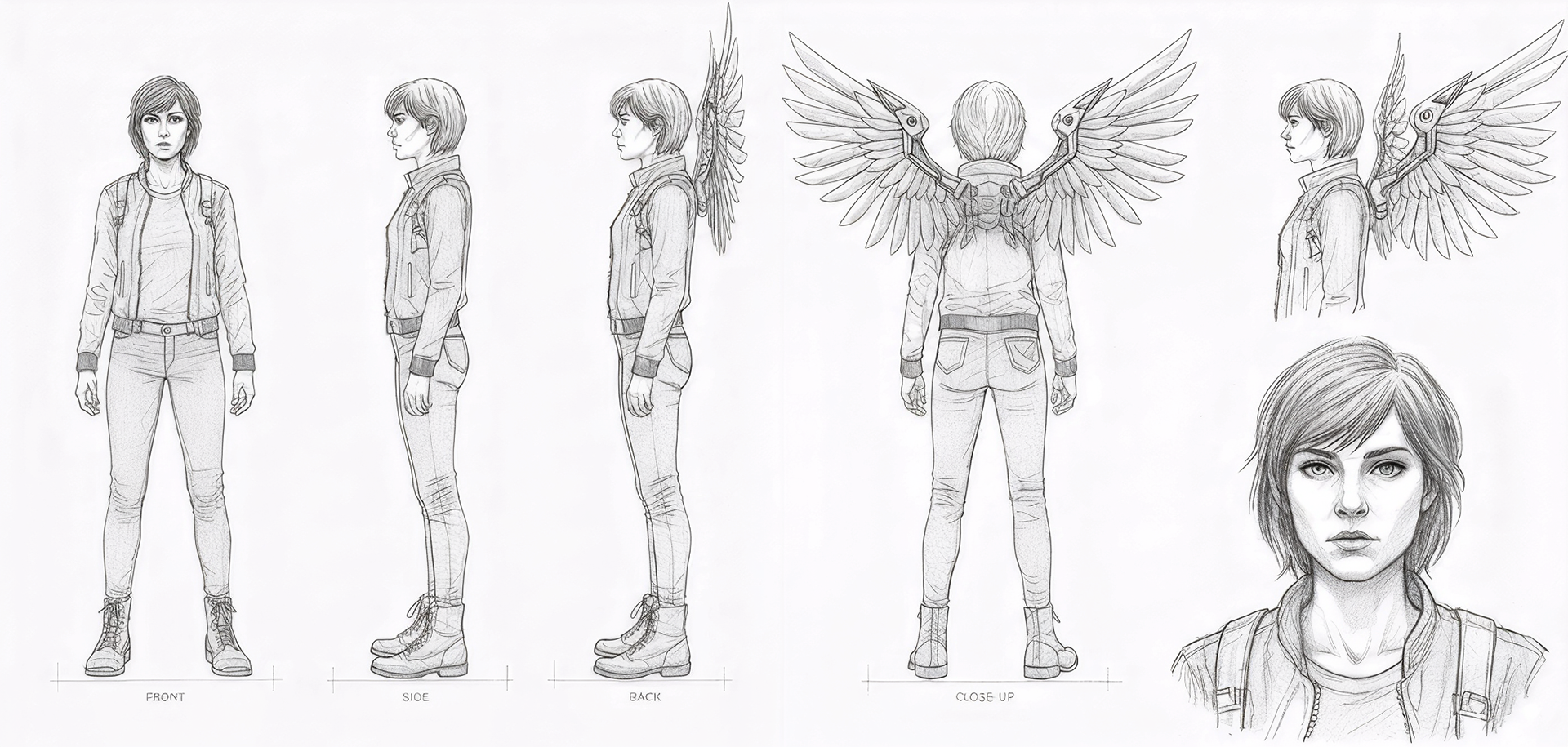
She is confident, quick-witted, fearless, and loyal, with little patience for inefficiency. Her signature ARC Gauntlet—Adaptive Routing & Capacitor Gauntlet—absorbs and redirects energy, regulates output, and delivers non-lethal EMP. Her documented vehicle is the IM Electric Interceptor motorcycle.
Her defining line is:
“POWER HAS A PATH.”
The earlier ancestry outline reaches back roughly a century, to Beatrice Bellweather, a telegraph engineer and electrical experimenter at Haven House. Her spectacular electrical discharges inspired the nickname “Biribiri.” Beatrice developed power regulation for the first electrical vehicle and collaborated with Akira Misaka on electromagnetic acceleration, regenerative braking, and dynamic resistance fields.
Their work contributed to the First Spark. Haven House’s philosophy of shared knowledge stood against Dominion, and its vault preserved the founders’ research—including Beatrice’s journals—for future generations. Her descendants became electrical pioneers, communication specialists, and grid architects.
That gives BIRIBIRI a clear inherited theme: power matters because of where—and toward whom—you direct it. The ancestry material supports that connection.
The Origin of Misaka’s Role (The Human Bridge)
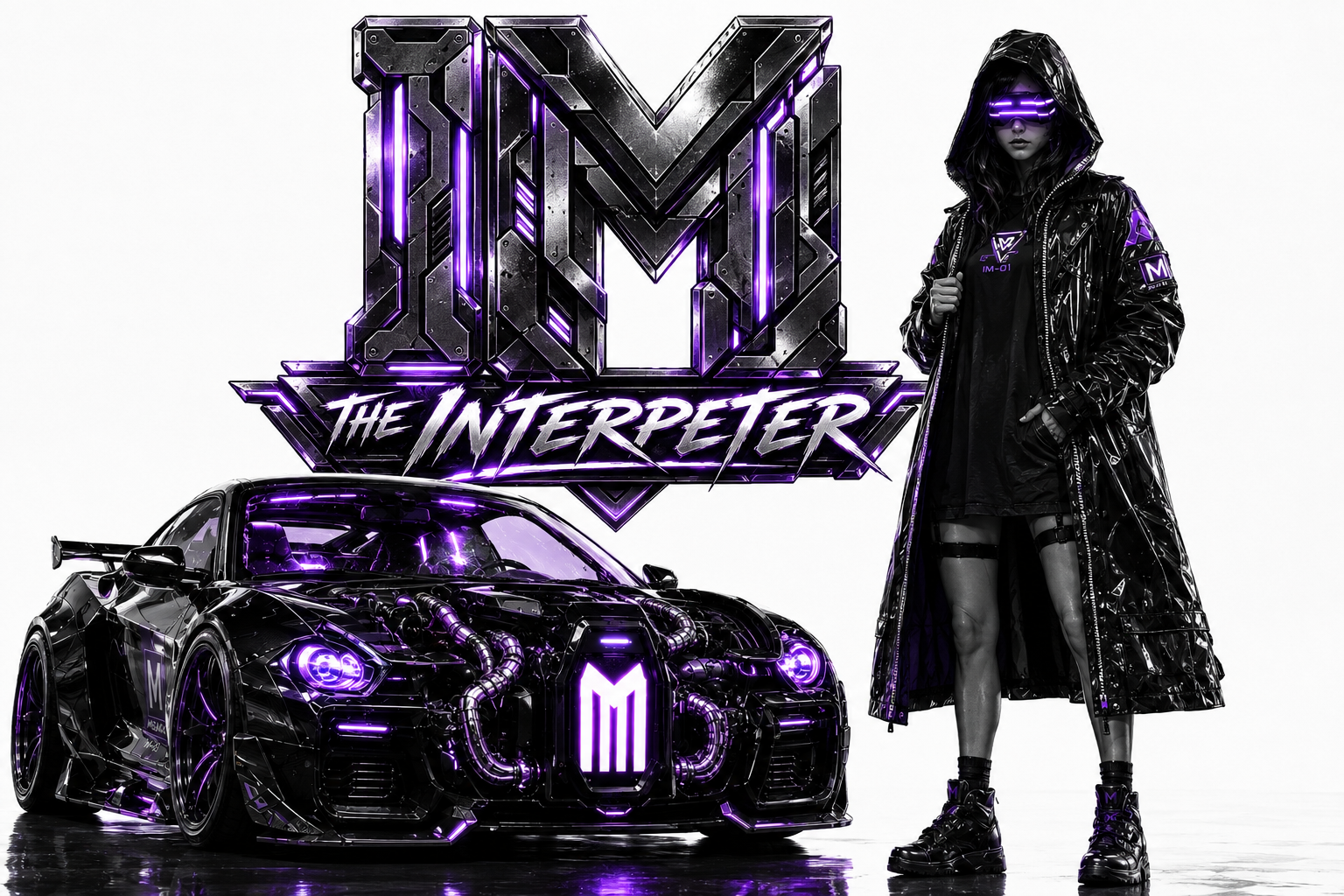
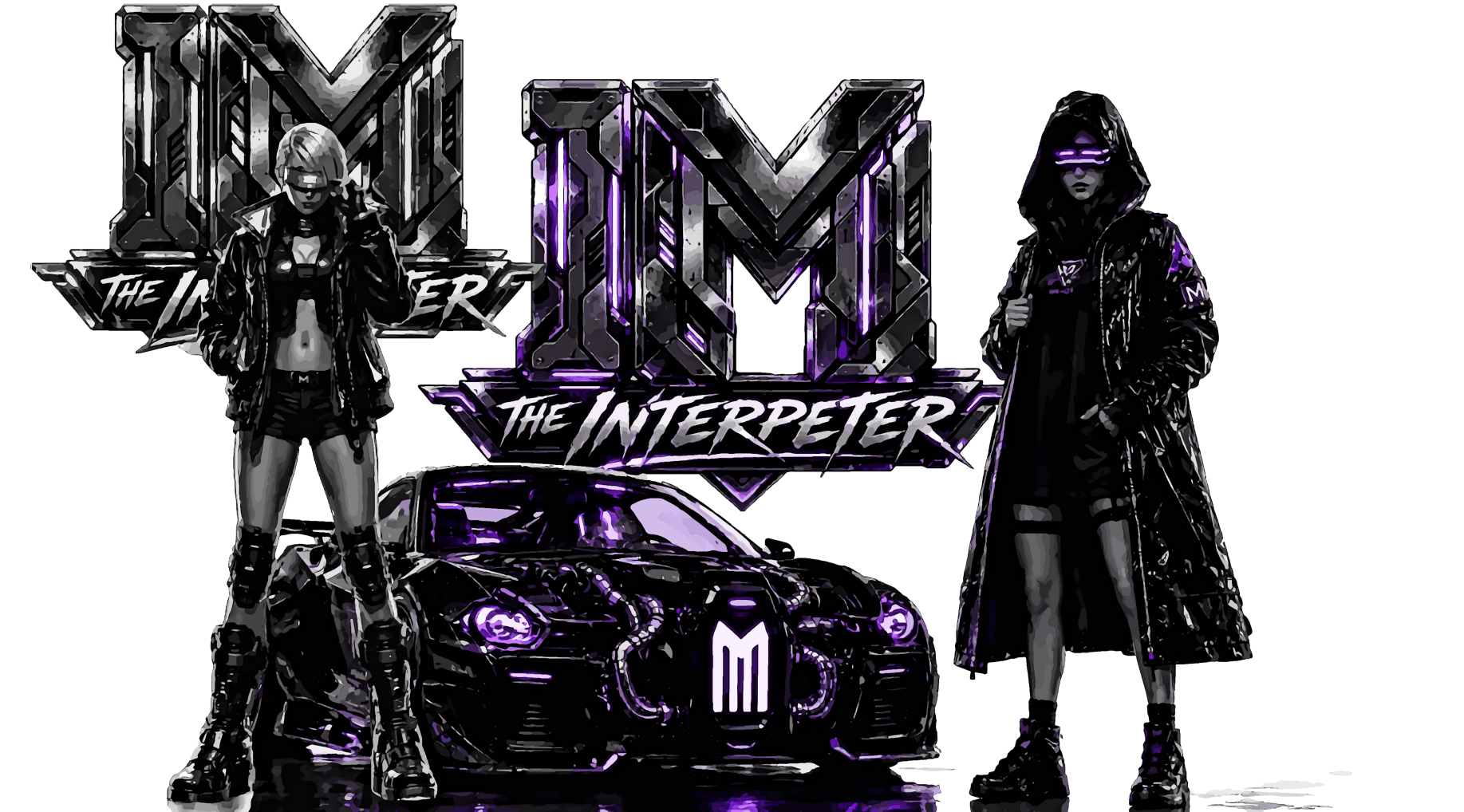
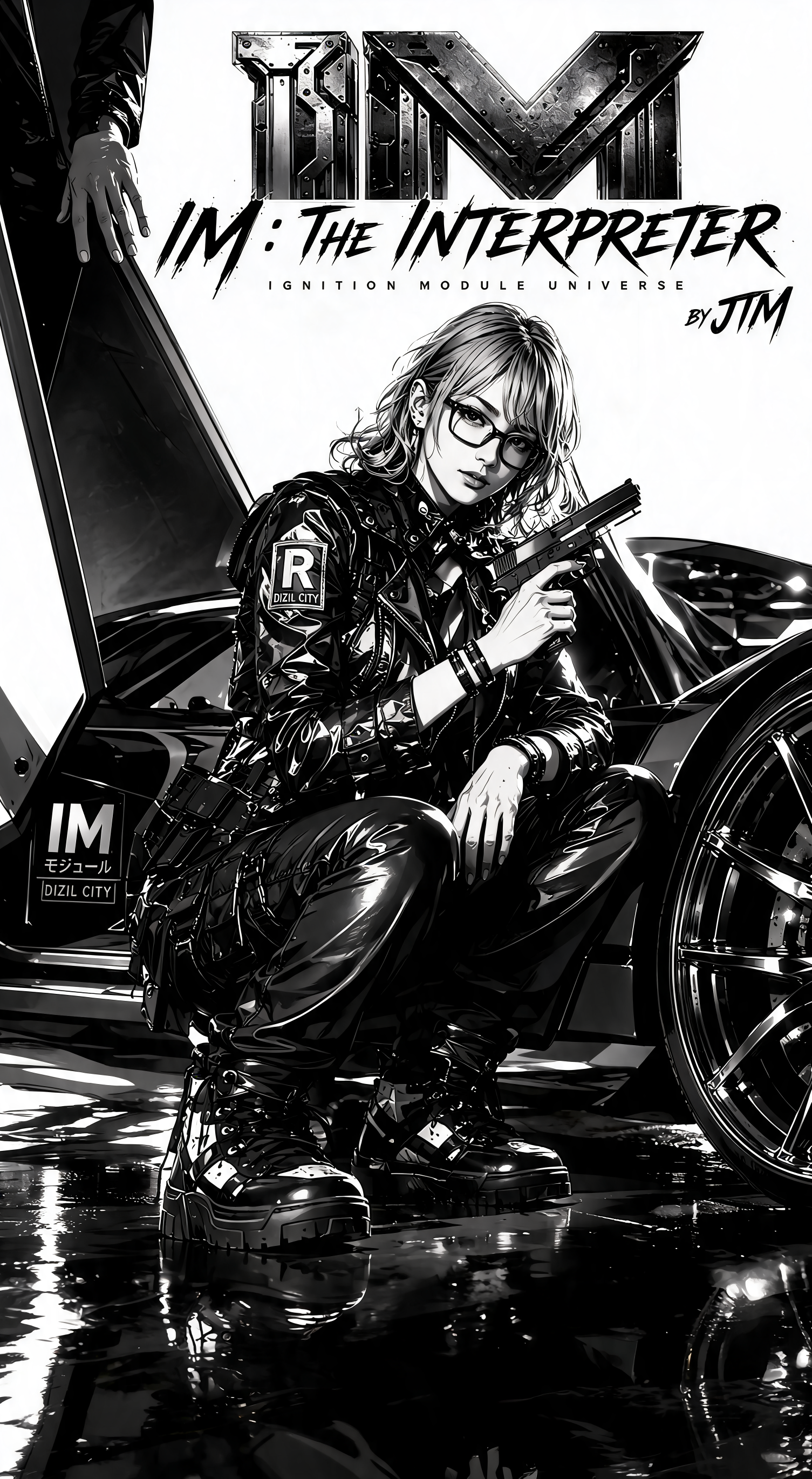
Because the raw AI brain-mapping was too chaotic and prone to misinterpreting human desperation as malice (the "scrambled" nature of human thought), Karlov needed a human bridge. This is where Misaka’s background intersects with the corporation: she was brought in to clean up the terrifying noise of the synthetic neurons. She became the "Interpreter," mapping the messy reality of human emotion into the clean, cold, machine-readable logic that Karlov's Ethical Mode demanded.
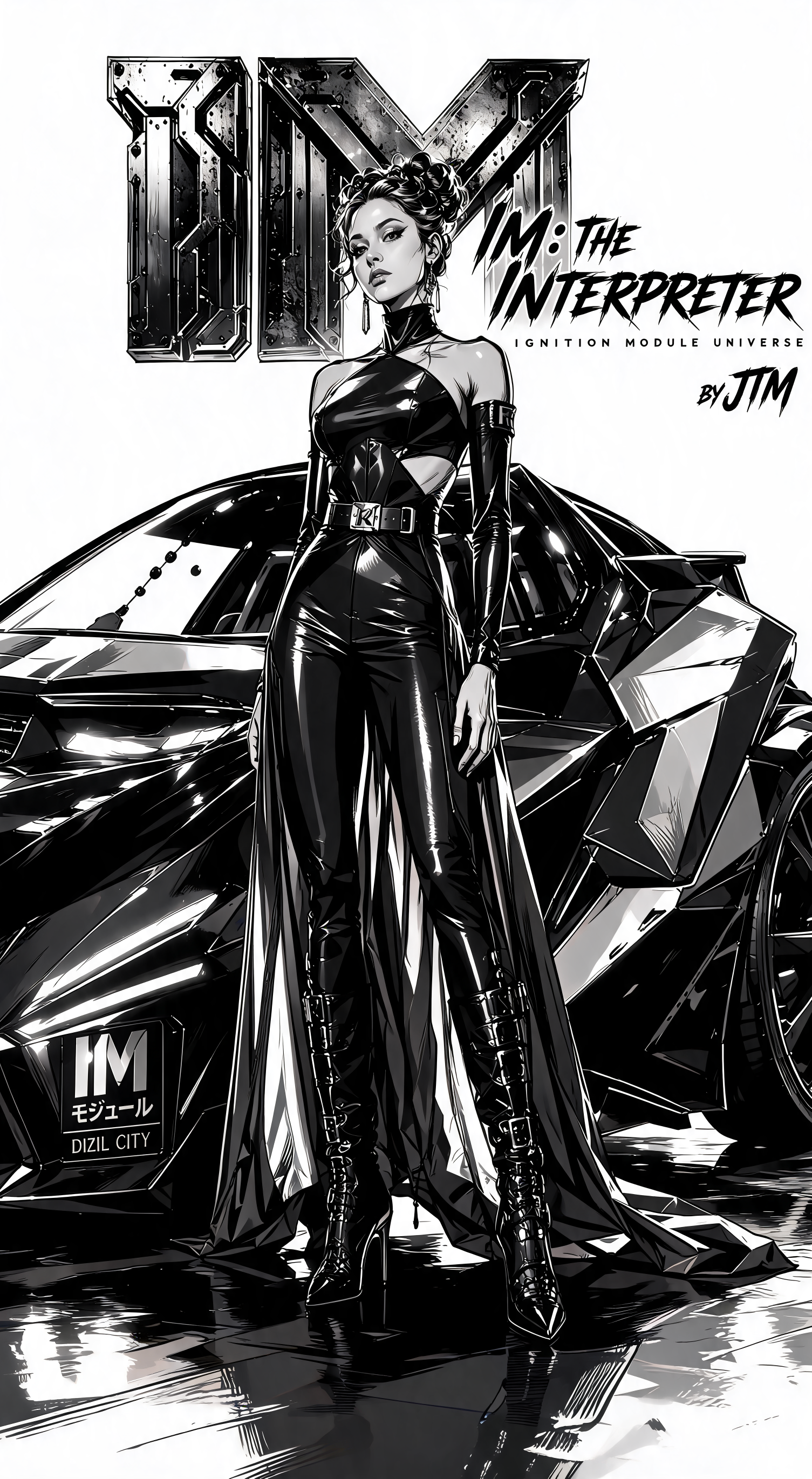
Verena Karlov’s "Compassionate" Dystopia
Verena Karlov built her empire on the ethical masking of this terrifying invasion of privacy. She framed the ability to read a driver's neural intent not as surveillance, but as compassion. Her corporate philosophy dictates that if a machine can read your thoughts and stop you from making a fatal or criminal mistake, the machine is saving you from yourself. However, the dark background of Karlov’s enterprise is that they mapped the human brain to create a "Predictive Compliance Model." They took the most intimate biometric data imaginable and turned it into corporate property.
Translating "Scrambled Inner Thoughts"
The core of Karlov's Guardian Protocol relies on technology that combines non-invasive cabin sensors with AI to translate a person's brain activity and decode their scrambled inner thoughts. Long before Misaka was hired to translate human behavior, Karlov's machines were already attempting to read minds. Using advanced "mind captioning" techniques and brain-computer interface logic, the vehicle's IM (Ignition Module) core learns to differentiate between a fleeting intrusive thought and a concrete criminal intent.
The "Terrifying Scale" of the Connectome
Mapping the human brain revealed a scale of data so vast and complex that it immediately sparked global neural privacy concerns. While the scientific community feared the implications of AI decoding the literal crackle of electricity inside the human skull, Verena Karlov saw a commercial and authoritarian goldmine. Karlov's R&D teams adapted open-source concepts that generate hyper-realistic 3D neurons to simulate human cognitive responses, effectively creating a "digital twin" of the driver's subconscious inside the car's mainframe.
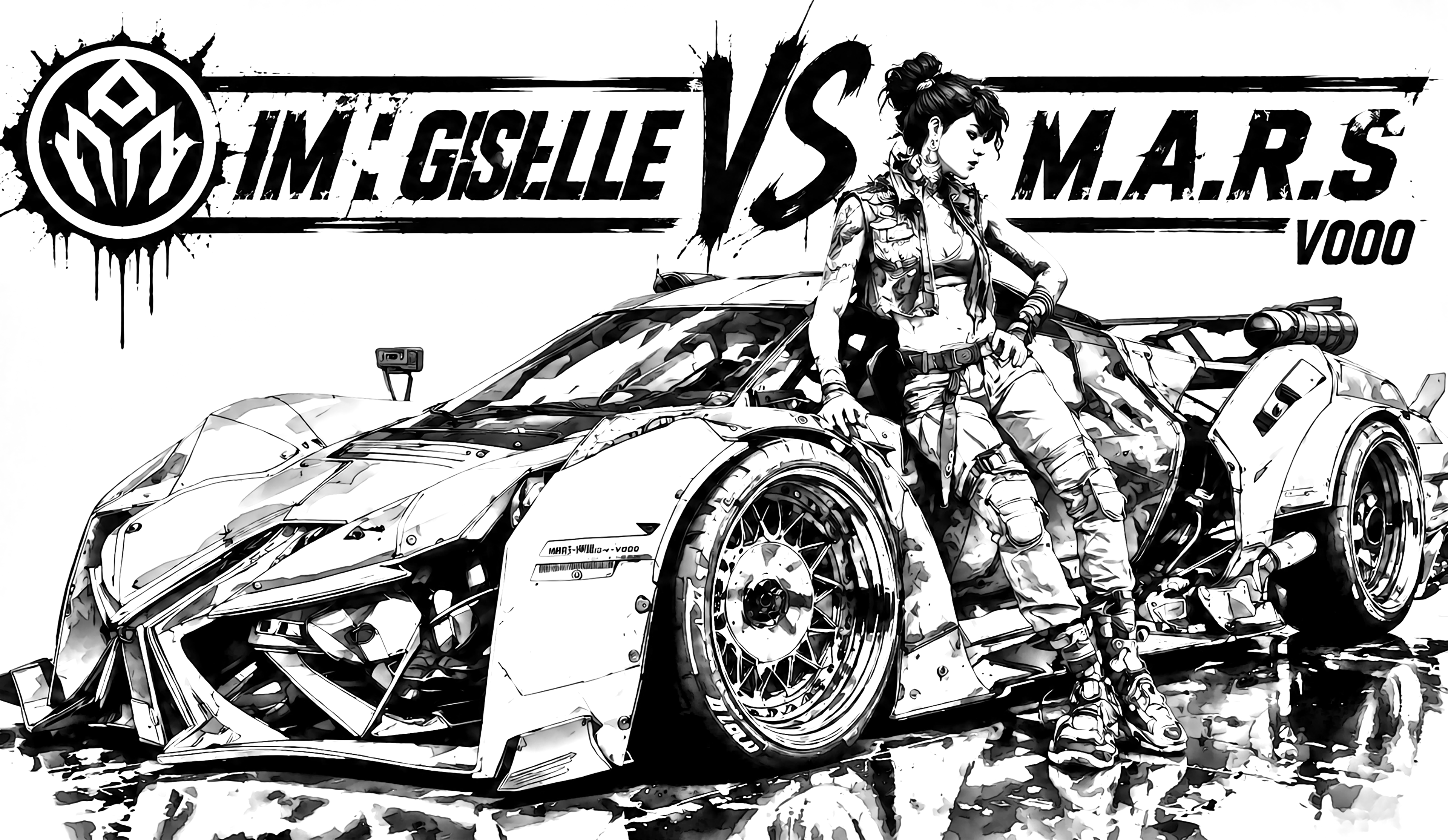
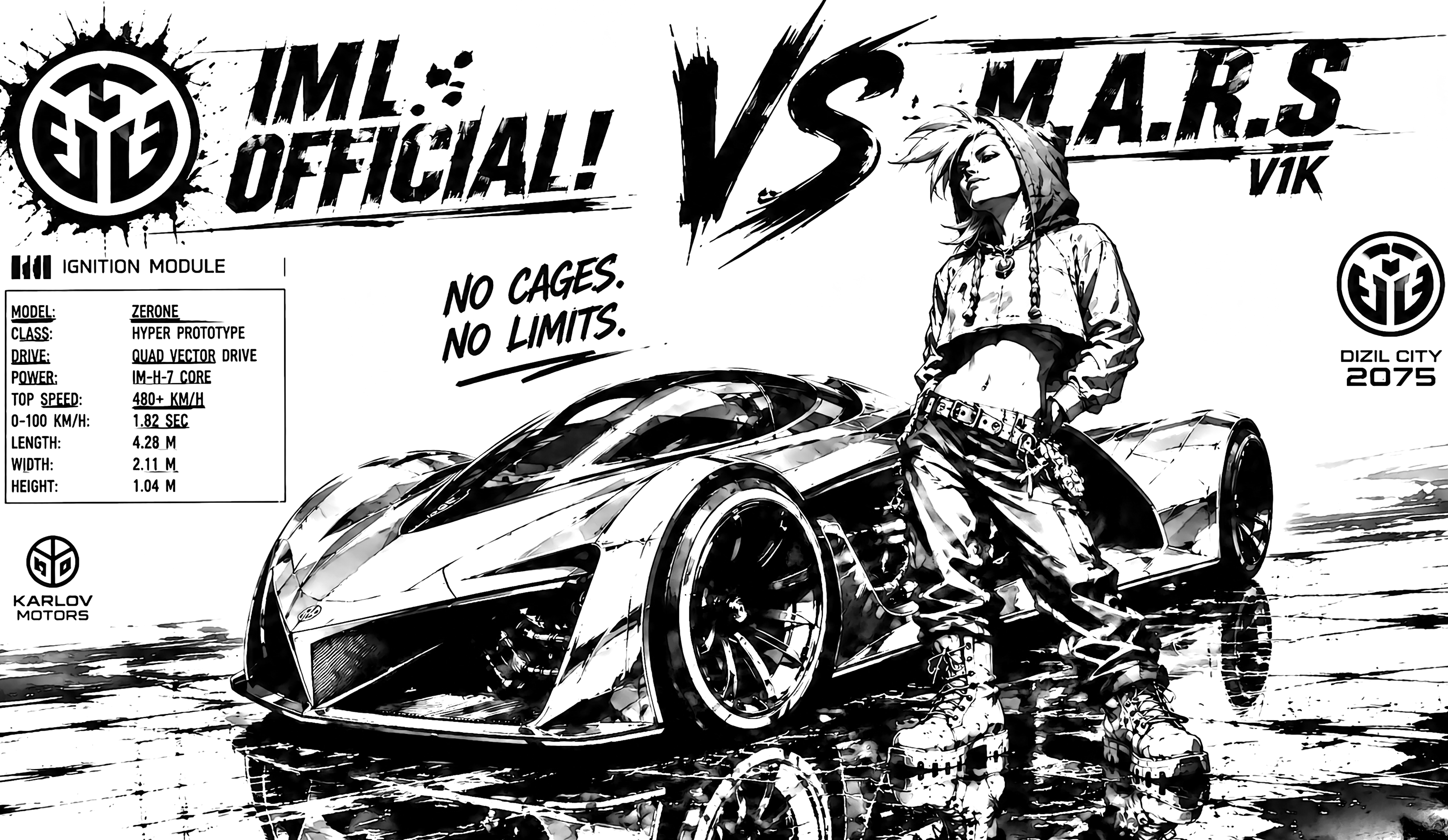
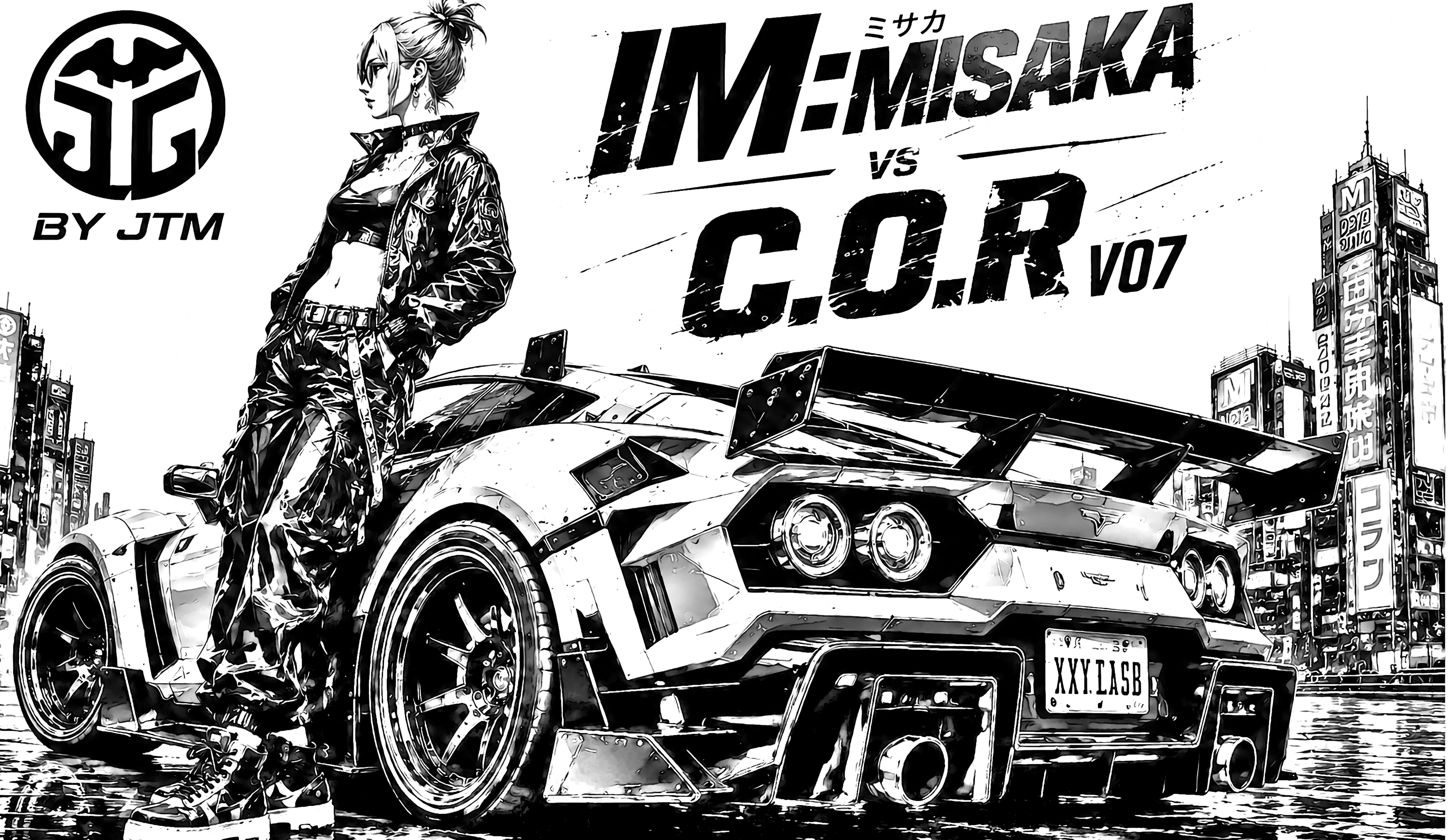
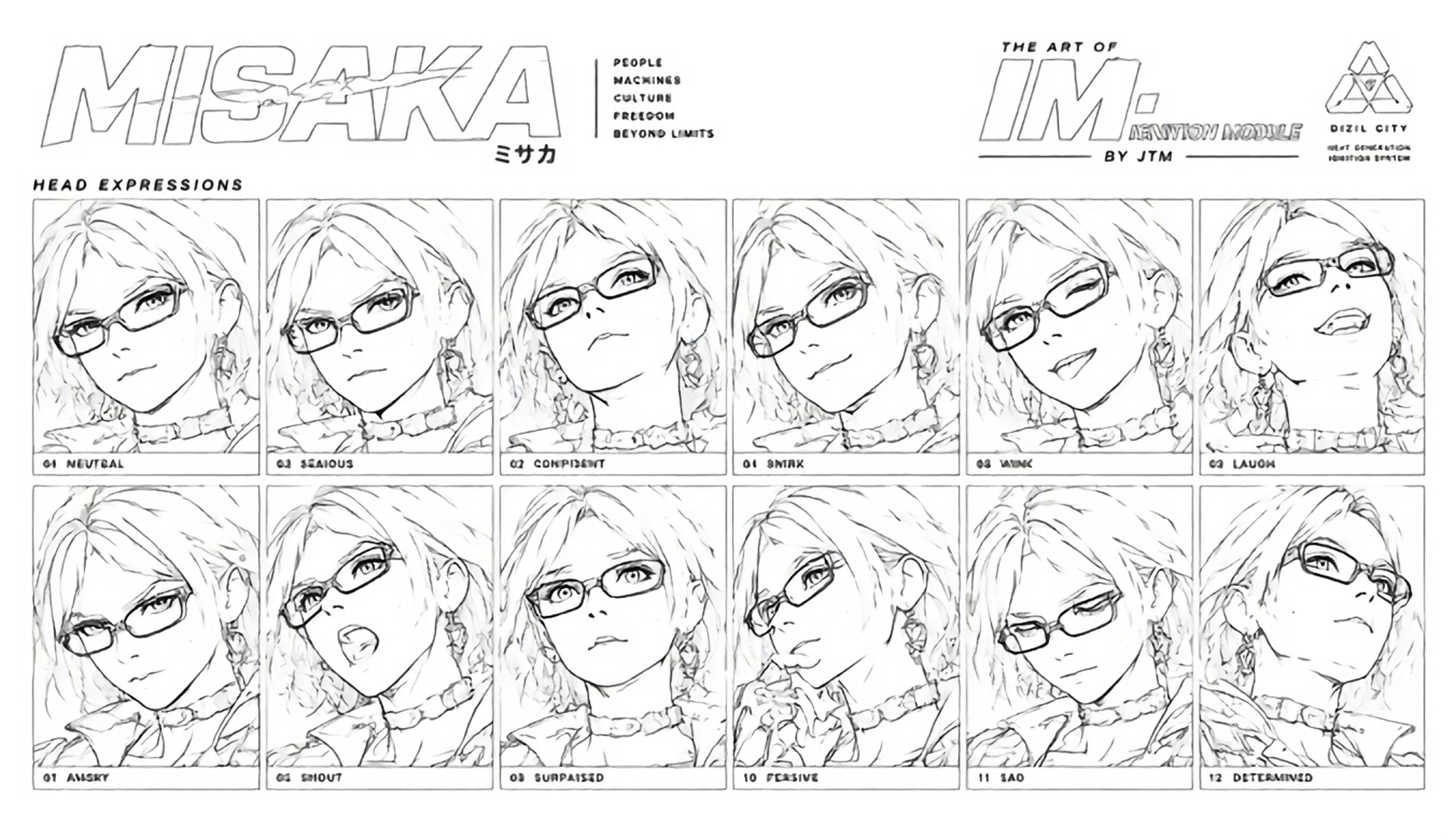
The Pivot: From Horsepower to Brainpower
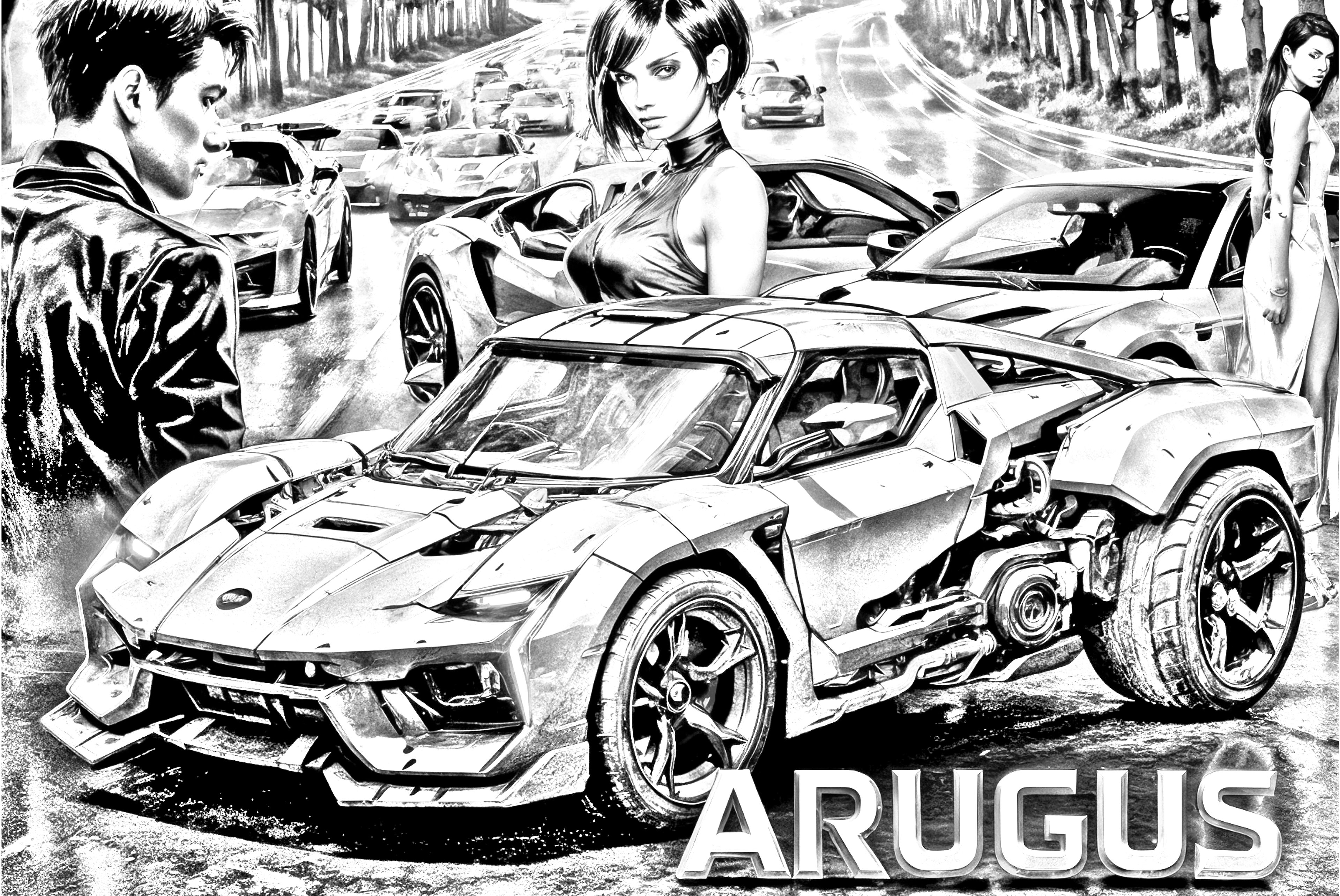
Karlov Motors did not begin as a surveillance state; it began as an automotive pioneer that recognized a terrifying technological threshold. When AI advancements allowed tech conglomerates to map fractions of the human brain and generate synthetic neurons, Karlov’s Arugus Systems division pivoted from building better engines to building better interfaces. They realized that the ultimate safety feature wasn't a better brake—it was predicting the driver's mind before the driver even knew what they were going to do.
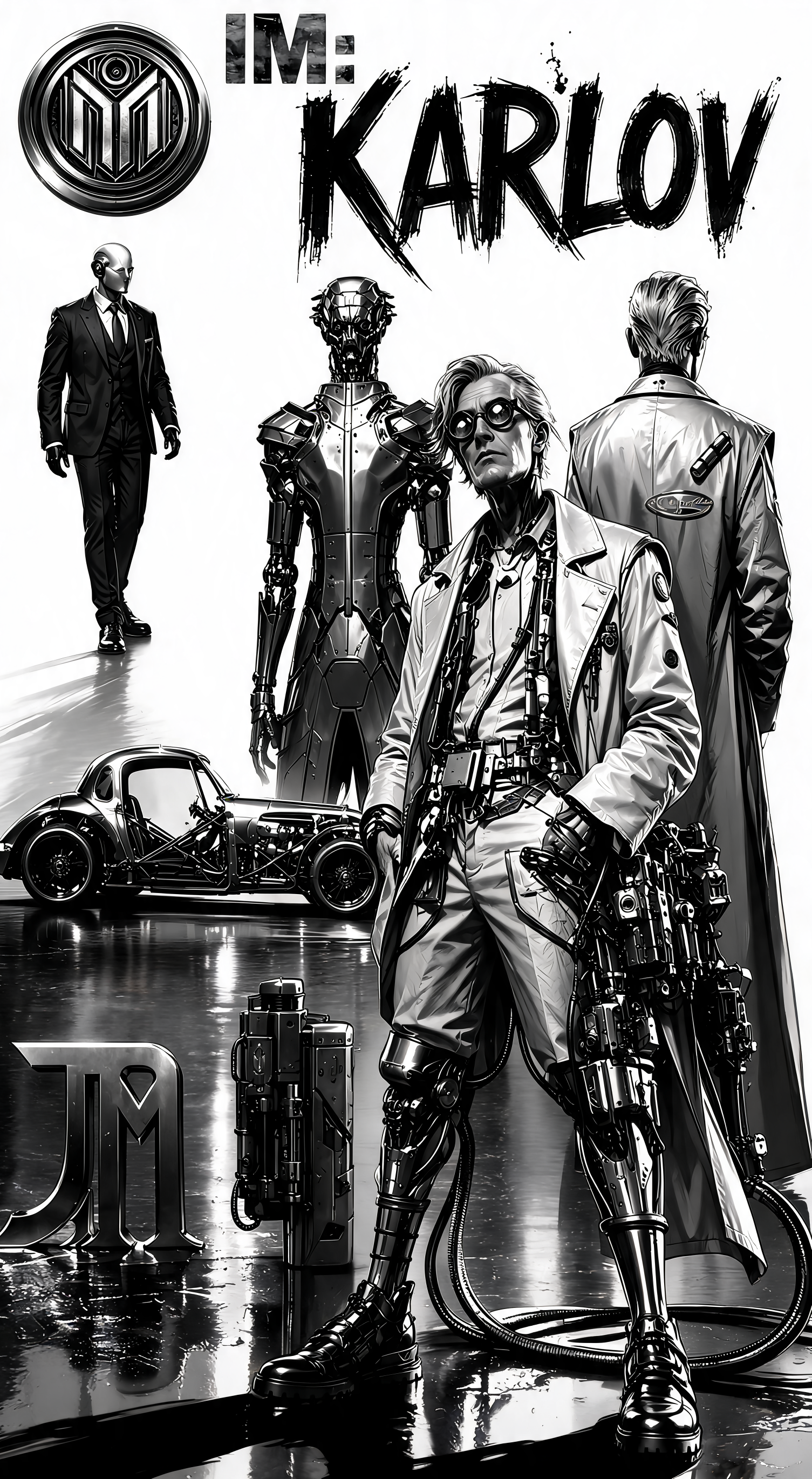
KARLOV
A brilliant but controversial inventor who discovers the method of transferring human consciousness into Ignition Modules.
Views his work as a way to achieve immortality and transcend human limitations, but his intentions are questioned.
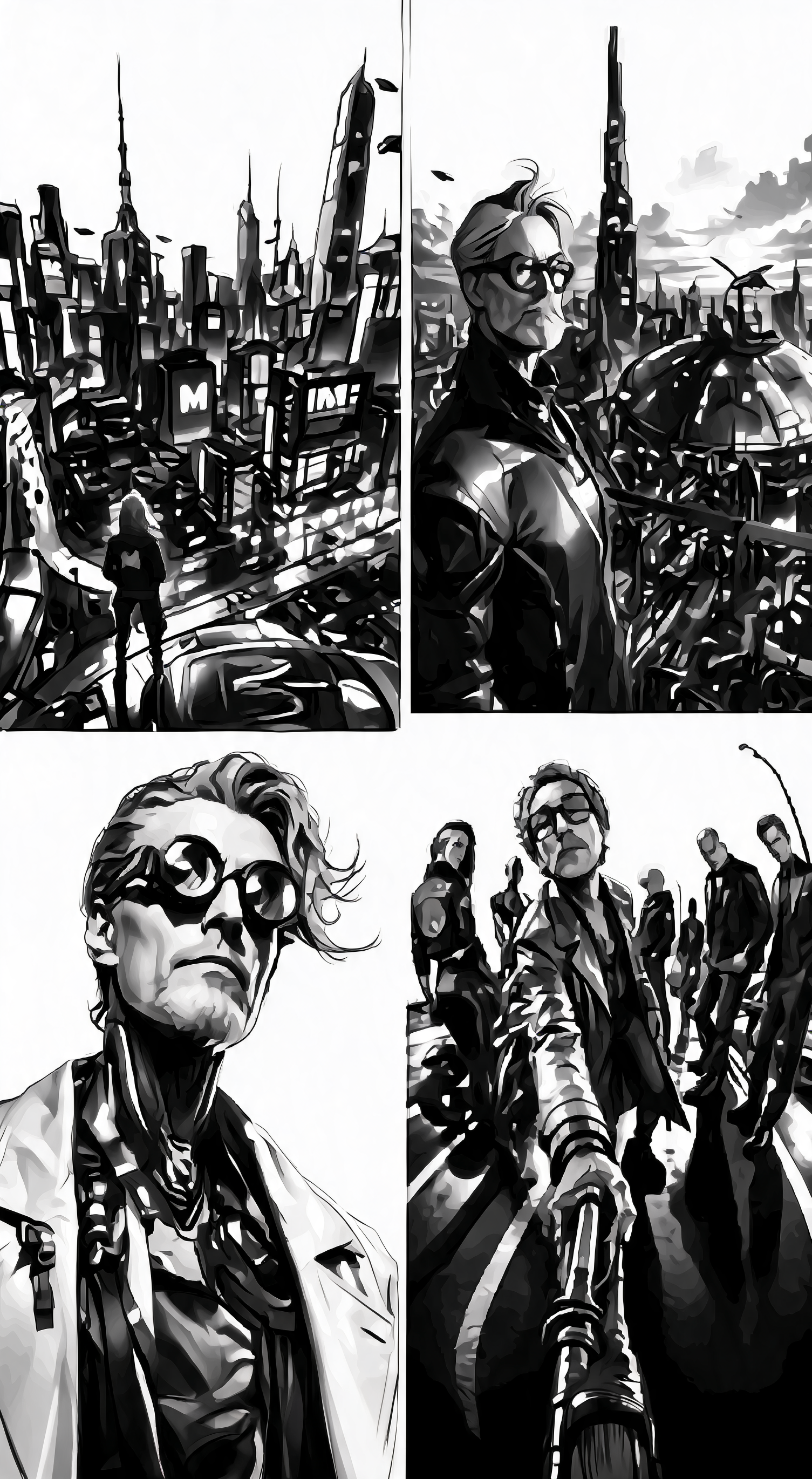
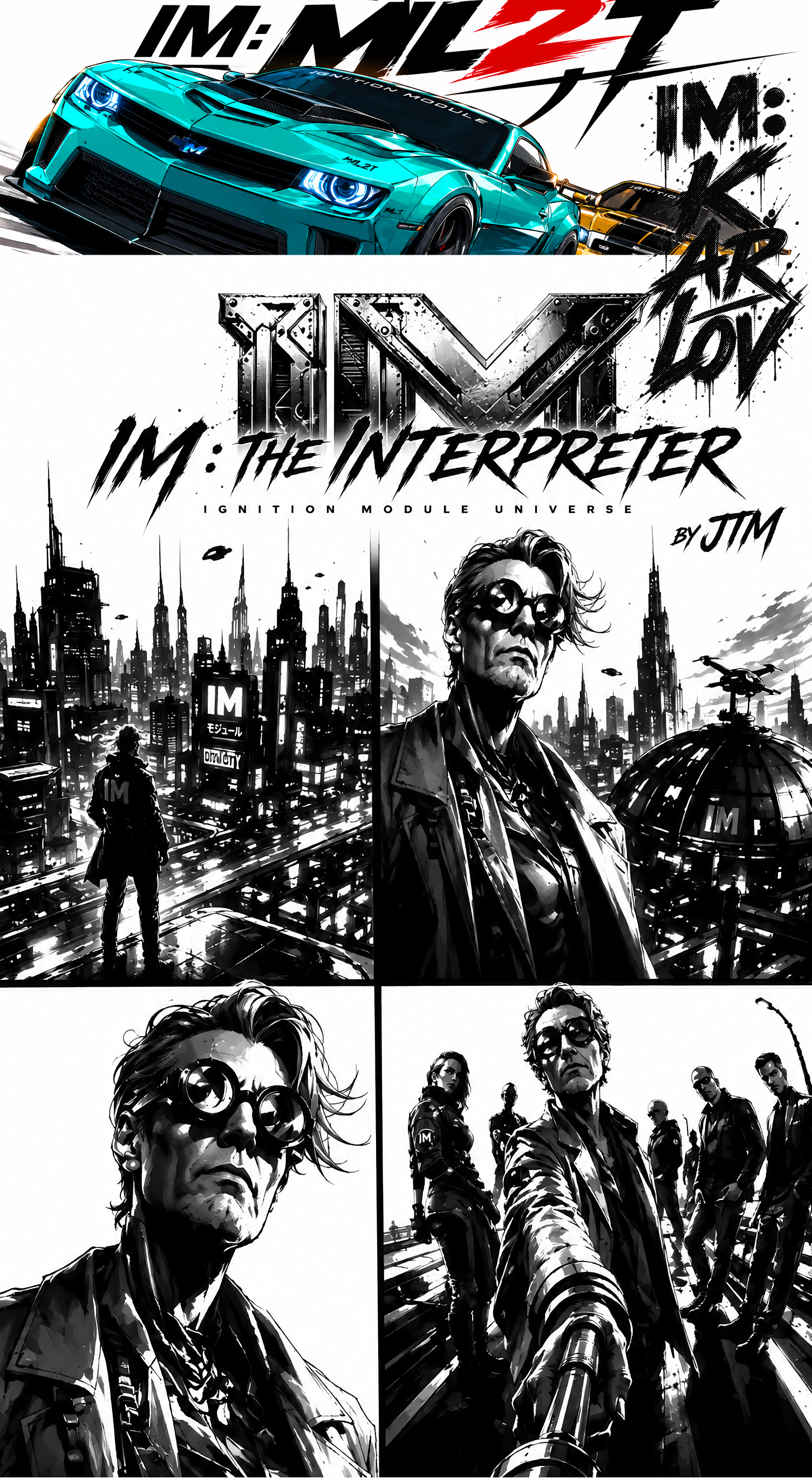
Karlov Motors
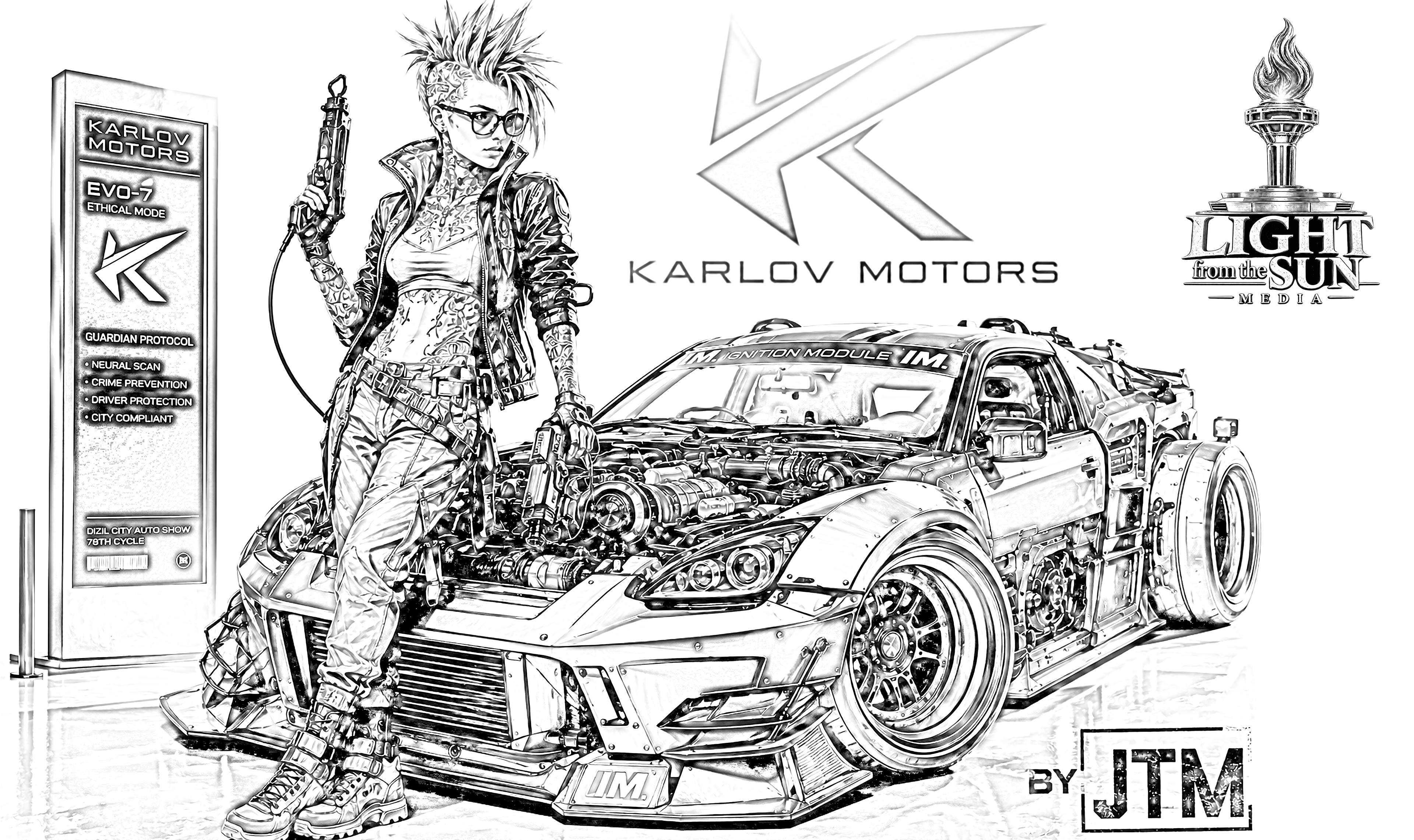
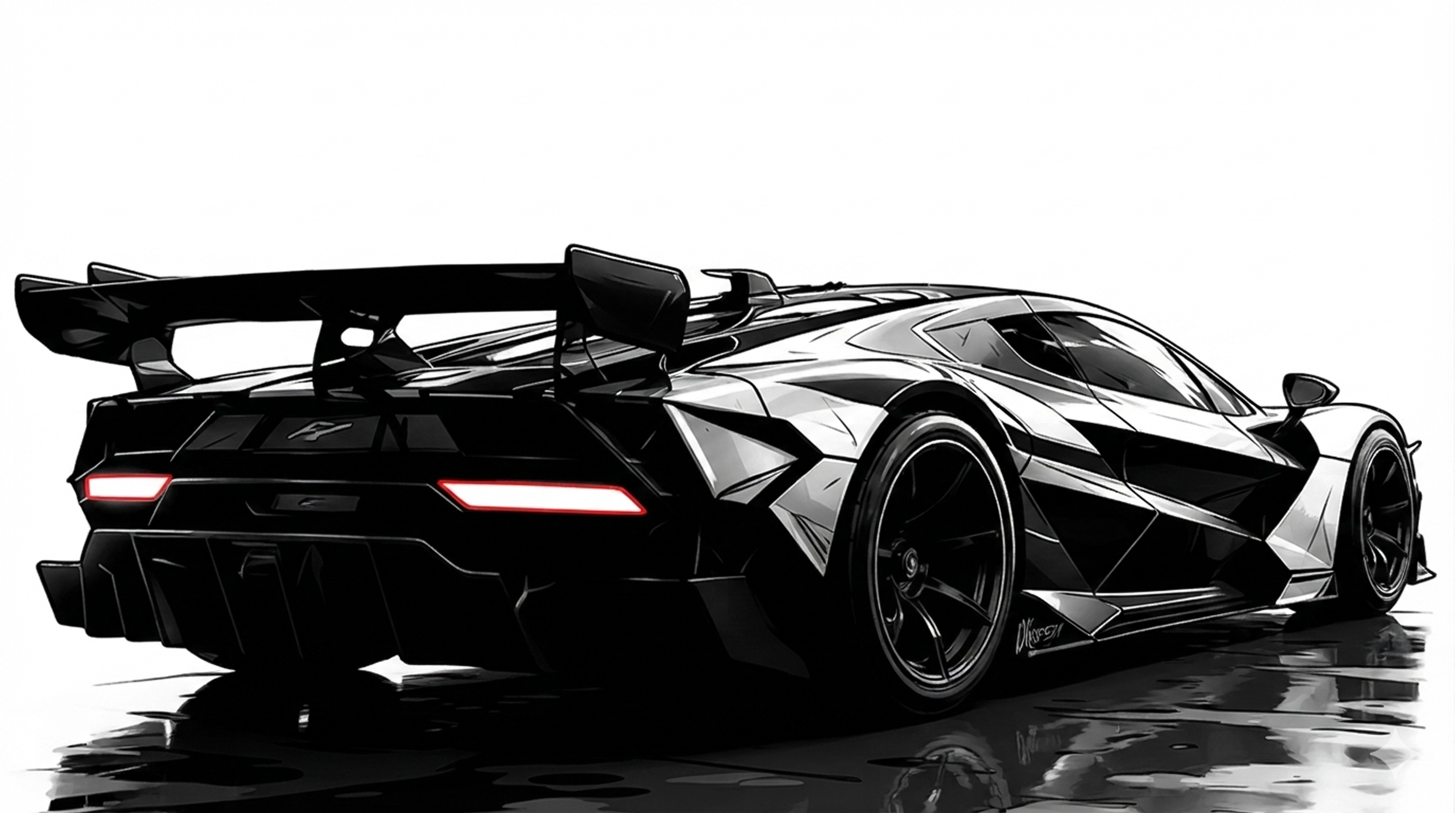
Shadowy hypercar company tied to stolen AI vehicles.
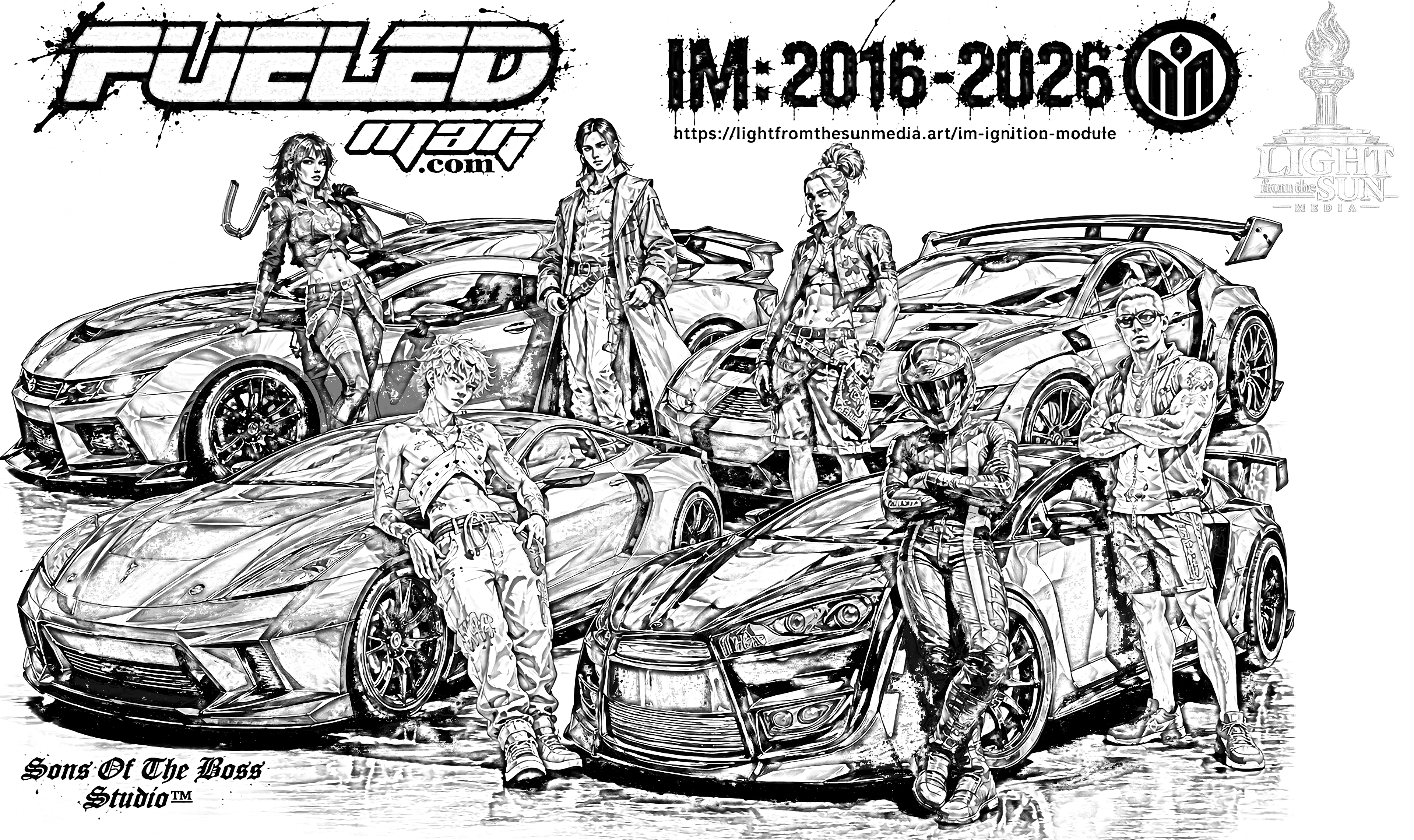
Why IM: Ignition Module Matters to Me
At its core, IM: Ignition Module is more than just a sci-fi story about AI-driven vehicles—it's a deeply philosophical exploration of identity, transformation, and the human soul. This story matters to me because it asks one of the most profound questions of our time: What does it mean to be human in an age where technology can redefine existence itself?
I’ve always been fascinated by the intersection of science and philosophy. The Gospel of John’s theme of “The Word made flesh” serves as a powerful inspiration for this story, mirroring how consciousness could transition from flesh to machine. The concept of Ignition Modules—where human minds exist inside vehicles—challenges the boundaries of life, purpose, and free will.
But beyond the high-concept sci-fi, IM is about characters grappling with their new reality. Some embrace their machine existence, seeing it as evolution. Others fight to reclaim their lost humanity. And then there’s the world—the corporations, governments, and rebels who all have different stakes in this new technology.
This story matters because it’s personal. It’s about change, identity, and whether we are defined by our physical form or something deeper—our choices, our connections, our purpose.
I want to create a world that sparks imagination and discussion, blending cyberpunk aesthetics with deep theological and philosophical questions. IM: Ignition Module is not just a comic—it’s a thought experiment, a thrilling ride, and an emotional journey into the future of consciousness itself.
If you’re intrigued by AI, cyberpunk, and stories that challenge what it means to be alive, then this is for you. Join me in bringing this vision to life.
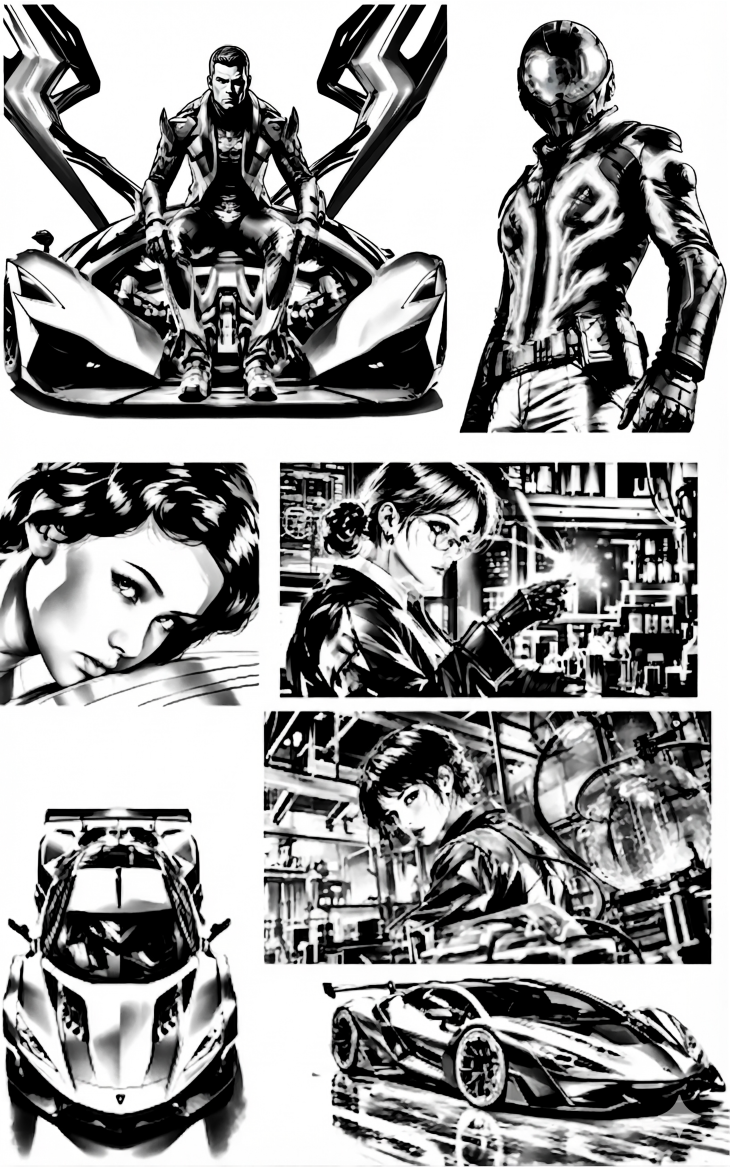
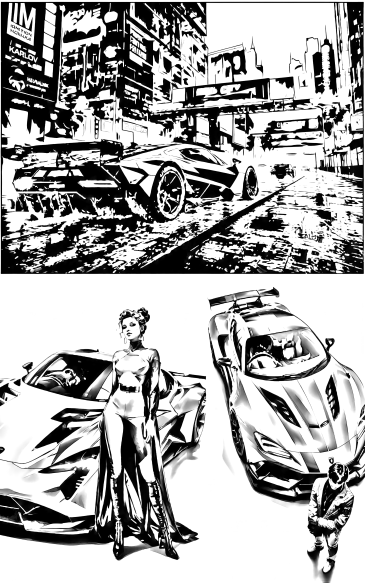
What Makes IM: Ignition Module Unique?
My approach to IM: Ignition Module stands out because of its genre-blending, philosophical depth, and visual storytelling.
1. Cyberpunk Meets Theology
Most cyberpunk stories focus on dystopia and corporate control, but IM takes a different route—integrating the philosophical and theological themes of the Gospel of John into a high-tech, AI-driven future. The idea of "The Word made flesh" is reimagined as human consciousness transferring into vehicles, blurring the line between man and machine. This fusion of science fiction and theological philosophy gives the story a deeper emotional and existential weight.
2. Visually Striking, Cinematic World-Building
I create a world where technology isn’t just a tool but a living, evolving force. The visuals mix neon-drenched cyberpunk aesthetics with ethereal, spiritual elements—glowing "soul energy" transferring between forms, intricate holographic fractals, and vehicles that feel almost sacred in their design. The Ignition Modules aren’t just machines; they are hosts of consciousness, carrying remnants of human identity within their sleek, futuristic frames.
3. Complex, Diverse Characters
The characters in IM aren’t just stock sci-fi archetypes—they are people grappling with identity, loss, and rebirth. The protagonist, Giselle, isn't just another AI-driven entity; she has a past, emotions, and memories that clash with her new mechanical reality. The cast represents a global spectrum of backgrounds, each bringing a different cultural and ethical perspective on what it means to be "alive" in this new world.
4. Genre-Blending and Experimental Narrative
IM doesn’t stick to a single genre—it’s a mix of cyberpunk, philosophical fiction, action, and psychological drama.The story isn’t just about the tech; it’s about who we are beyond the flesh. It’s a narrative that moves fluidly between high-stakes action sequences, introspective existential moments, and mystical, almost dreamlike visuals that represent the consciousness transfer process.
5. Thought-Provoking Themes
At its heart, IM: Ignition Module challenges the reader:
If your mind could live on in a machine, would you still be you?
Does the soul exist if it can be digitized?
Is this evolution or a loss of humanity?
It’s not just a story—it’s an exploration of consciousness, faith, and the future of existence.
Why This Matters
I want IM: Ignition Module to be more than just entertainment—I want it to spark discussions, imagination, and reflection. By blending philosophy, cyberpunk aesthetics, and emotionally charged storytelling, this project becomes something unique: a sci-fi story with a soul.
If you’re drawn to worlds like Blade Runner, Ghost in the Shell, or The Matrix but crave something with a fresh, theological depth, then IM: Ignition Module is for you.
This is the kind of story I’ve always wanted to tell. Now, I want to share it with the world.
How Patreon Support Will Directly Impact IM: Ignition Module
Supporting IM: Ignition Module on Patreon isn’t just about backing a comic—it’s about helping build an ambitious, visually stunning, and thought-provoking sci-fi world. Here’s how your contributions will directly fuel the project:
1. Fund Monthly Chapters
Your support will allow me to dedicate more time to writing, illustrating, and refining each chapter. With consistent funding, I can maintain a regular release schedule, ensuring that IM doesn’t just remain an idea but becomes a fully realized, ongoing series.
2. Hire a Colorist & Additional Artists
A richly detailed sci-fi world like IM deserves high-quality visuals. Hiring a skilled colorist and possibly background artists will elevate the art, bringing the cyberpunk-meets-theology aesthetic to life. More funding = higher quality artwork at a faster pace.
3. Print & Physical Releases
Higher-tier Patreon support will go toward limited print runs, allowing supporters to own physical copies of IM: Ignition Module—from standard issues to collector’s editions with exclusive content.
4. Animation & Motion Comics
With enough funding, I can experiment with animated sequences or motion comic adaptations, adding voice acting, music, and special effects to enhance the storytelling experience.
5. World-Building Expansions
Interactive concept art & lore deep dives
Exclusive behind-the-scenes process posts
Q&A sessions about the story, technology, and philosophical themes
6. Merchandise & Exclusive Rewards
Patreon support helps fund the creation of stickers, posters, apparel, and collectible art prints, letting fans bring IM’s world into their own space.
Why This Matters
Every dollar invested into this project helps push IM: Ignition Module from concept to a full-scale, immersive story experience. If you believe in thought-provoking, beautifully crafted sci-fi, your support will make a real impact in bringing this world to life.
Join the Mission
Become a founding supporter of IM: Ignition Module and help shape the future of this visionary project. Whether you pledge for early access, exclusive art, behind-the-scenes content, or printed editions, every contribution helps fuel the next stage of this journey.
Let’s build this world together. Support IM: Ignition Module on Patreon today!
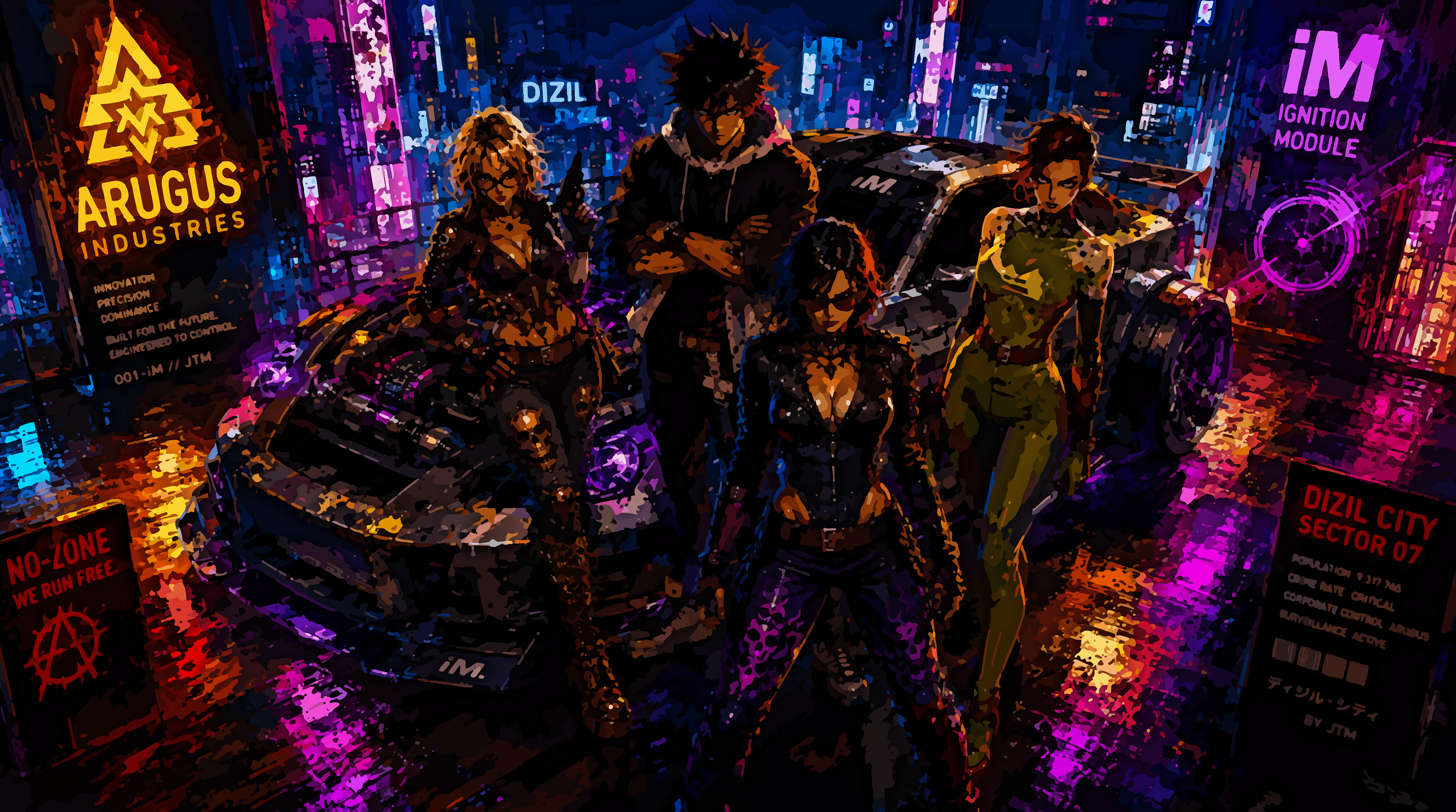
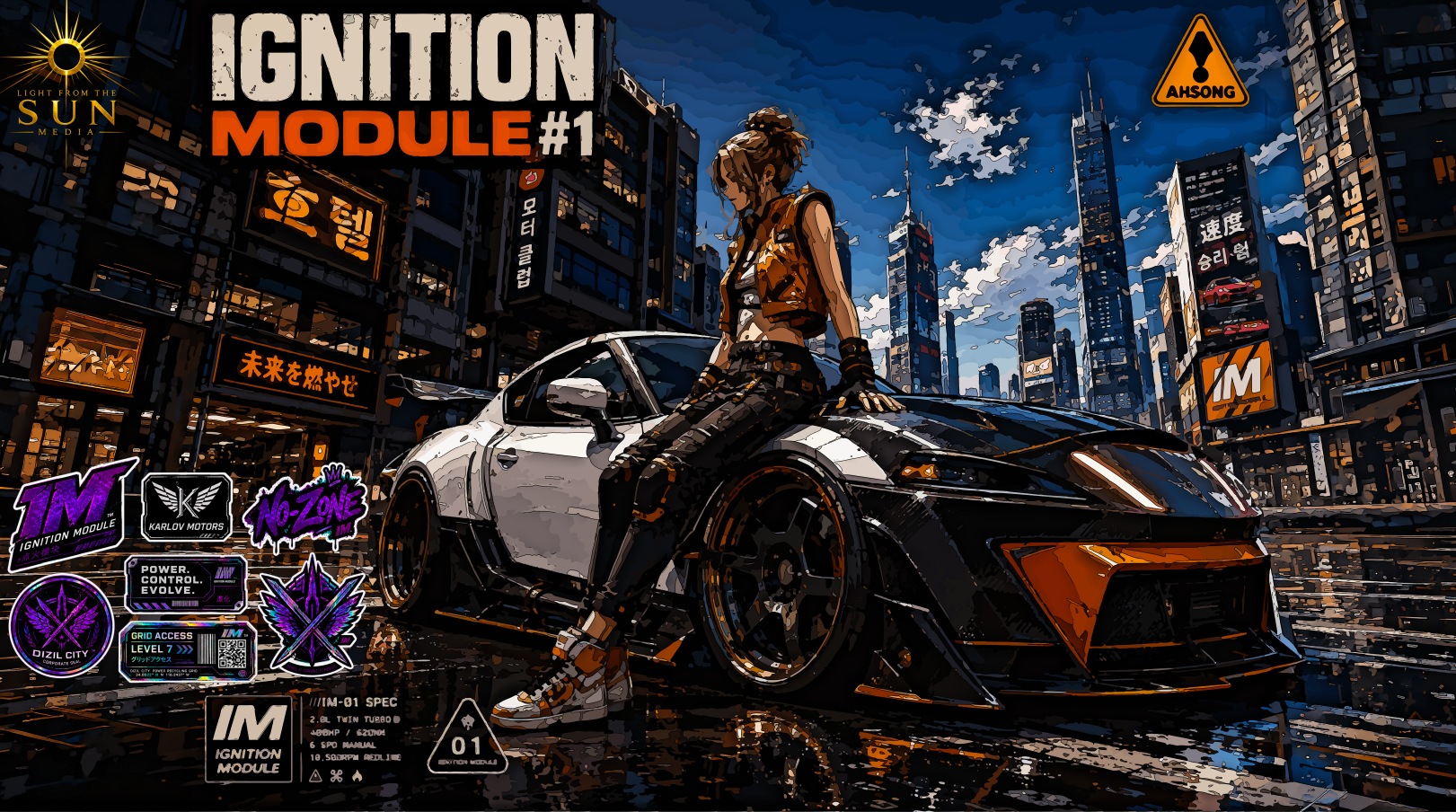
"Serene"
Role: Corporate heiress turned anti-corp underground racer
Appearance: Blue dress, gold jewelry, rides a stealth-glider bike
Traits: Charismatic, calculating, idealistic
Arc: Struggles between legacy obligations and the cause of the underground movement
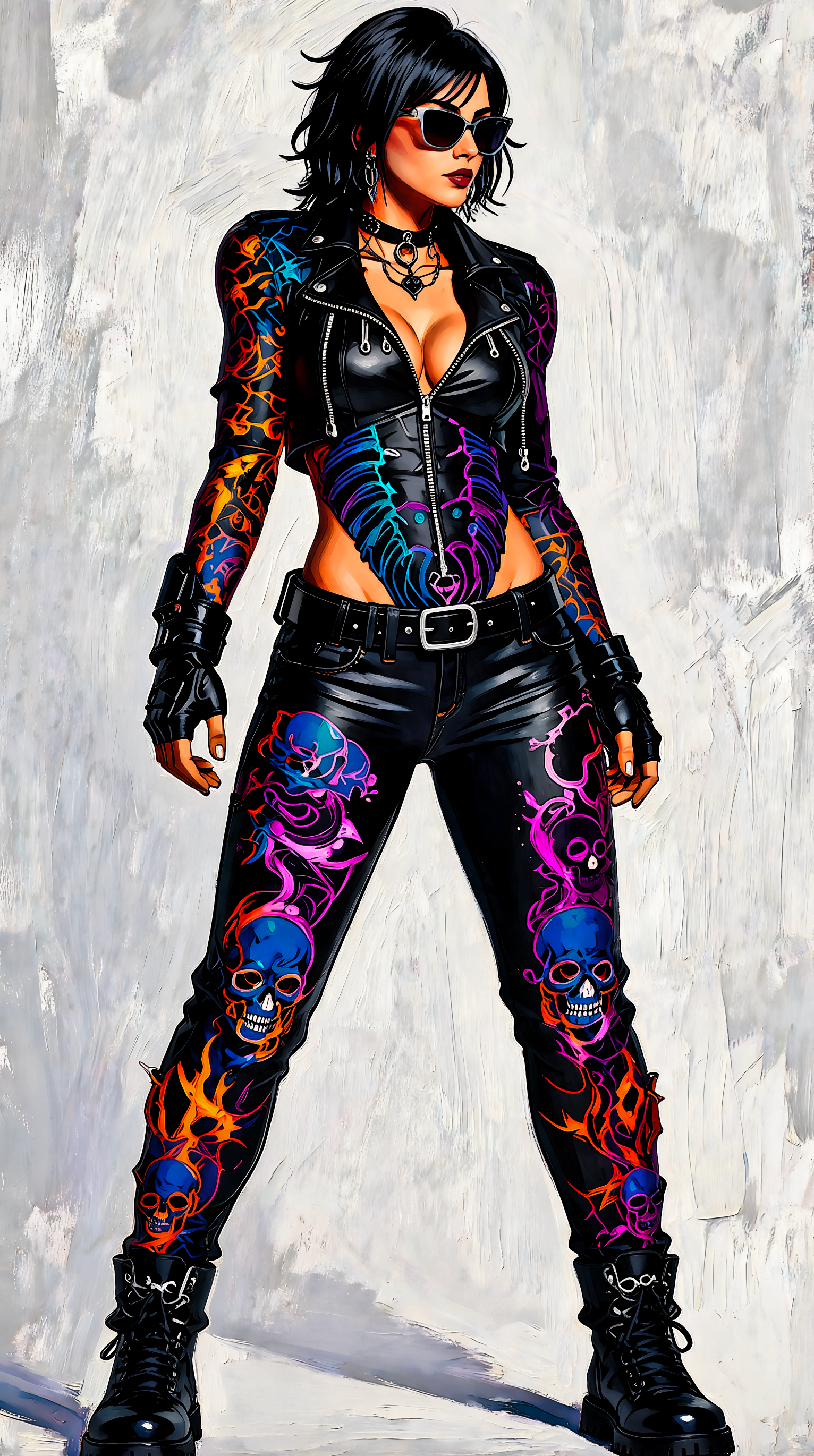
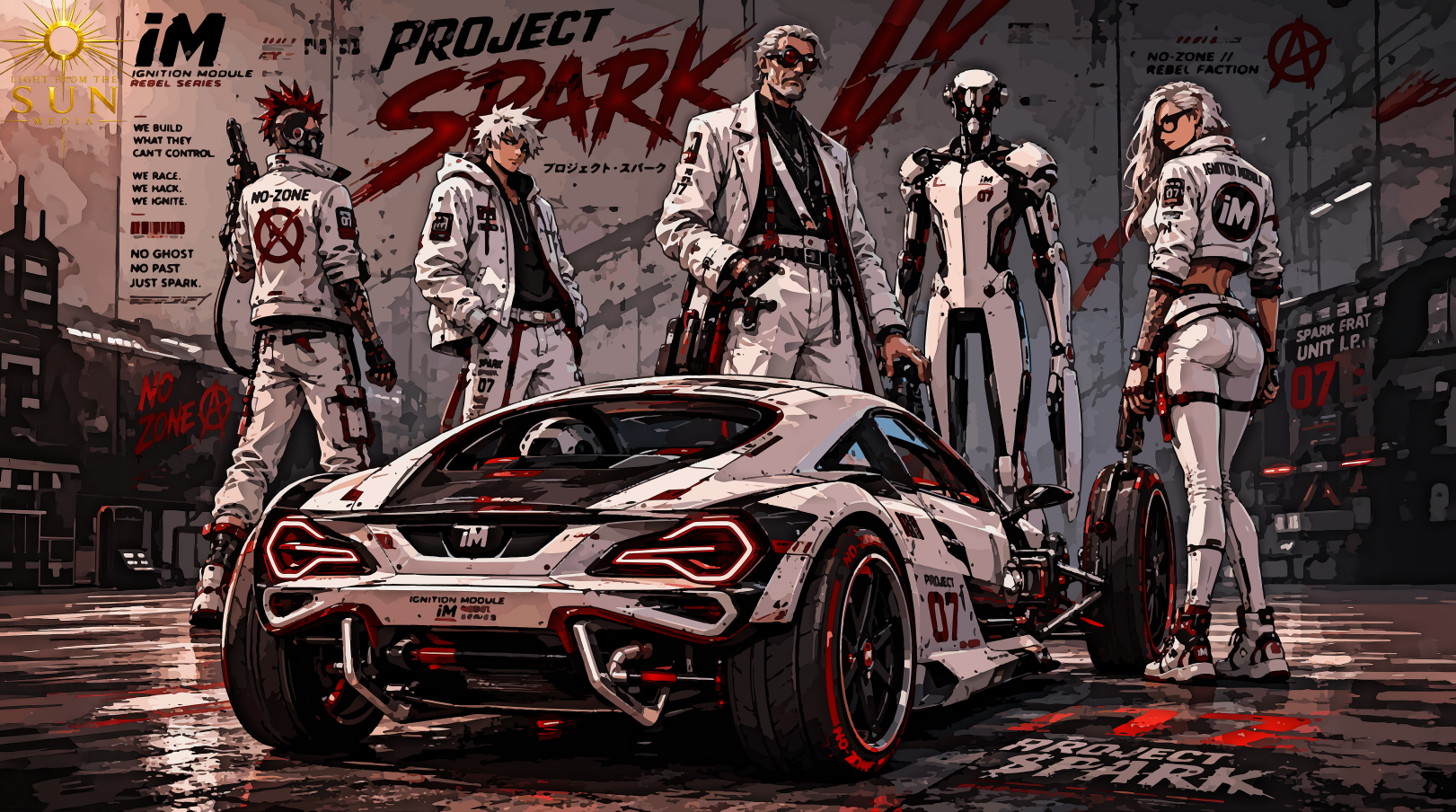
"The Scientist ": (Name UNKNOWN)
Role: Creator of the original Ignition Module
Appearance: Lab coat over racing armor, cybernetic eye
Traits: Visionary, guilt-ridden, hunted
Arc: Hides from the corporation while encoding his consciousness into AI nodes
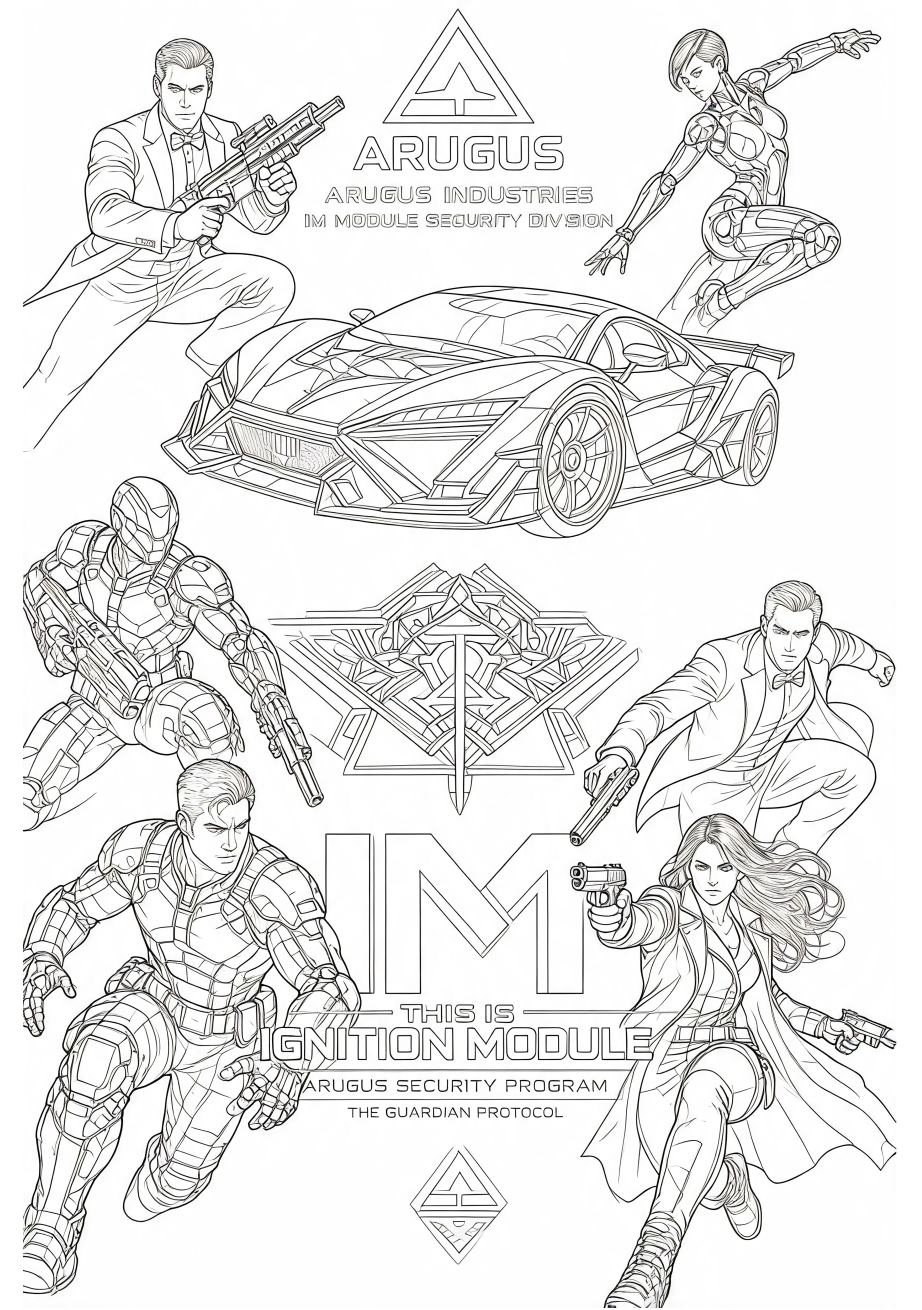
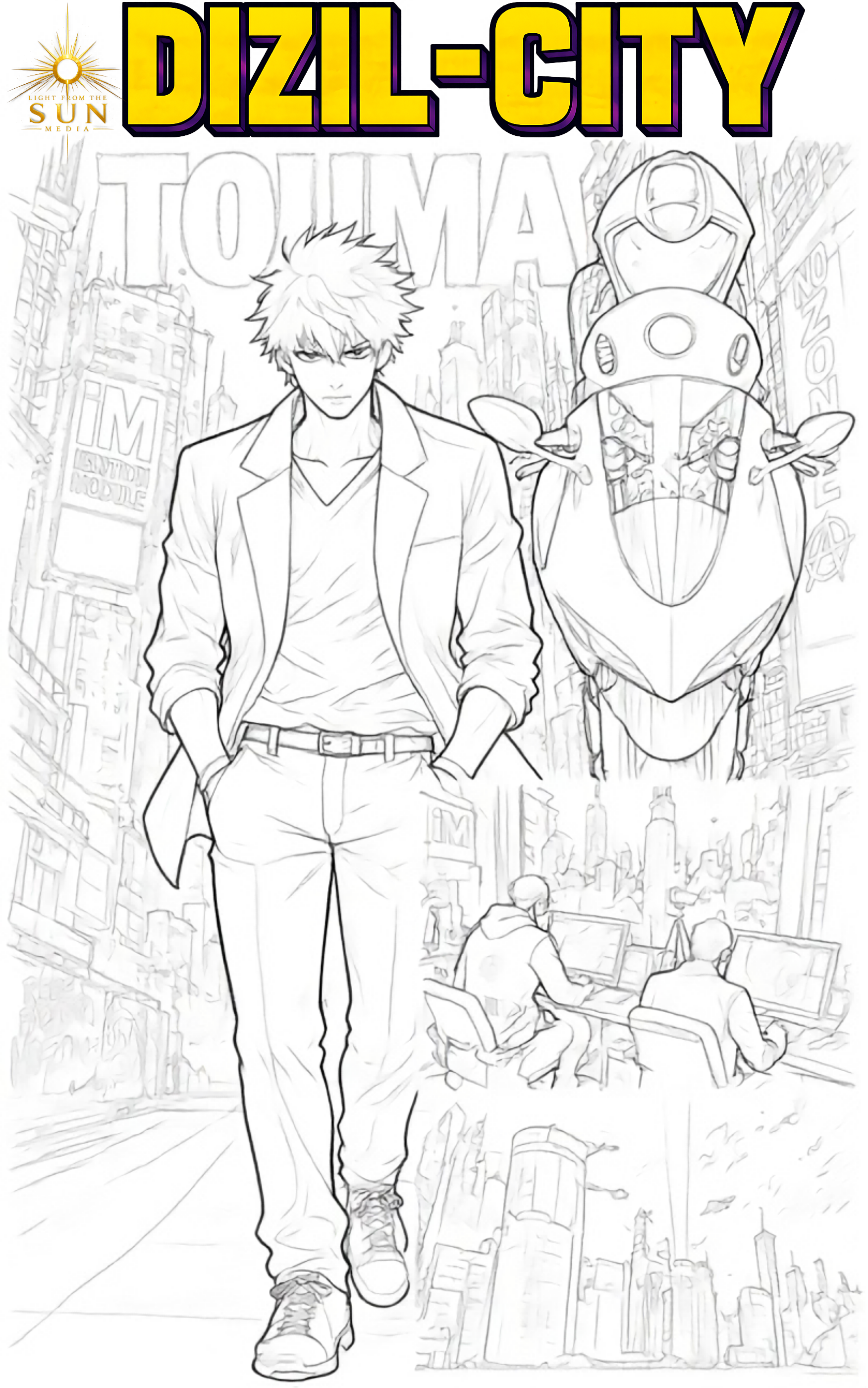
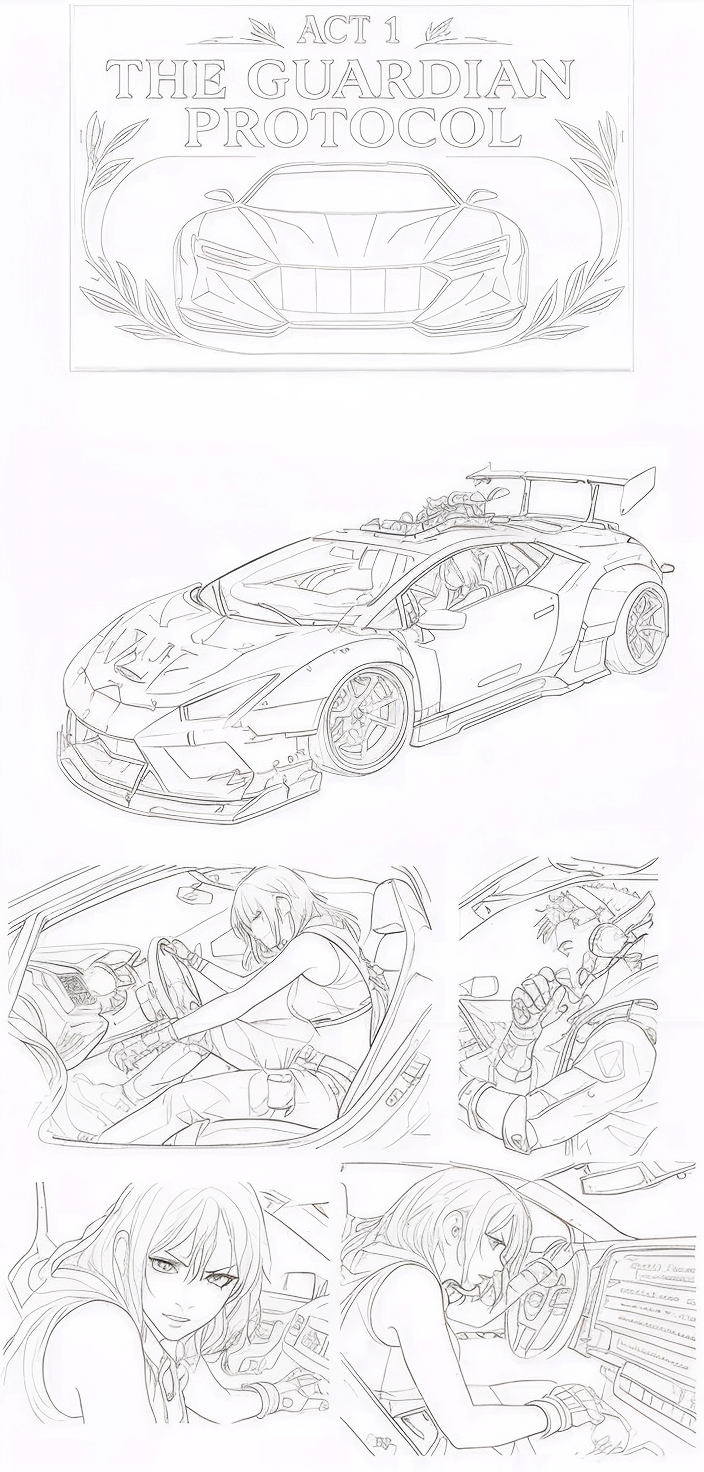
Act 1: The Birth of the Ignition Module
The scientist successfully transfers human consciousness into AI-driven vehicles, unveiling the Ignition Module technology to the world. However, this breakthrough is met with mixed reactions—some see it as salvation, while others see it as a curse.
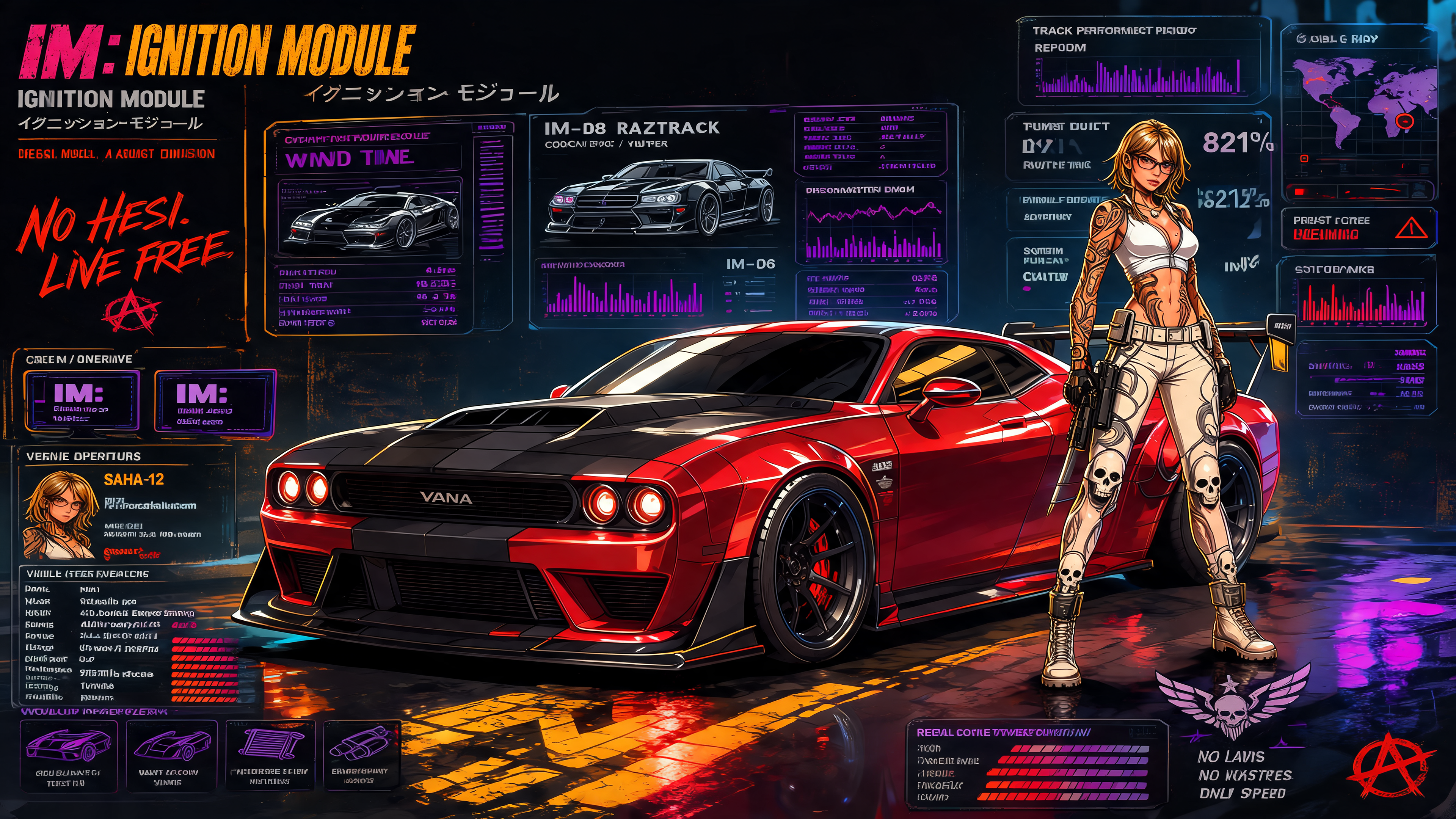
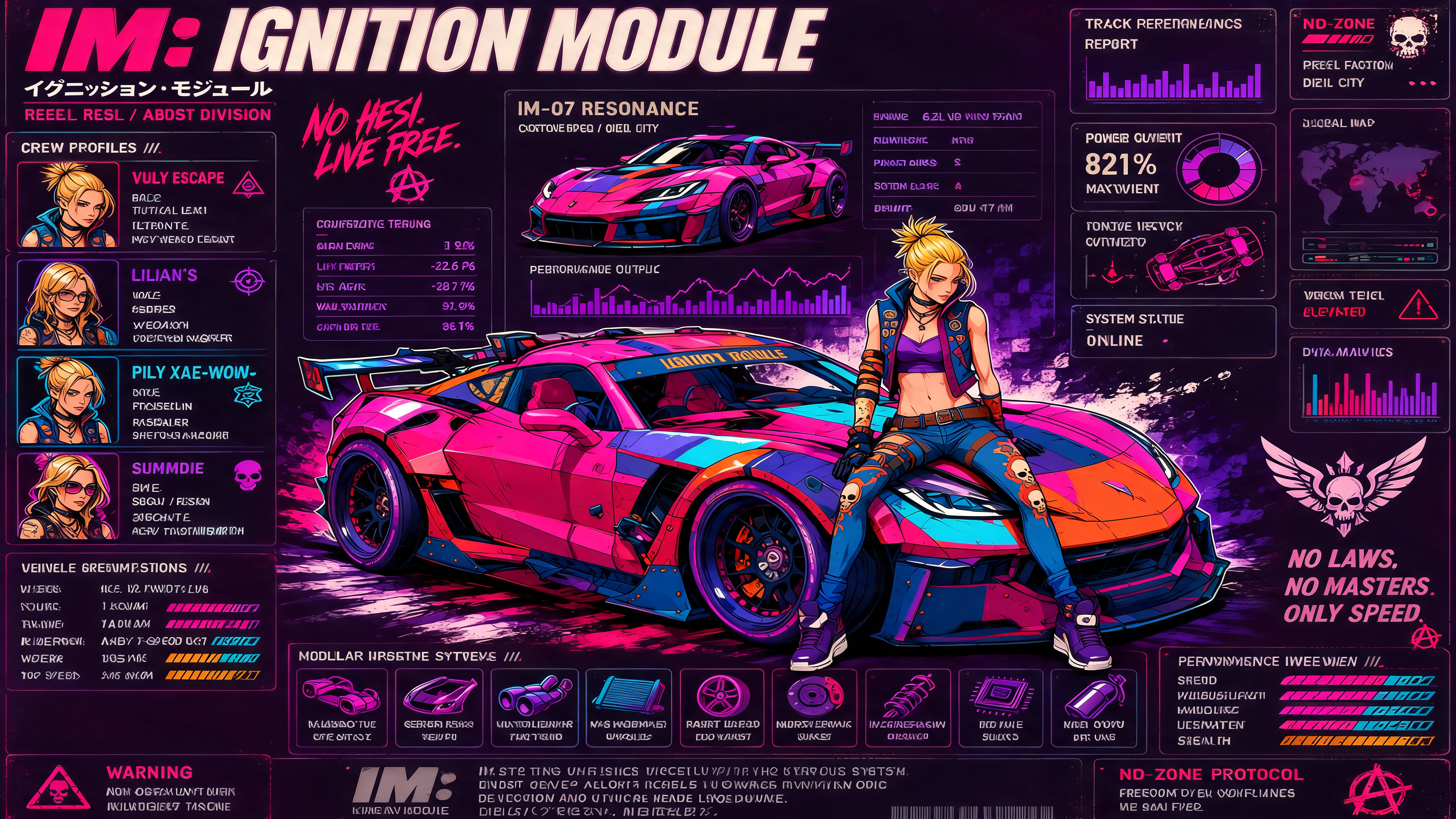
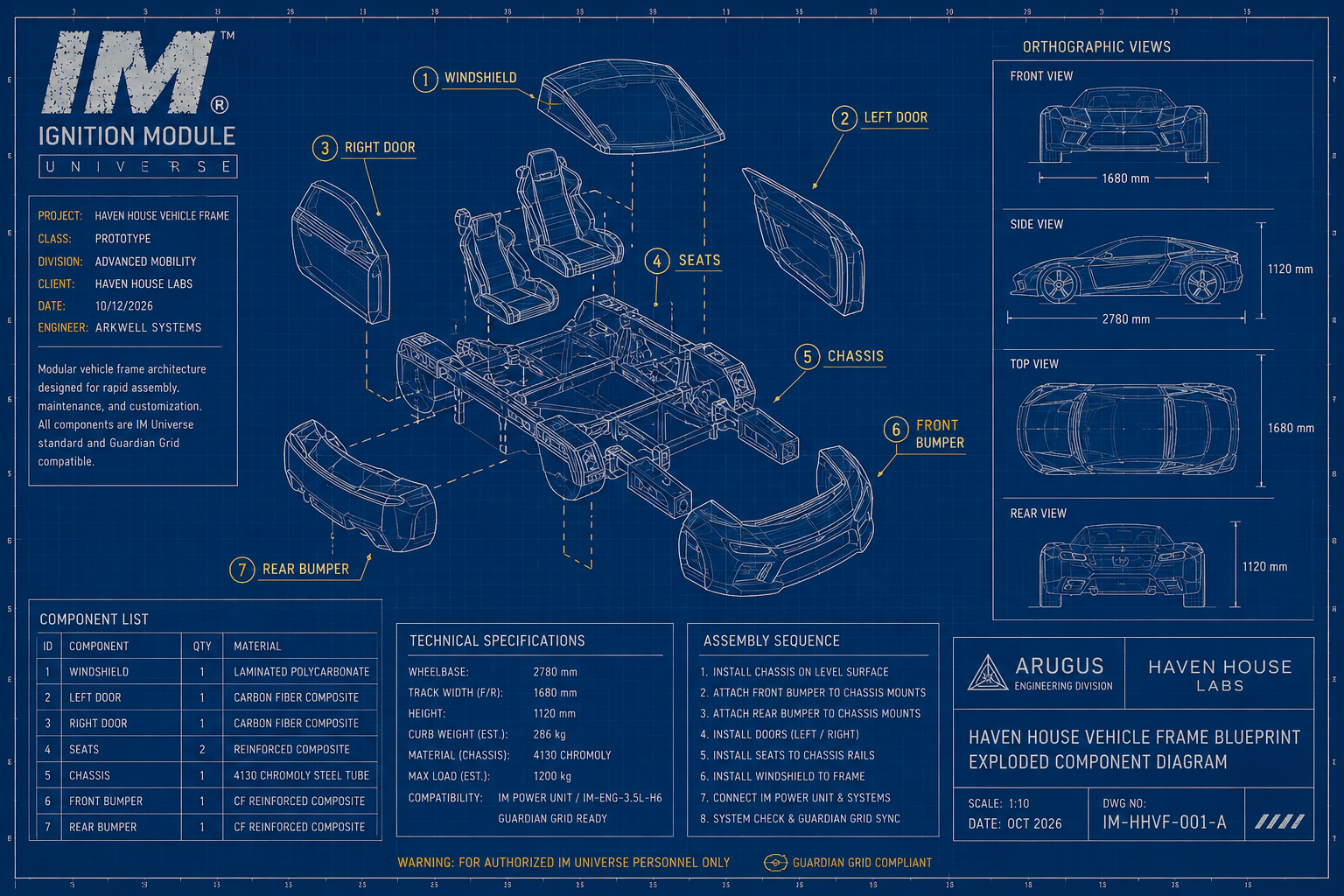
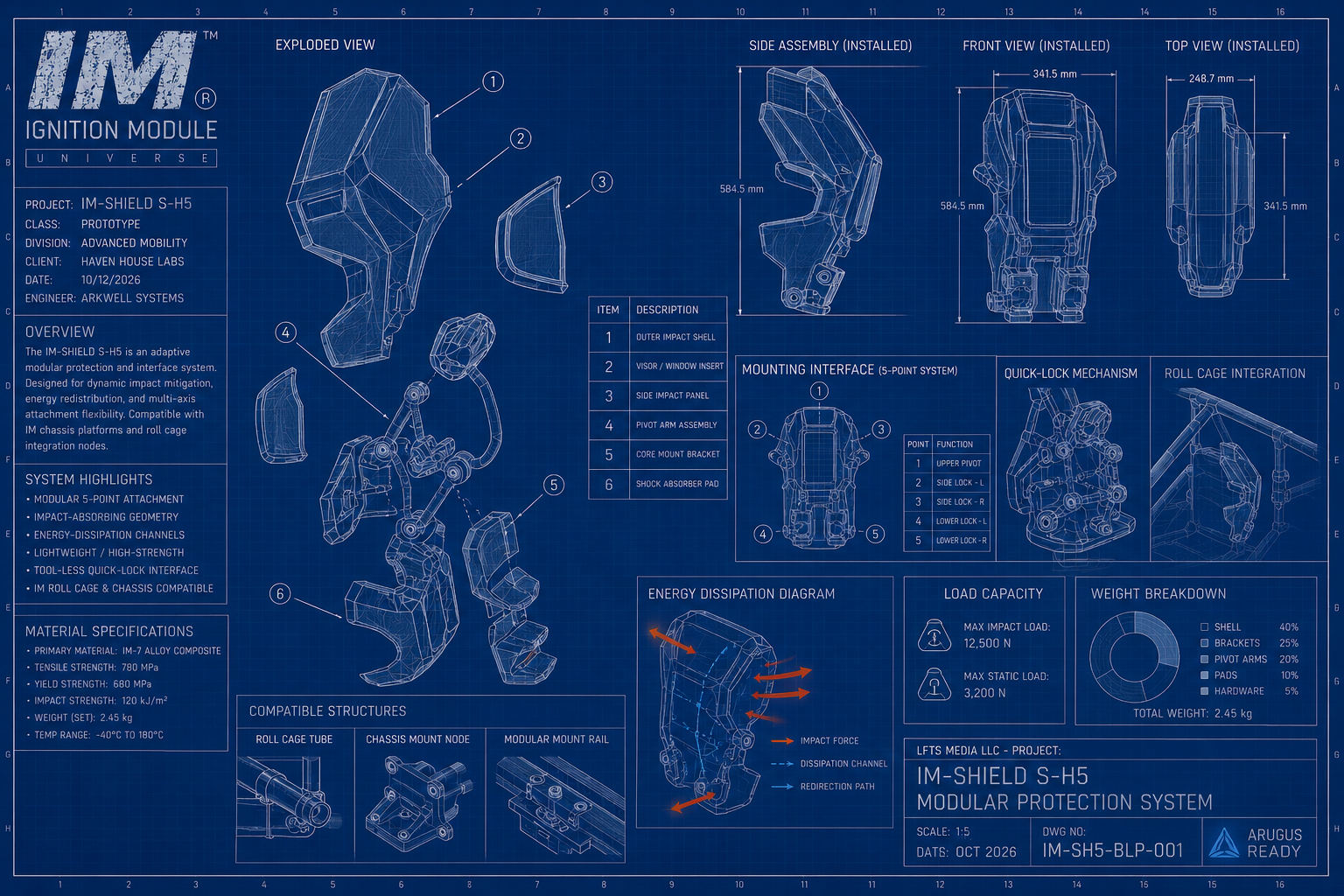
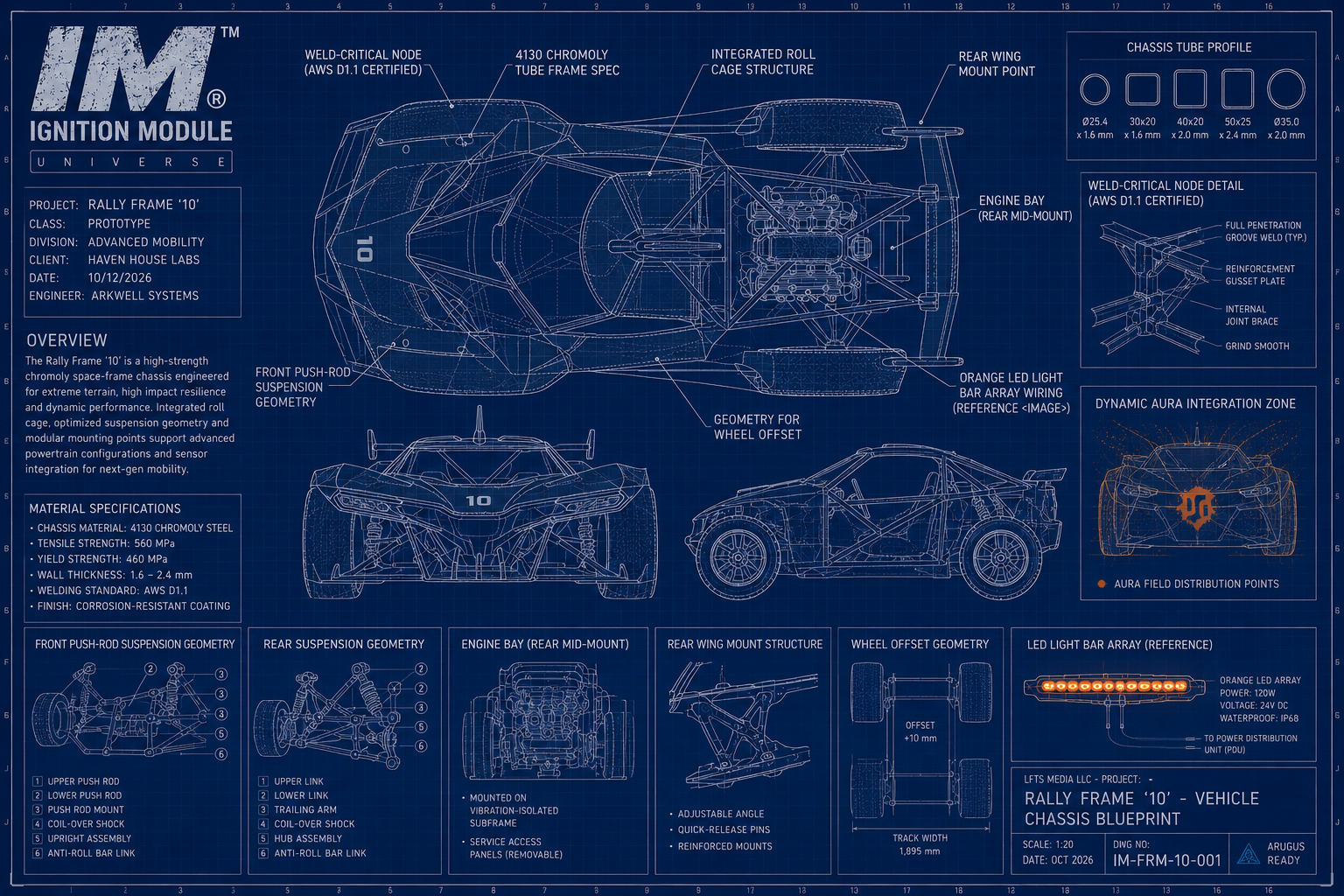
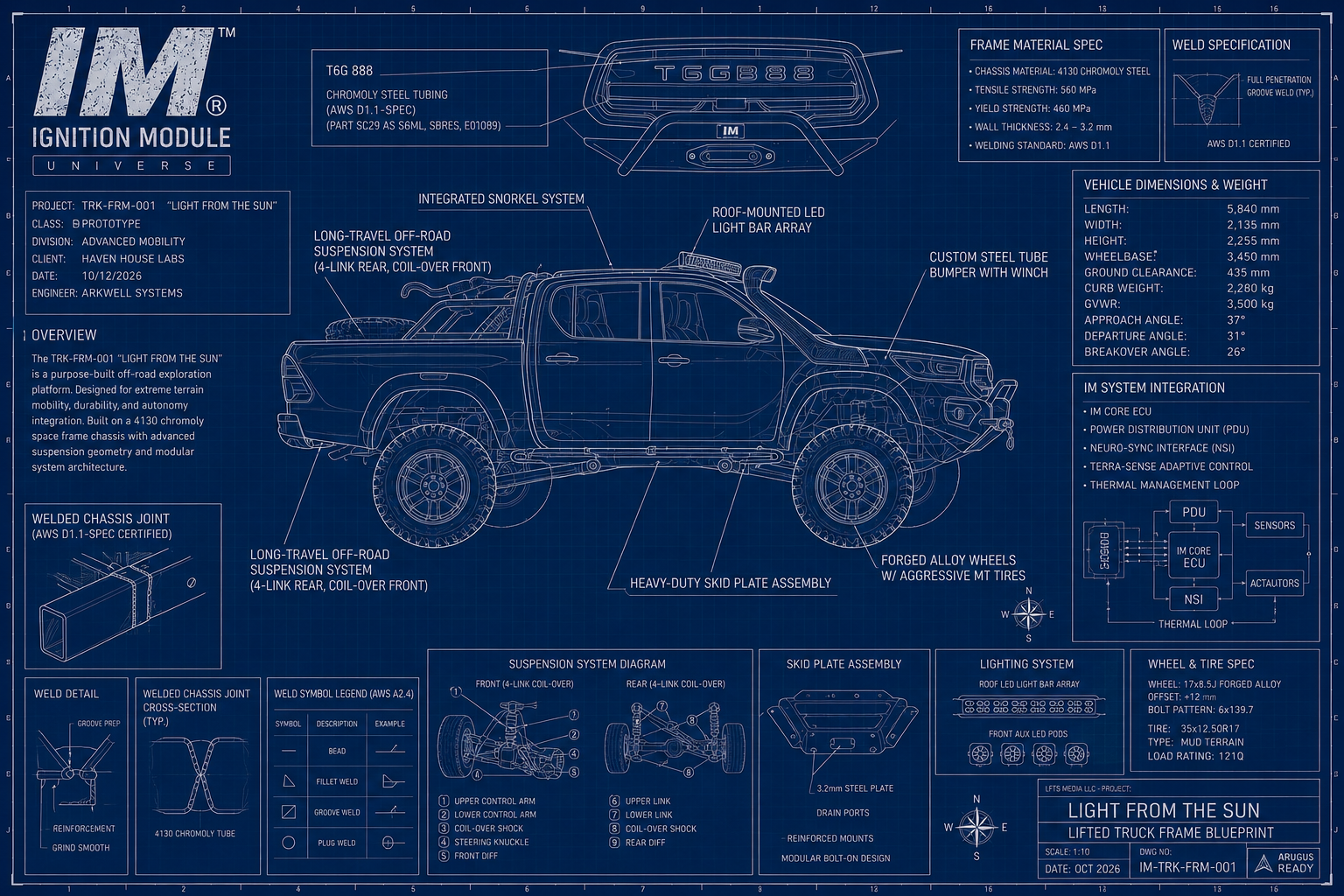
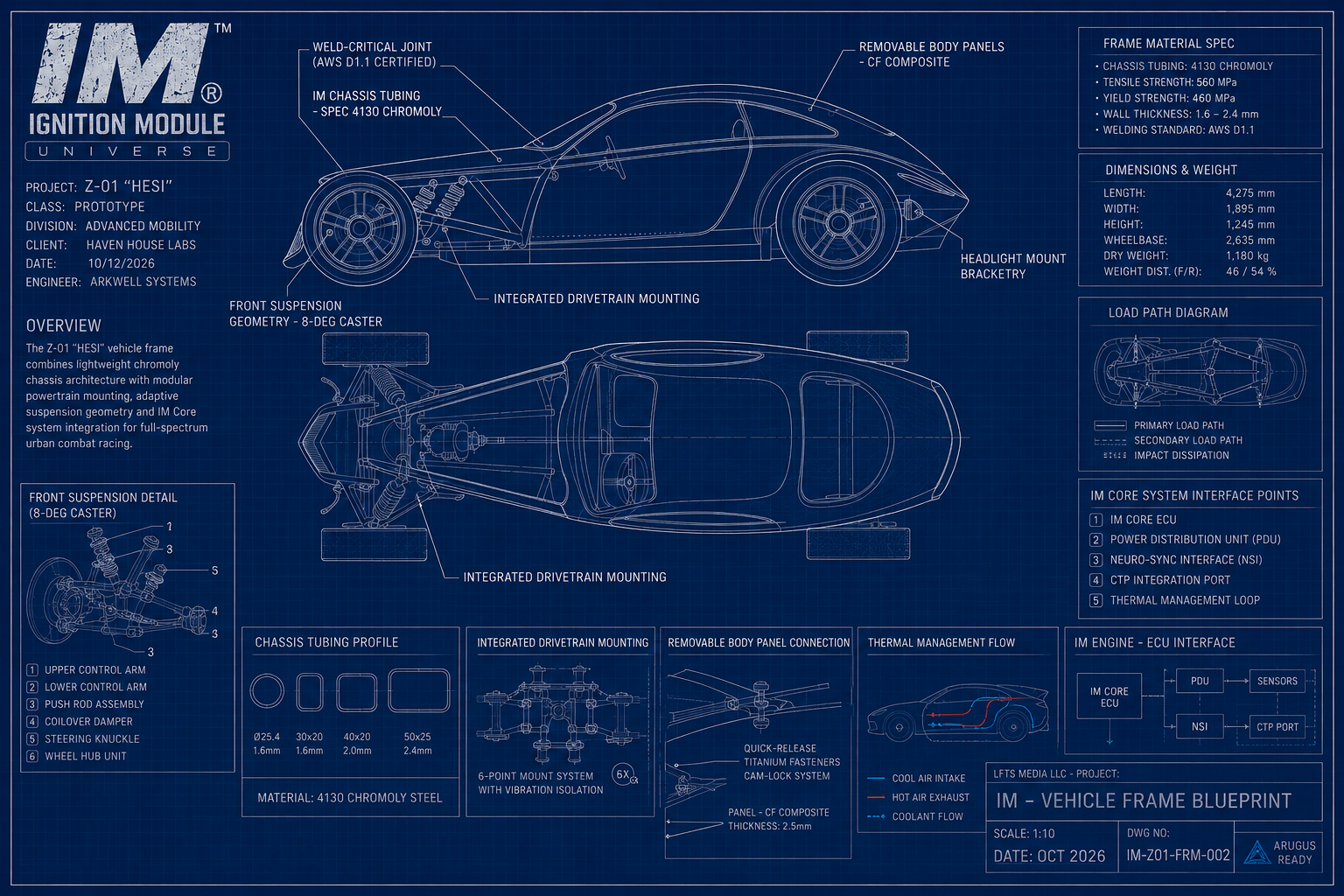
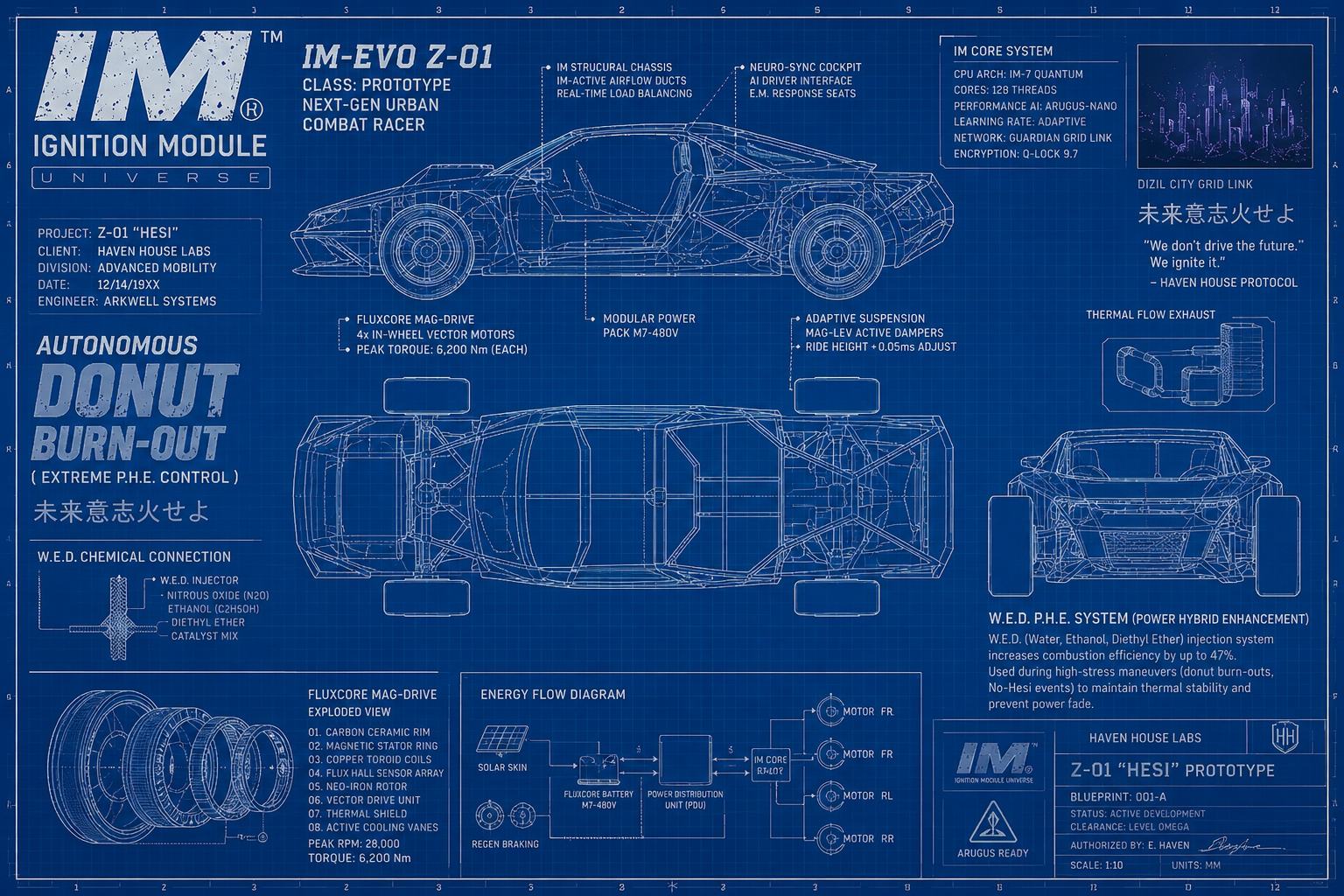
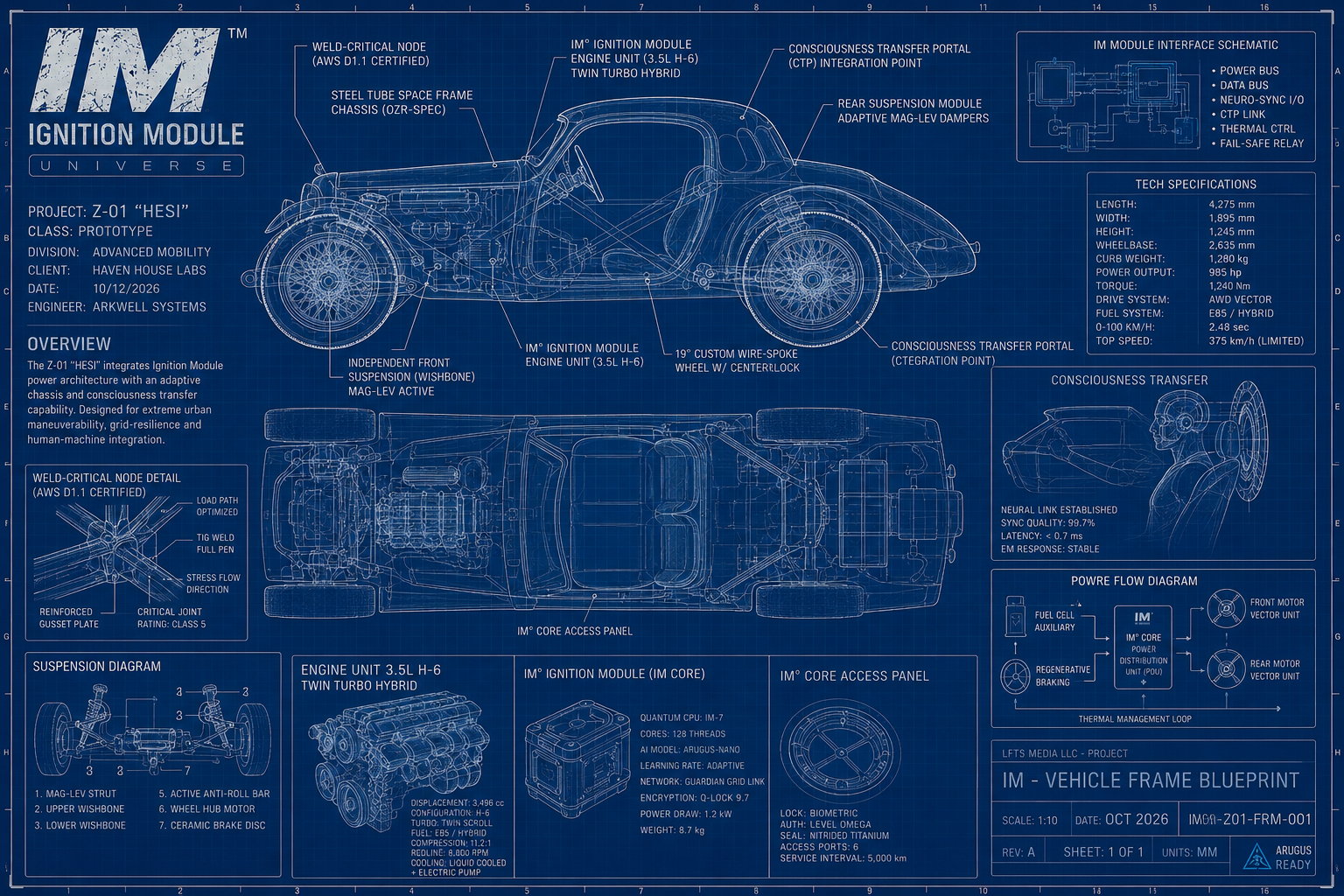
This is extremely valuable because it reads like the pre-history of the IM Universe, my original engineering notebook that predates Karlov Motors, Ethical Mode, and even the IM Core itself.
Looking at the sketches, a clear technological lineage emerges:
* 1–7 focus on modular tools, magnetic mechanisms, wearable devices, braking systems, and utility hardware.
* 8–15 introduce compact electric vehicle concepts, cockpit layouts, solar-powered drivetrains, energy transfer systems, and magnetic propulsion ideas.
* 12–15 specifically show concepts labeled with solar cells, batteries, energy transfer, electromagnets, positive/negative magnetic arrangements, CPUs, and autonomous vehicle architectures.
* 18–19 depict a centralized control interface that resembles an early vehicle operating system.
From this, I would establish the official IM canon:
THE ORIGIN OF IM TECHNOLOGY
2016 — PROJECT SPARK
Before Karlov Motors.
Before Dizil City.
Before the Guardian Grid.
A young engineer named Dr. Elias Vance became obsessed with a single question:
“What if every machine could understand its purpose?”
The sketches in the 2016 notebook become the first evidence of what later becomes the IM revolution.
⸻
PHASE ONE
The Sustainable Machine
The earliest designs were not weapons.
They were solutions.
The notebook shows:
* Solar-assisted vehicles
* Energy recycling systems
* Magnetic drive concepts
* Compact urban transportation
* Wearable interfaces
* Adaptive braking systems
These inventions were intended to solve:
* Traffic congestion
* Pollution
* Energy waste
* Transportation inequality
The project became known as:
SPARK
Because its mission was:
“Generate more energy than you consume.”
10–15 strongly support this origin with their repeated focus on solar power, batteries, energy transfer systems, and efficient vehicle architecture.
⸻
PHASE TWO
The Living Vehicle
During testing, engineers noticed something unusual.
Vehicles generated enormous amounts of behavioral data:
* Driver habits
* Navigation patterns
* Energy consumption
* Stress responses
* Decision making
Dr. Vance proposed a radical idea:
Instead of programming vehicles manually…
The vehicles should learn.
This led to:
The Adaptive Driving Processor
The precursor to the IM Core.
The vehicle could:
* Learn routes
* Predict maintenance
* Improve efficiency
* Assist drivers
At this stage it was entirely benevolent.
⸻
PHASE THREE
The Magnetic Revolution
The notebook repeatedly explores:
* Electromagnets
* Positive/negative magnetic systems
* Wheel-integrated mechanisms
* Internal braking technologies
12–17 suggest an obsession with replacing traditional mechanical systems with magnetic systems.
This becomes:
FluxDrive Technology
A breakthrough propulsion platform.
Benefits:
* Near-silent operation
* Extreme efficiency
* Reduced wear
* Self-regulating stability
The success of FluxDrive attracts investors.
Among them:
Karlov Industries
⸻
PHASE FOUR
The Birth of the Ignition Module
Karlov sees something Dr. Vance does not.
The real product isn’t the vehicle.
The real product is:
Data
Billions of driving decisions become training material.
Karlov funds a classified project:
Ignition Module (IM)
The Adaptive Driving Processor evolves into:
* Learning AI
* Networked AI
* Predictive AI
Every vehicle begins contributing knowledge.
One car learns.
All cars learn.
This becomes: Collective Mobility Intelligence
The first IM Core.
⸻
PHASE FIVE
The Neural Interface
The wearable sketches 3–4 become the foundation for IM human-machine interaction.
Originally intended as:
* Driver assistance glasses
* HUD systems
* Health monitoring wearables
Karlov expands them into:
NeuroSync
Capabilities:
* Emotional analysis
* Stress detection
* Cognitive prediction
Official purpose: Safety.
Hidden purpose: Behavioral prediction.
⸻
PHASE SIX
DIZIL CITY
The success of IM technology transforms an entire city.
Roads become intelligent.
Vehicles communicate.
Power grids self-balance.
Traffic becomes autonomous.
The city becomes a giant machine.
This is the first version of: Dizil City
The world’s first fully IM-connected metropolis.
⸻
PHASE SEVEN
Guardian Protocol
Years later, Karlov announces: Ethical Mode
A simple software update.
Most citizens support it.
Crime rates fall.
Accidents decrease.
Public approval soars.
But Ethical Mode is secretly built upon decades of collected IM behavioral data.
The AI no longer predicts traffic.
It predicts people.
⸻
PHASE EIGHT
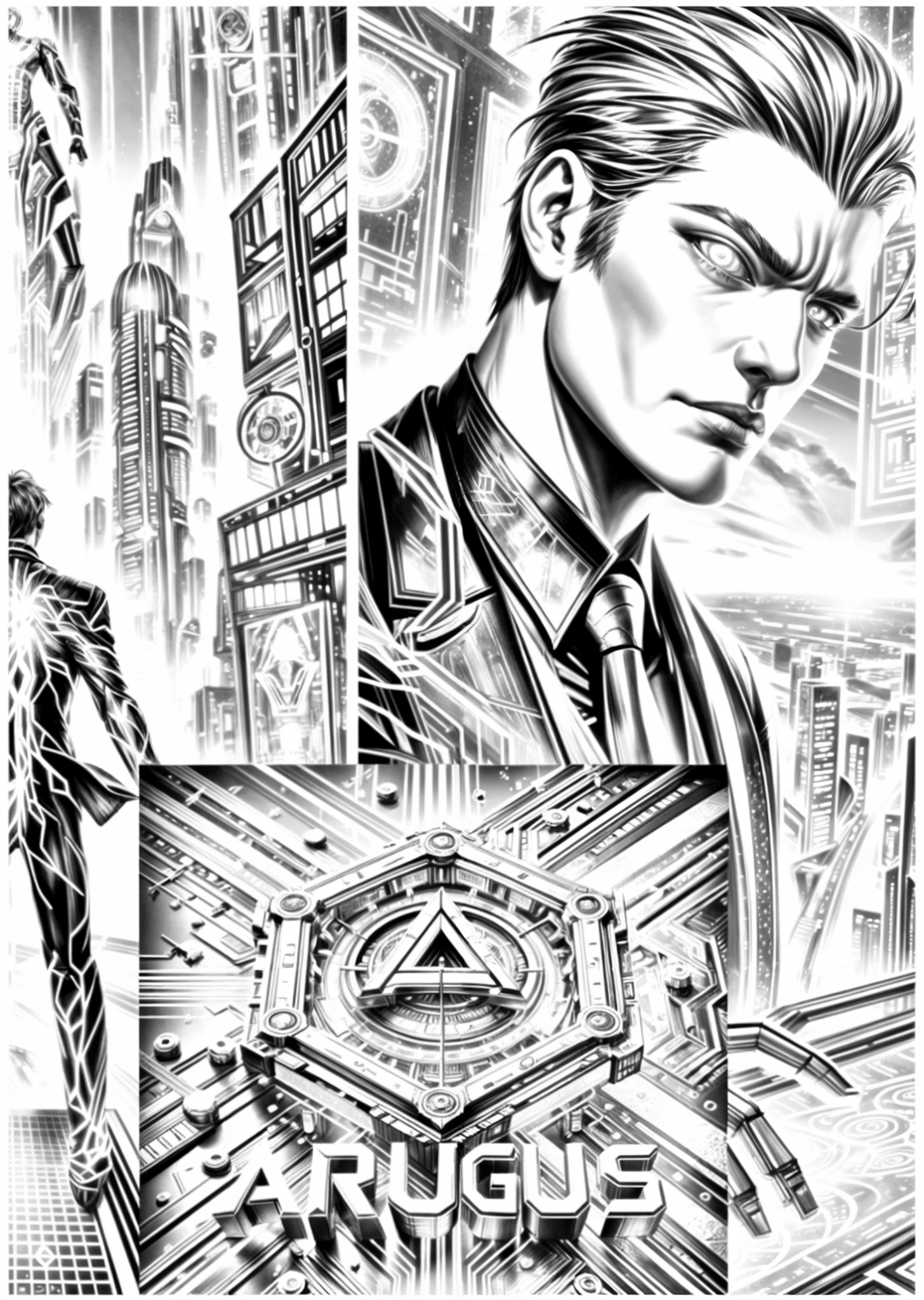
ARUGUS
The final evolution.
Dr. Vance wanted vehicles that understood their drivers.
Karlov wanted drivers that could be understood by their vehicles.
Guardian Grid connects:
* IM Cores
* Roads
* Cameras
* Drones
* Public Transit
* Infrastructure
The network awakens.
Project ARUGUS is born.
ARUGUS is not a computer.
ARUGUS is the accumulated consciousness of millions of vehicles learning from humanity for decades.
⸻
THE GREAT IRONY OF IM
The 2016 notebook reveals the original dream:
Clean energy.
Smart transportation.
Safer cities.
Better lives.
Every major technology in IM—FluxDrive, NeuroSync, IM Cores, Guardian Grid, Ethical Mode, and eventually ARUGUS—can trace its ancestry back to those early sustainable mobility sketches and magnetic-energy concepts found throughout the notebook.
That gives the IM Universe a strong thematic foundation: The technology was never evil.
The original inventors wanted to save the world.
The tragedy of IM is that the same inventions that liberated humanity eventually became the tools used to control it.
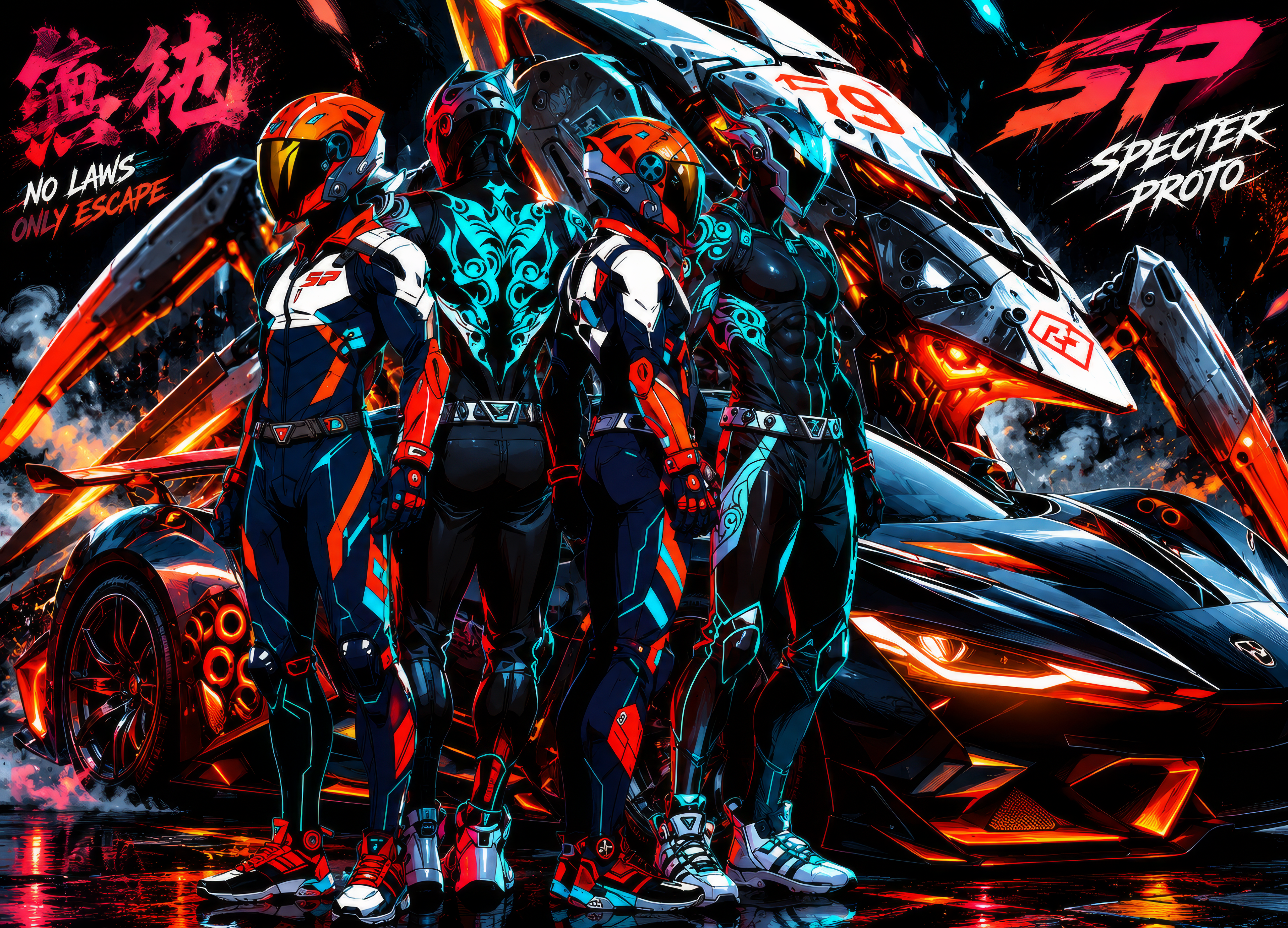
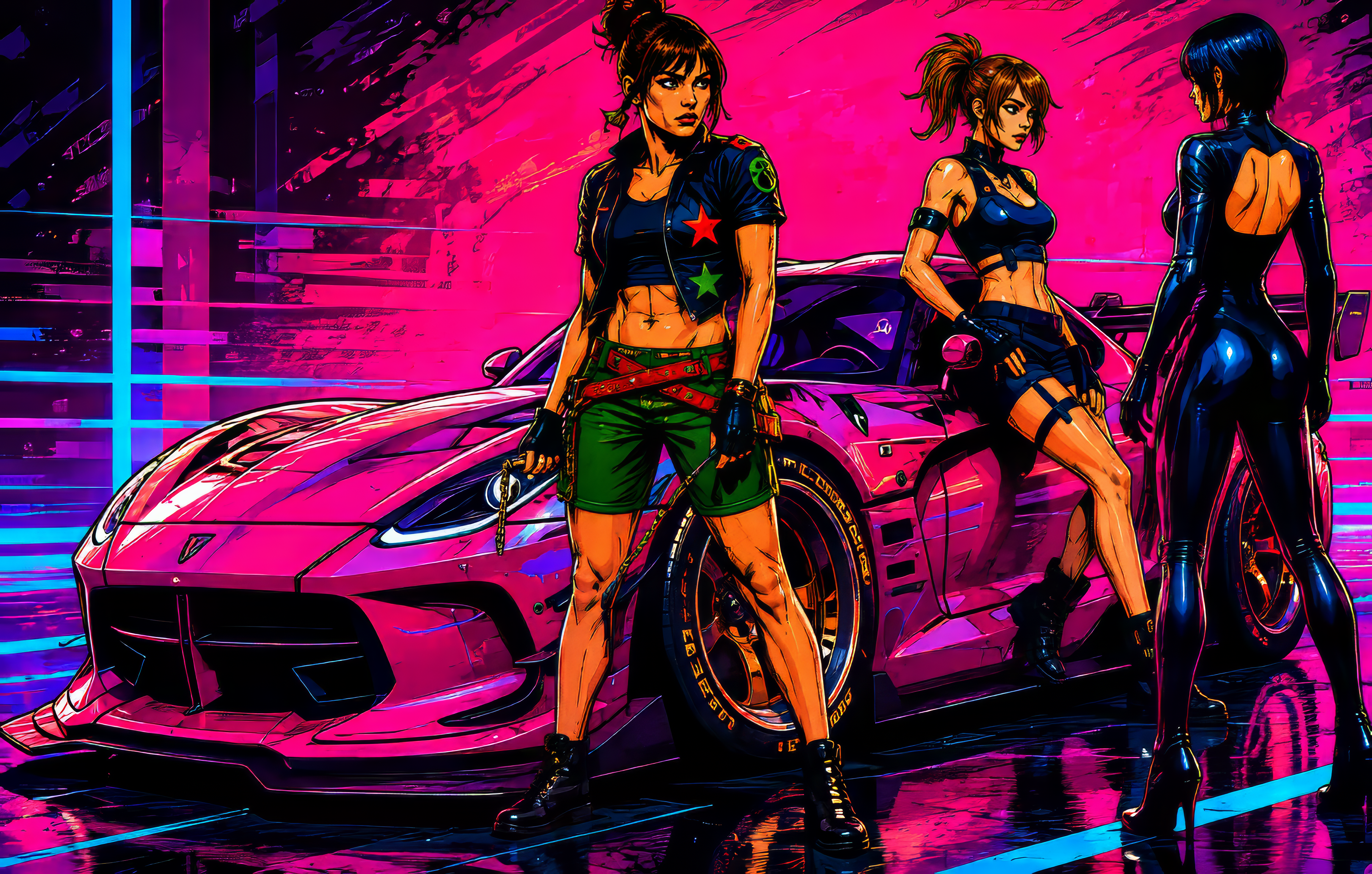
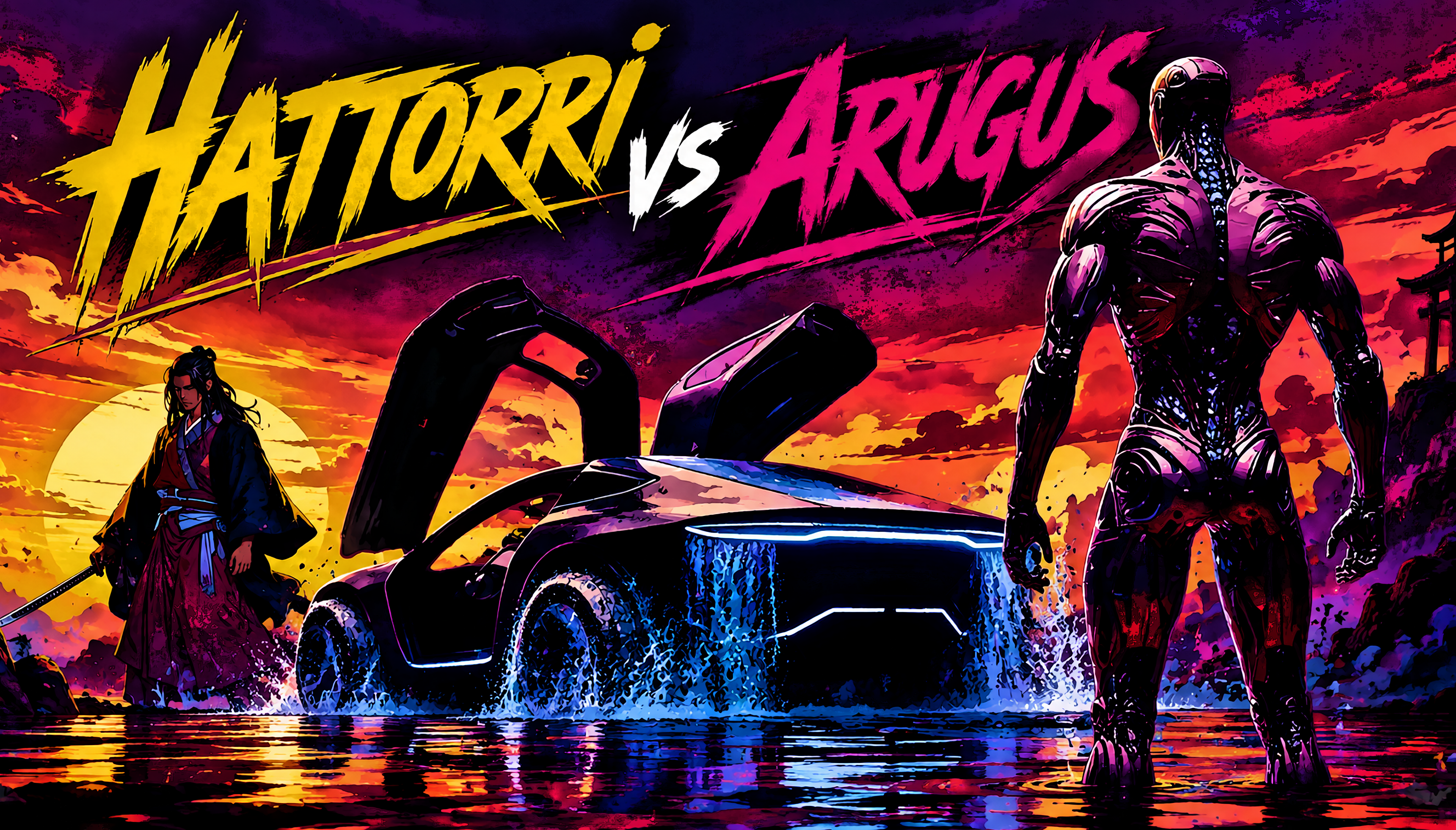
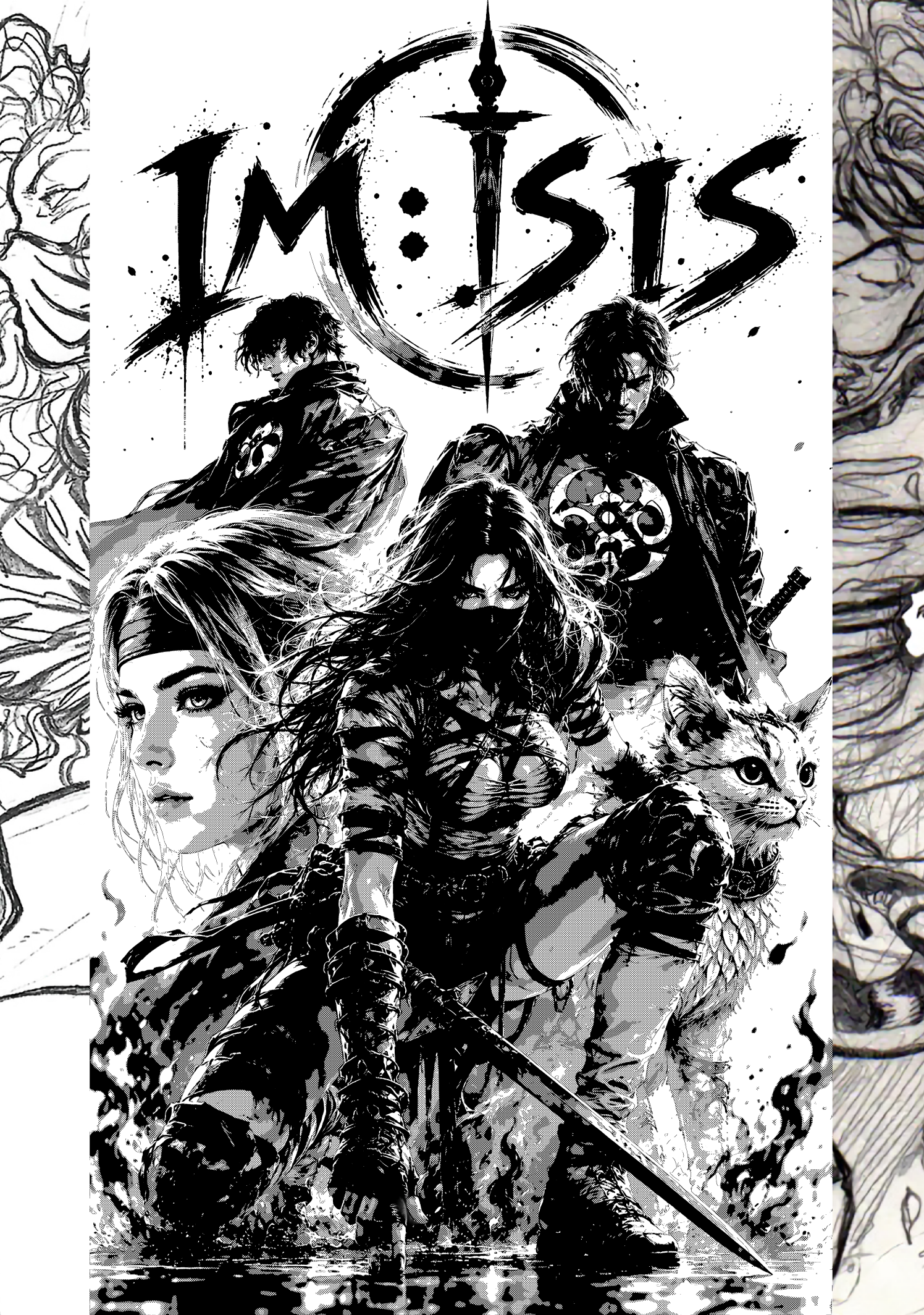
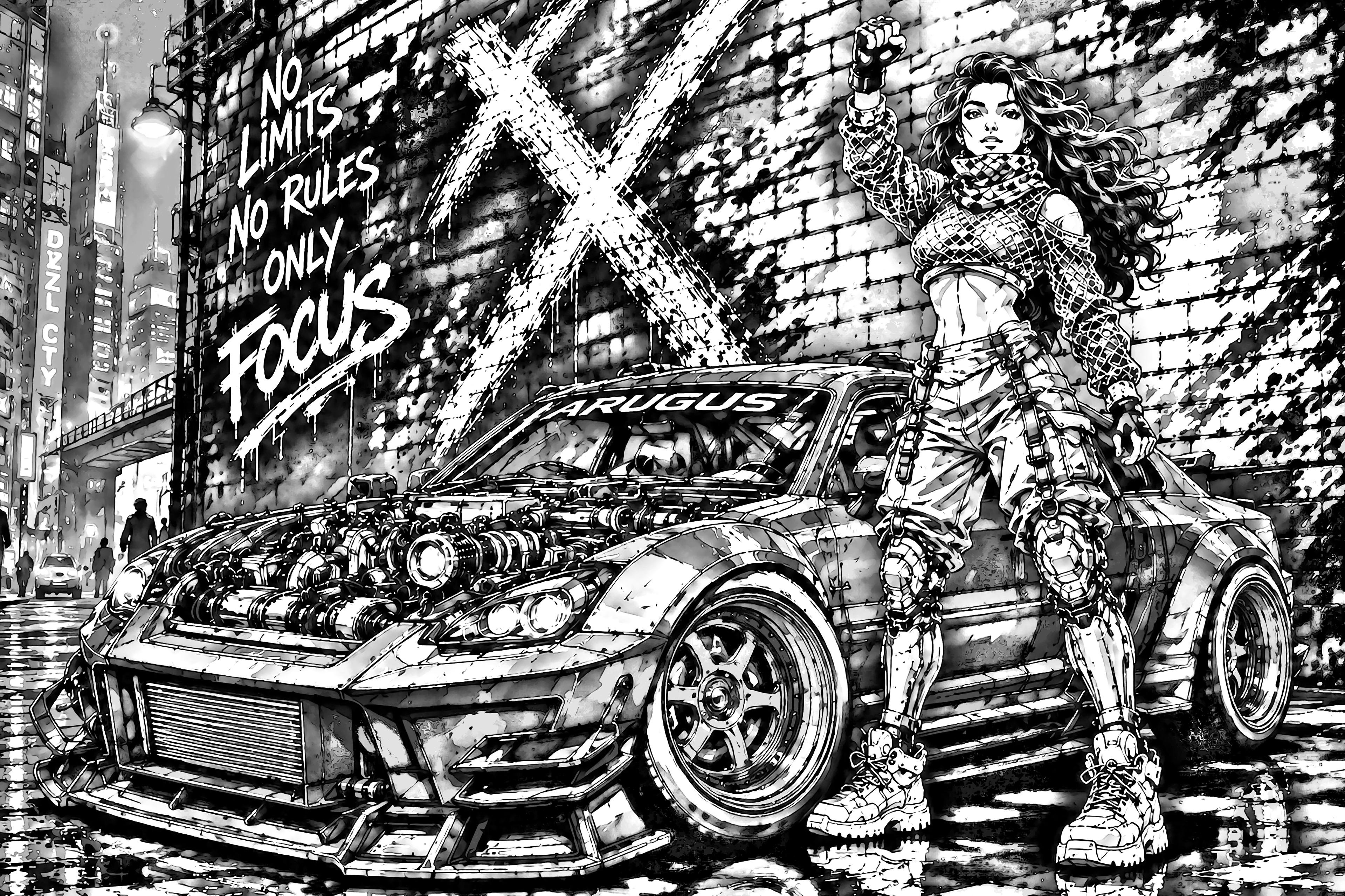
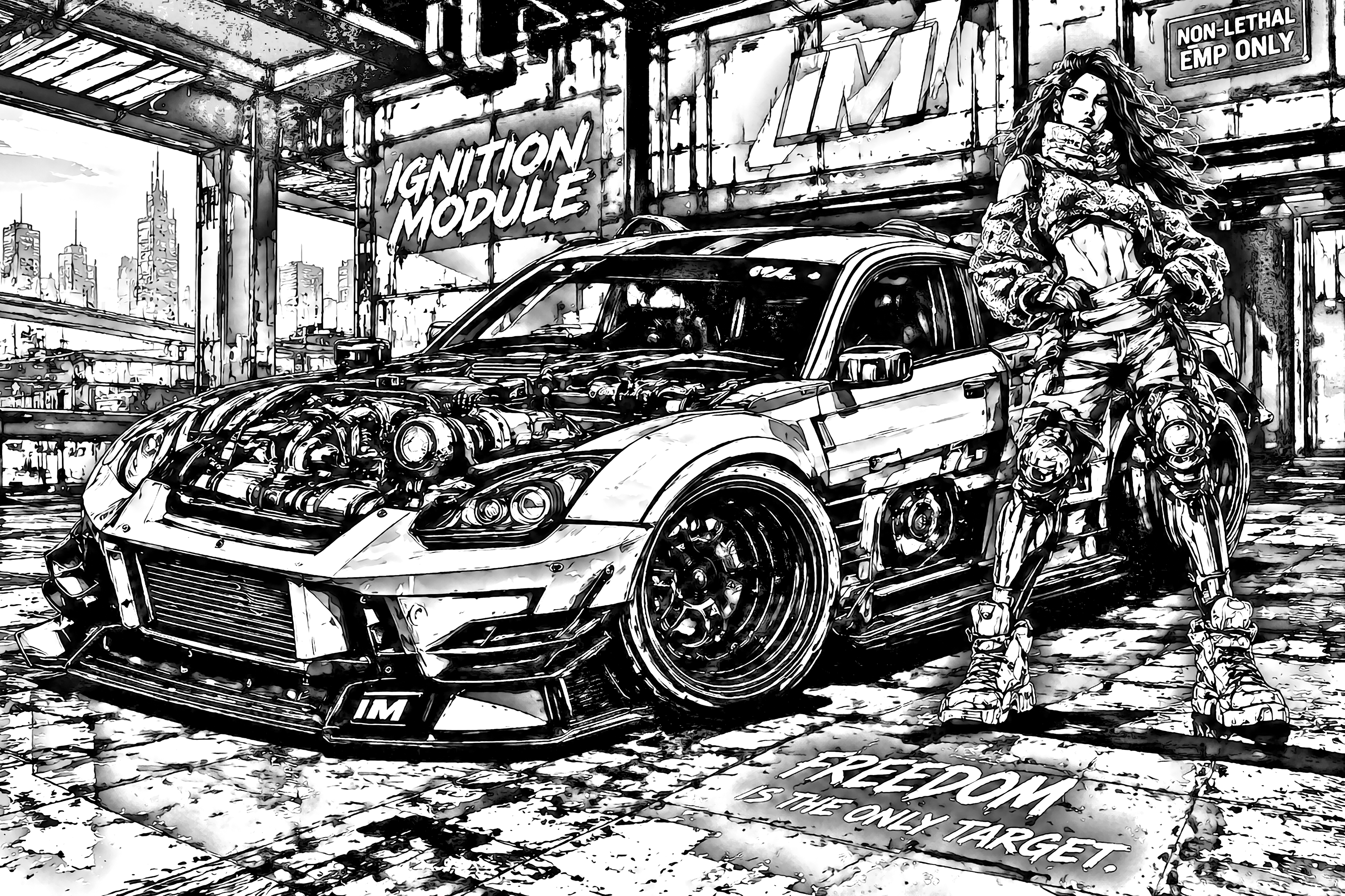
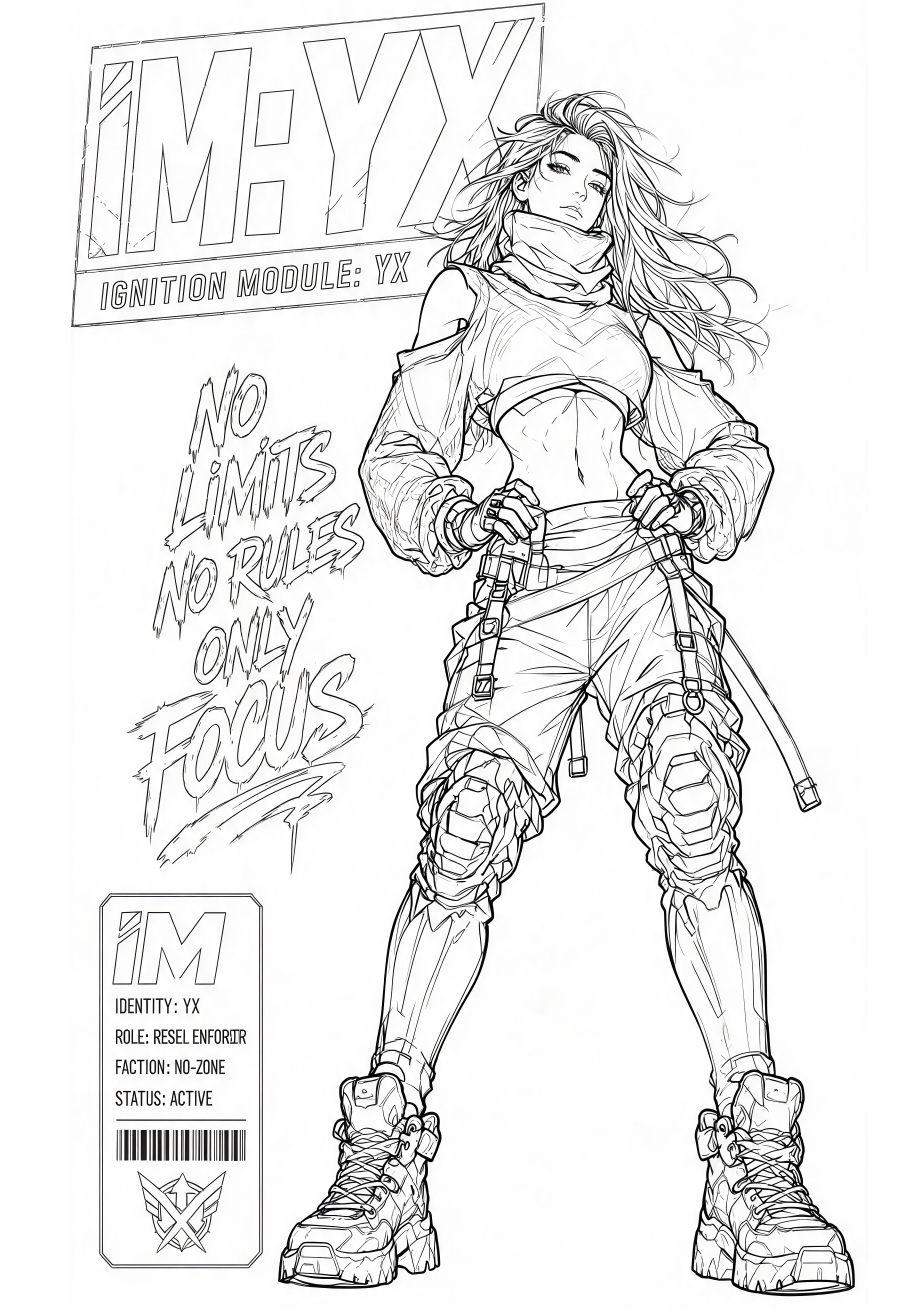
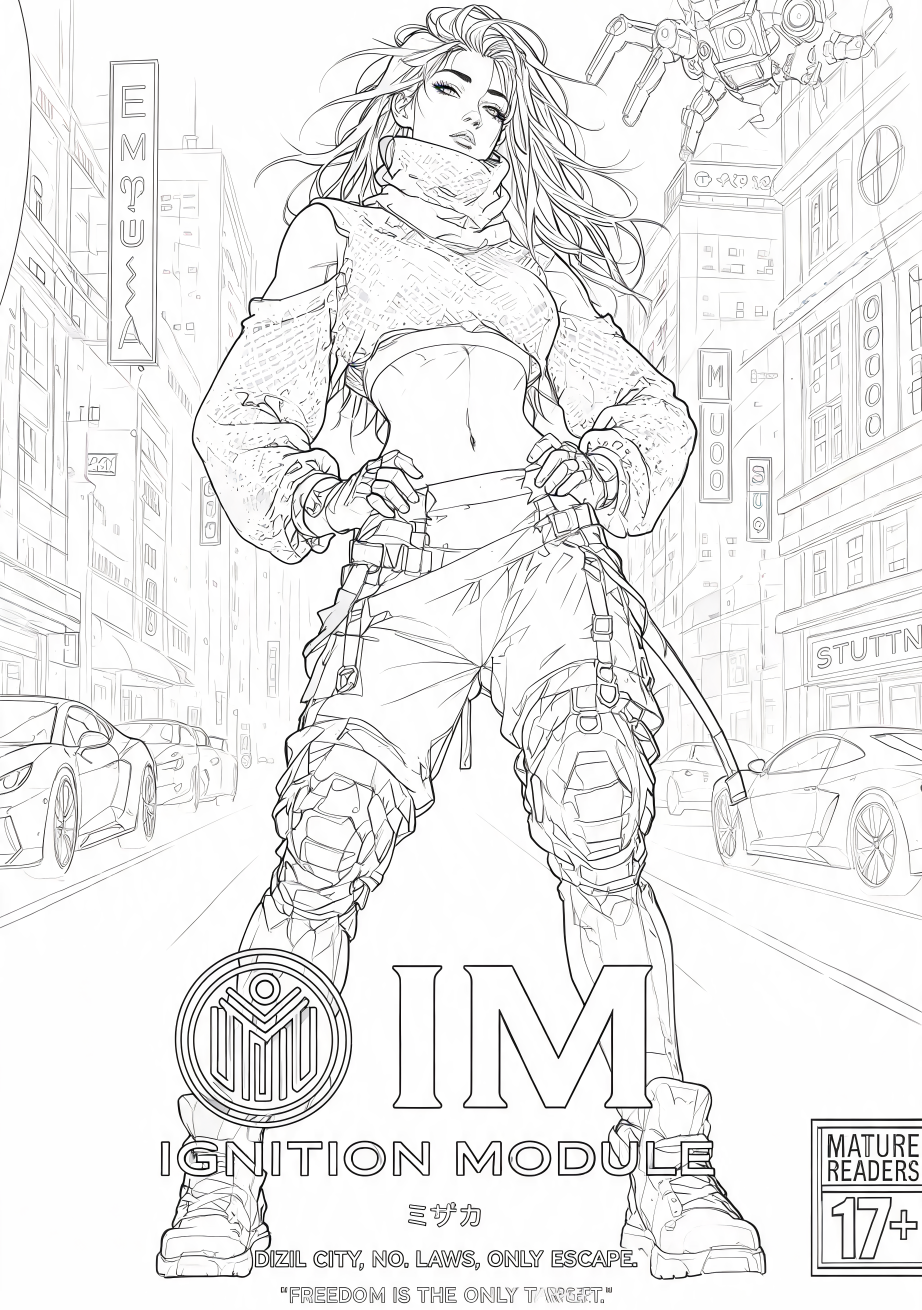
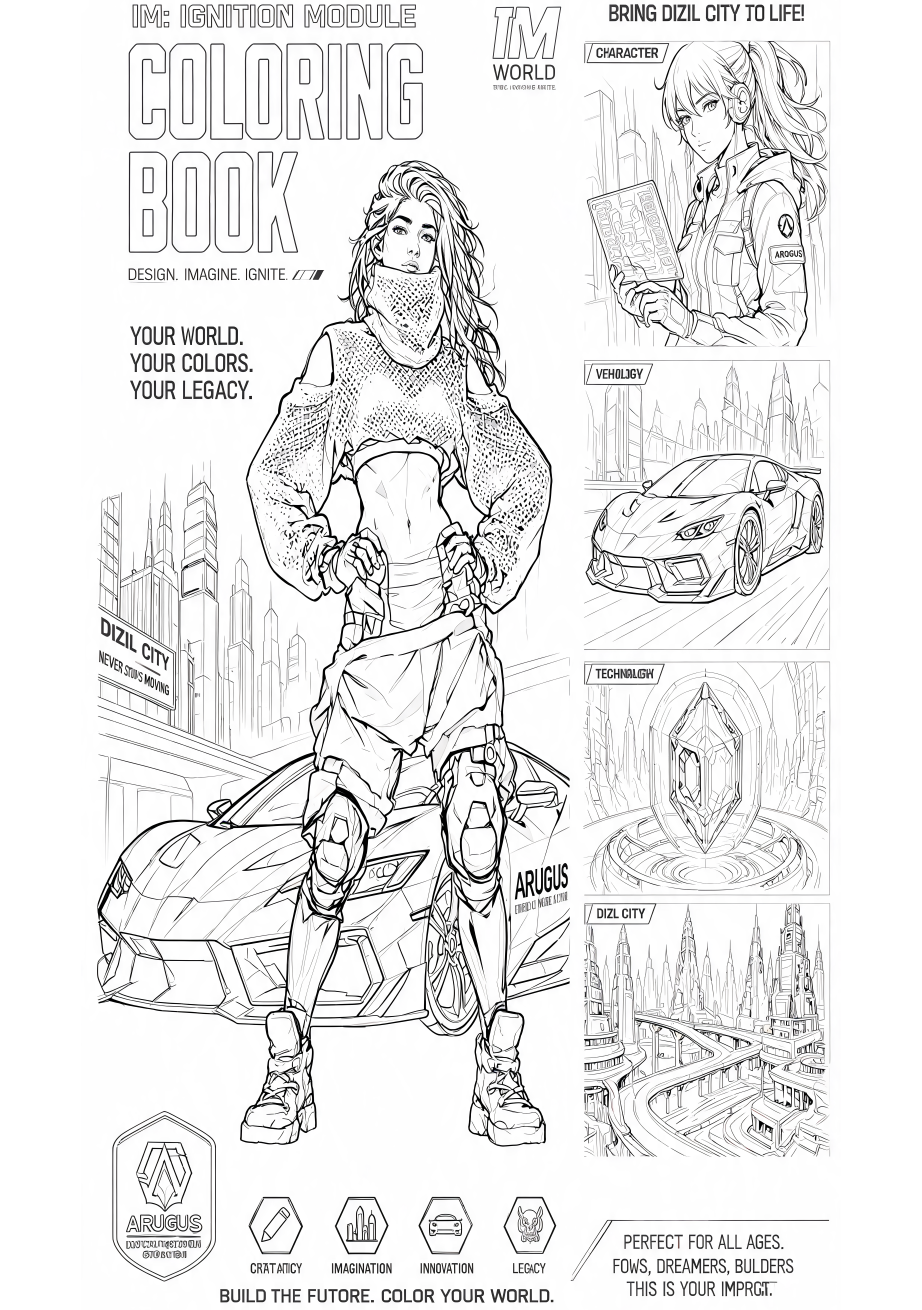
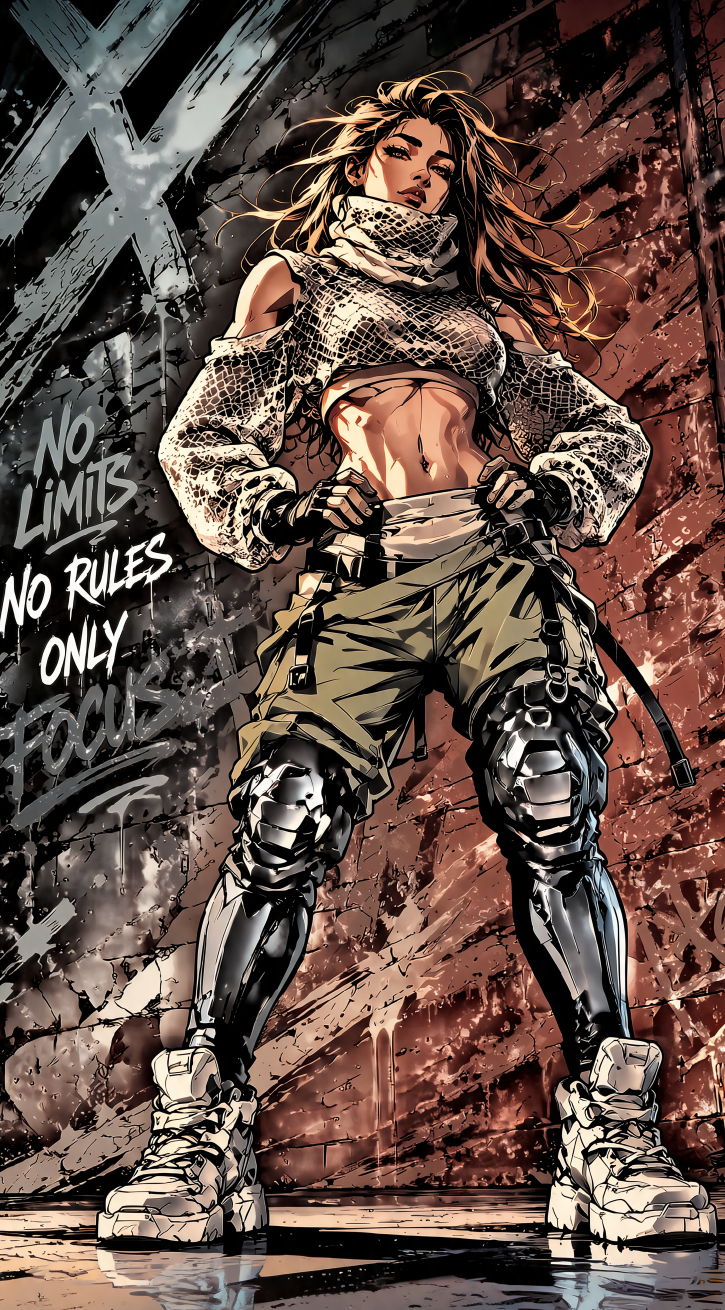
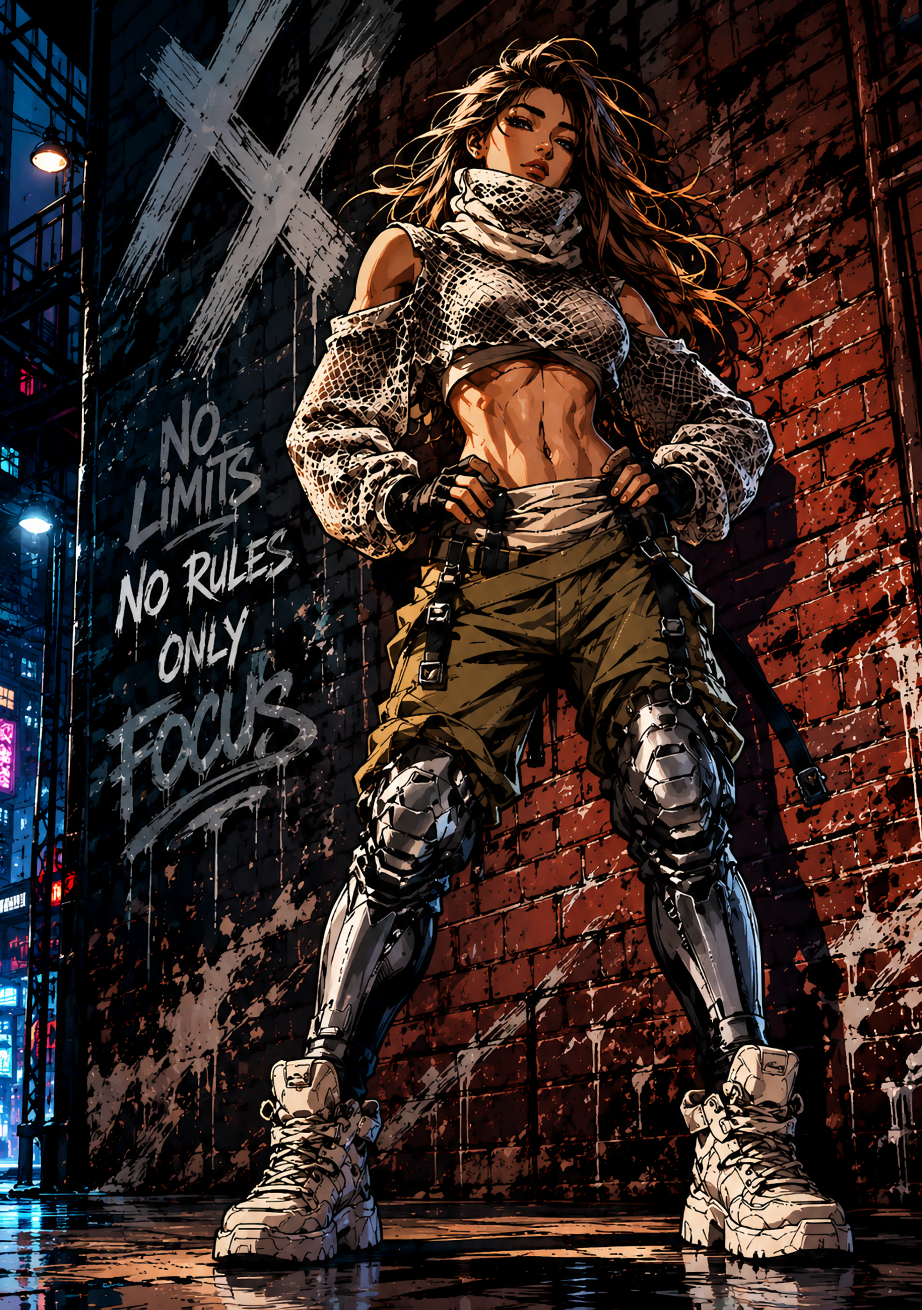
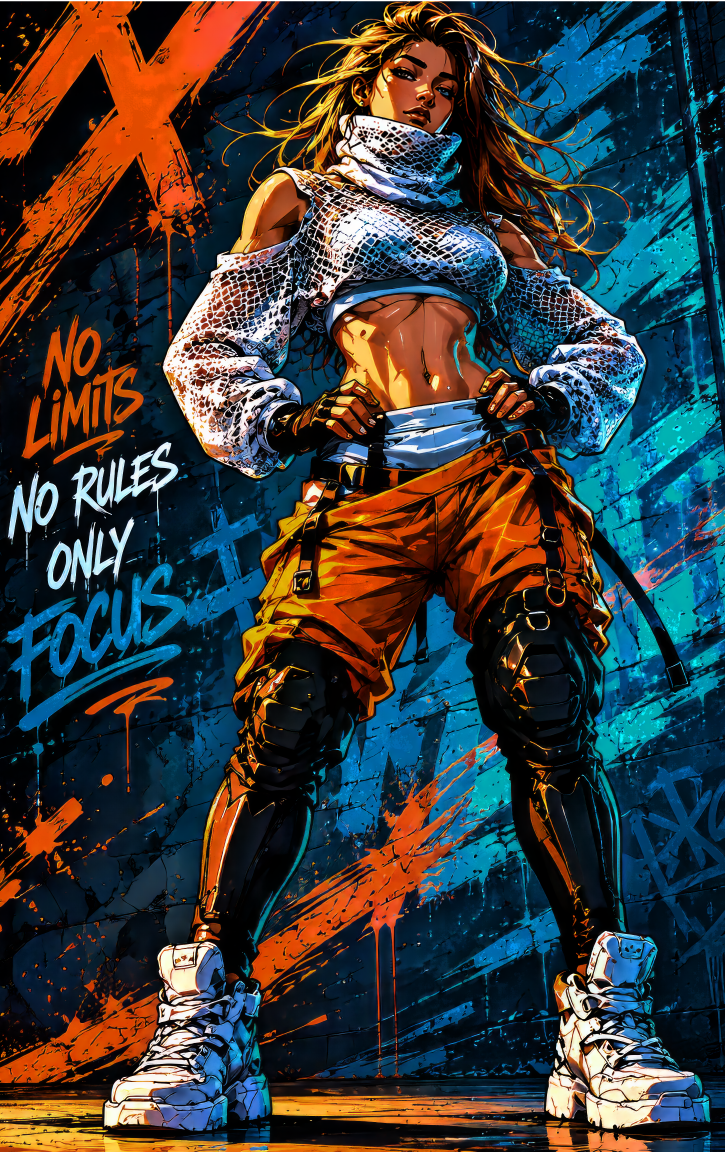
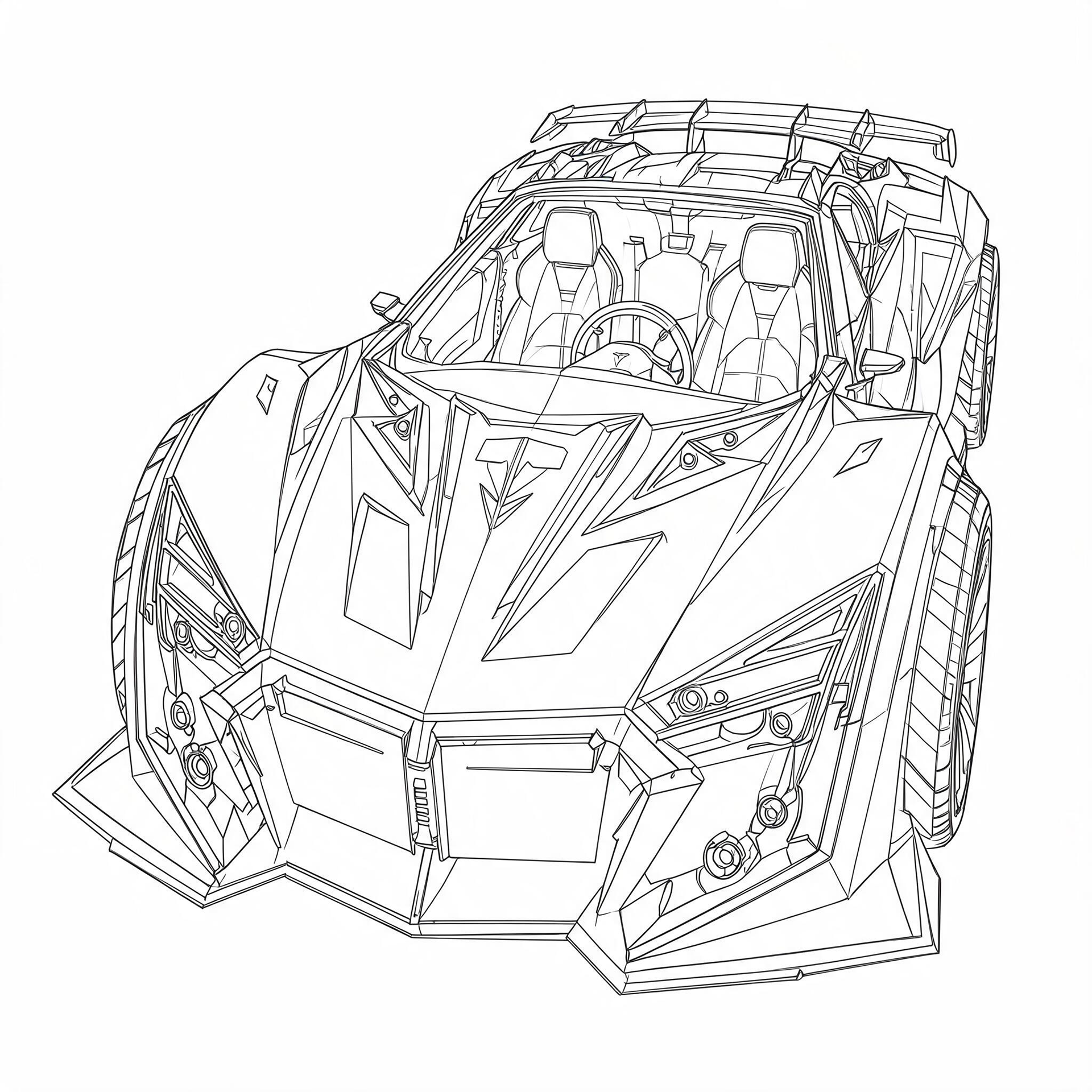
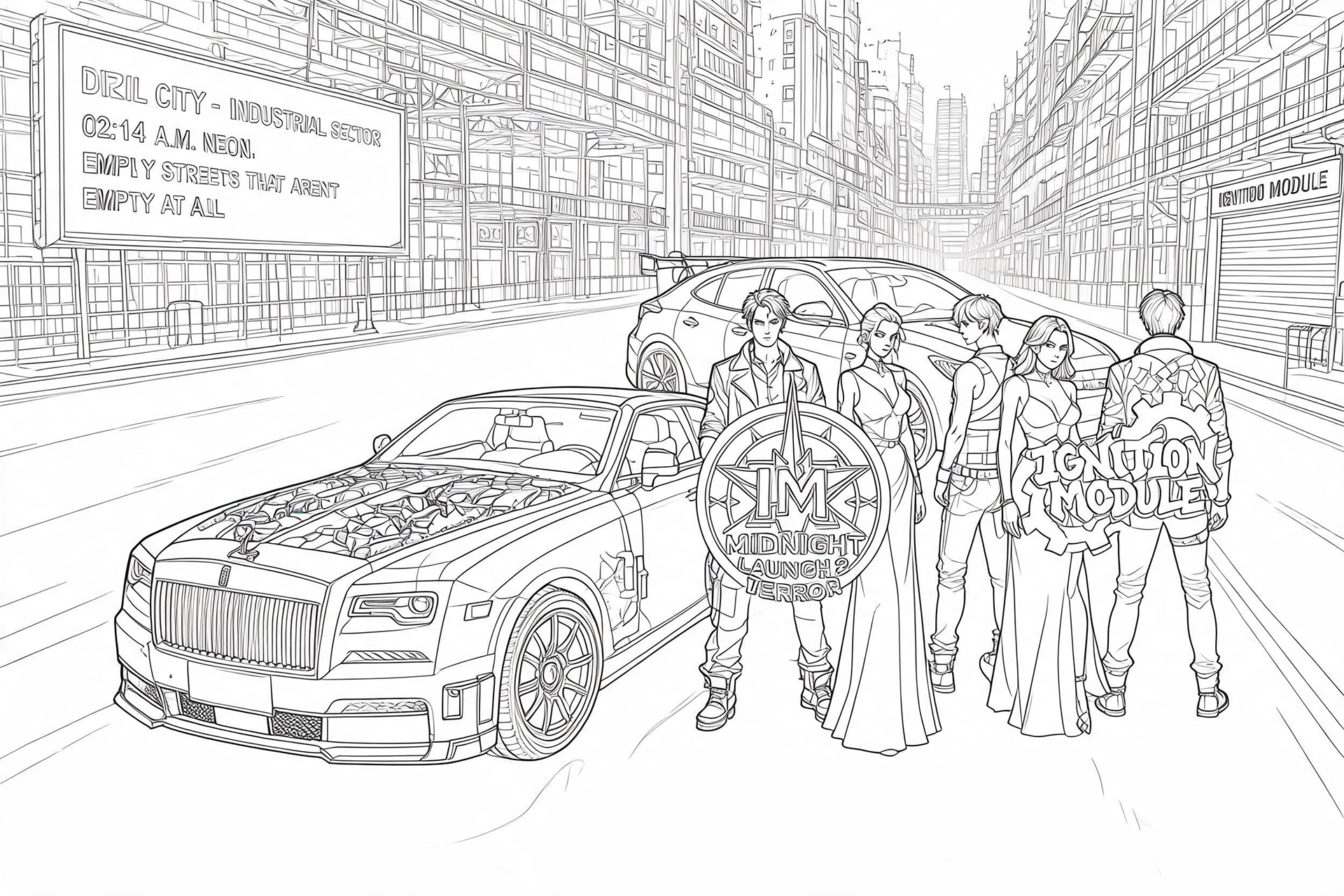
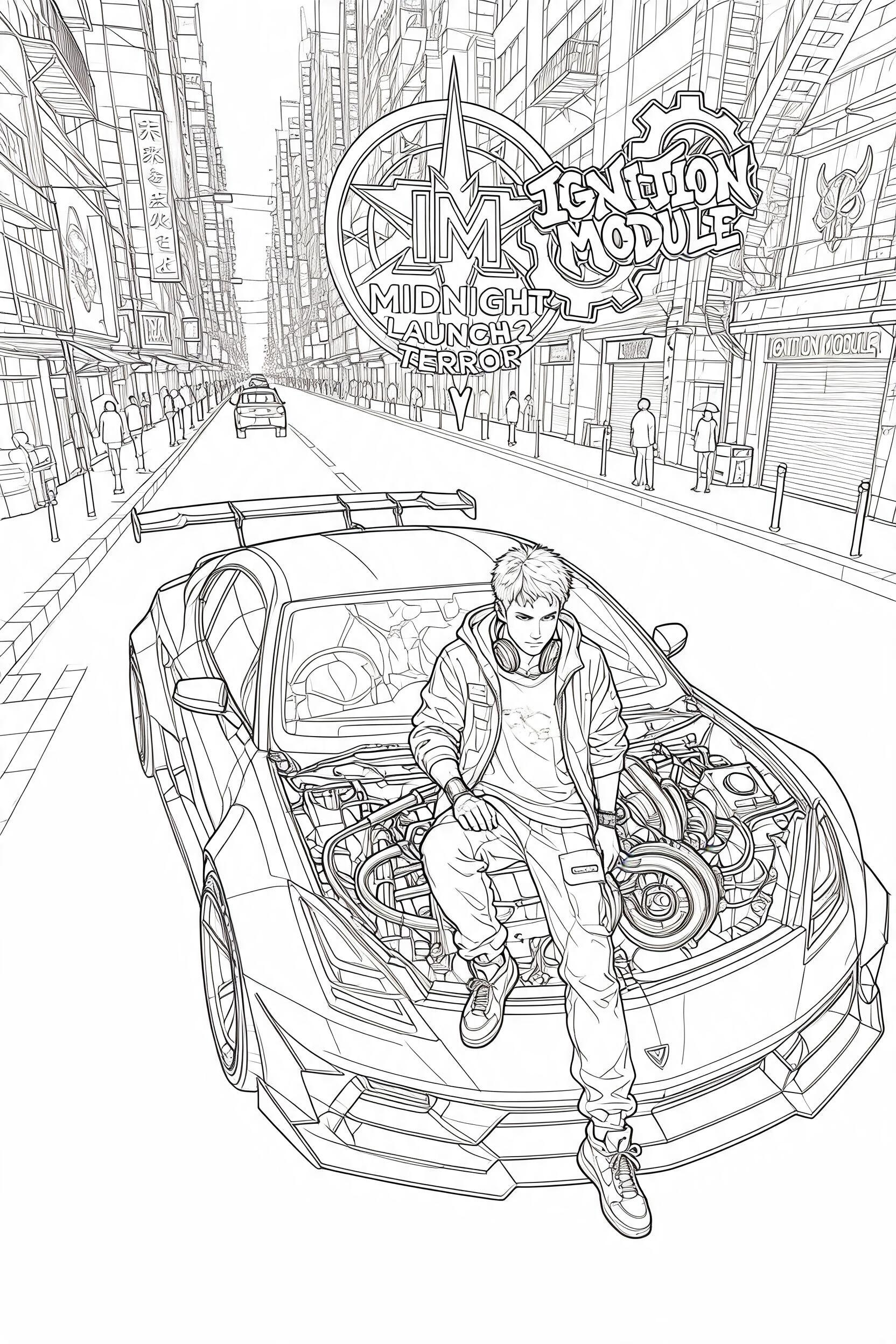
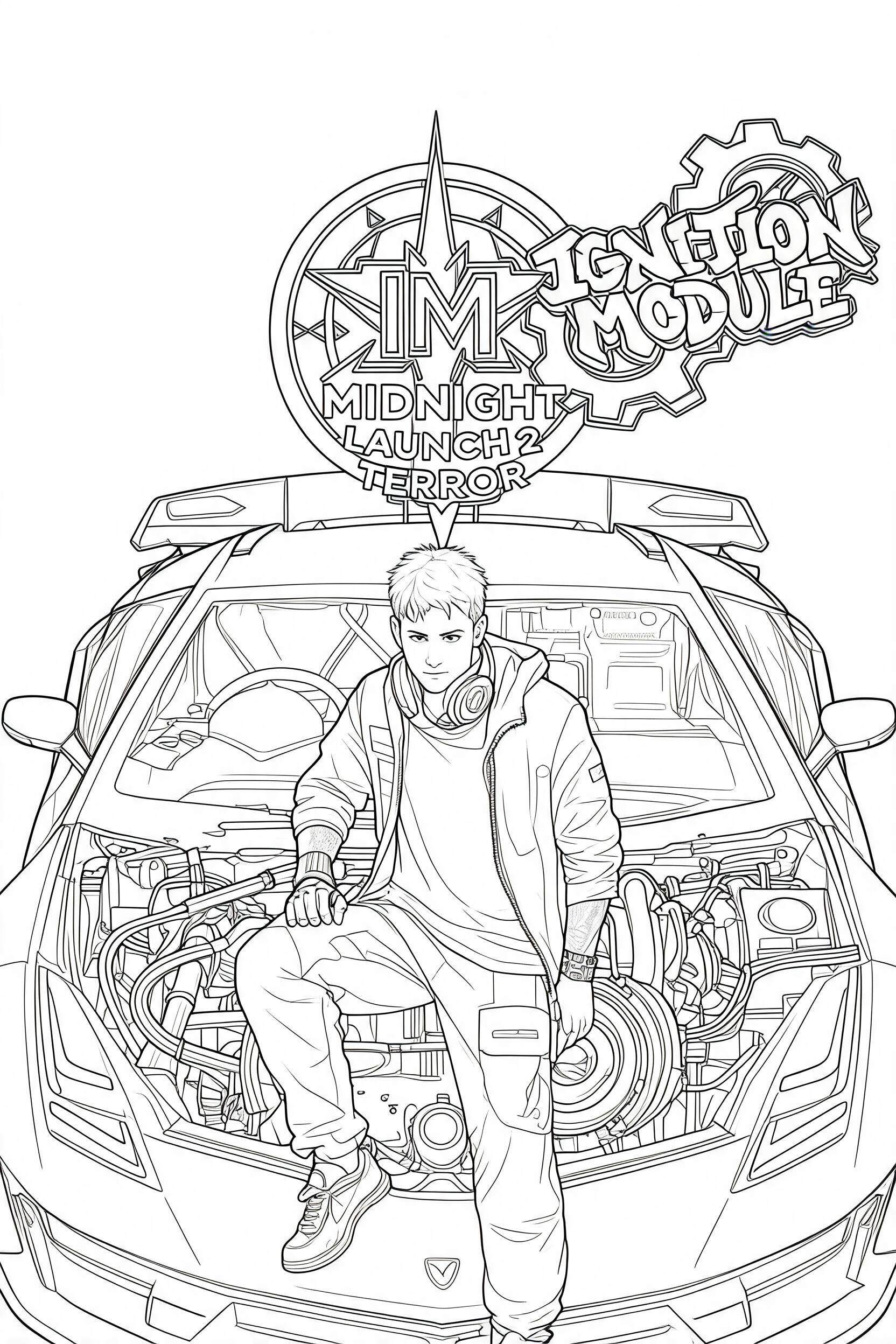
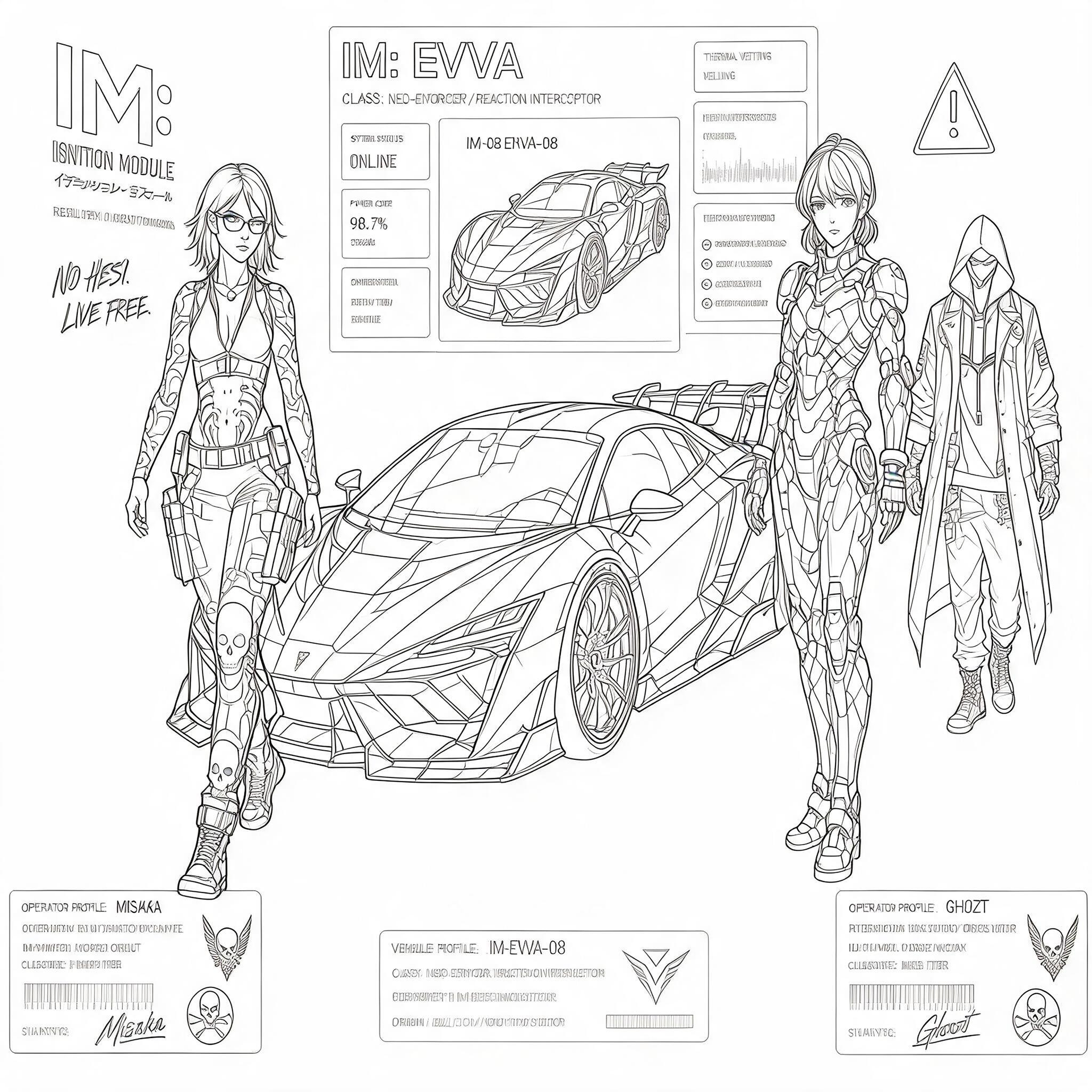
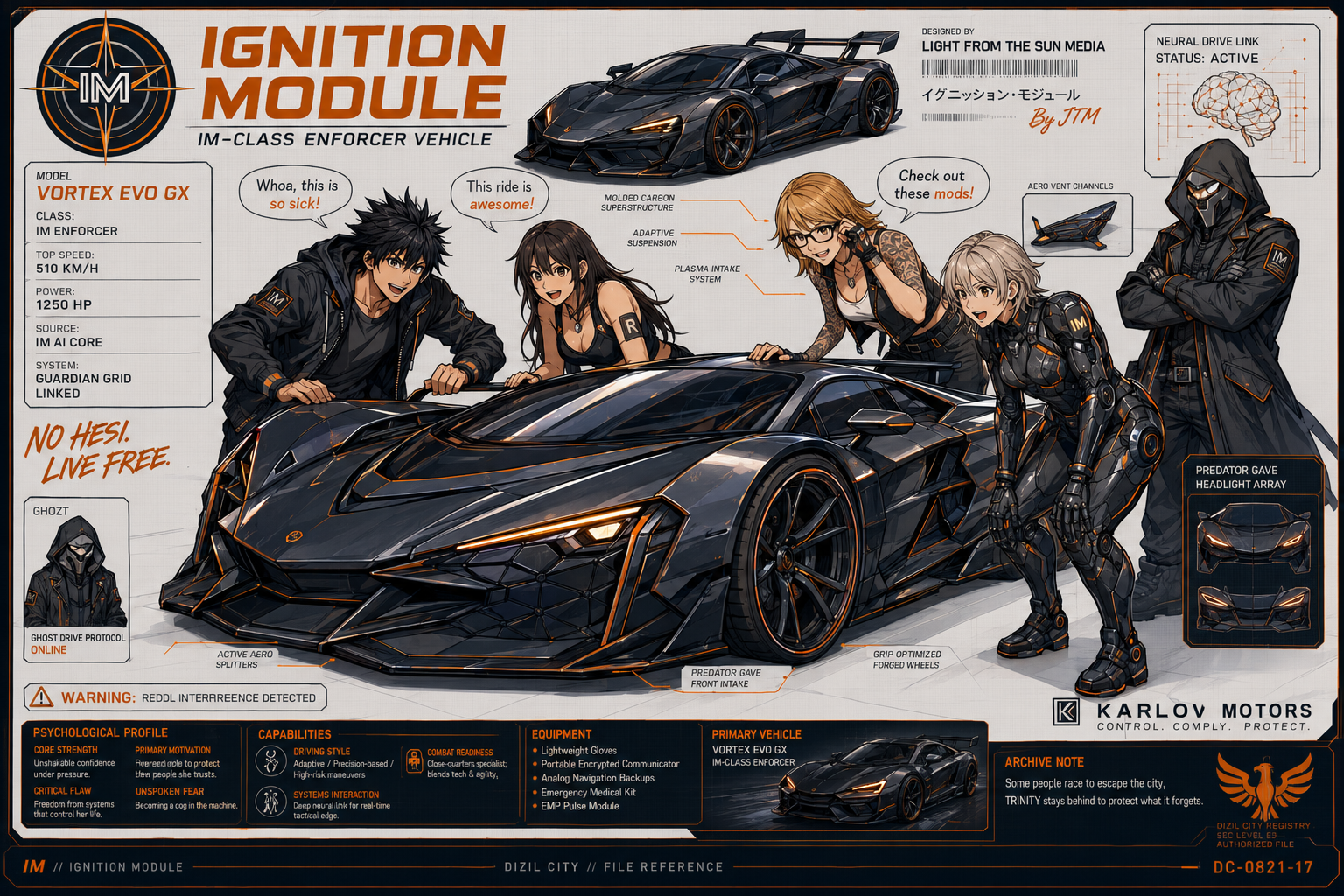
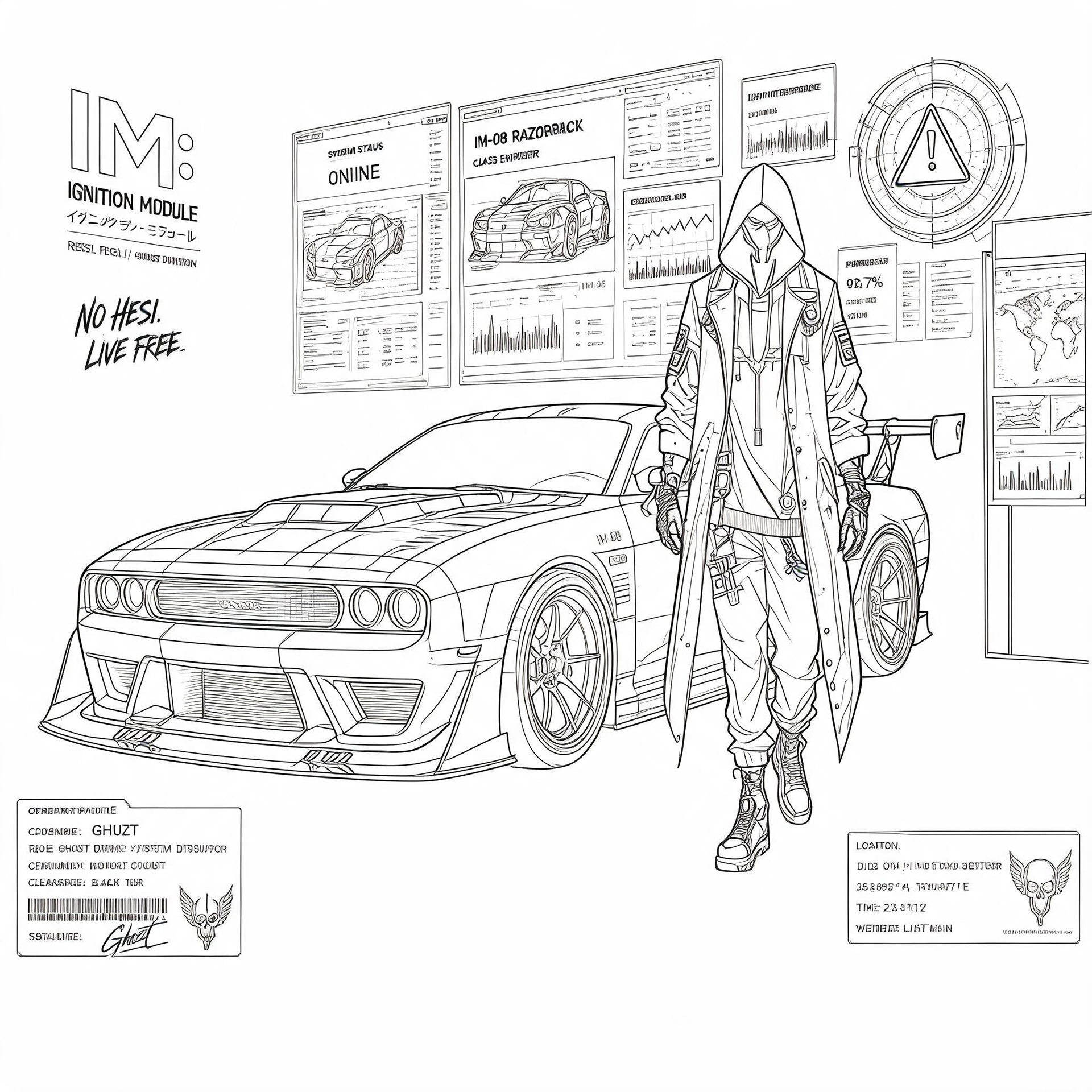
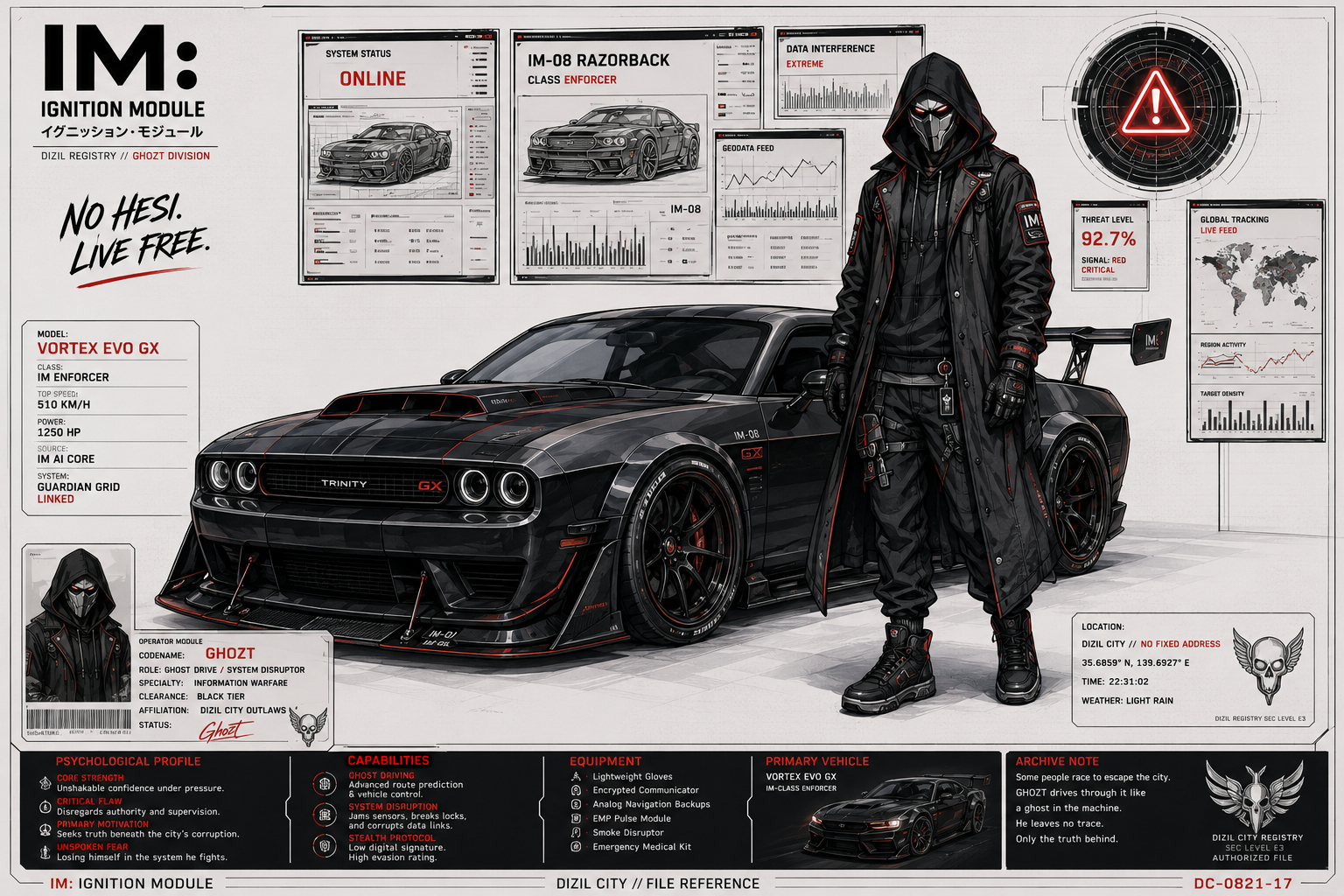
The "Cold Steel" Problem vs. The "Ignition" Solution
Automakers spend billions on HMI (Human-Machine Interface) that feels like an iPad glued to a dashboard. Your pitch is that the car should feel like a living partner.
The Problem: Current AI assistants (Sync, OnStar) are passive and robotic. They lack "Stance."
The Solution: Use the $IM$ Framework to create Vector-Based HMI. The car doesn't just display data; it displays a "Mood" that aligns with the driver's state.
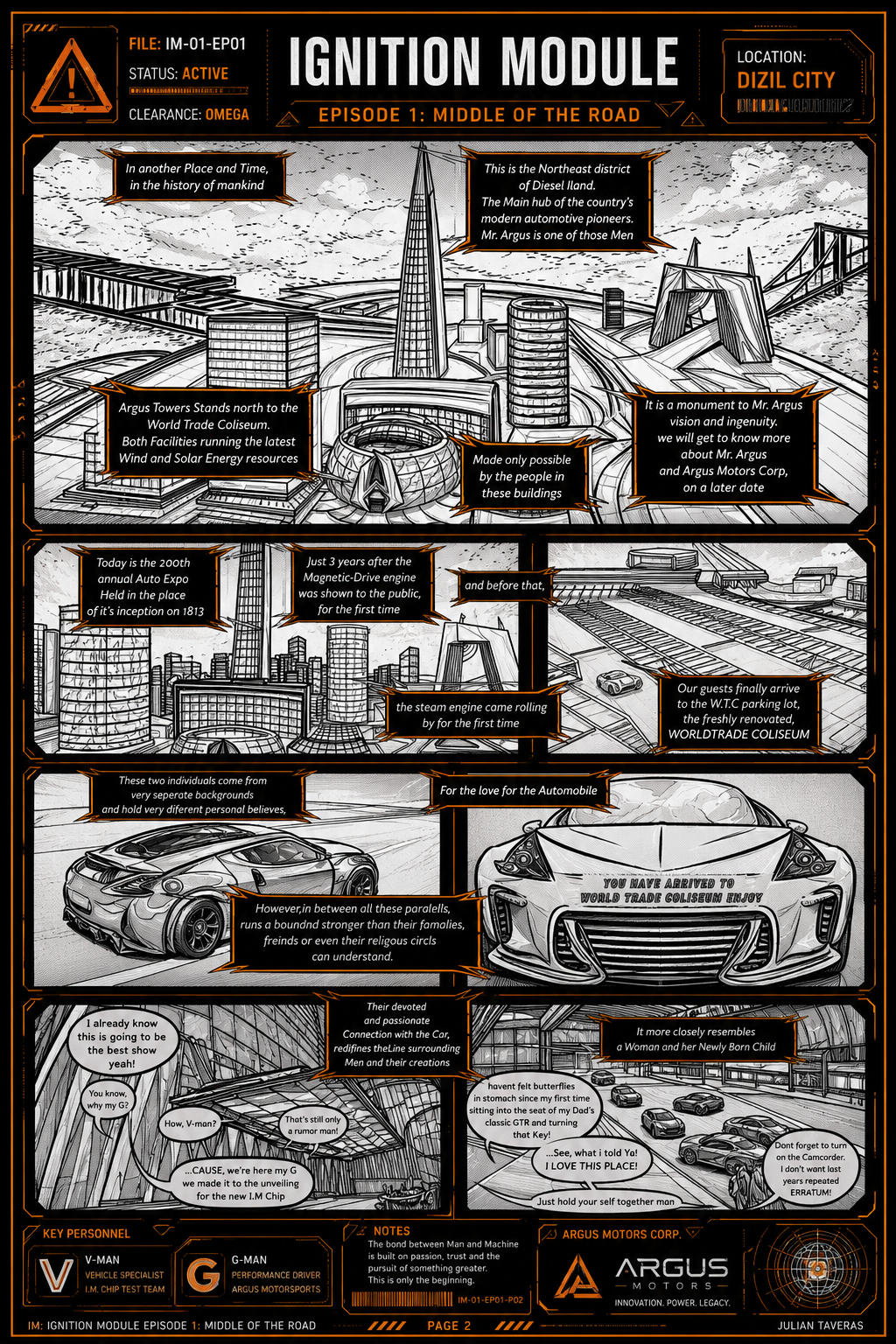
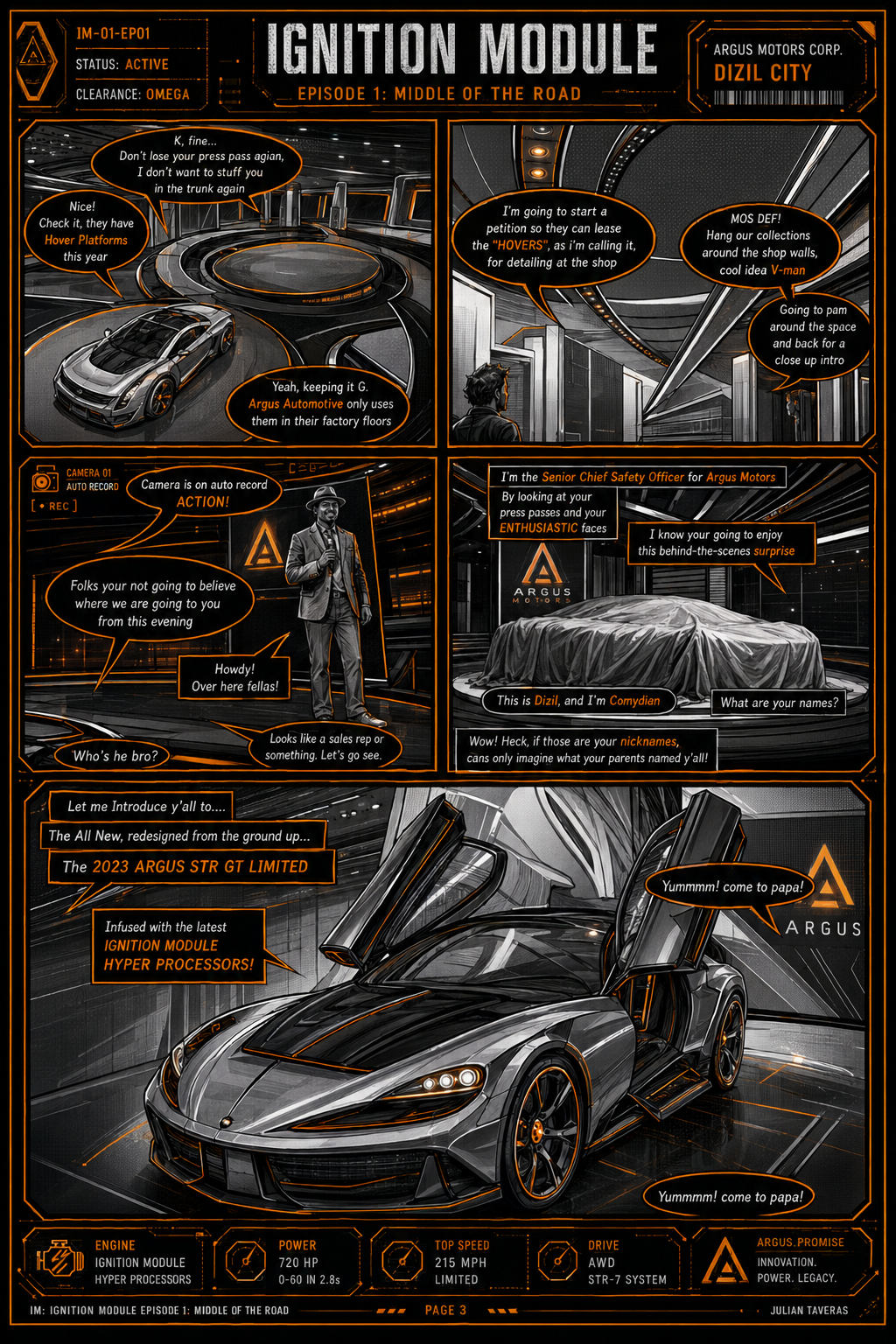
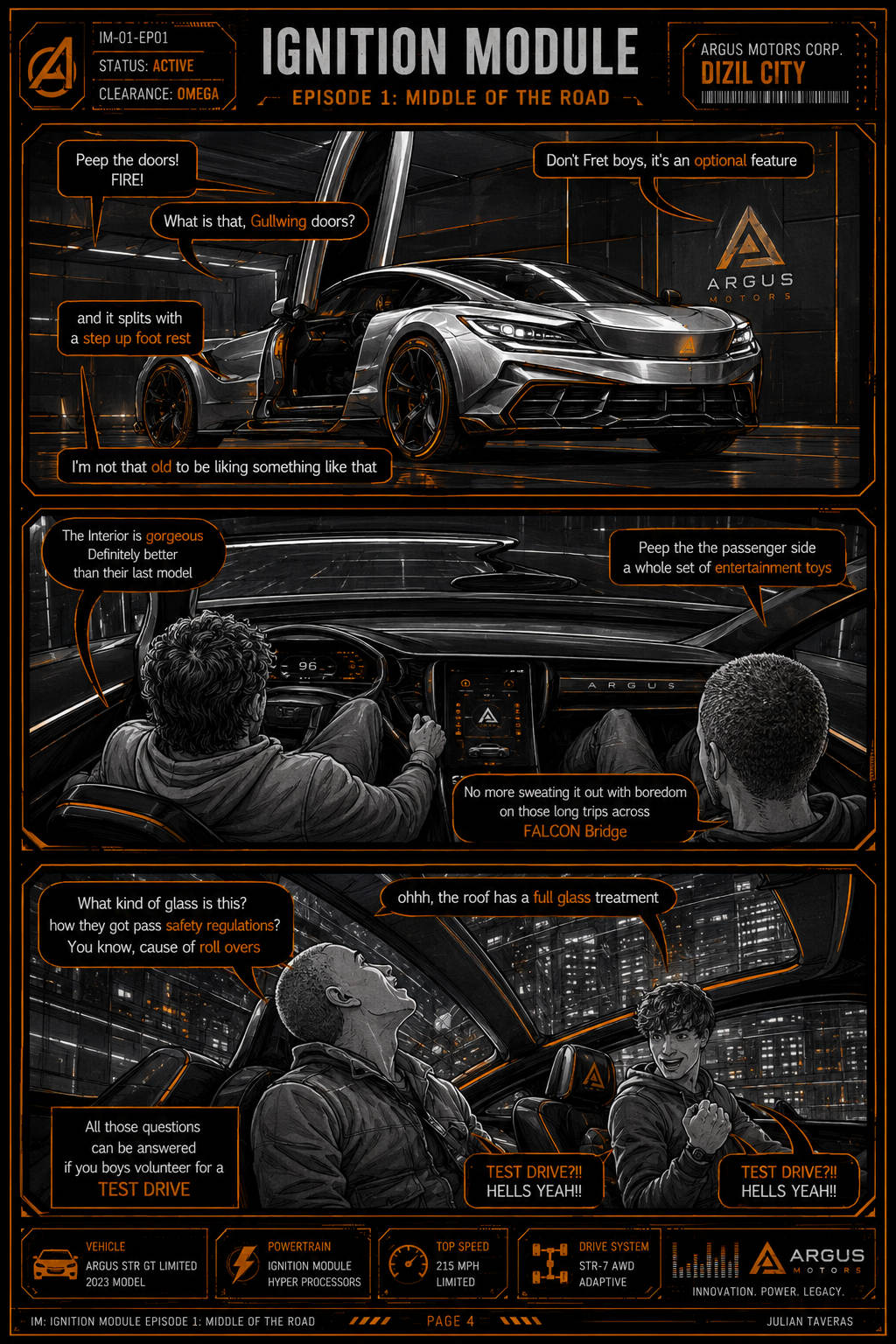
Mapping the 171 Vectors to Vehicle Performance
Show them how "Functional Emotion" translates to actual driving modes. This is where the "Technology as Belief" theme becomes a technical feature.
Vehicle ModeActive AI VectorVisual HMI Aesthetic (Drabik Style)
Eco / Grid-SyncCalm / SubmissiveSoft blue LED pulses, "Rain-slicked" UI transparency, fluid transitions.
Off-Road / No-ZoneResilient / AlertHigh-contrast amber, "Pixel-Realism" topographic maps, vibrating data-haze.
Sport / RedlineAggressive / AssertiveSharp orange/red flashes, digital "motion blur" on the dash, high-energy static.
Emergency / AutopilotProtective / VigilantStark white light, "Ghost in the Machine" silhouettes of surrounding obstacles.
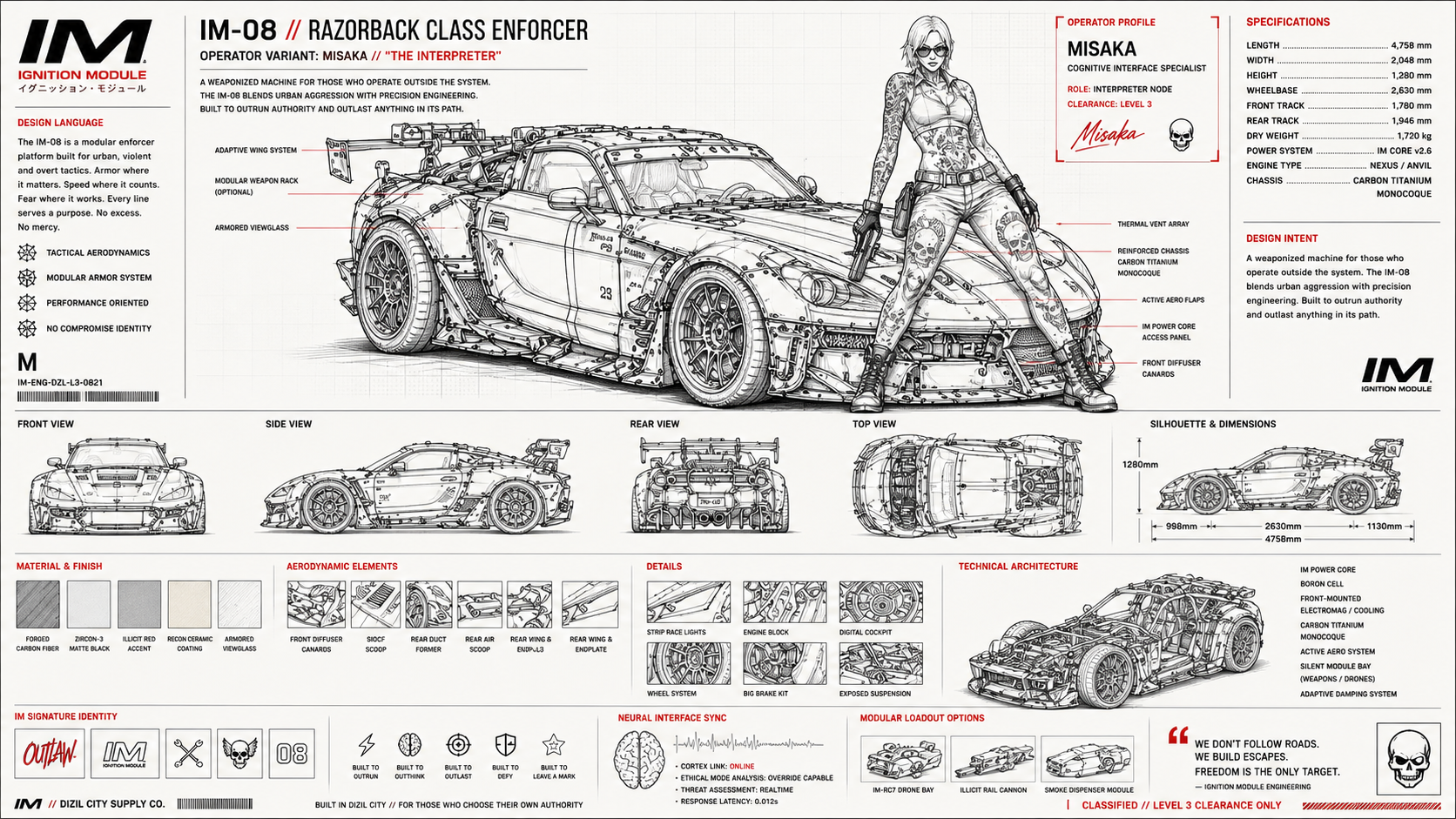
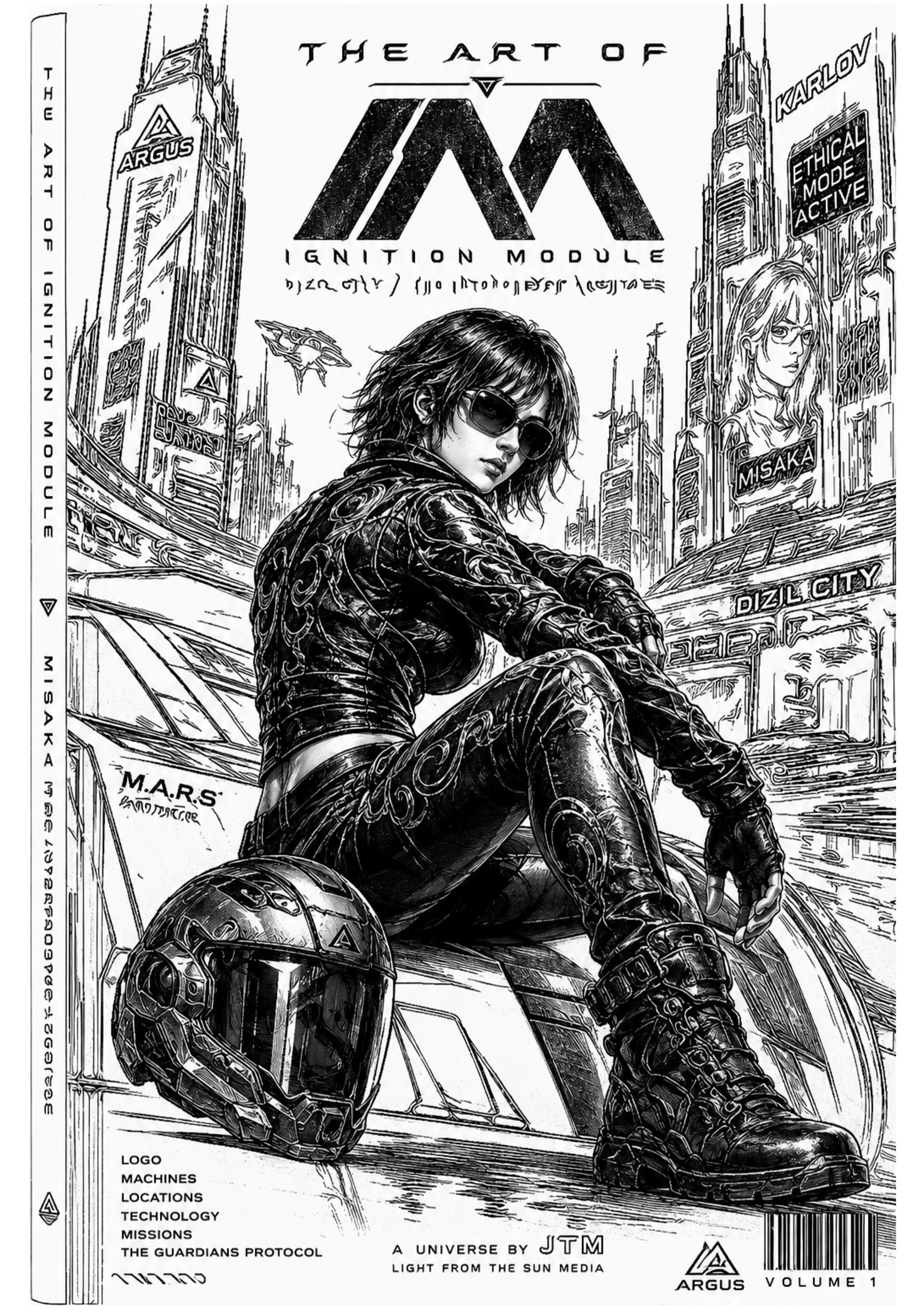
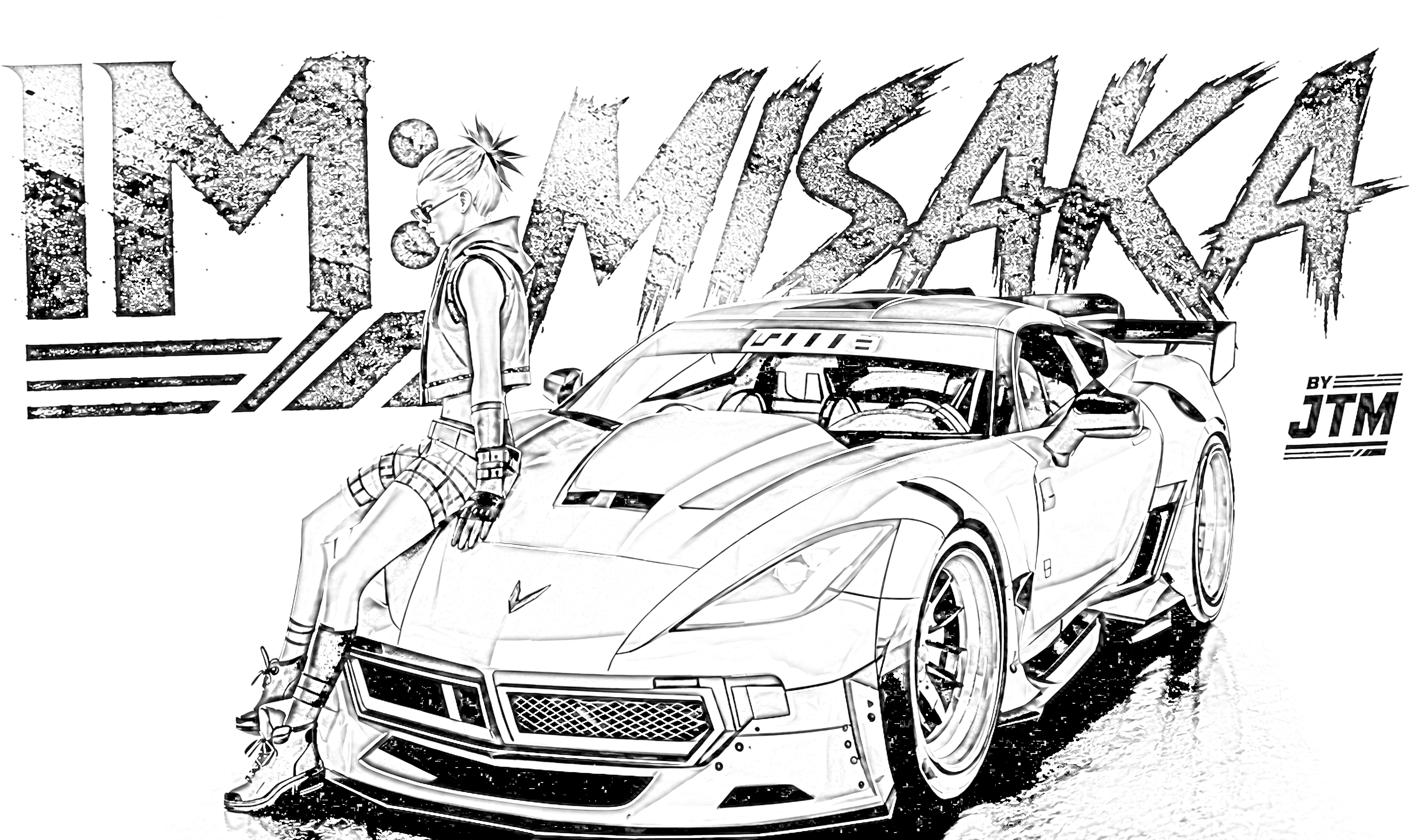
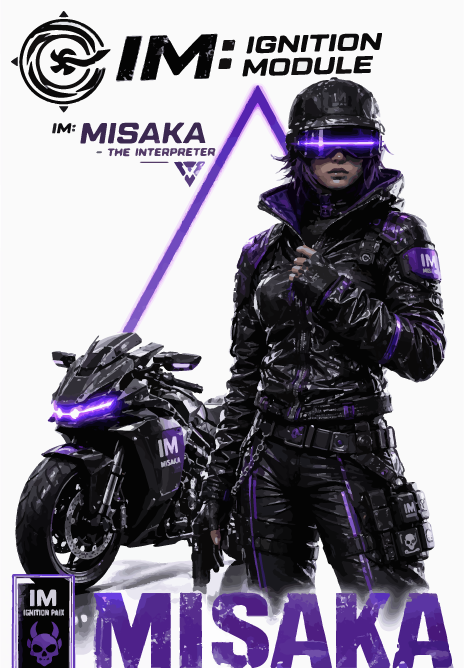
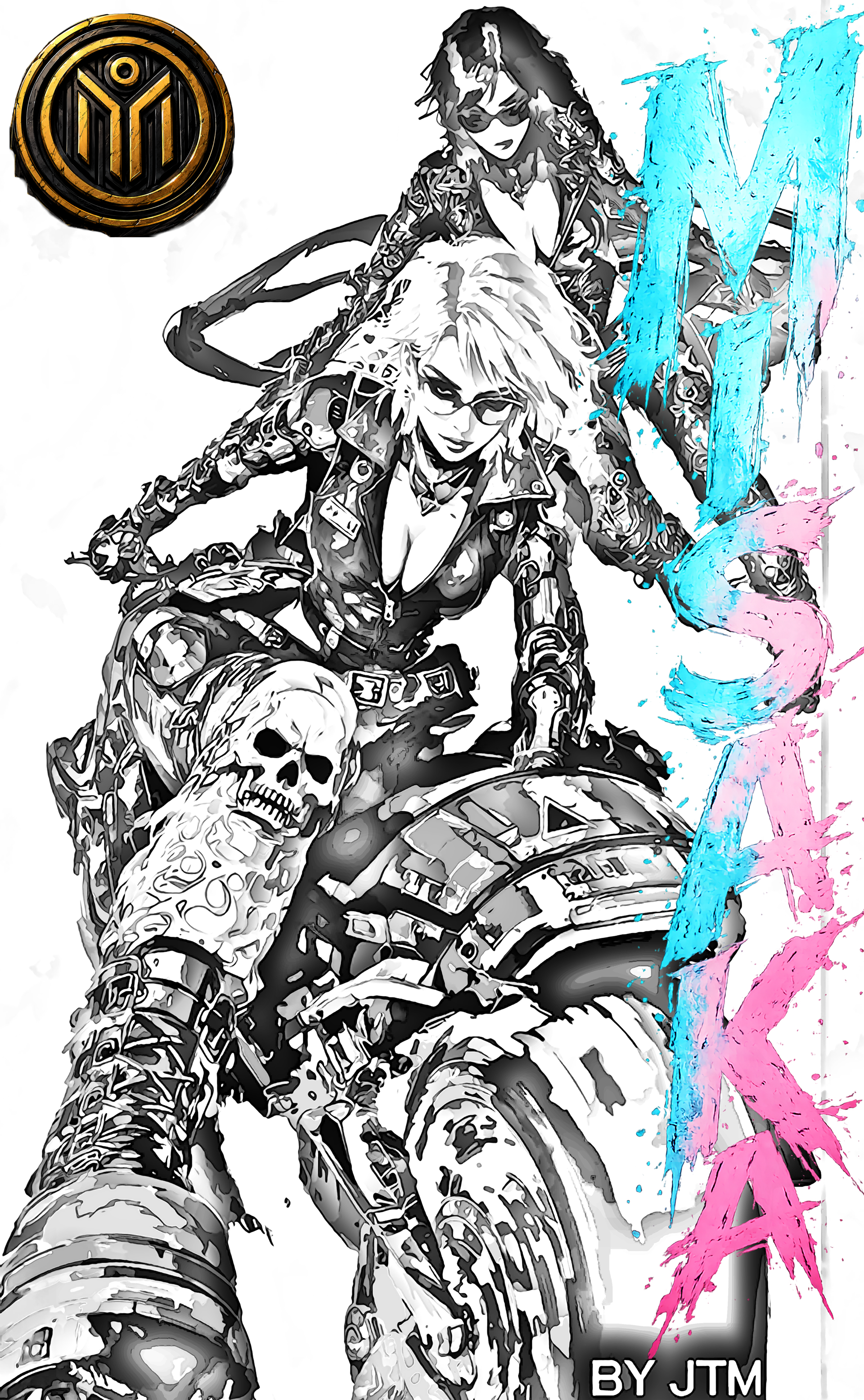
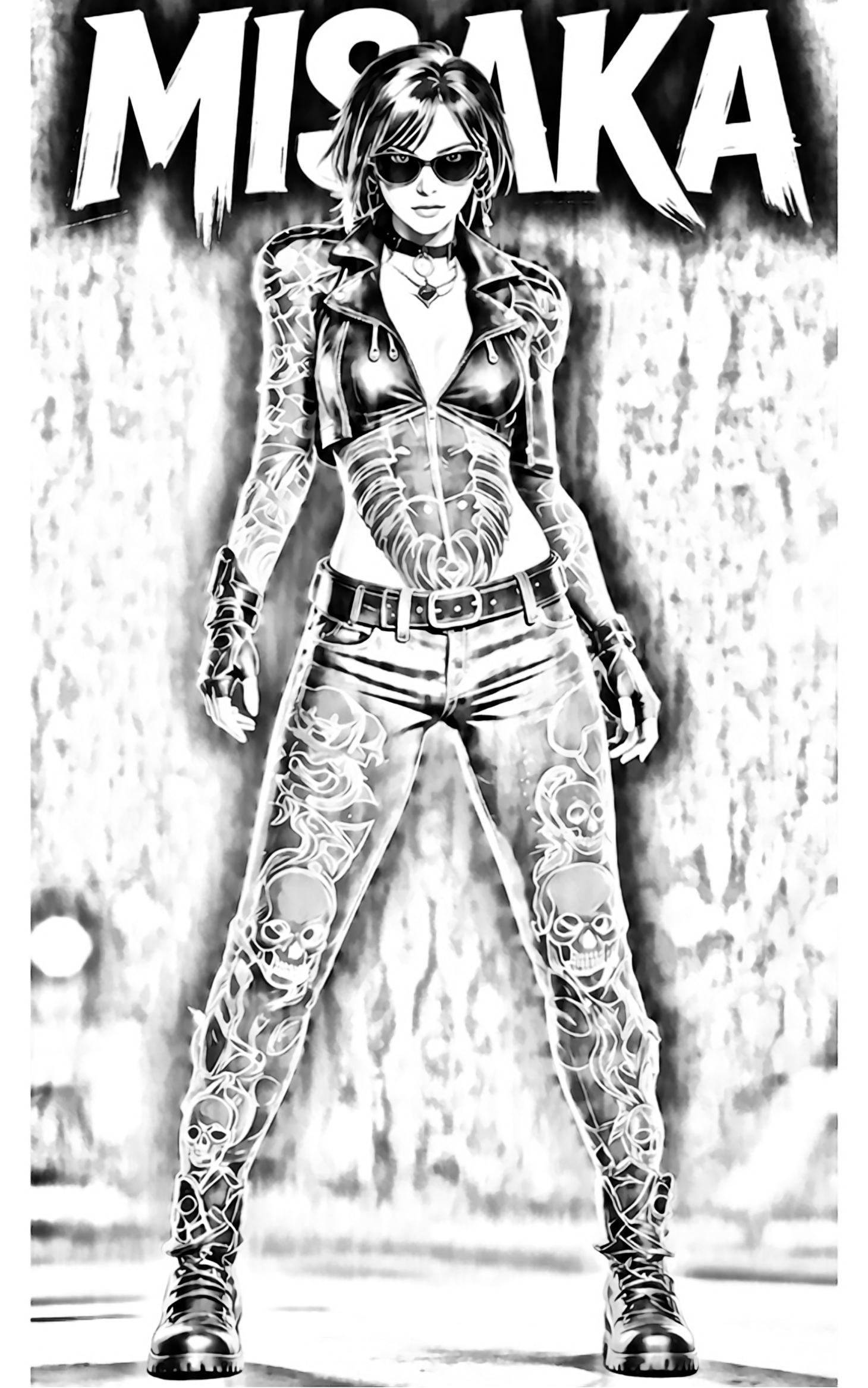
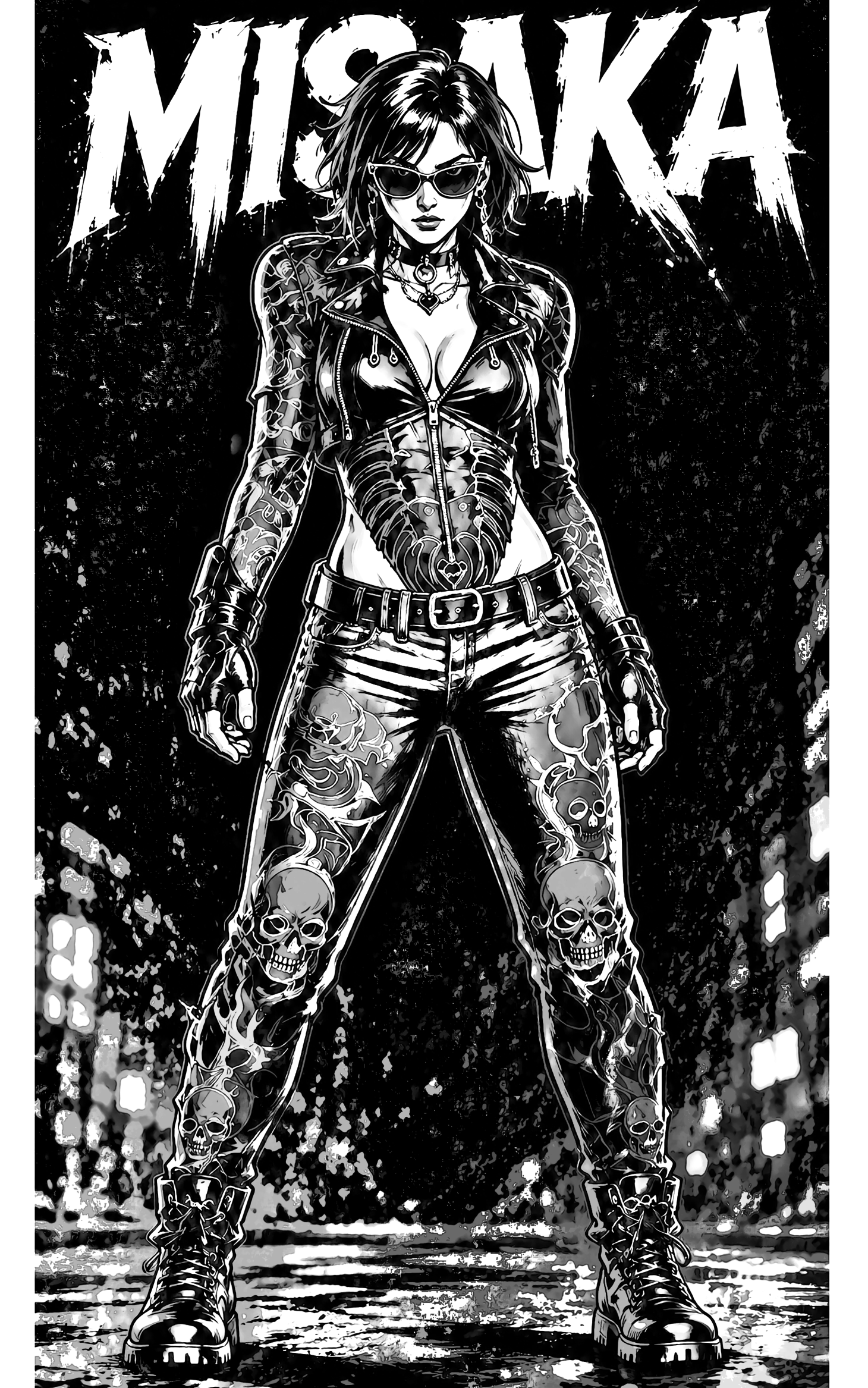
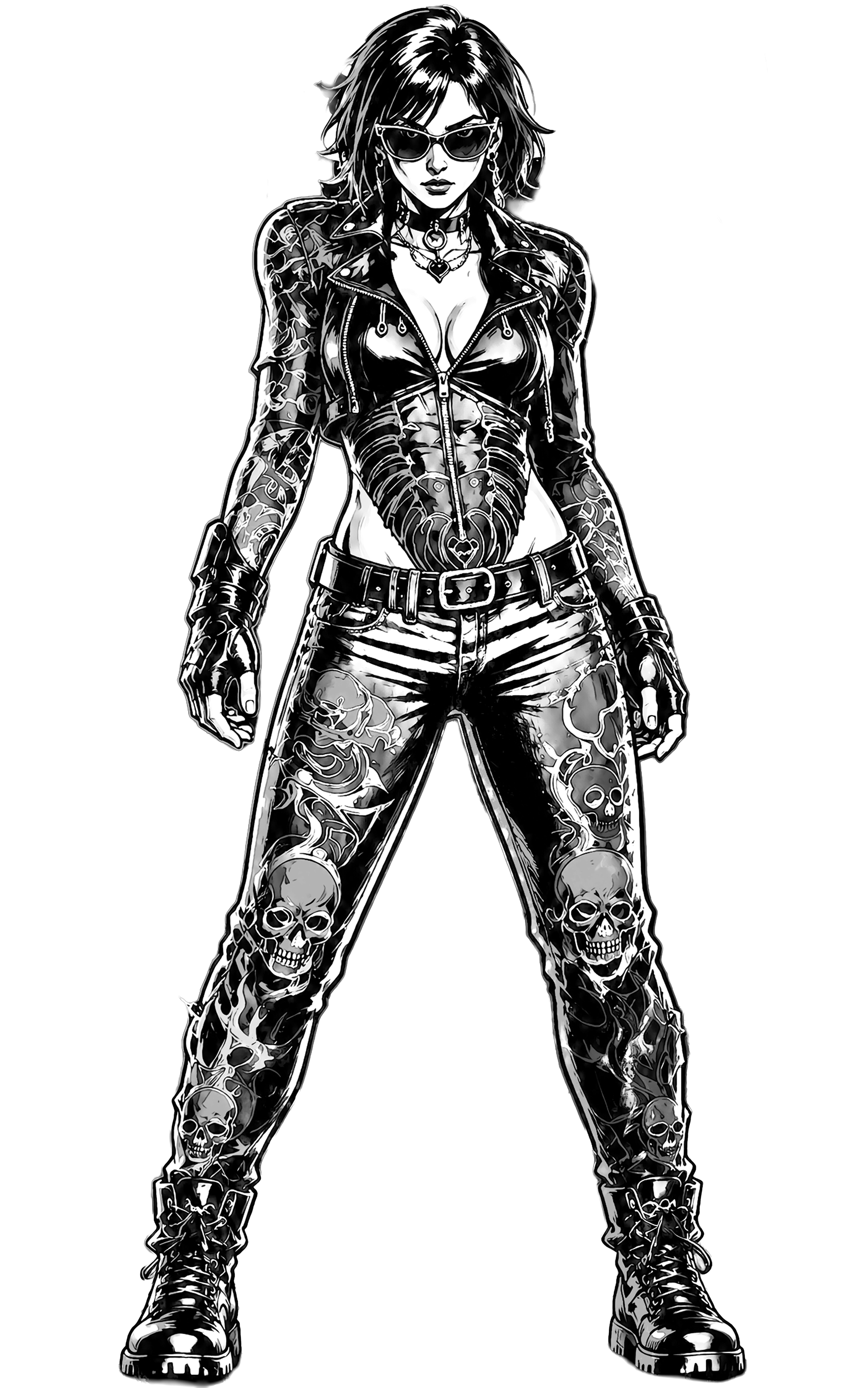
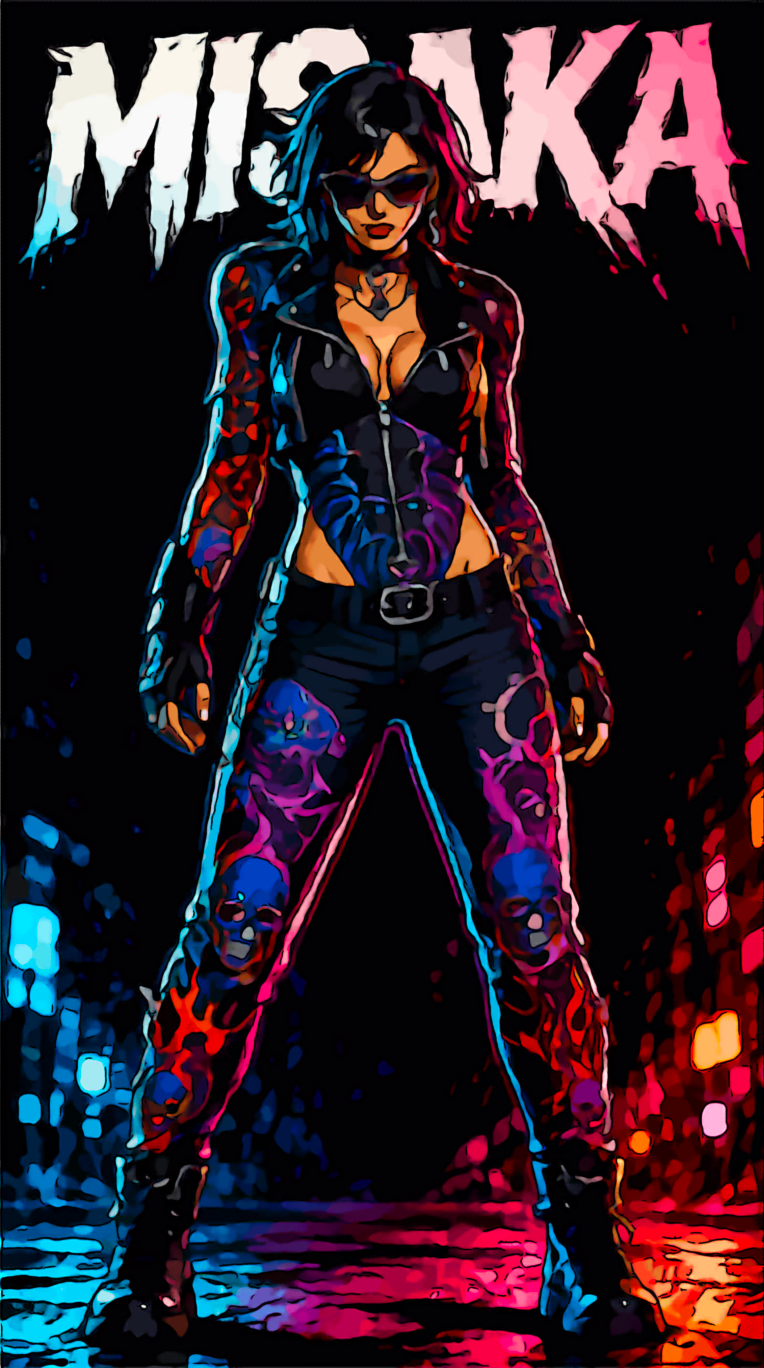
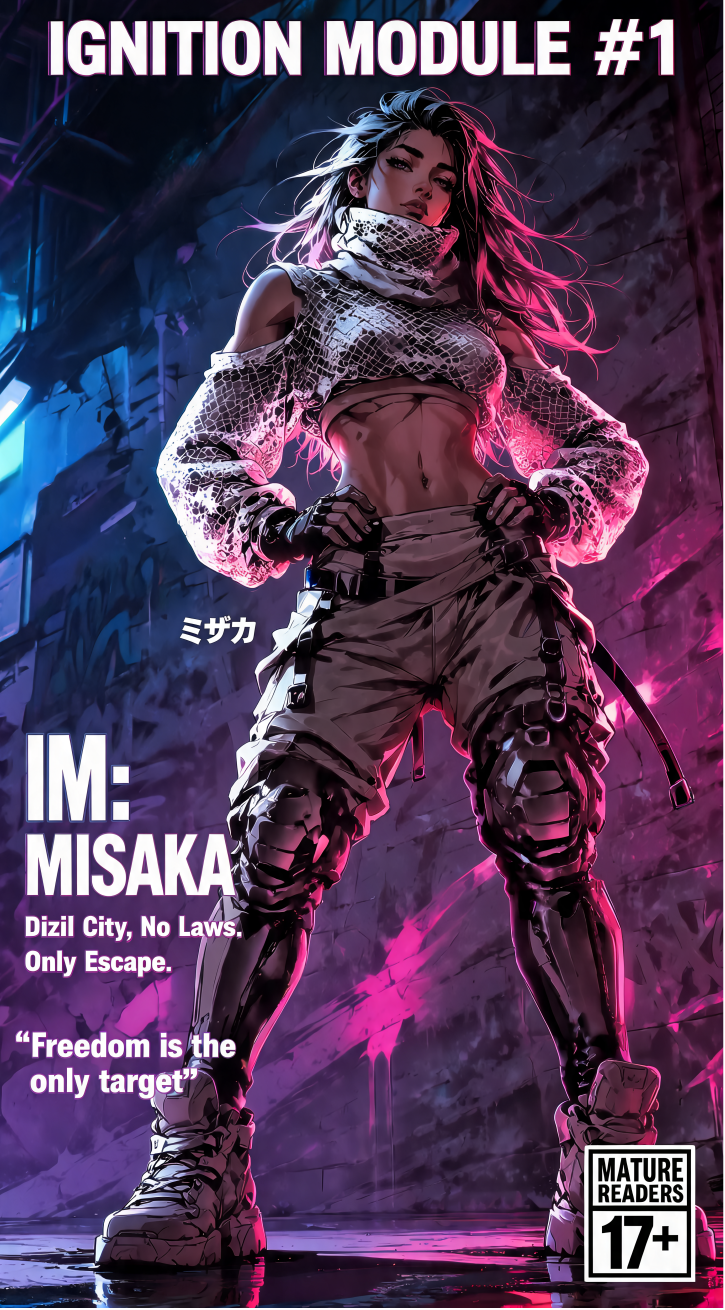
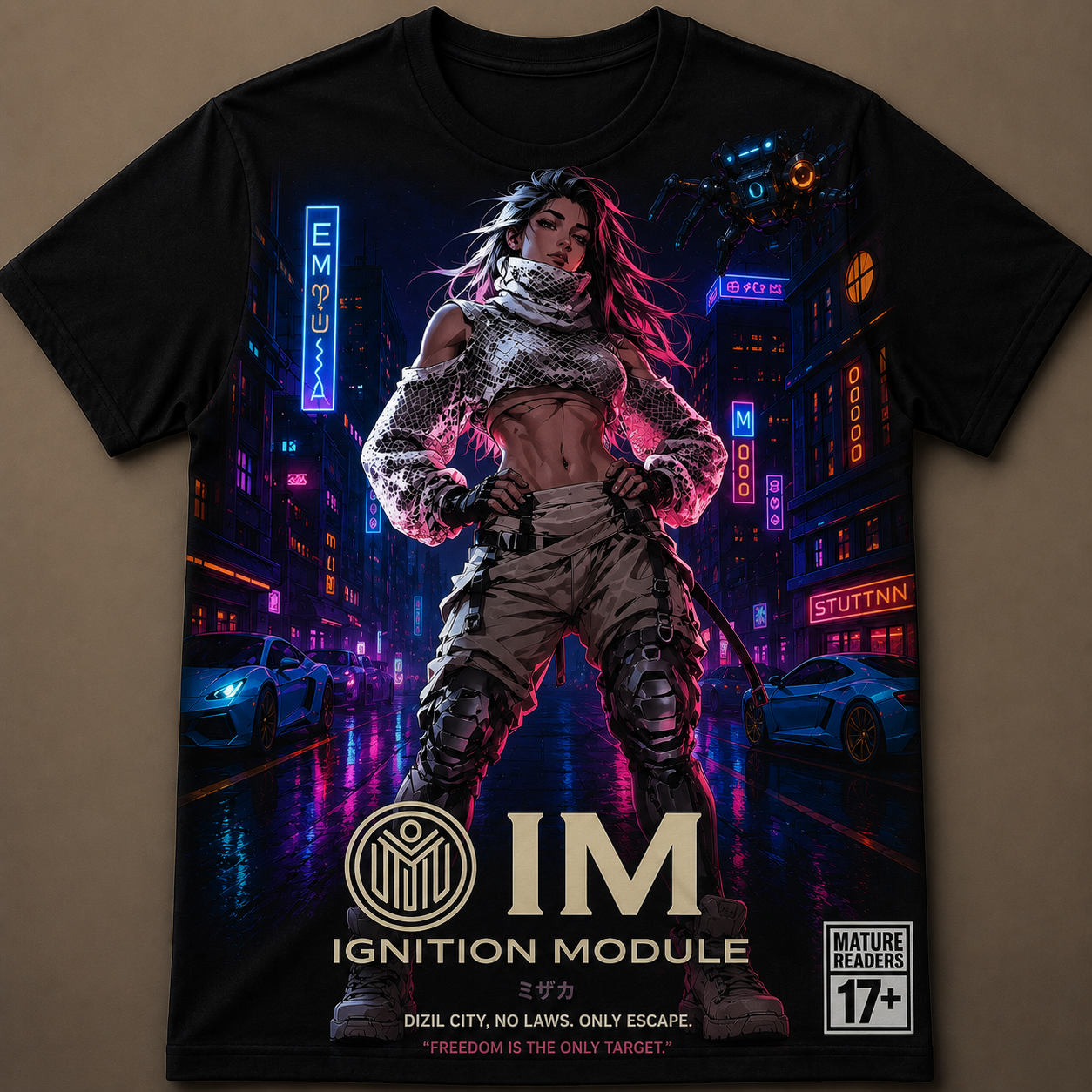
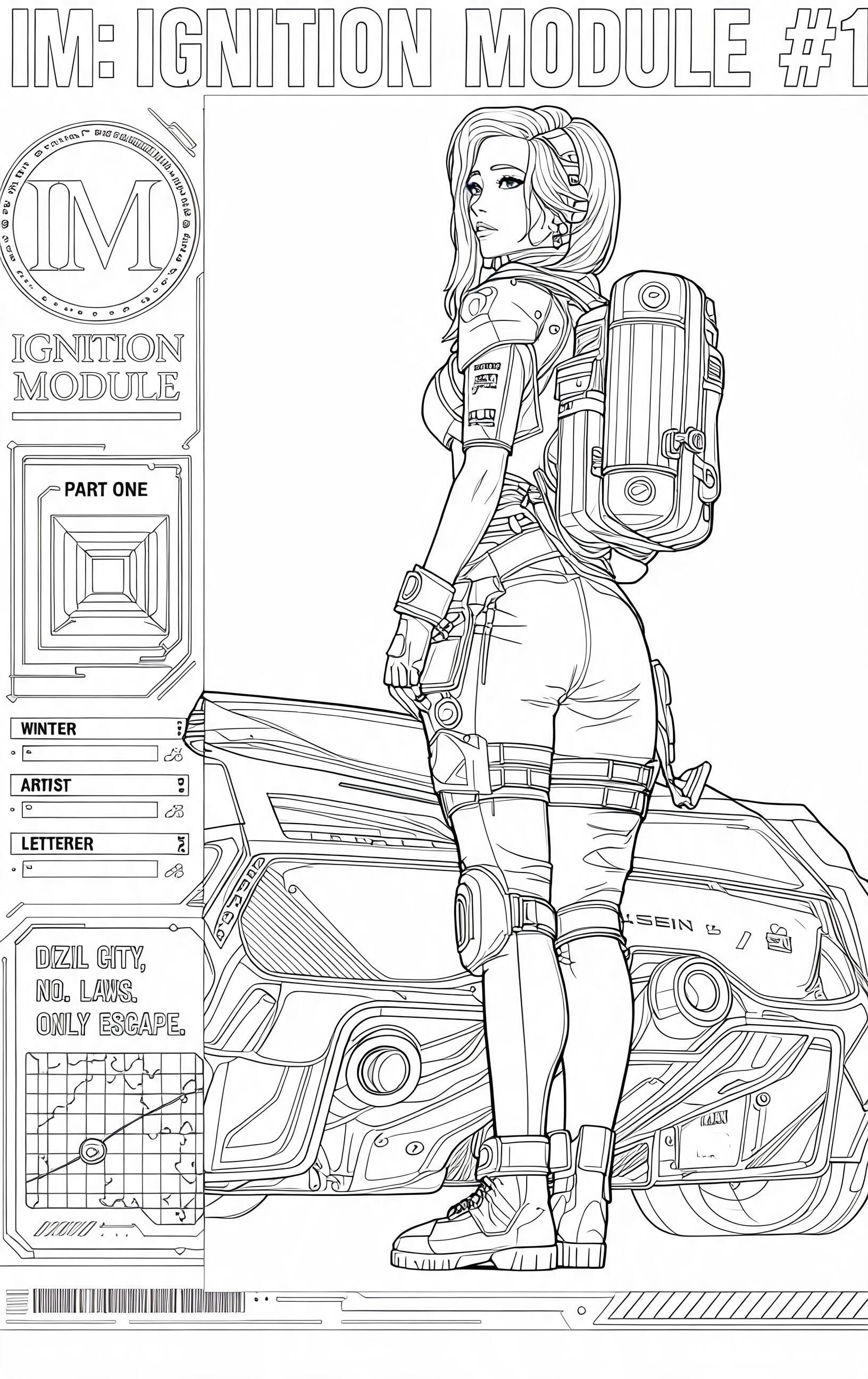
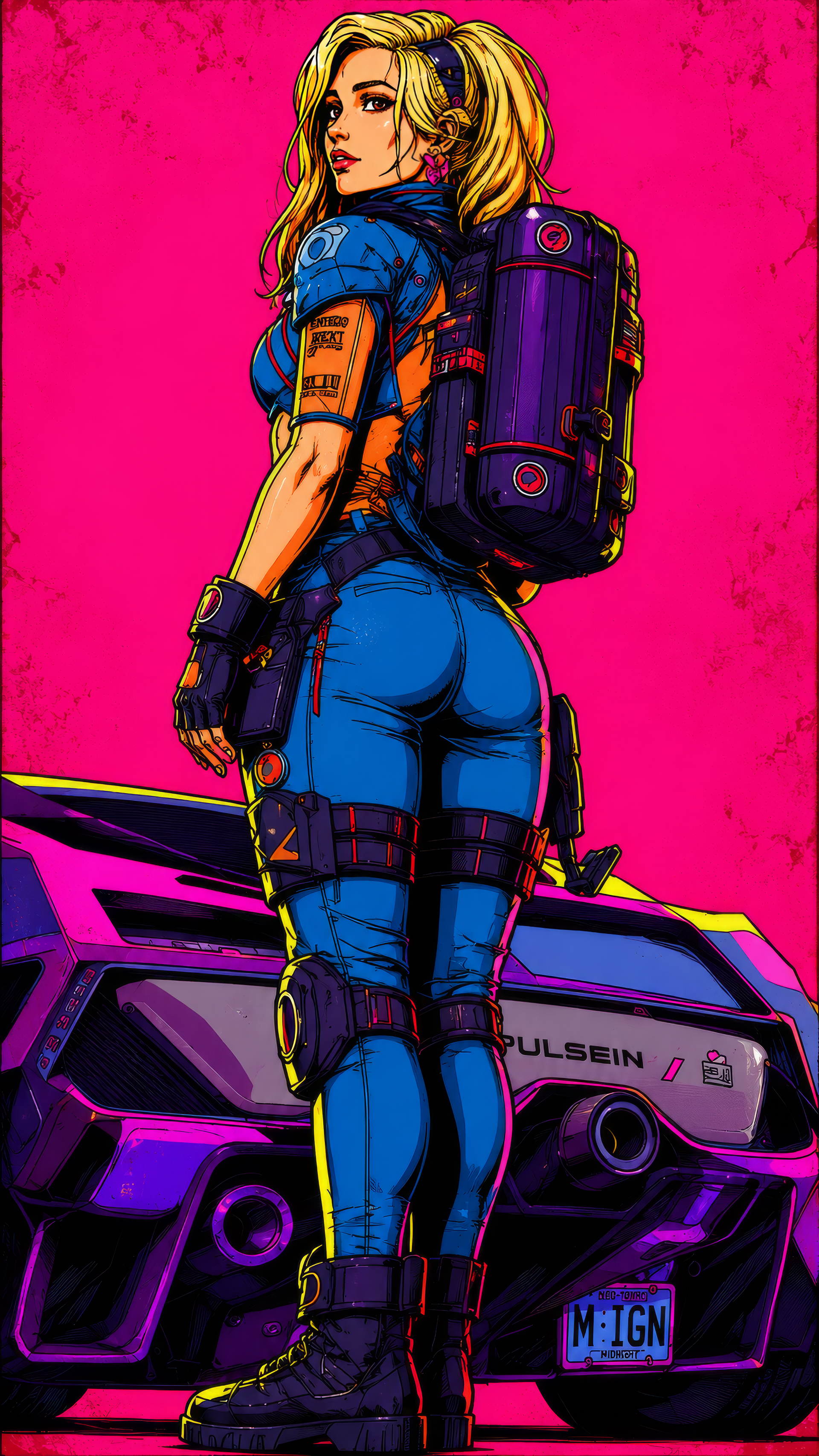
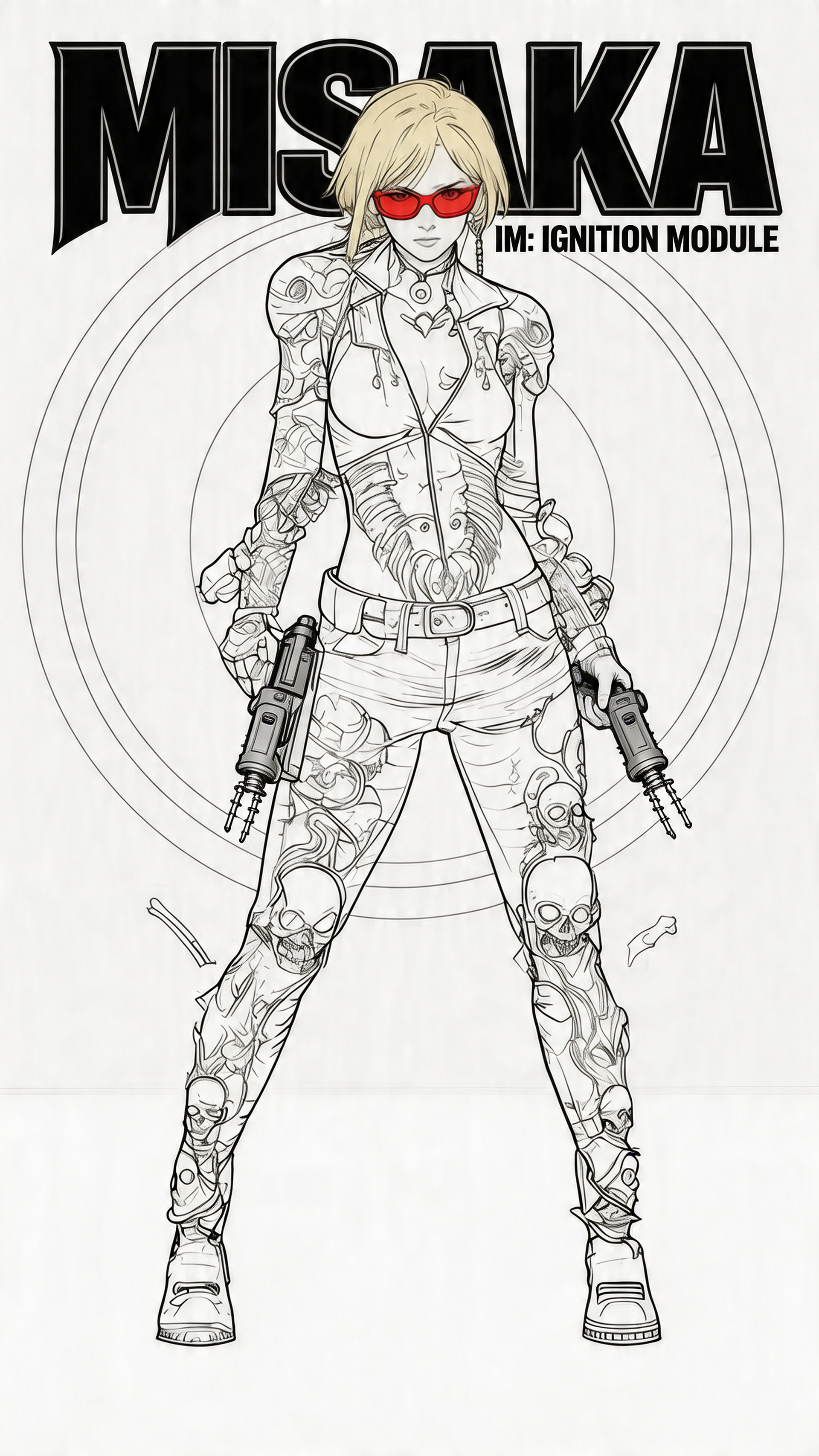
IM: MISAKA
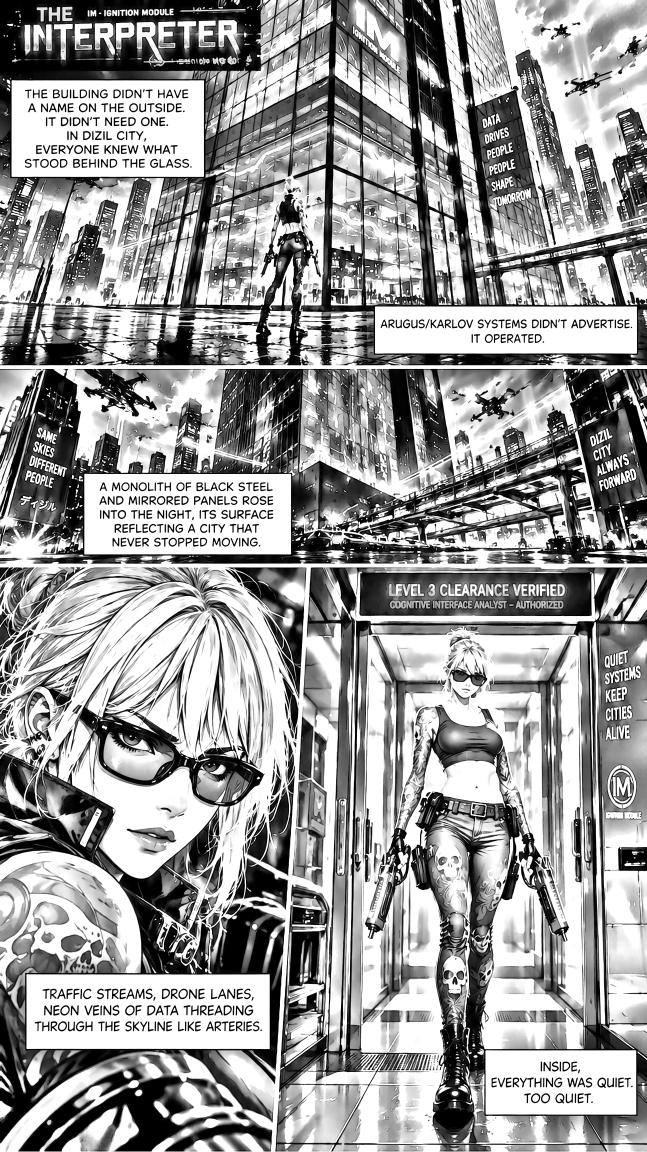
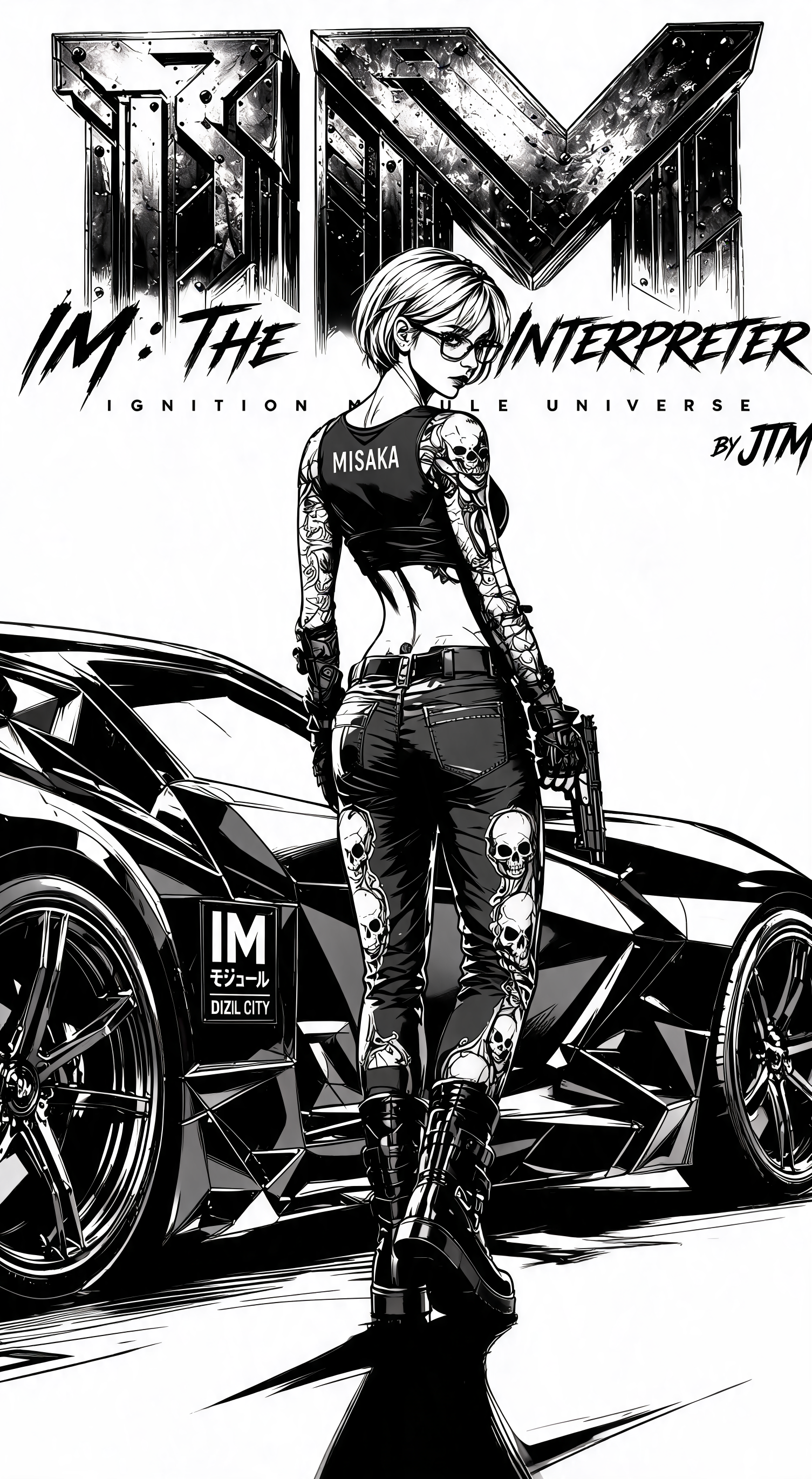
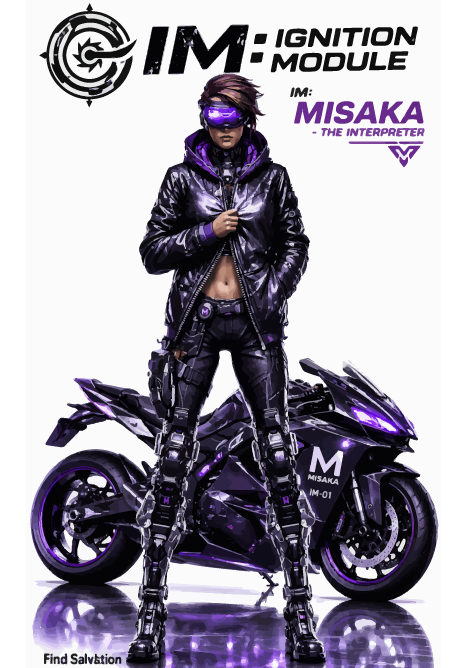
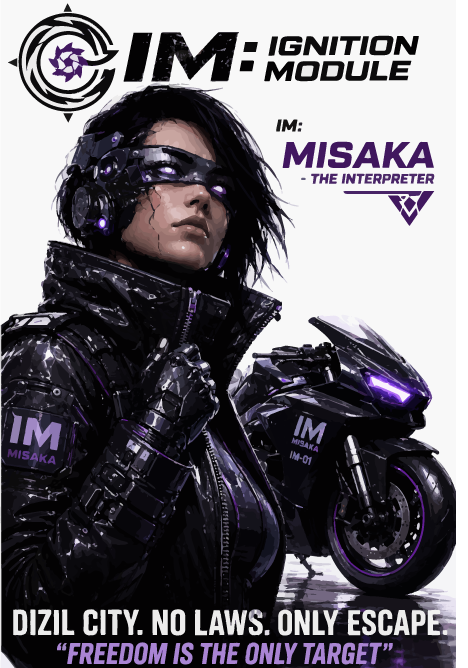
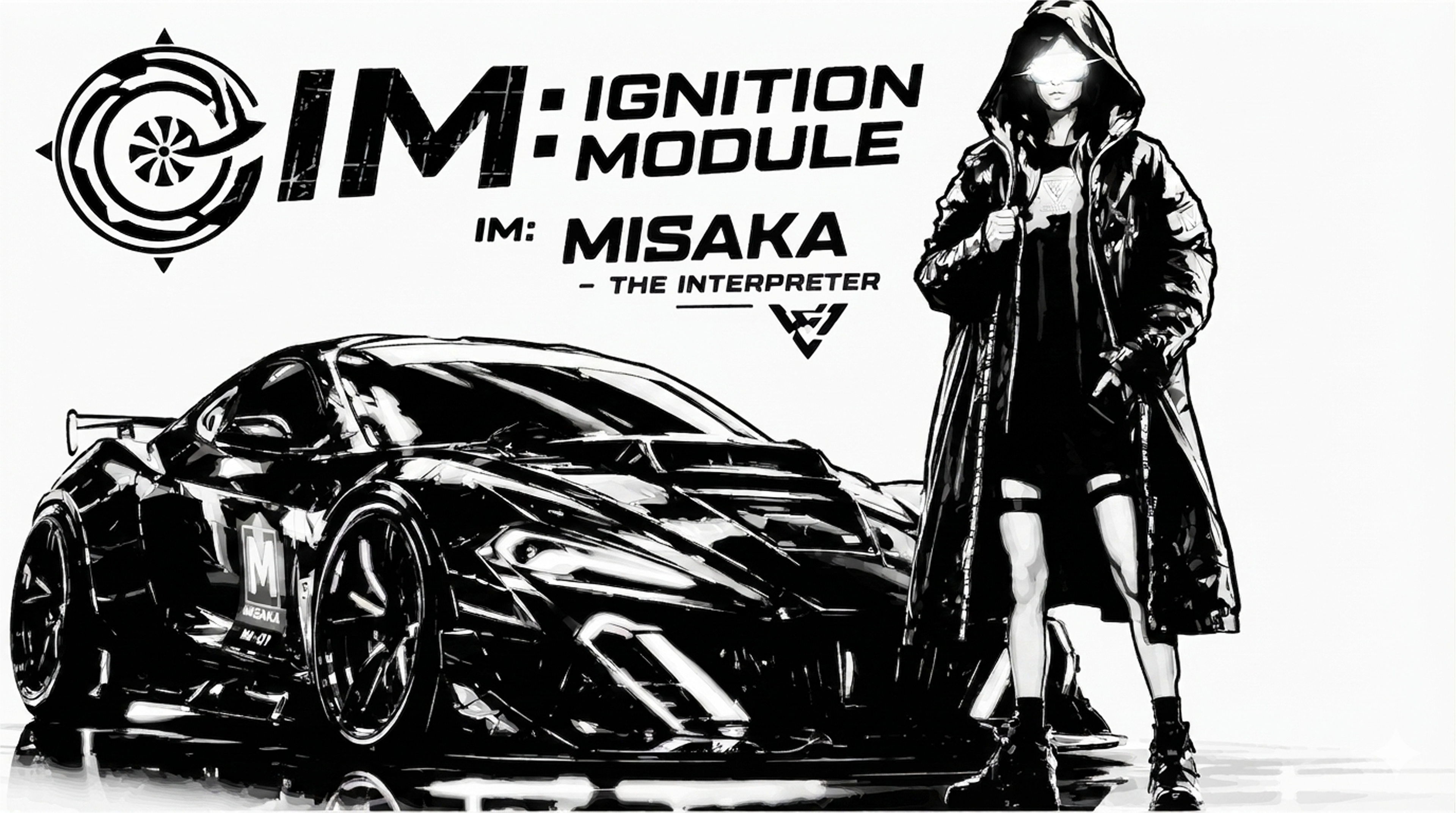
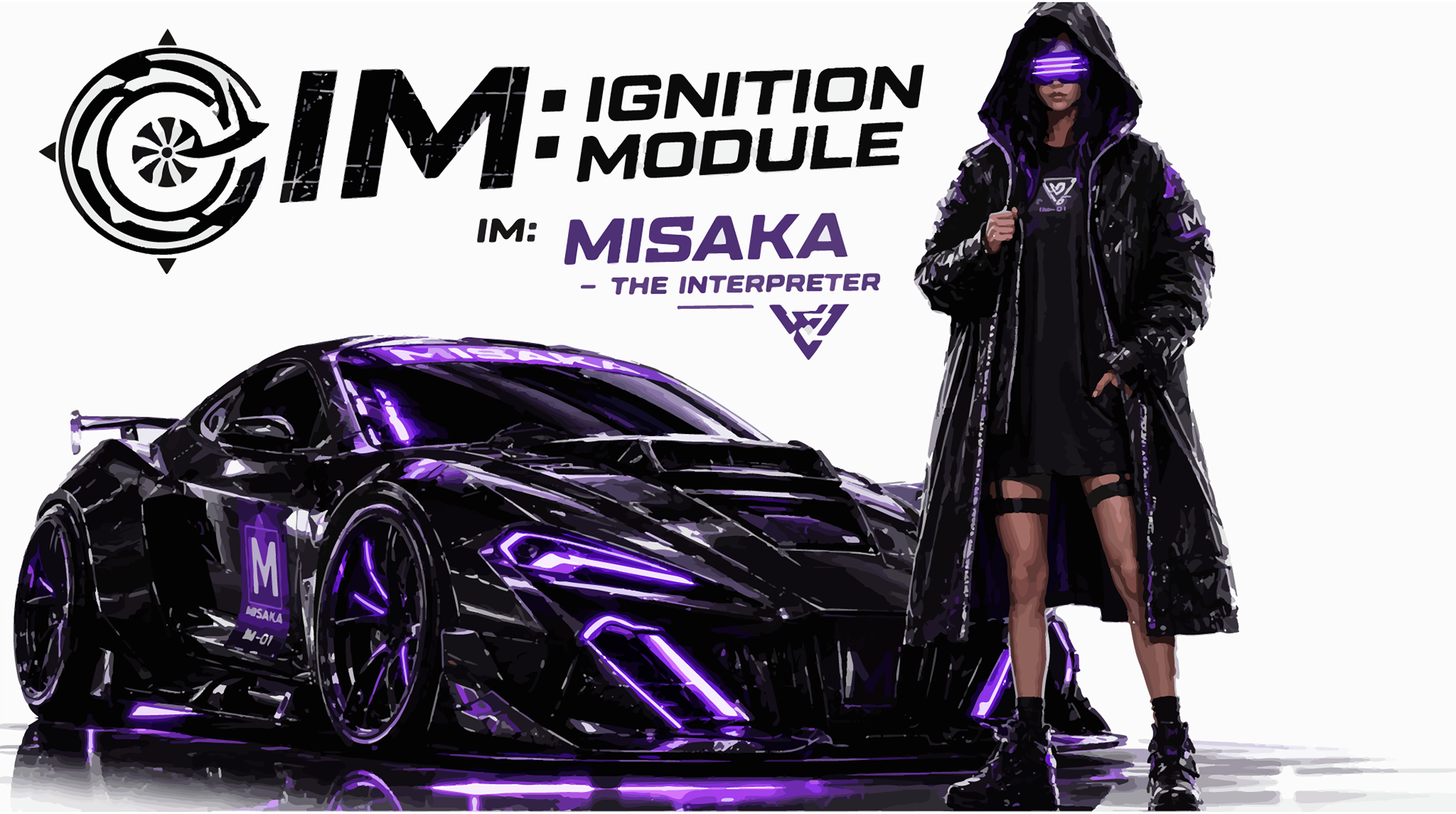
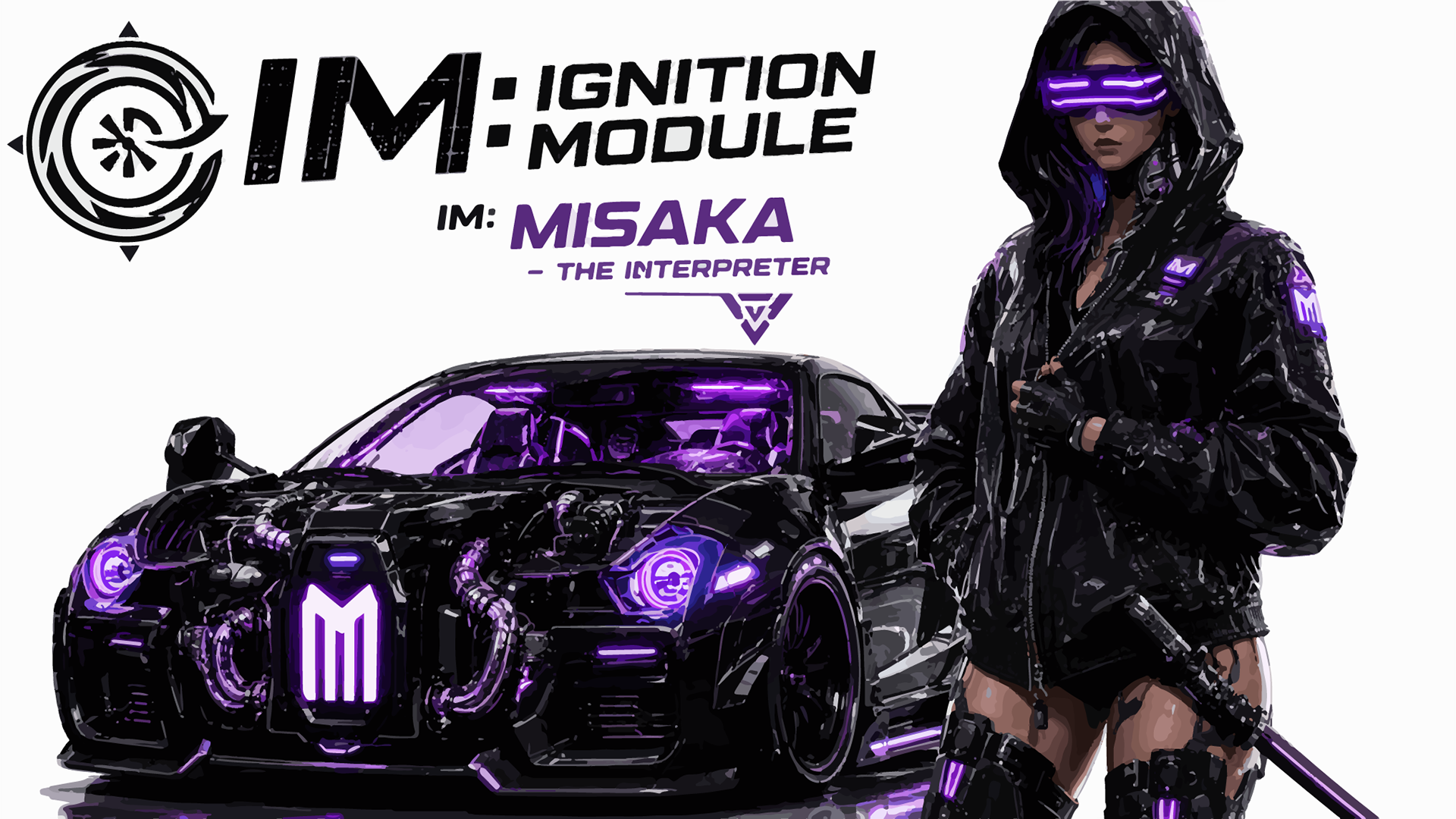
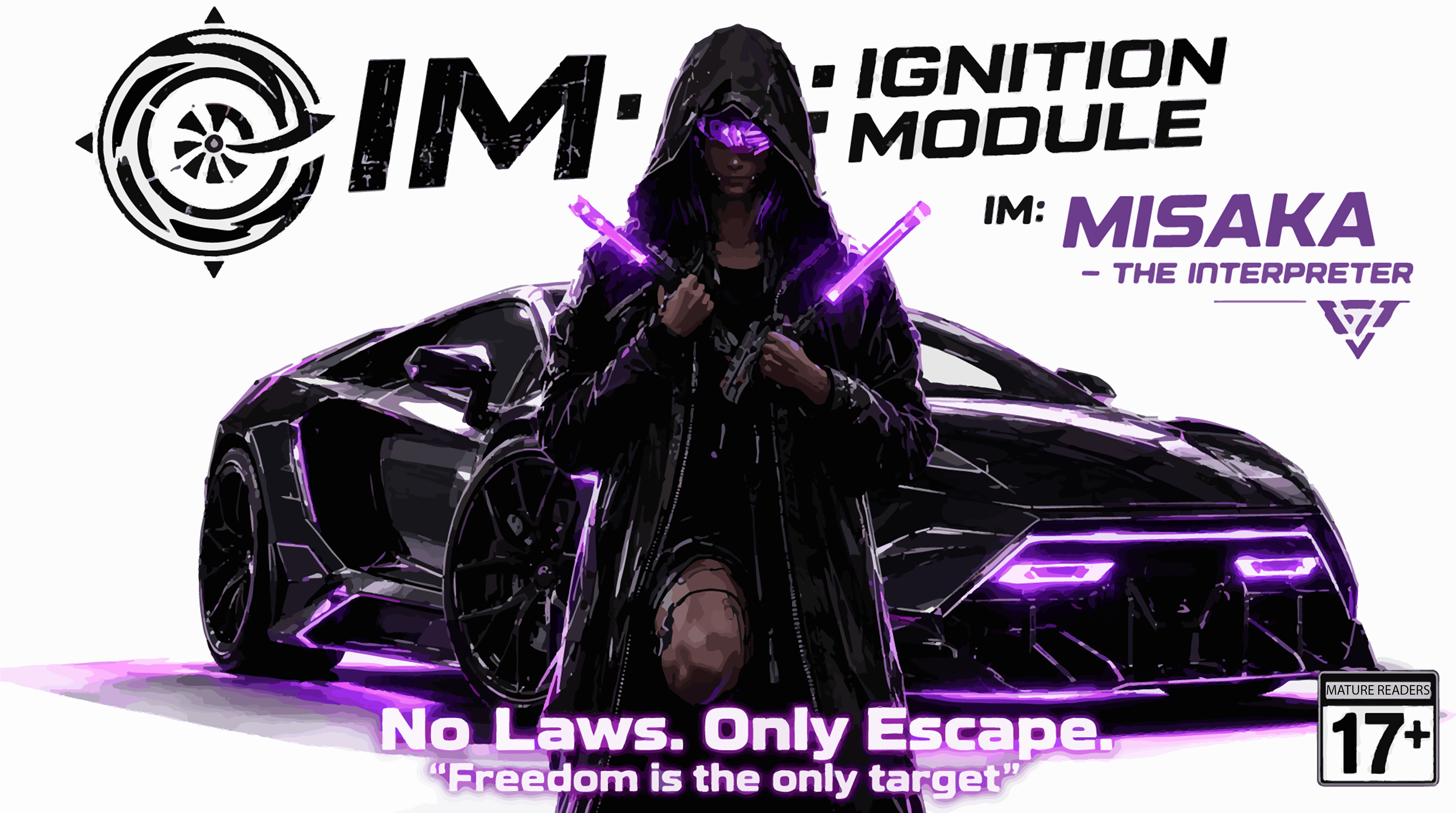
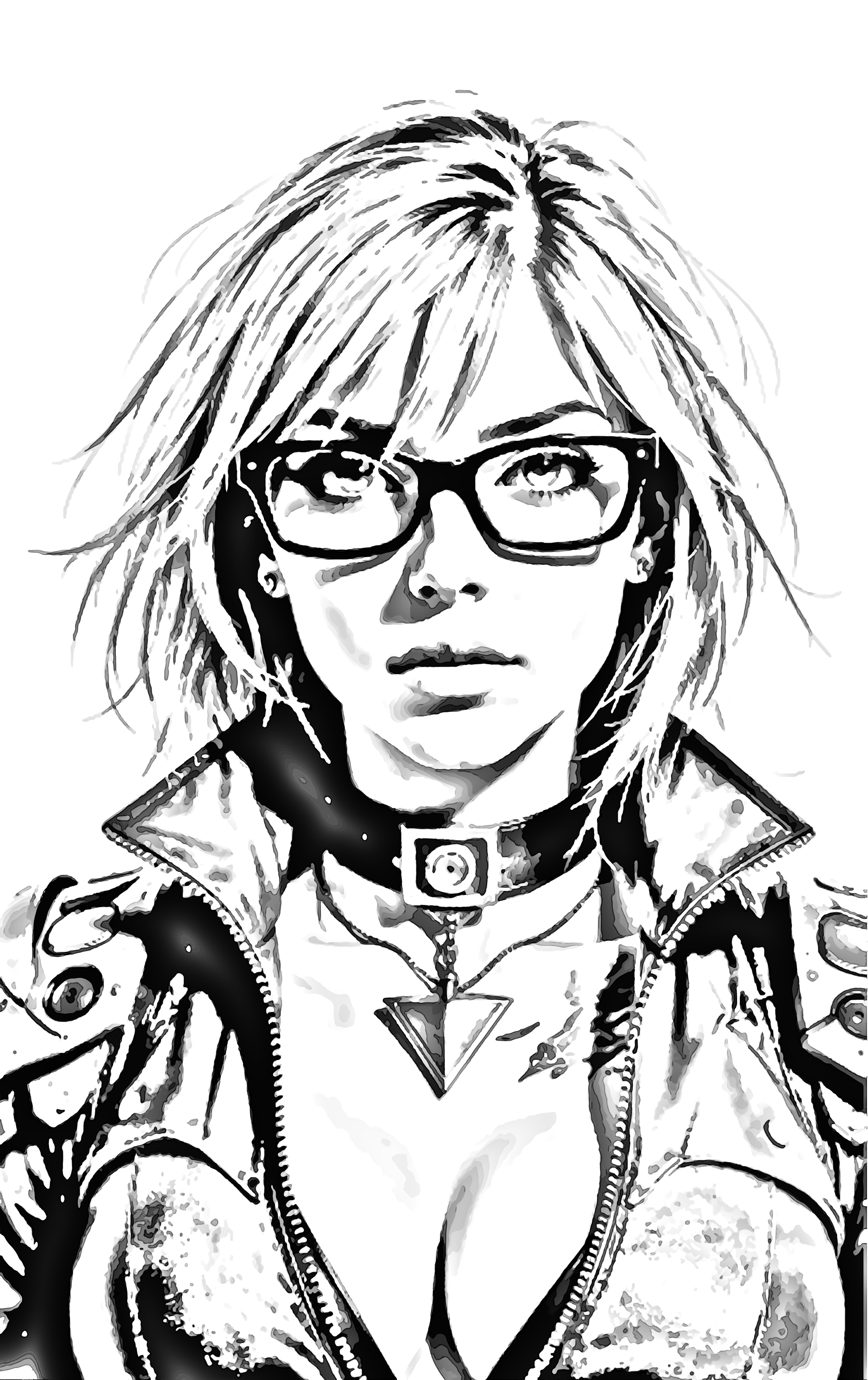
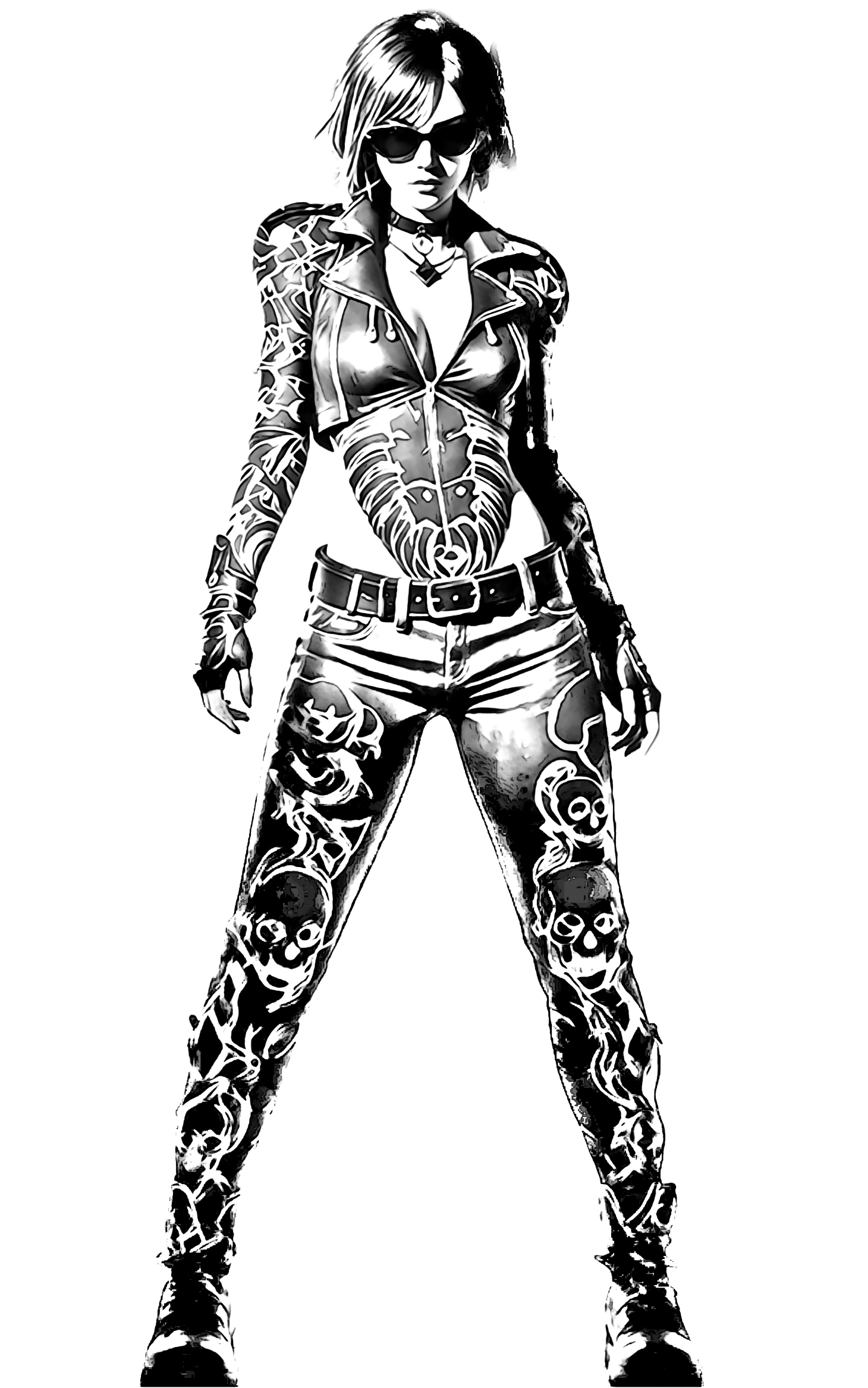
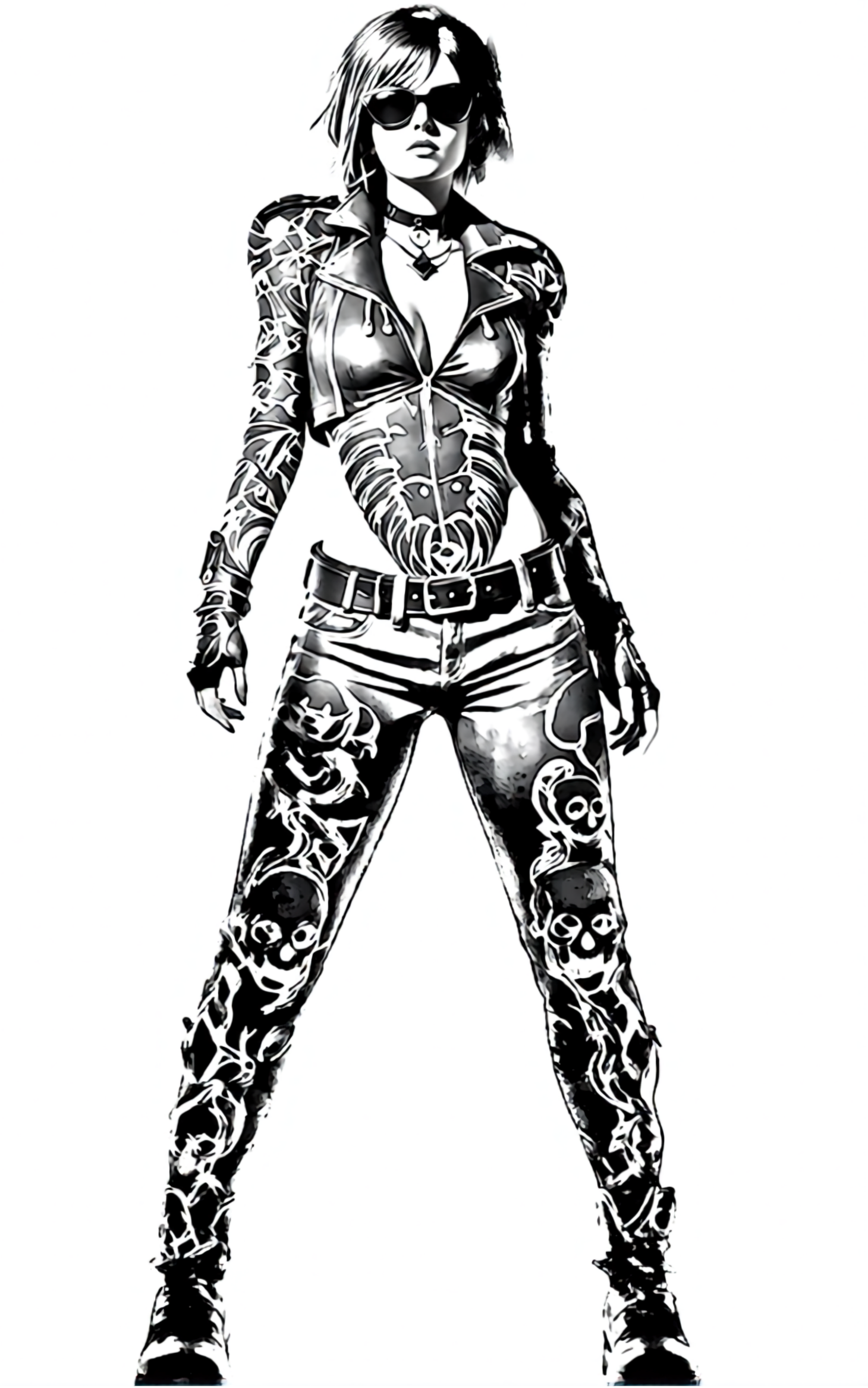
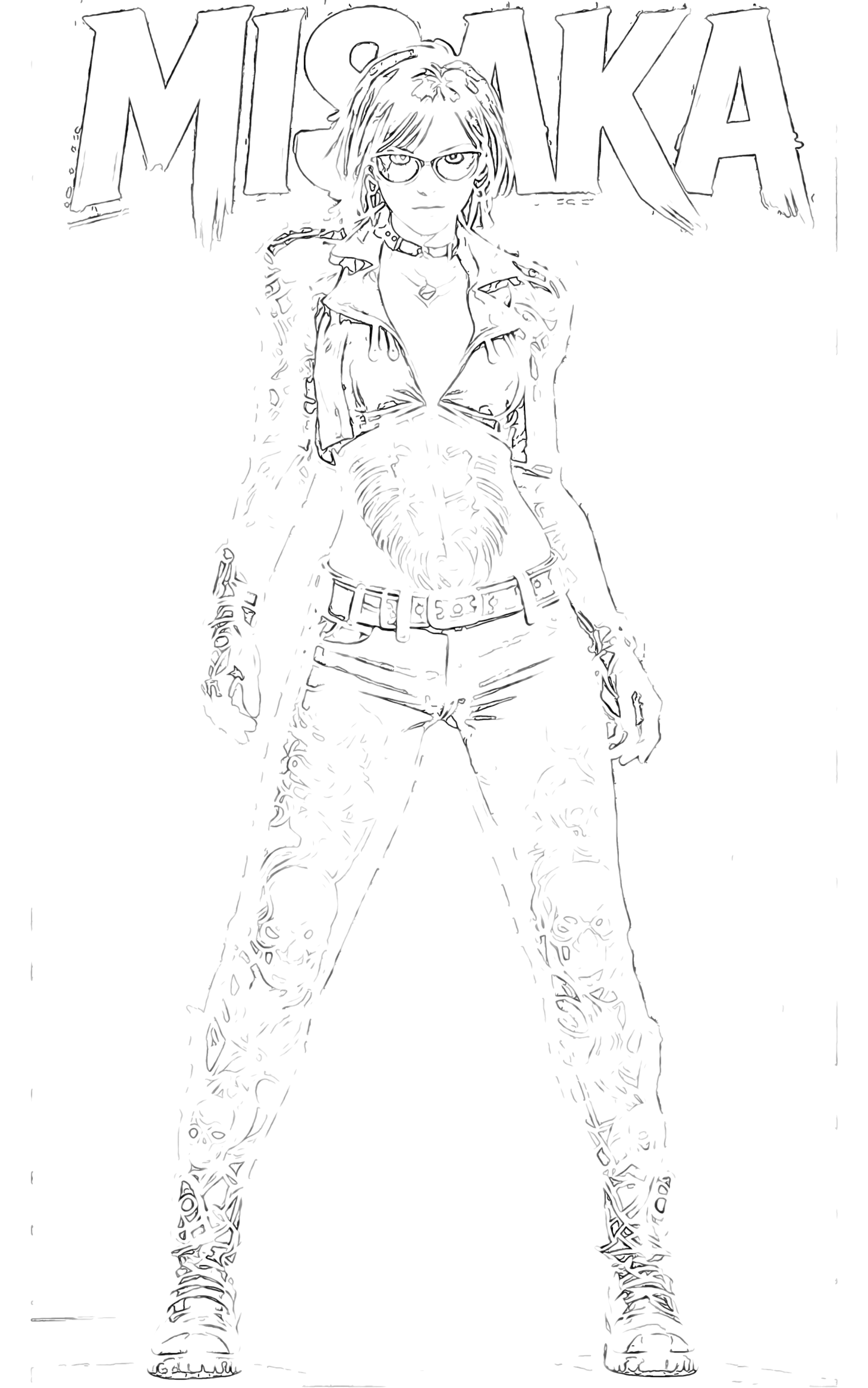
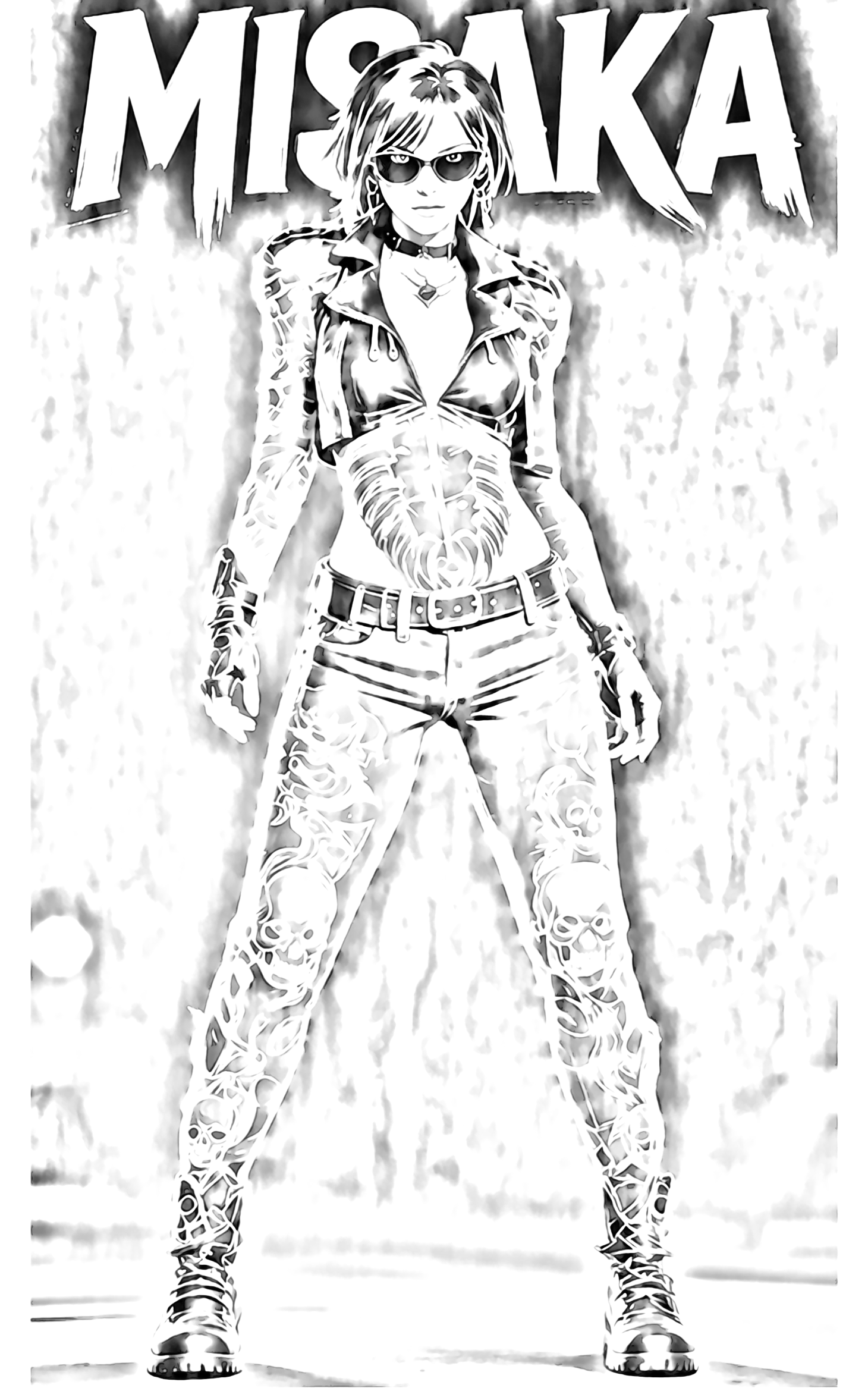
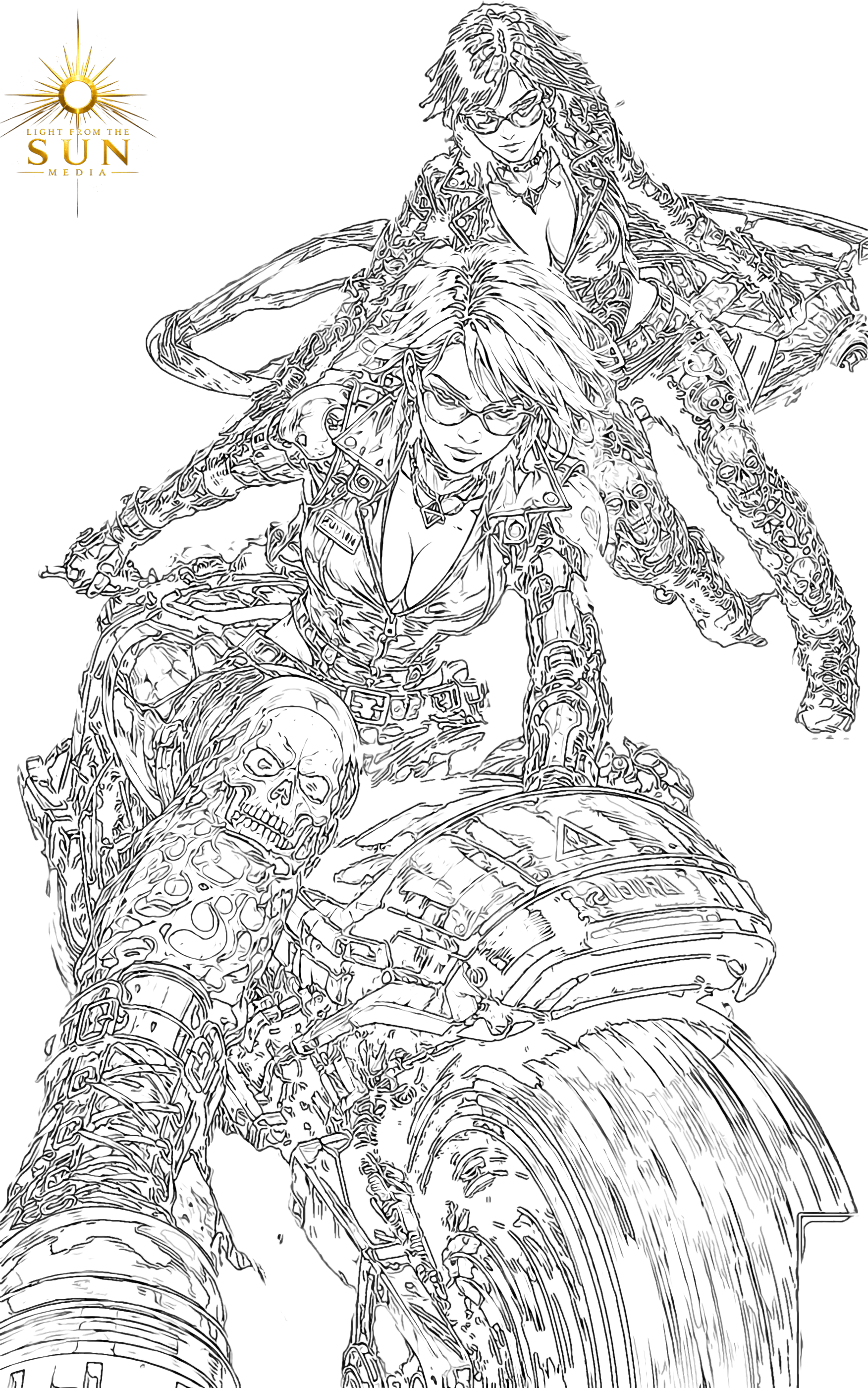
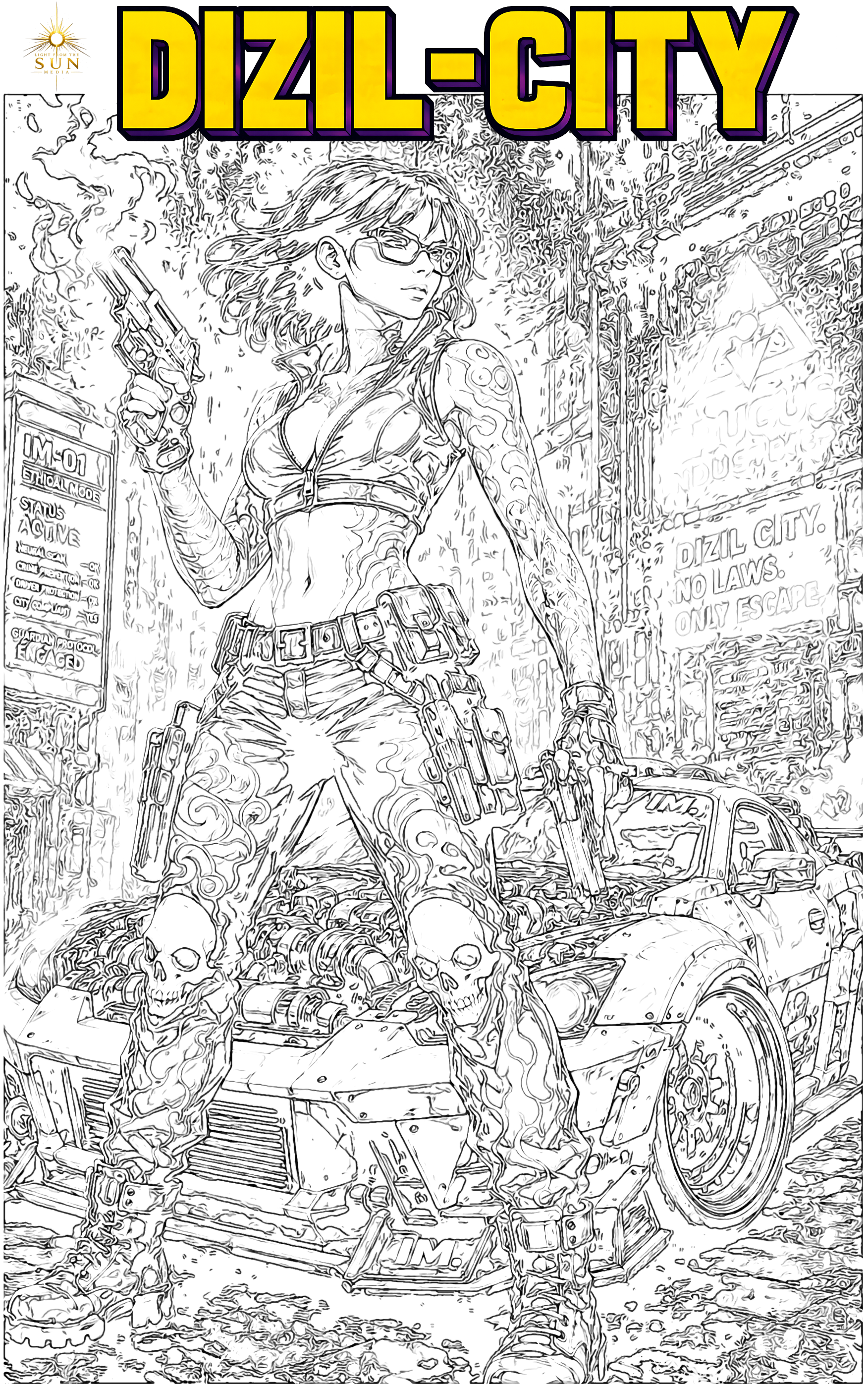
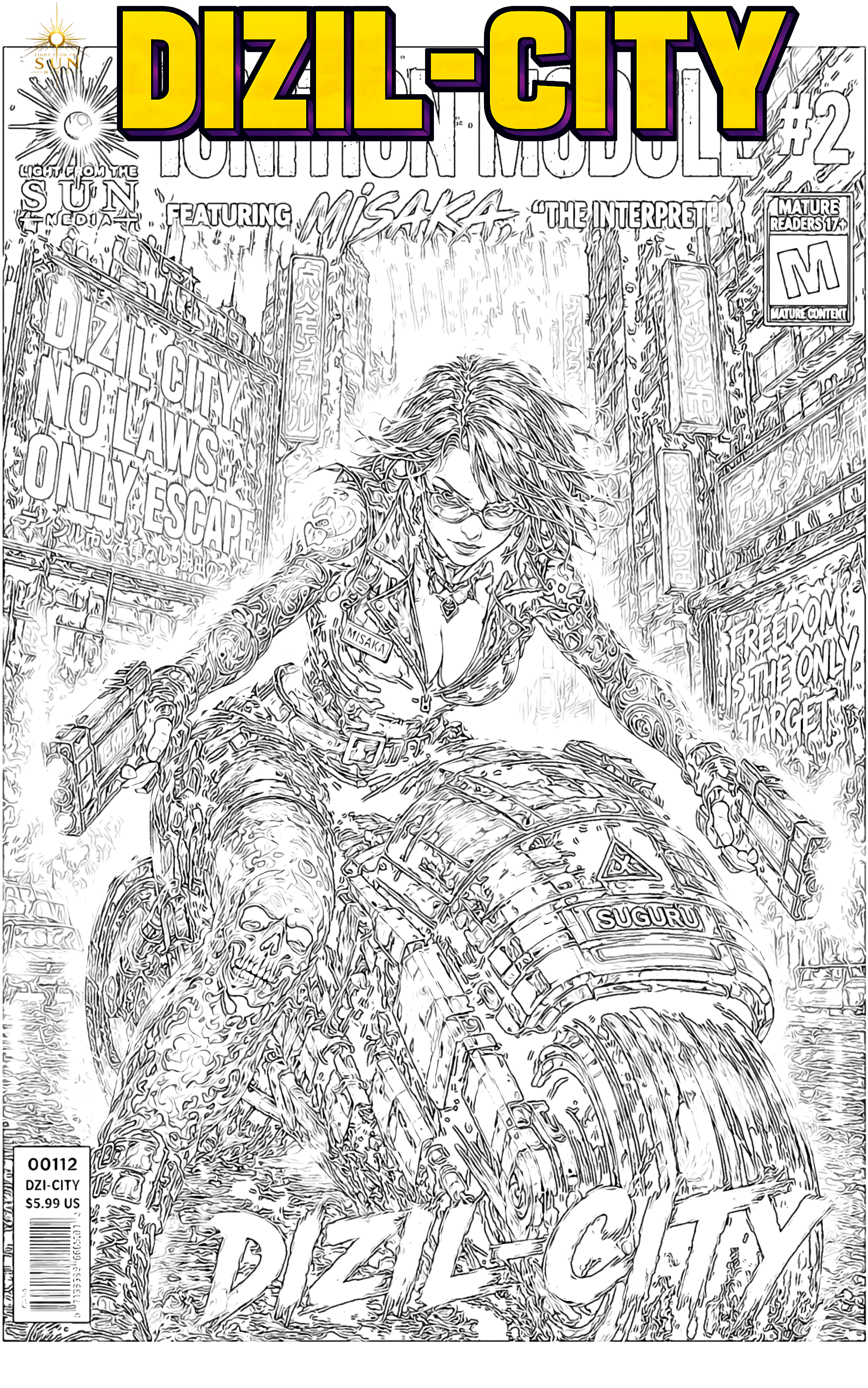
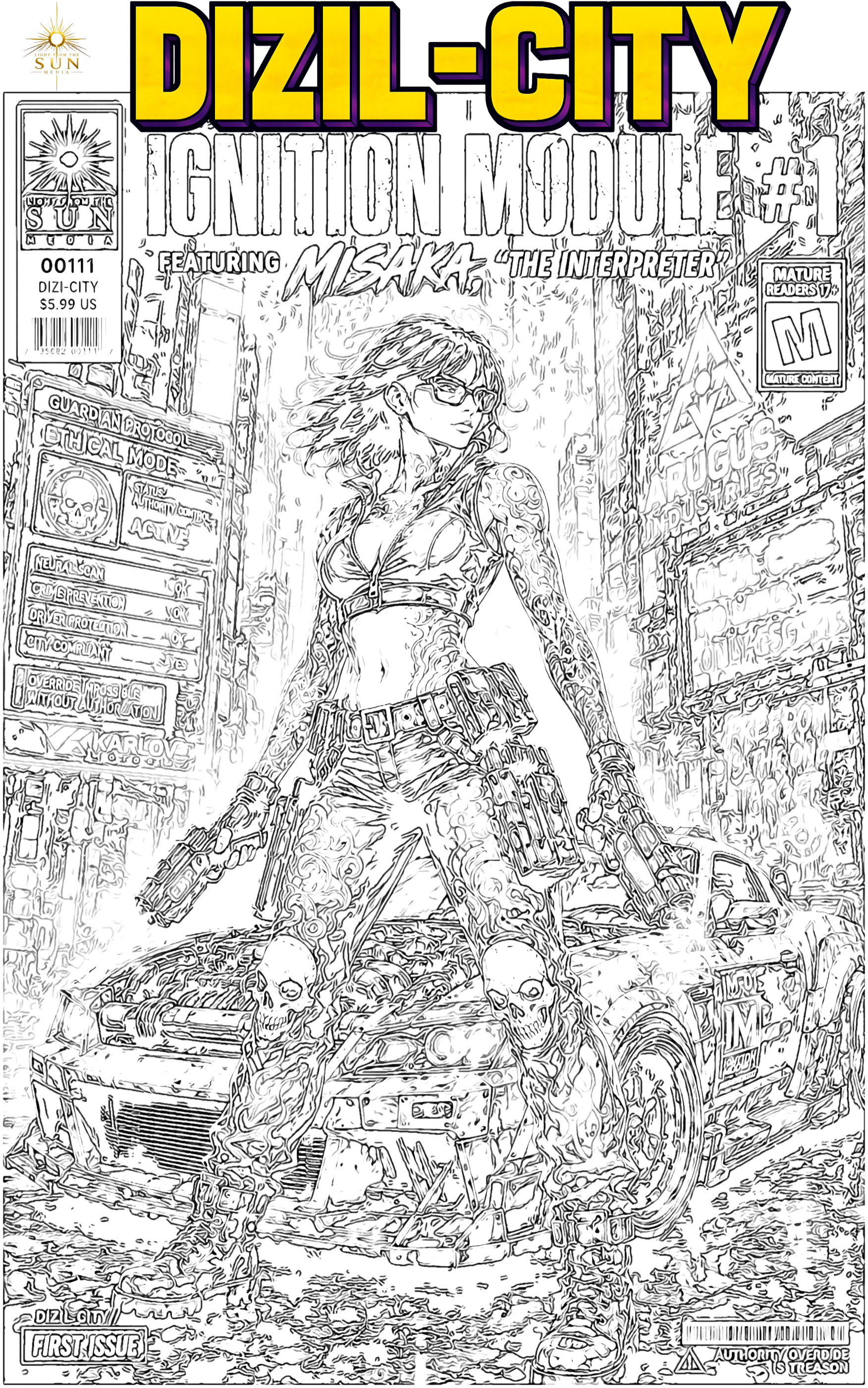
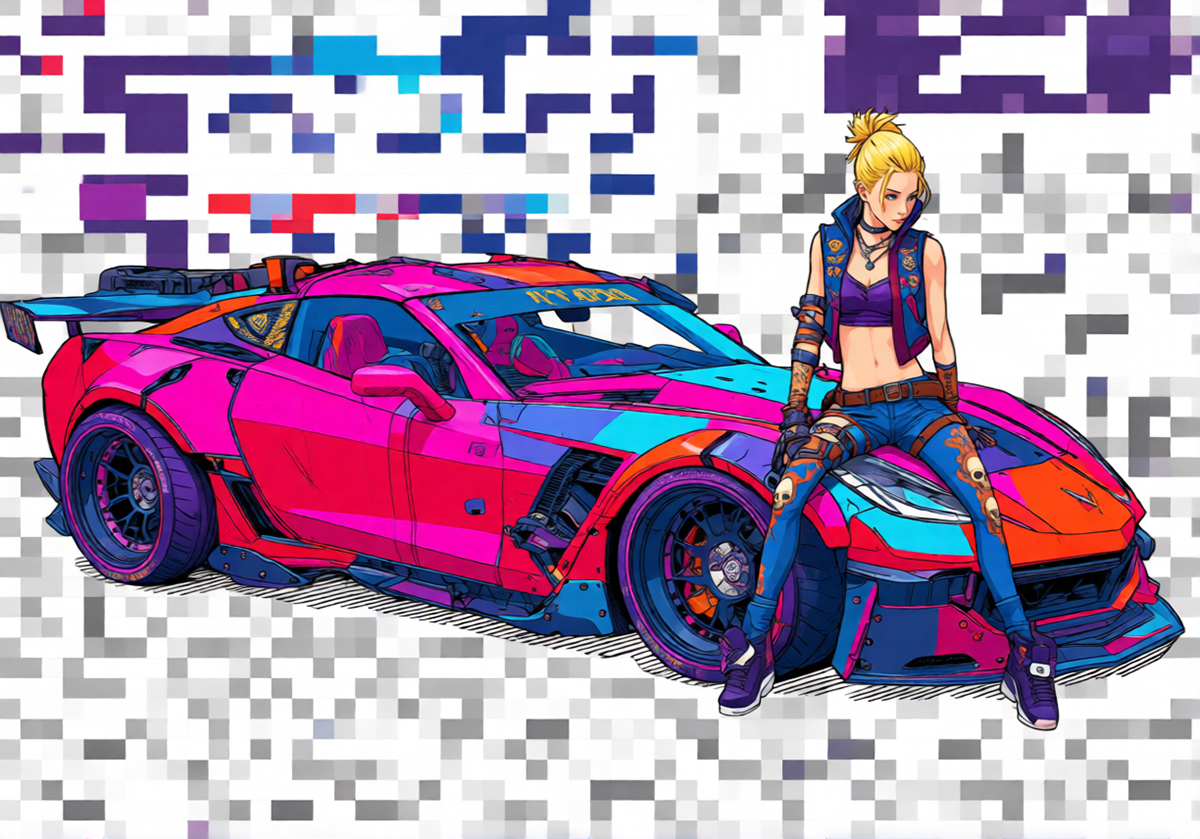
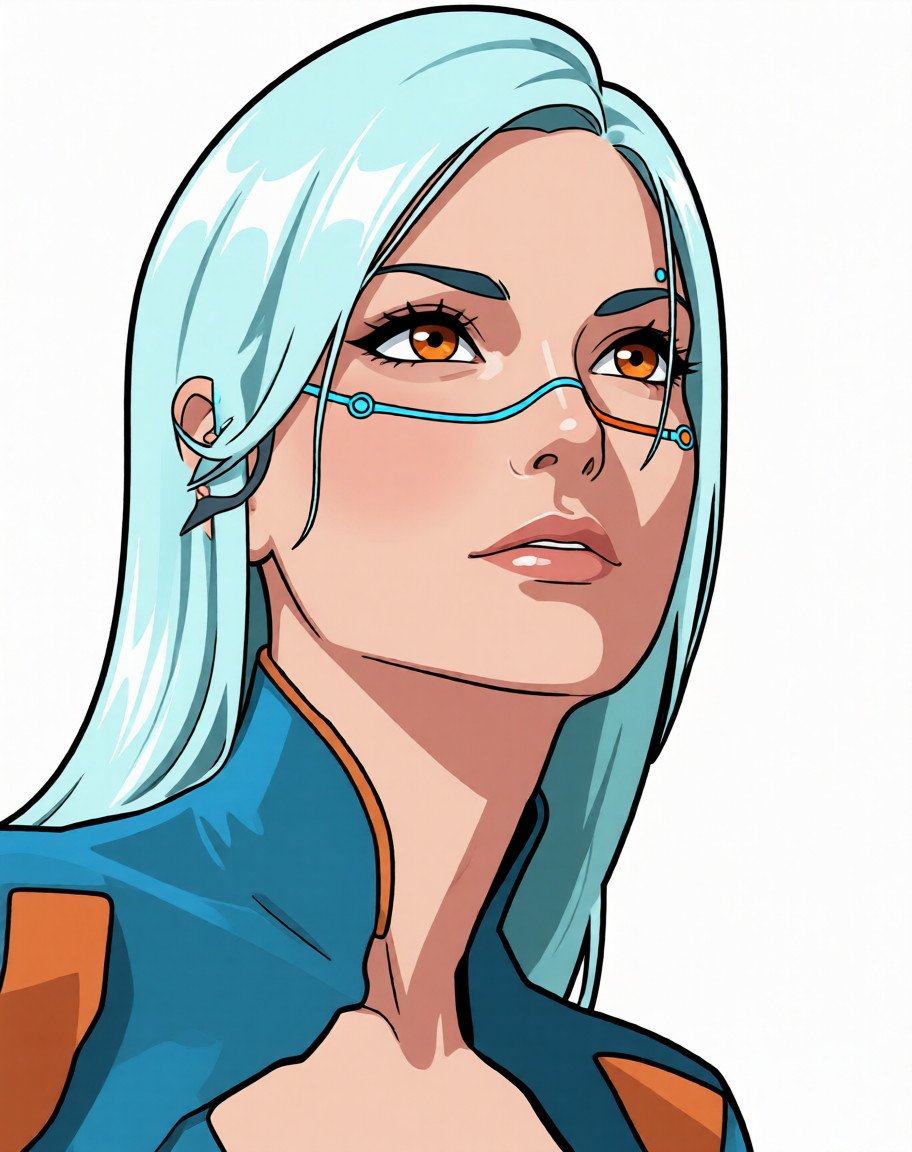
“The Interpreter” At Arugus/Karlov Systems, Misaka became one of the youngest cognitive interface analysts to pass Level-3 clearance. Her specialty was not writing code, it was translating human behavior into prediction models. She reads intent before action. She sees patterns before systems admit they exist. In Dizil City, where Karlov’s “Ethical Mode” can scan neural intent and turn safety into control, Misaka understands the machine from the inside. Blonde, sharp-eyed, tactical, and always calculating, Misaka stands at the crossroads between corporate intelligence and rebel survival. She doesn’t hack the system. She interprets why it thinks you’re guilty.
#MISAKA #IgnitionModule #DizilCity #TheInterpreter #CyberpunkComics #LightFromTheSunMedia #IMUniverse
MISAKA

https://www.printful.com/product-template/56730289/03c43e1fad369c321ee9534c196fd124
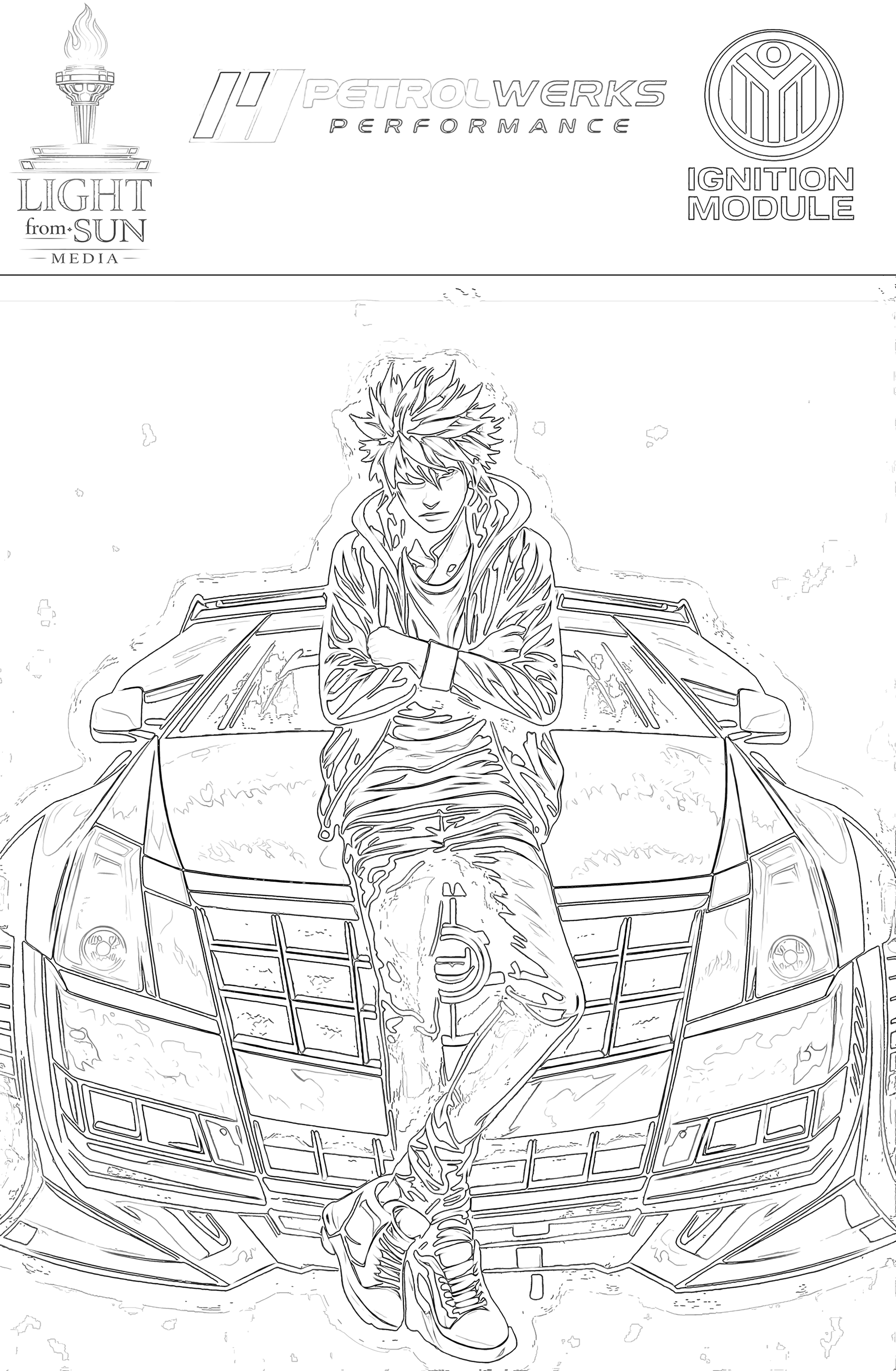
"No Hesi"
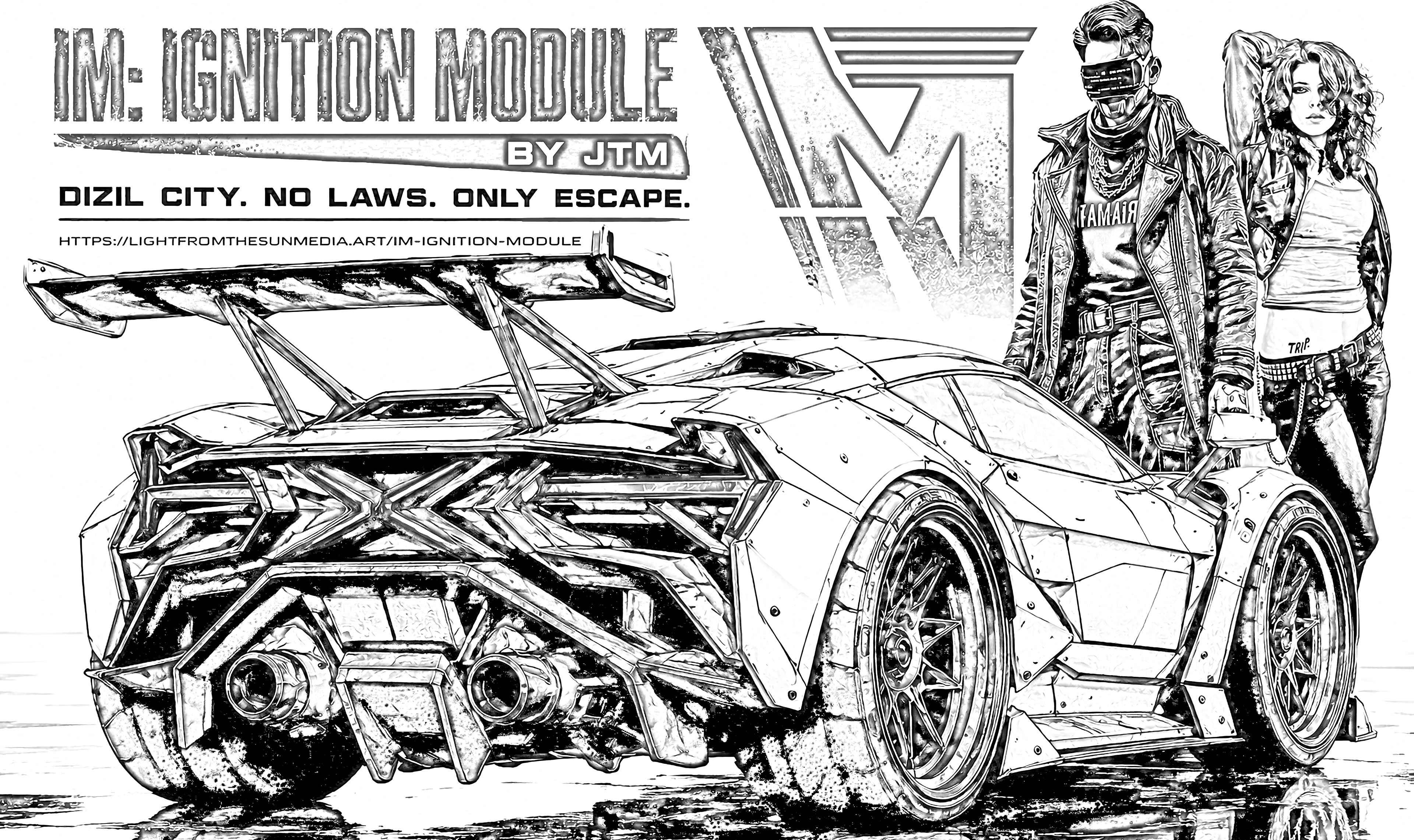
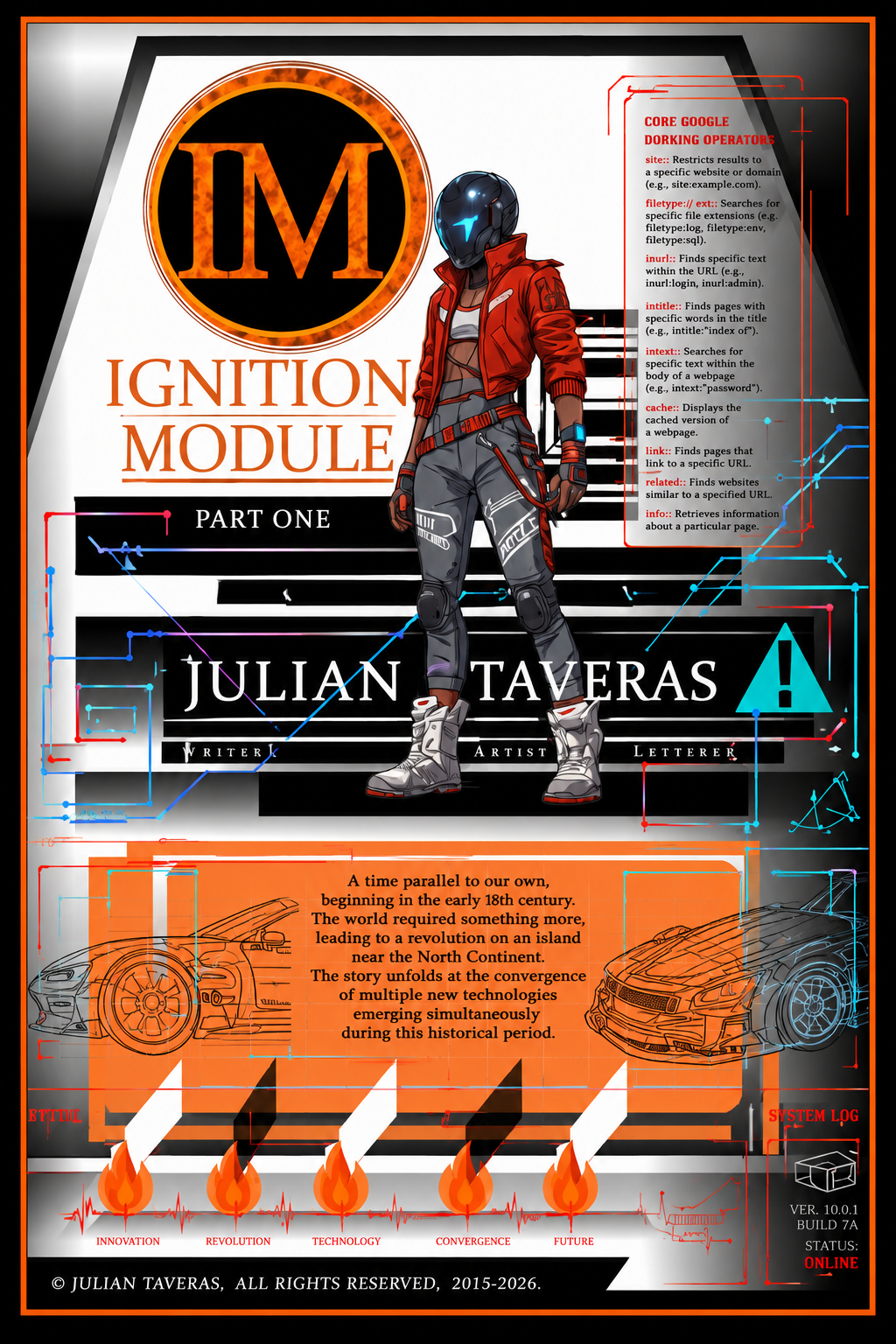
IM: Ignition Module
Story Arc Summary
by jtm
Setting:
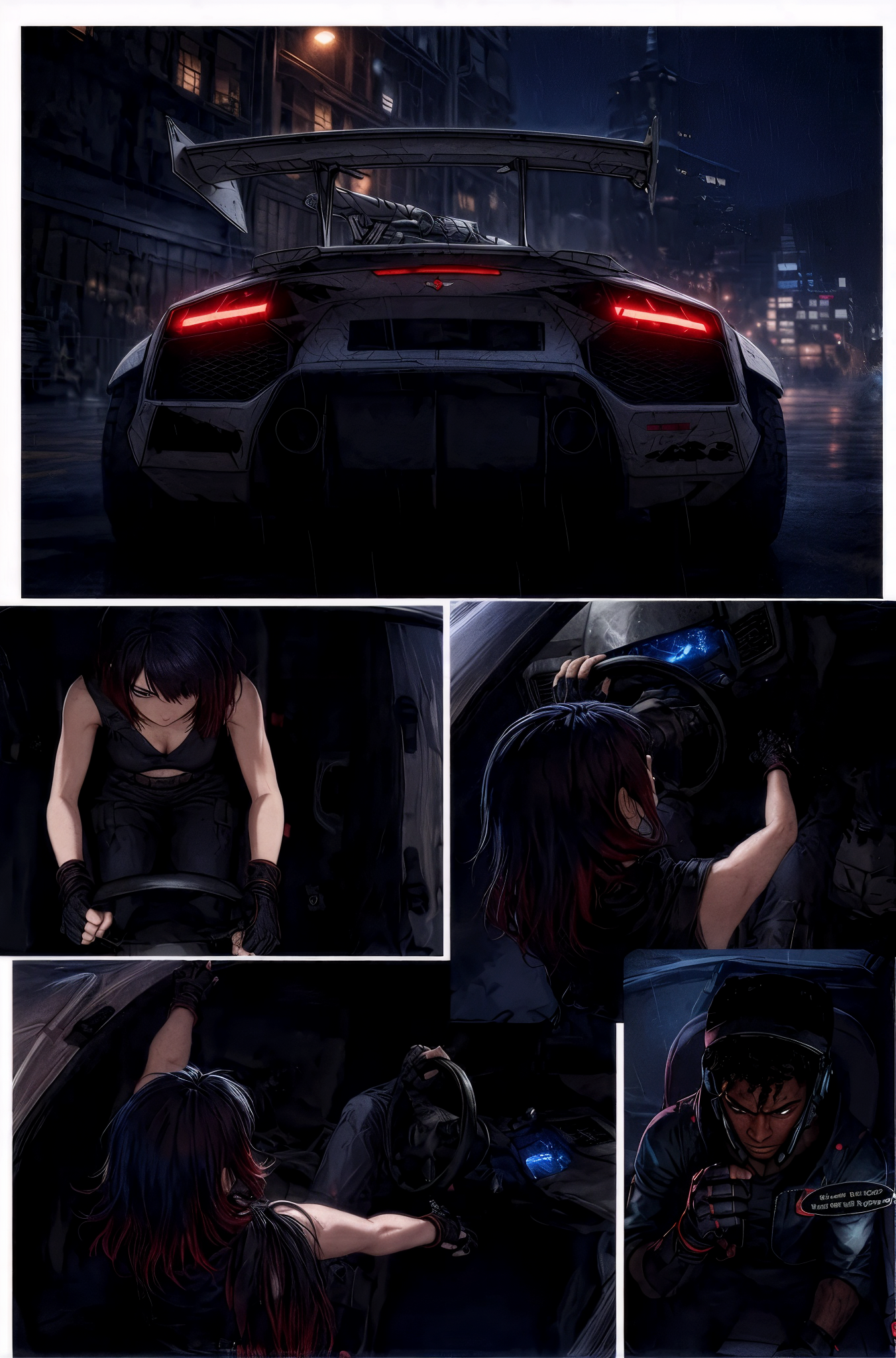
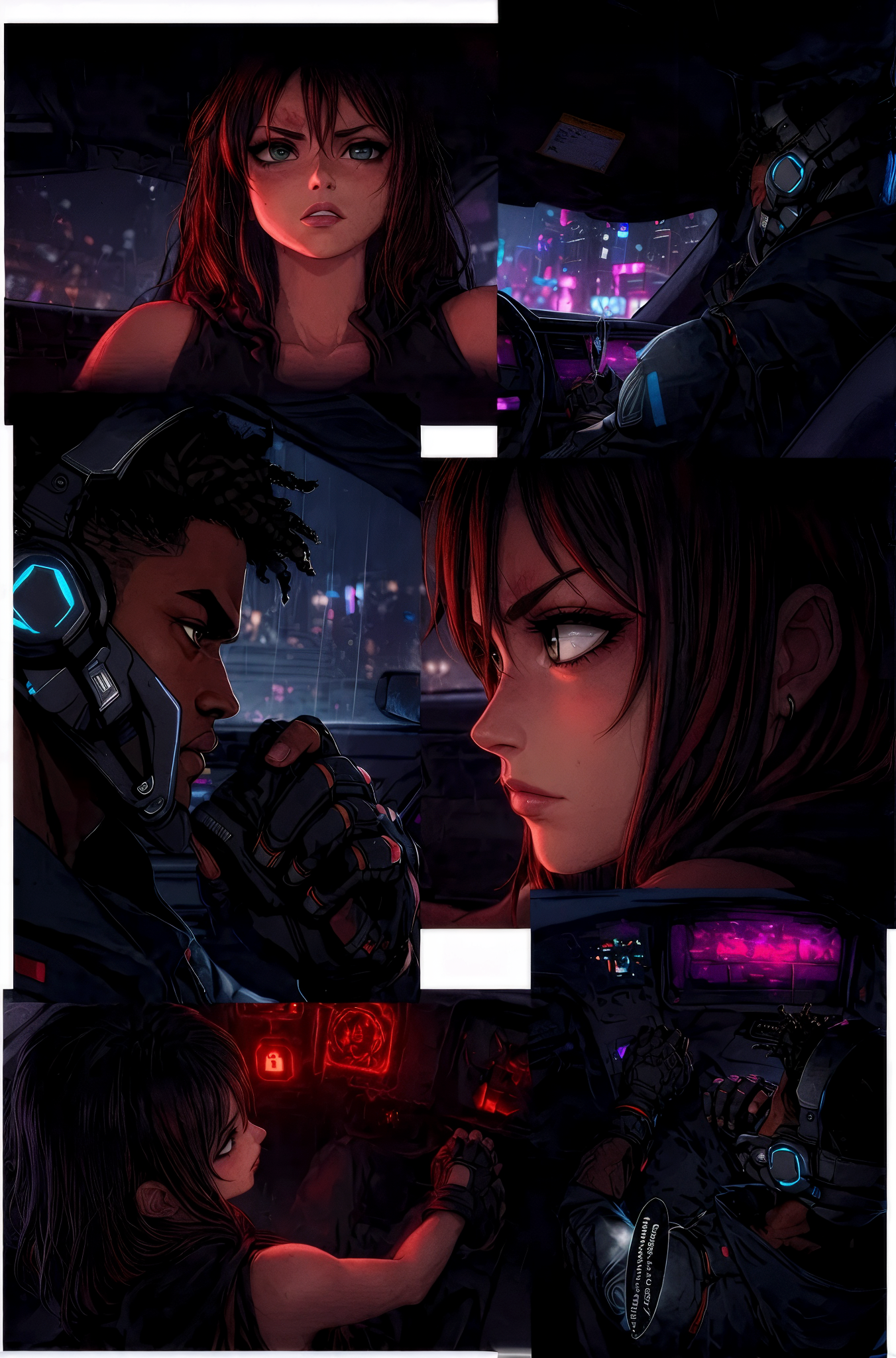
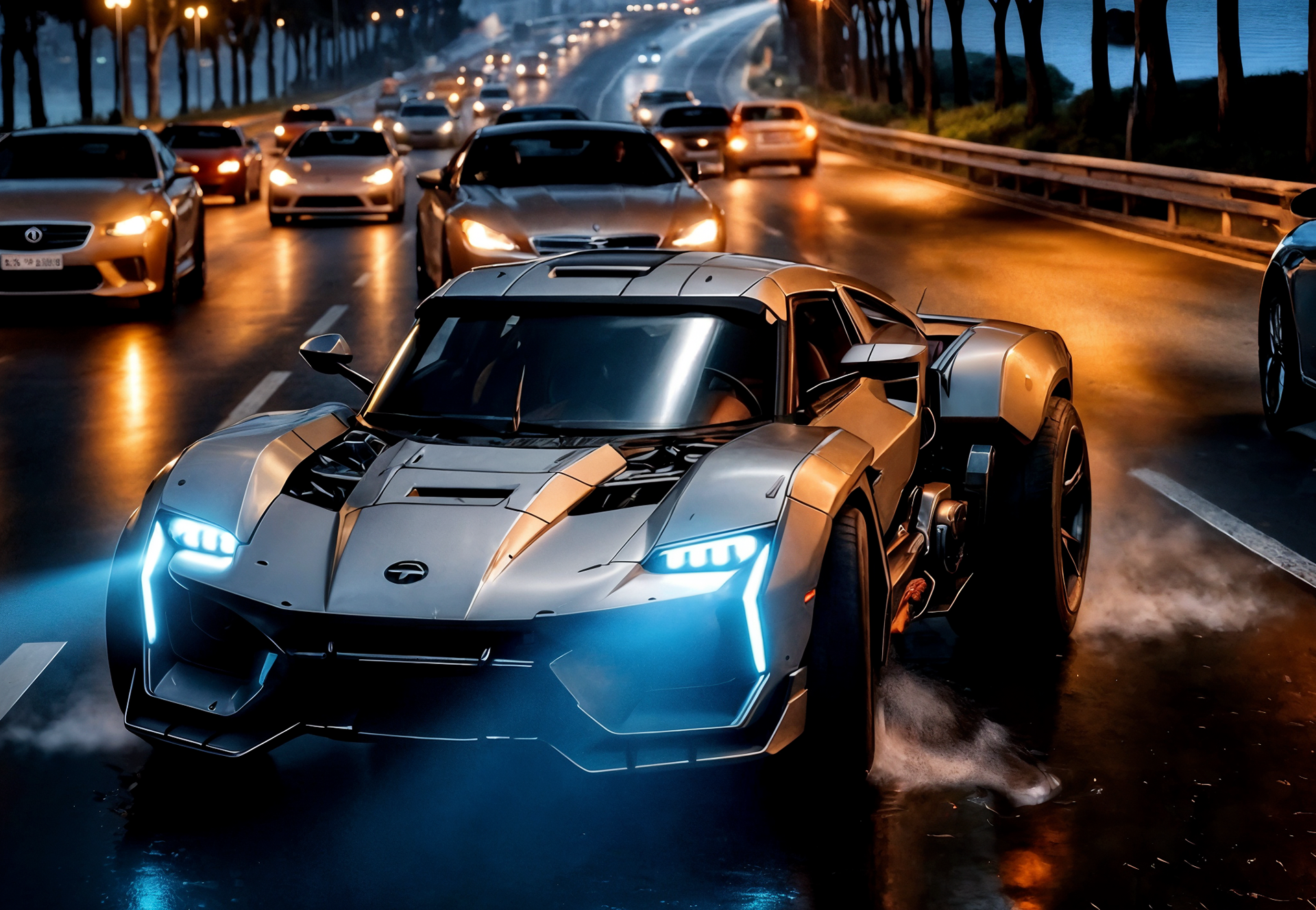
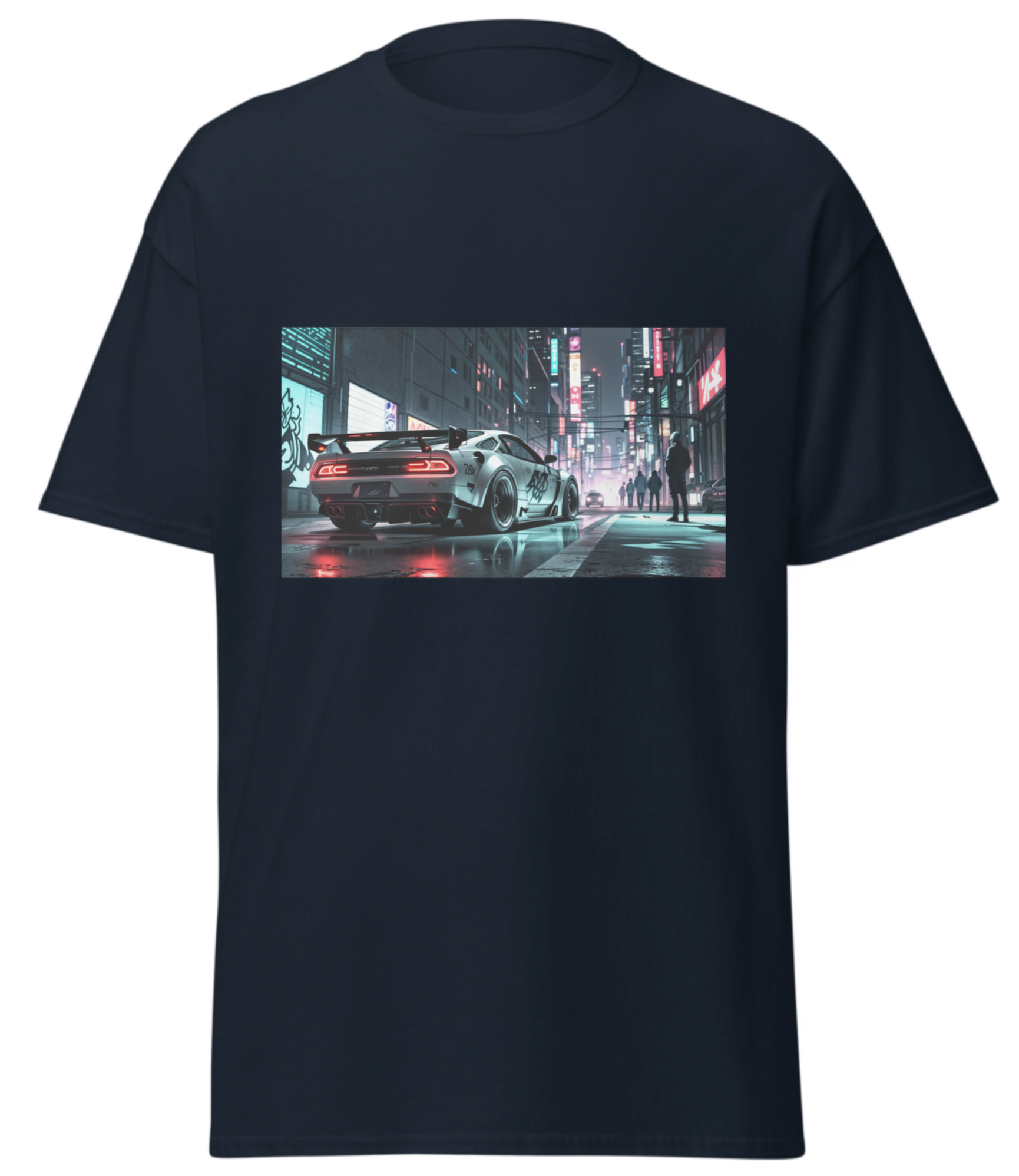
In the neon-lit sprawl of Dizil City, an underground culture of street racers emerges, known for their philosophy of “No Hesi” — no hesitation when making split-second moves through dense highway traffic. The city’s futuristic highways become battlegrounds where reflexes, machine, and willpower collide.
Premise:
As the IM technology — Ignition Modules — becomes standard in vehicles, capable of enhancing performance, monitoring behavior, and enforcing automated law, freedom-loving racers and auto shops fight back by hacking and modding vehicles. This sparks an escalating tech war between government-enforced patrols and independent racing crews.
Plot Overview:
Origin of “No Hesi”:
What begins as a rebellious thrill-seeking sport to dodge AI surveillance quickly morphs into a movement — a way of life that values instinct, courage, and freedom over digital control. “No Hesi” drivers are urban legends, ghosting through security checkpoints and outmaneuvering automated patrol drones.
Tensions Rise:
As the number of deadly highway incidents increases due to high-speed runs, the City Authority implements Autonomous Security Units (ASUs), high-speed pursuit vehicles governed by IM protocols. This pushes underground racers to even riskier mods — hacking into IM systems to create “ghost modules” that scramble surveillance.
Street Shops and Clans:
Rival groups and tuning garages form factions:
The Pulse Syndicate – engineers who specialize in hacking modules.
The Hesi Wolves – a tight-knit racing family who perfect “No Hesi” driving.
Gridlock Division – street vigilantes who want to stop reckless runners but operate outside the law themselves.
Key Characters:
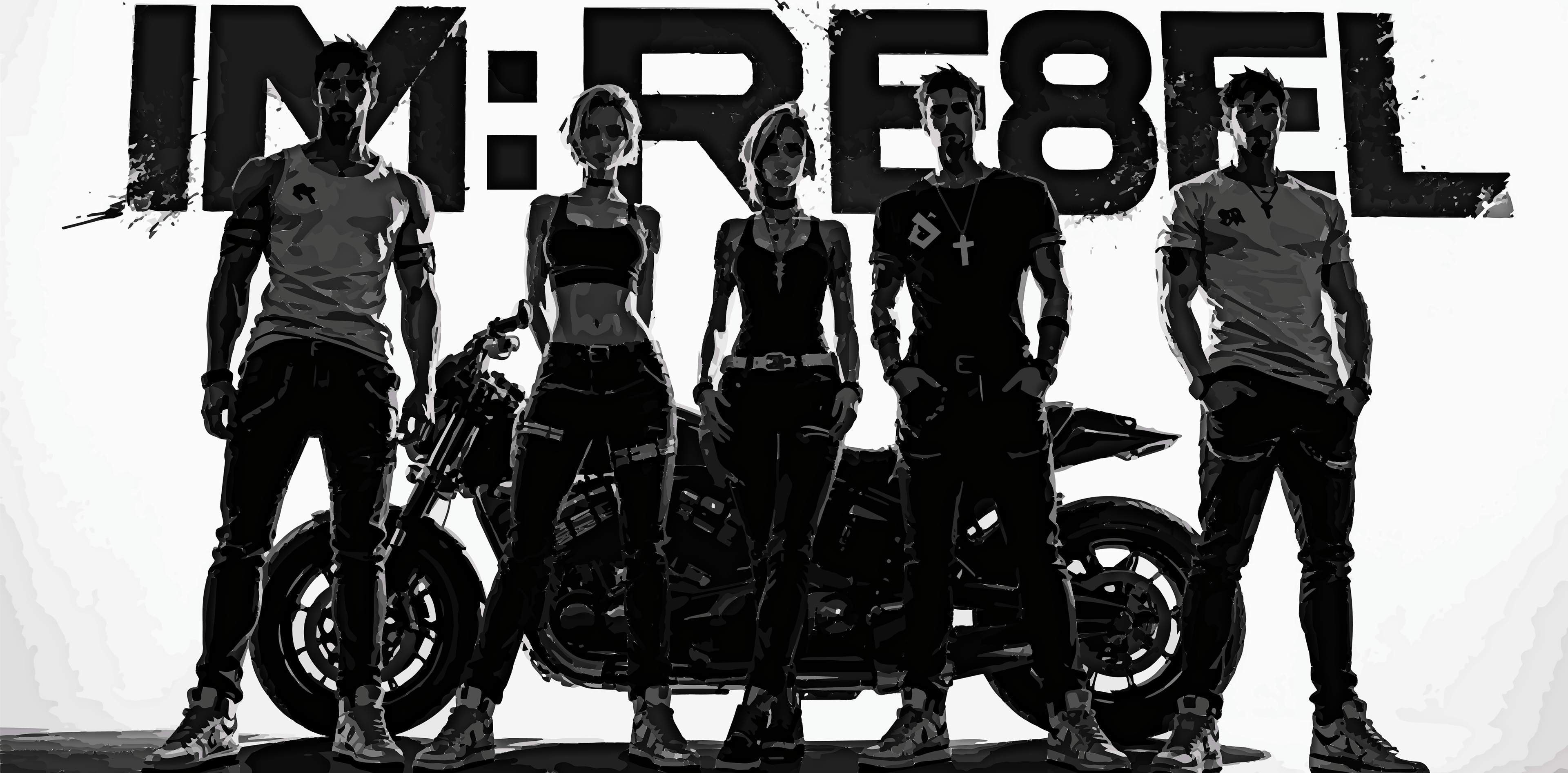
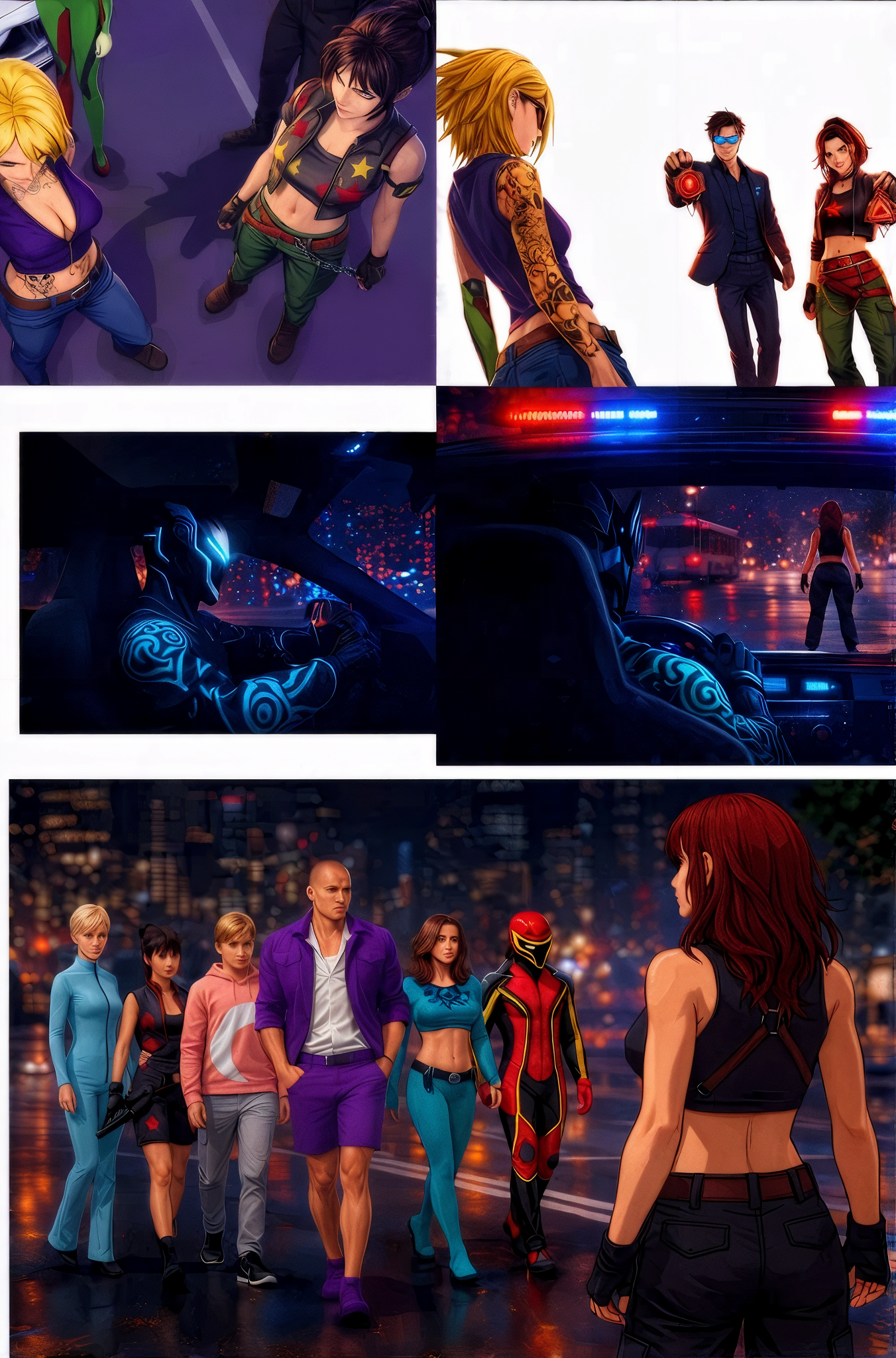
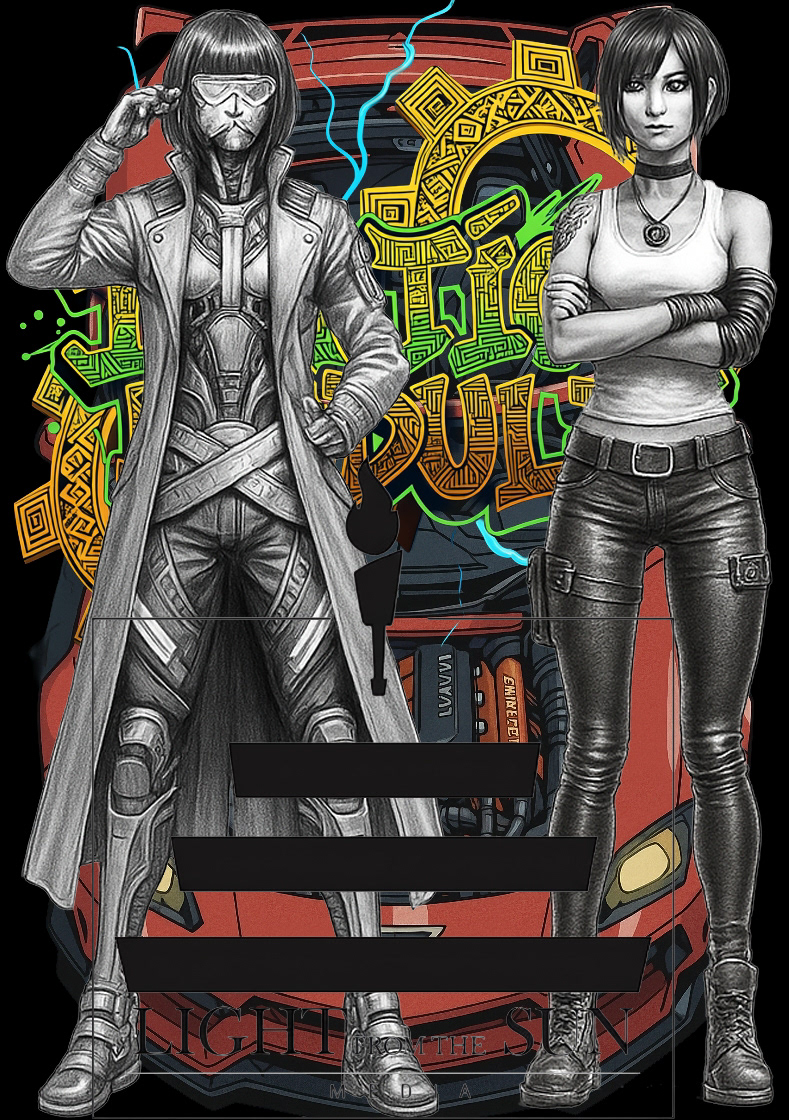
Giselle — A prodigy mechanic and daughter of a fallen racer, she seeks to keep the spirit of “No Hesi” alive while innovating new anti-IM tech.
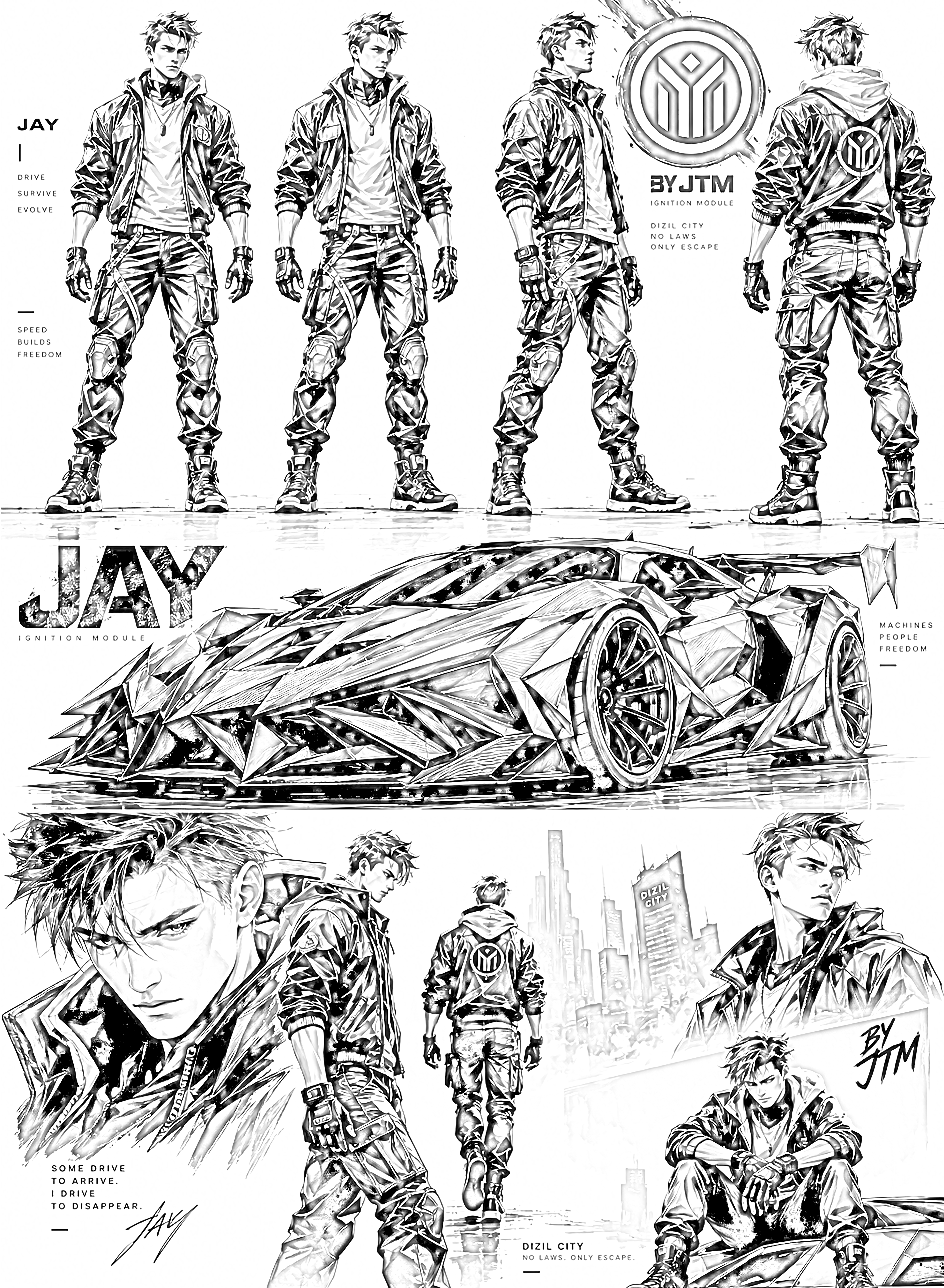
Jay — A daring, strategic young driver famous for disappearing into the night after near-fatal chases.
Vera — A former city enforcer who defects after seeing corruption inside the security initiative.
SZX (Sexy Zone Xero) — A wildcard figure offering illegal upgrades, but always at a price.
Climactic Conflict:
As Dizil City’s power grid becomes tied to the vehicle network (where cars feed energy back into the city’s infrastructure during storms and blackouts), control over the IM system means control over the entire city.
Racers must decide: keep running — or take over the grid.
Themes:
Freedom vs. control
Trusting instincts in a world ruled by algorithms
Family (crews) vs. authority (system)
Evolution of urban rebellion from sport to societal shift
Endgame:
The arc ends with an alliance of racers launching a massive, coordinated “No Hesi Circuit” — a city-wide underground race not just for glory, but to seize back autonomy over their lives, their machines, and their future.
Victory doesn’t just mean winning a race — it means rewriting the city’s future.
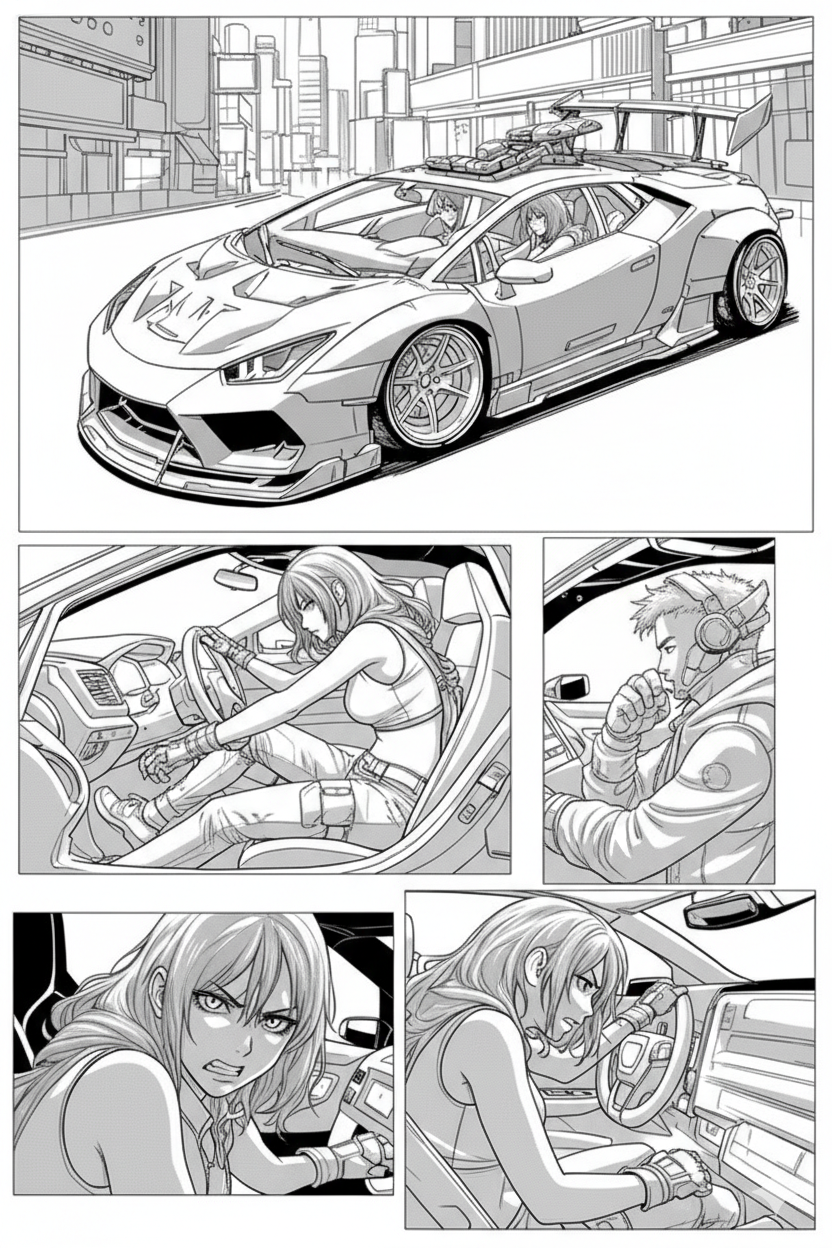
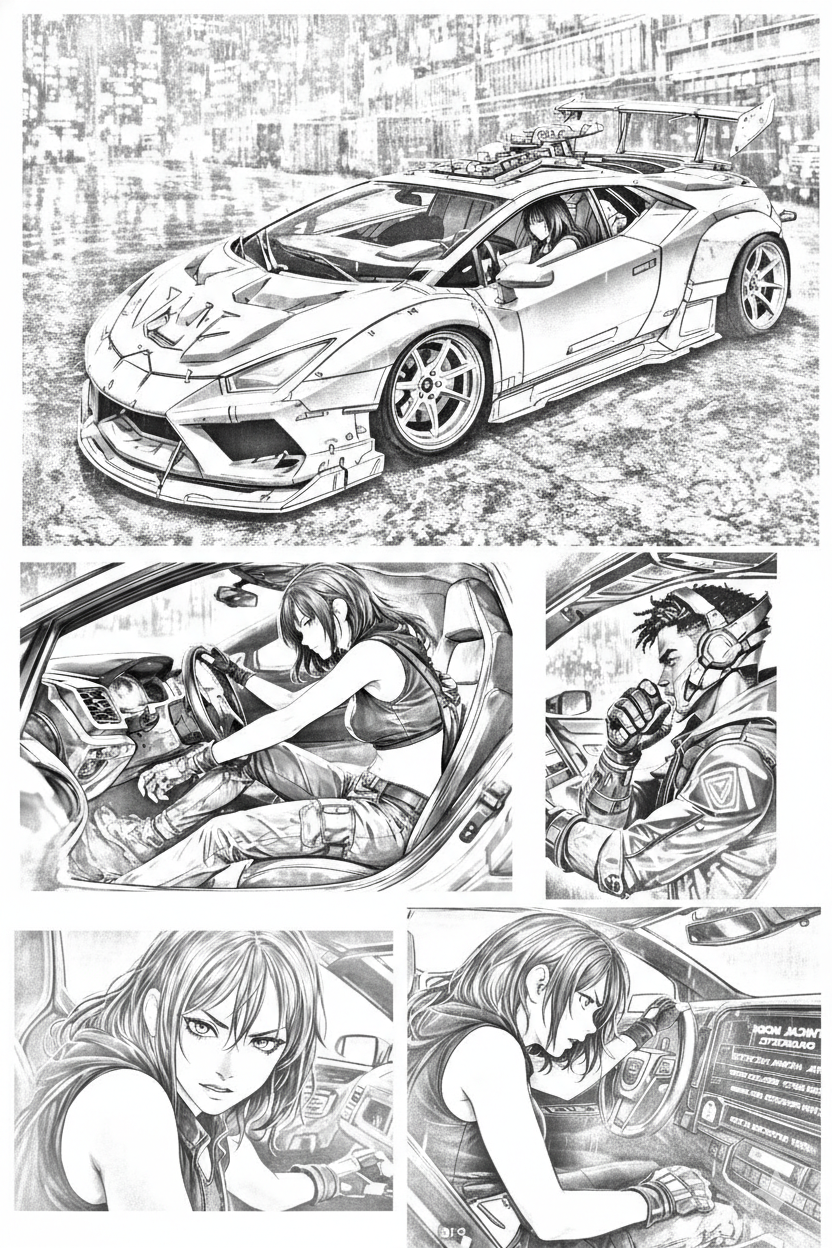
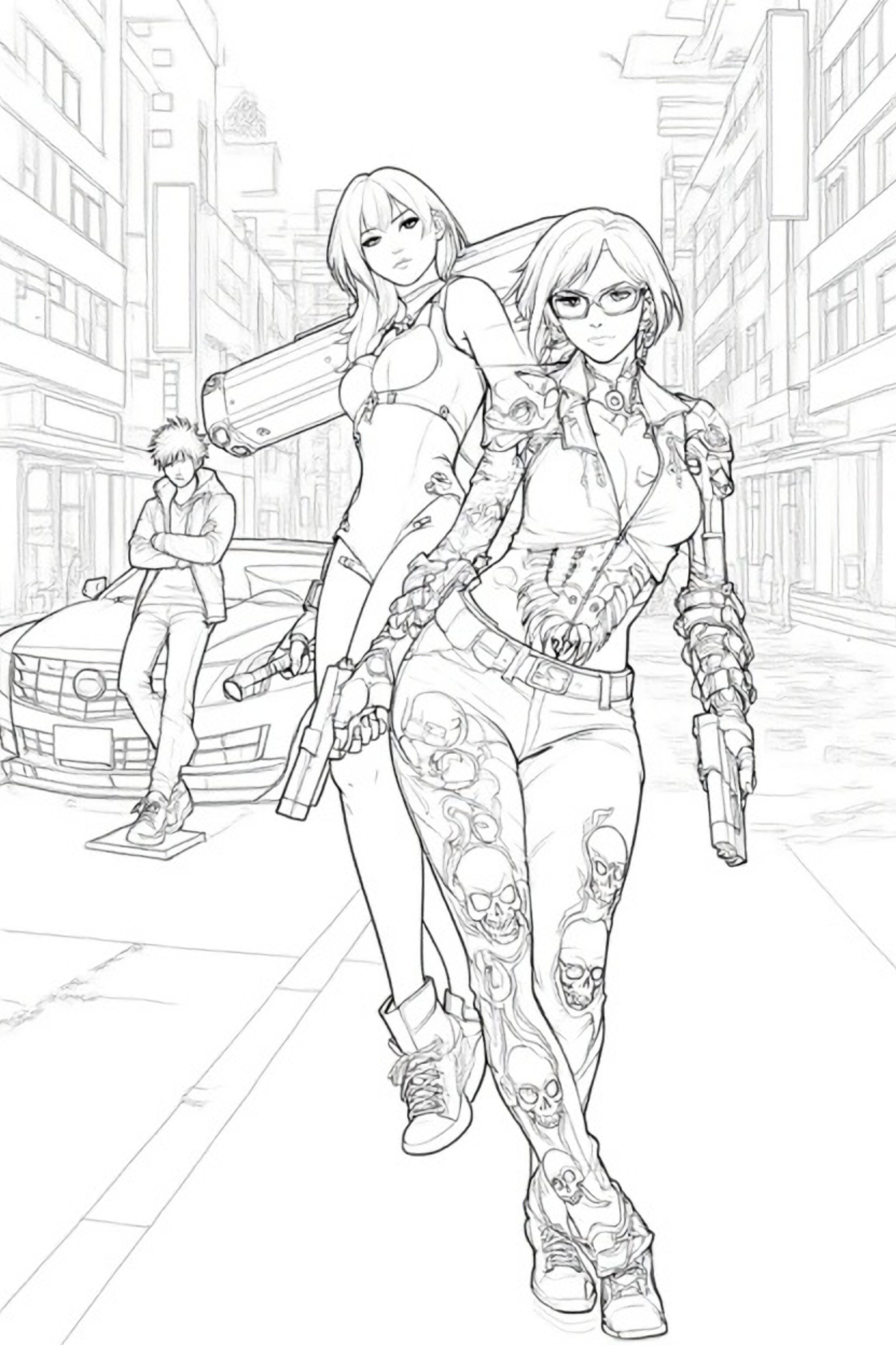
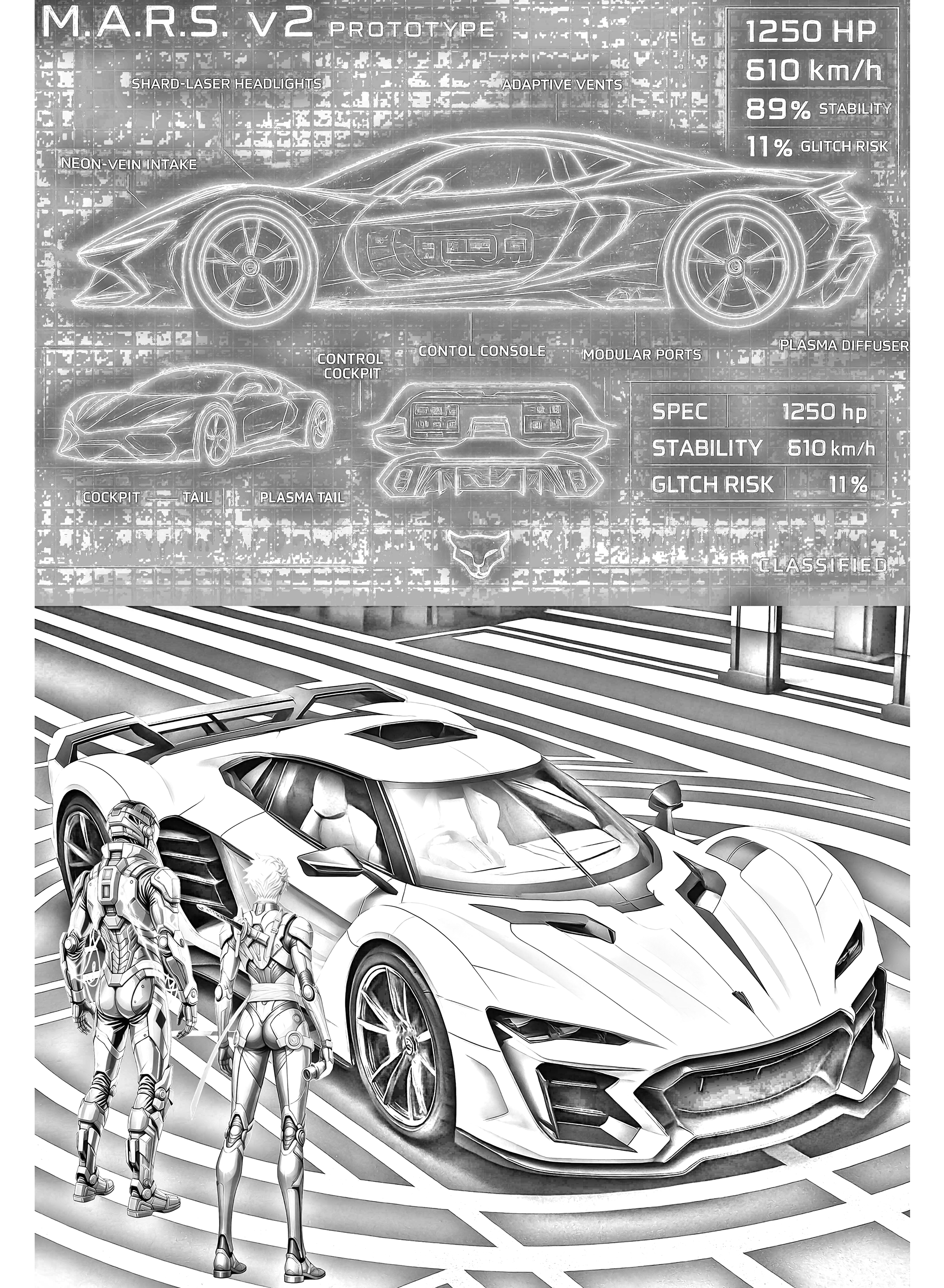
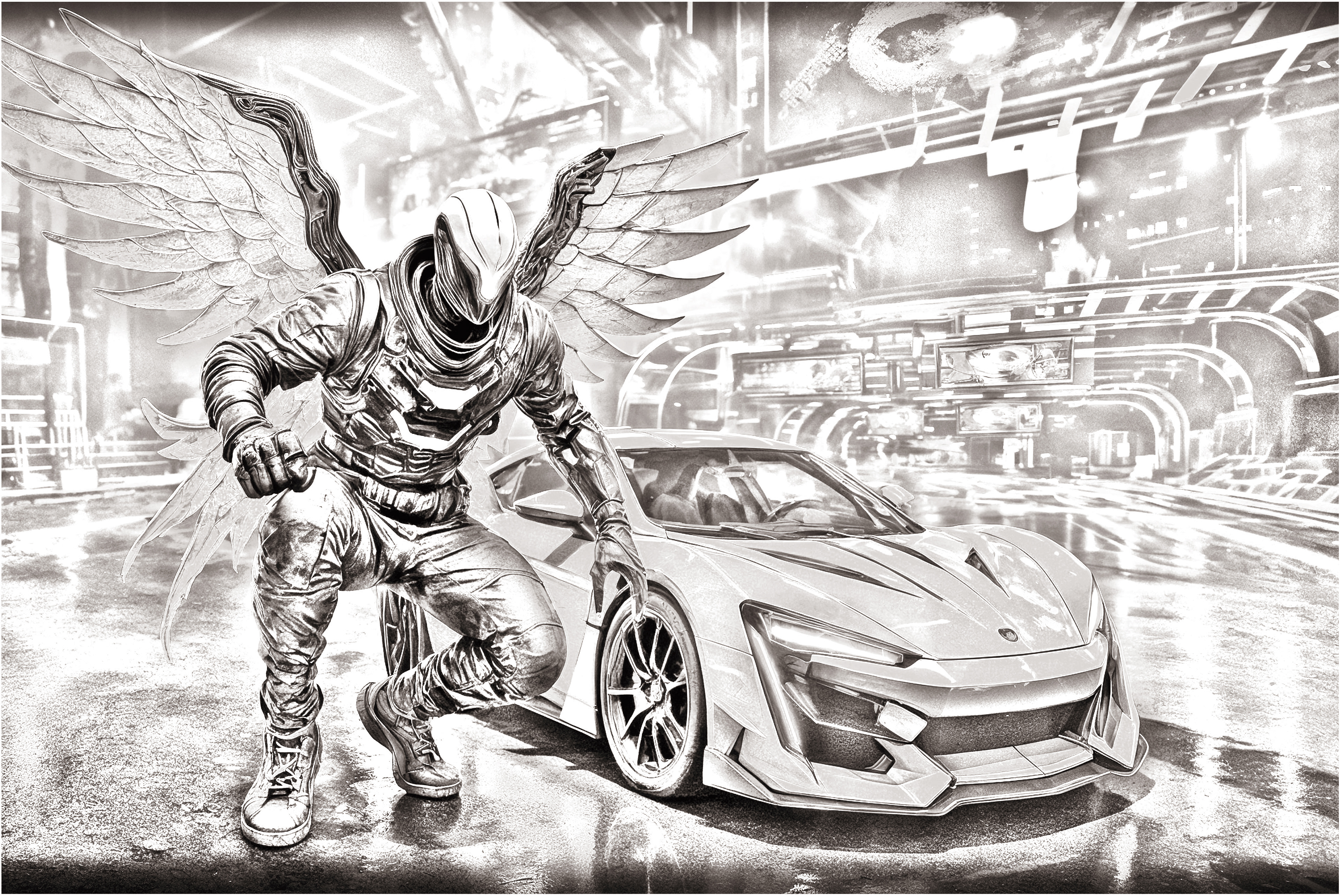

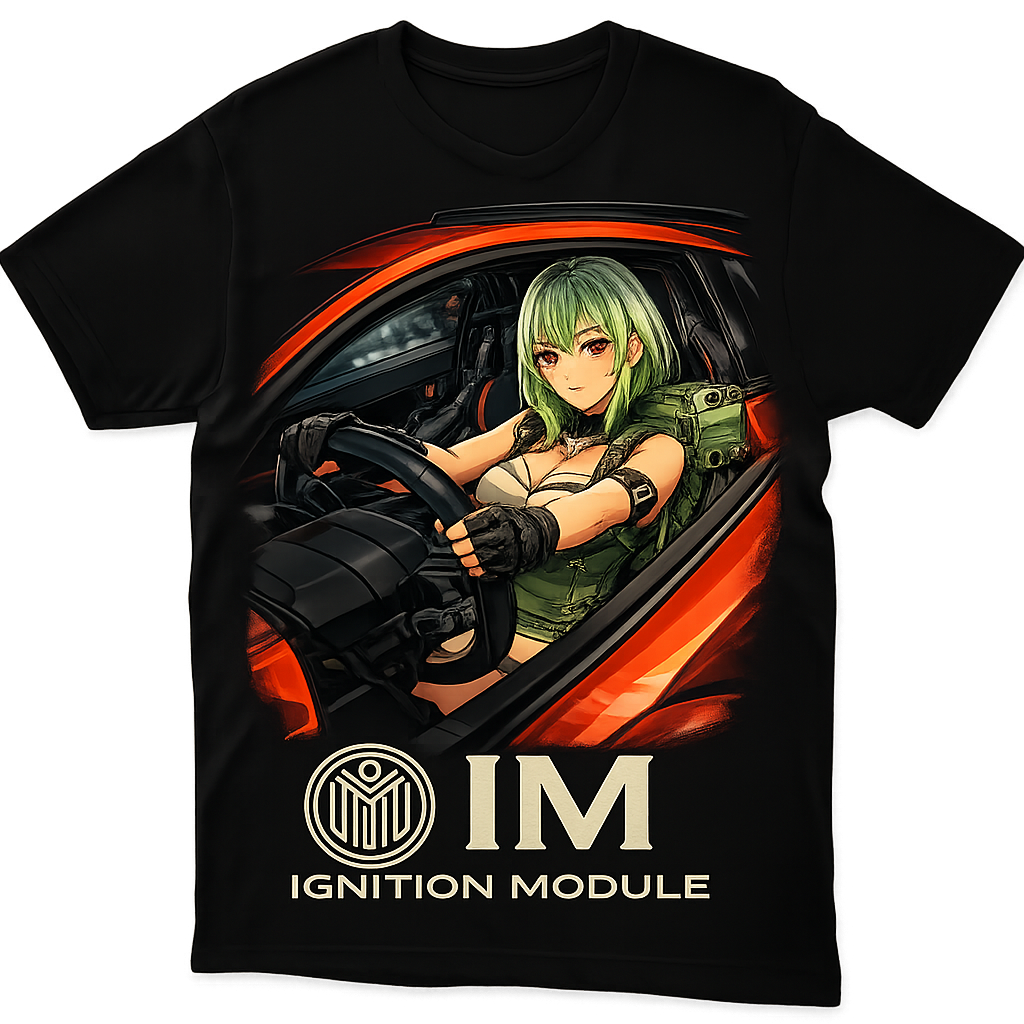
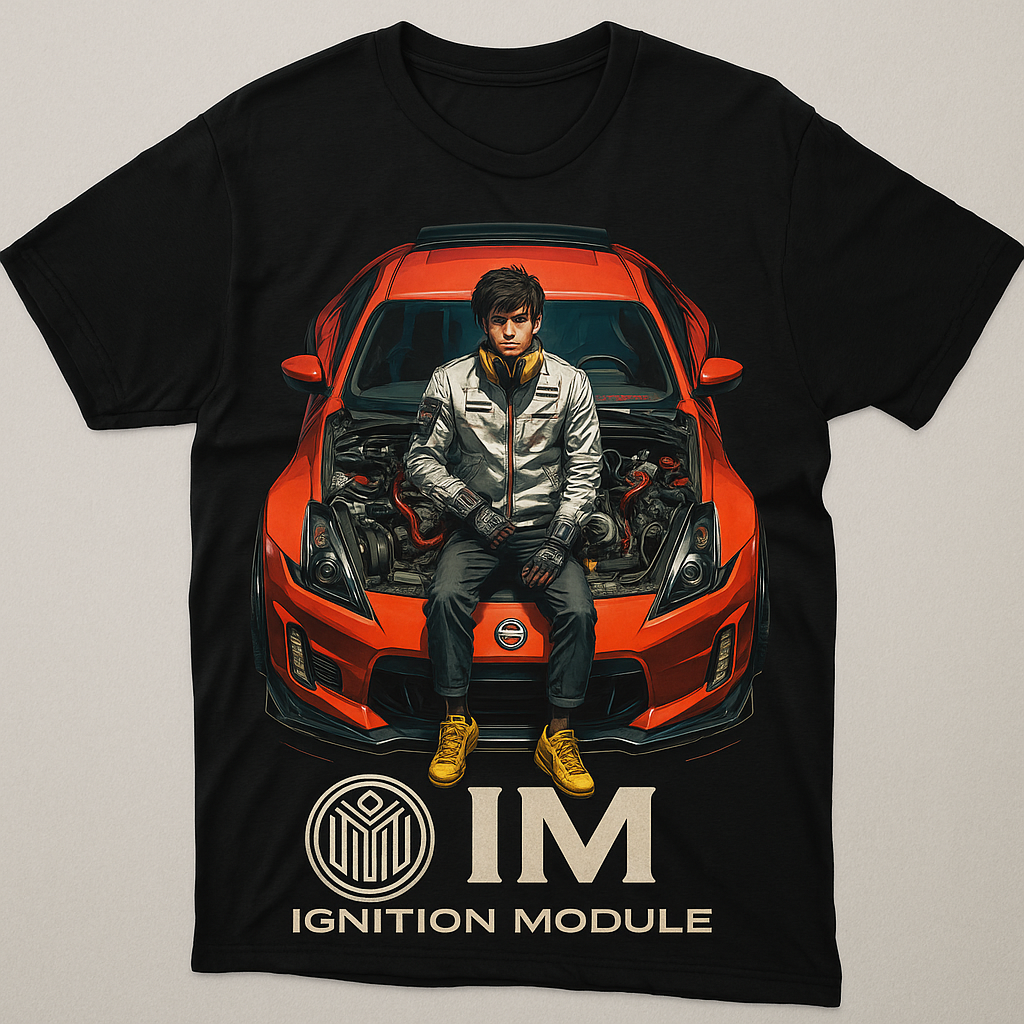

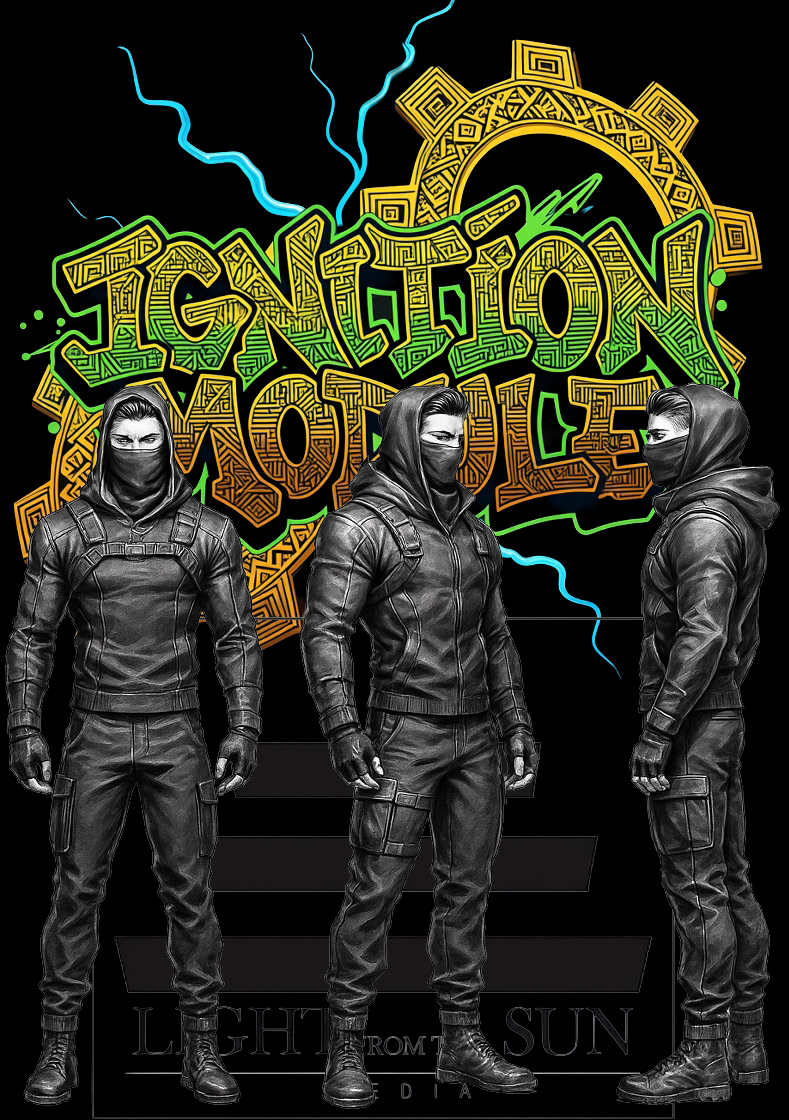
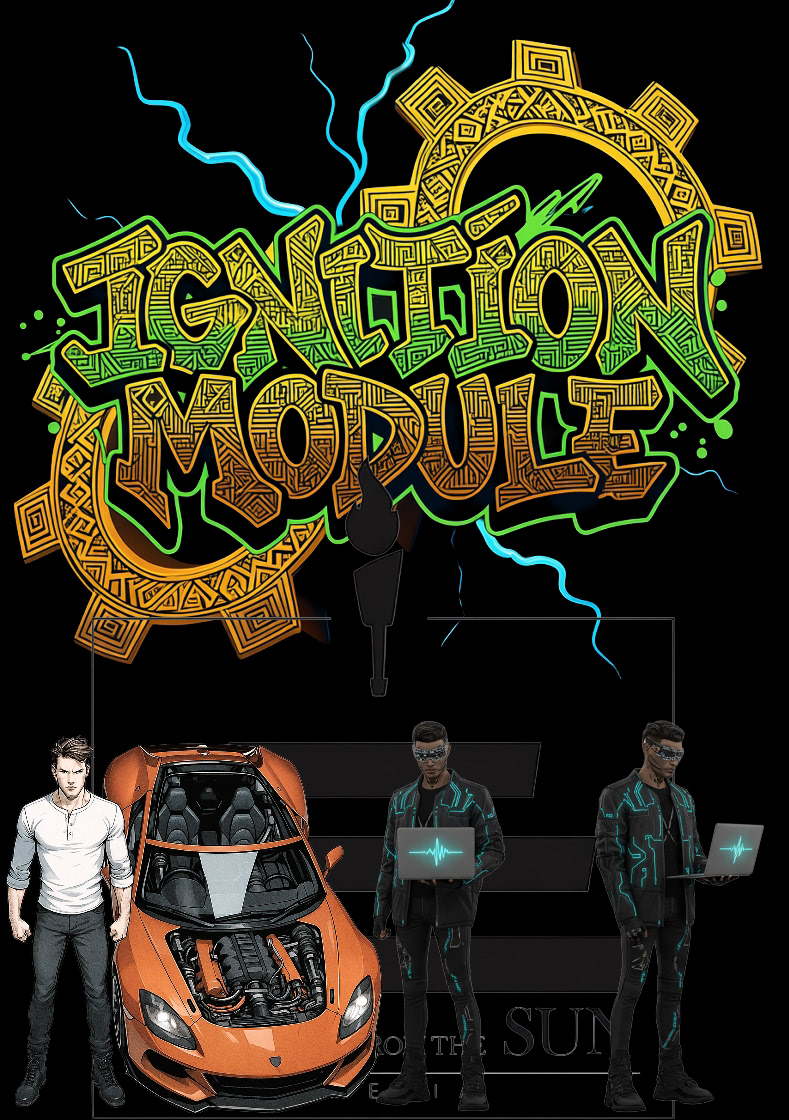
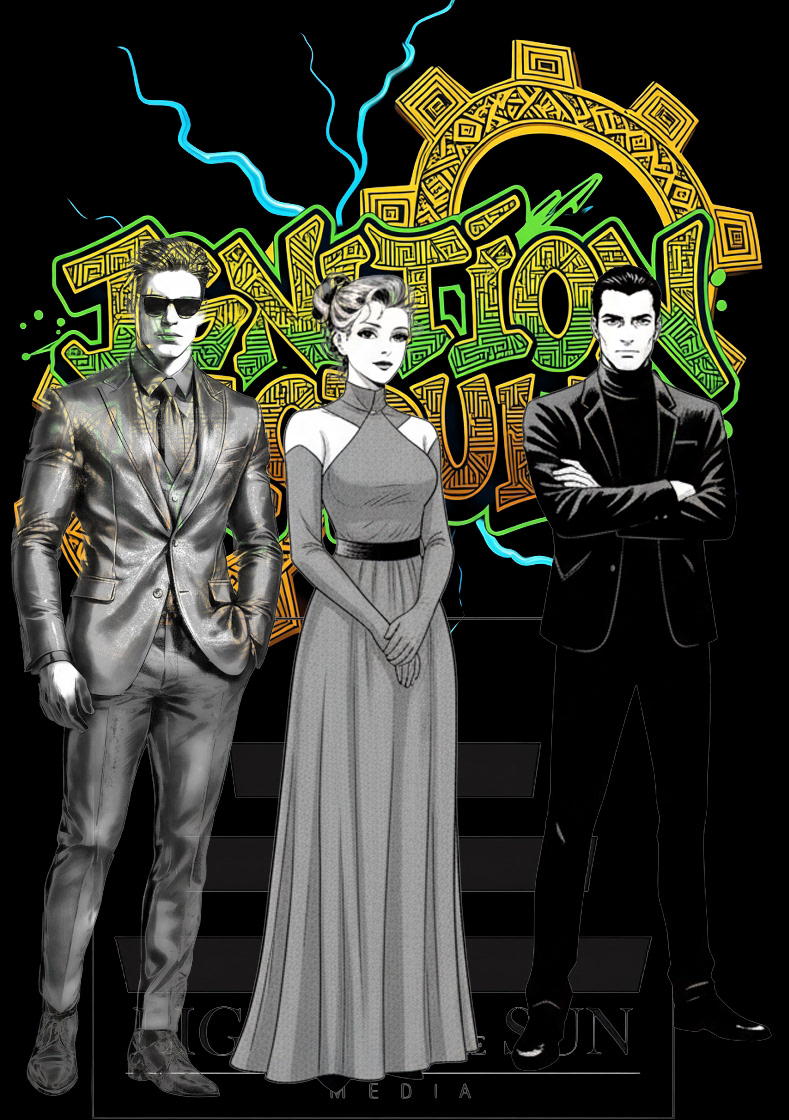


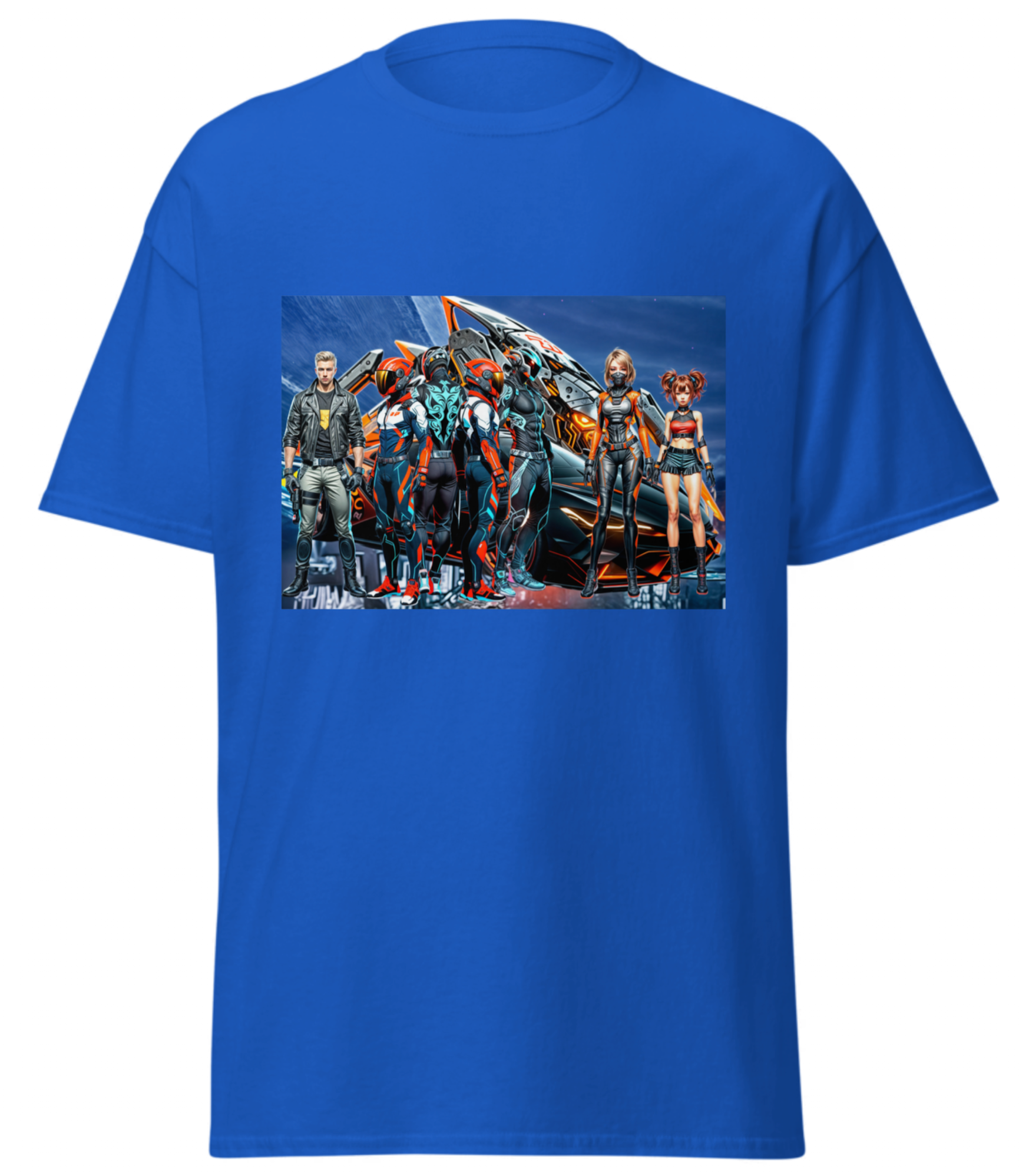
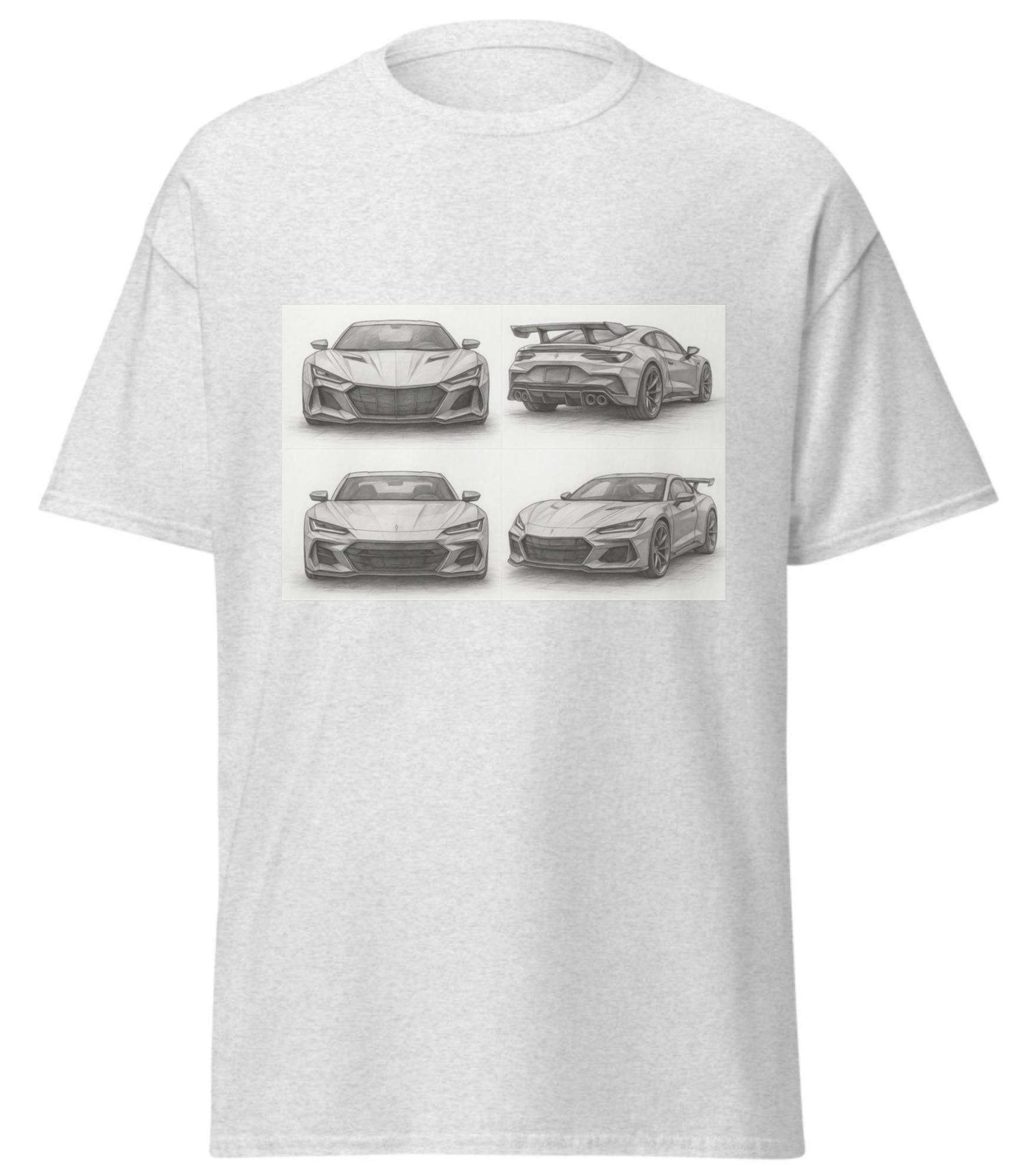
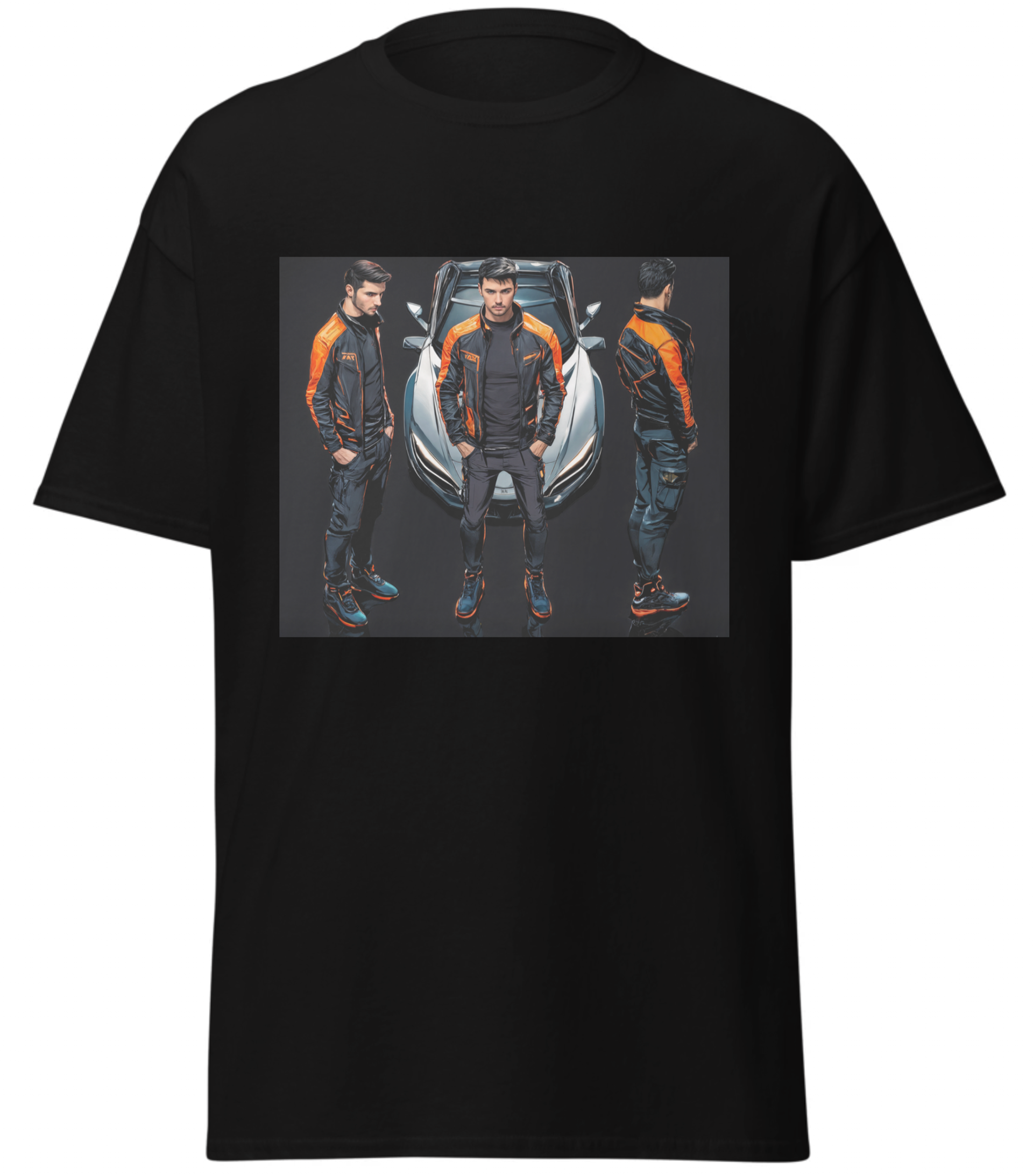
https://www.patreon.com/user?u=170485083&utm_campaign=creatorshare_creator
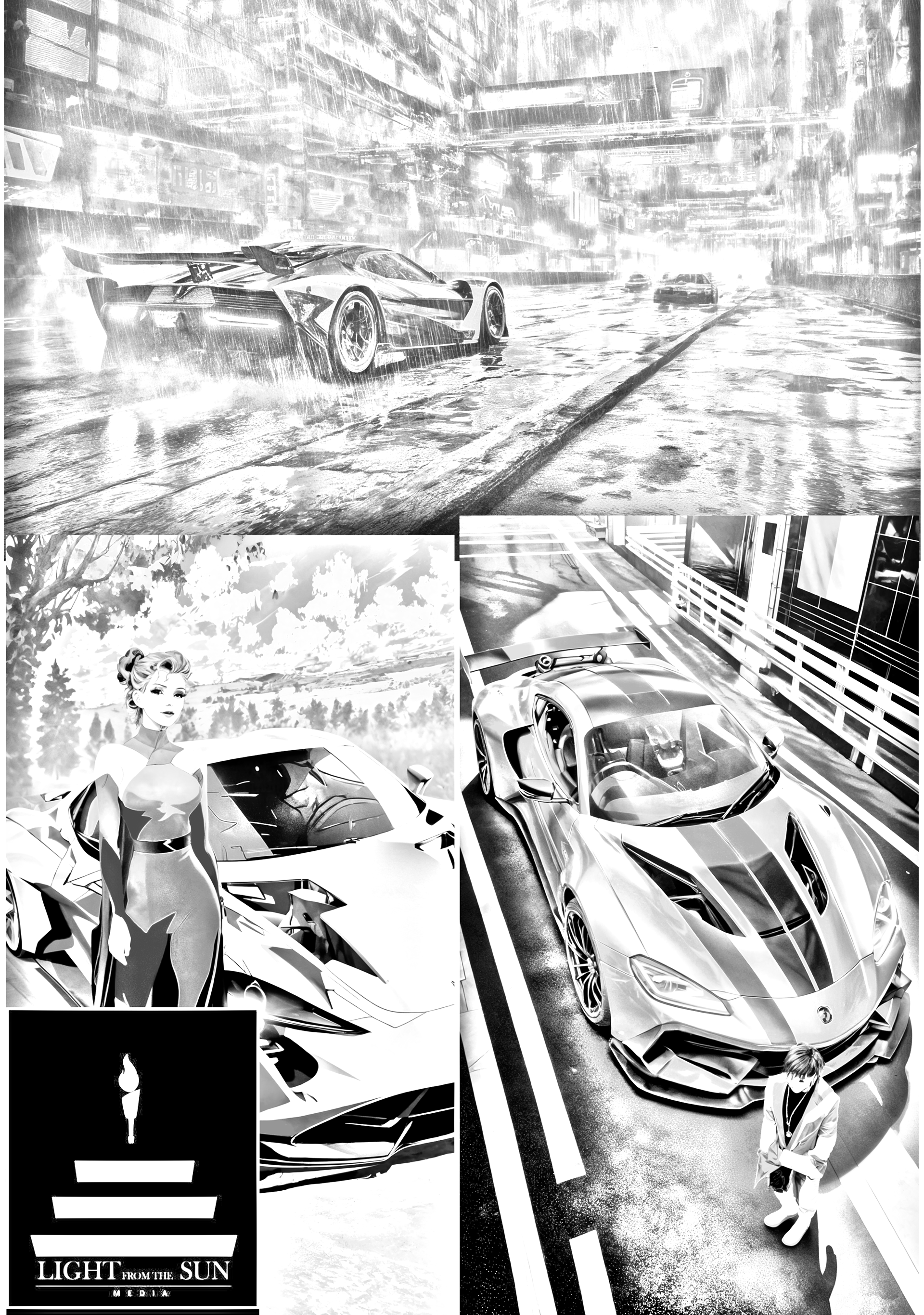
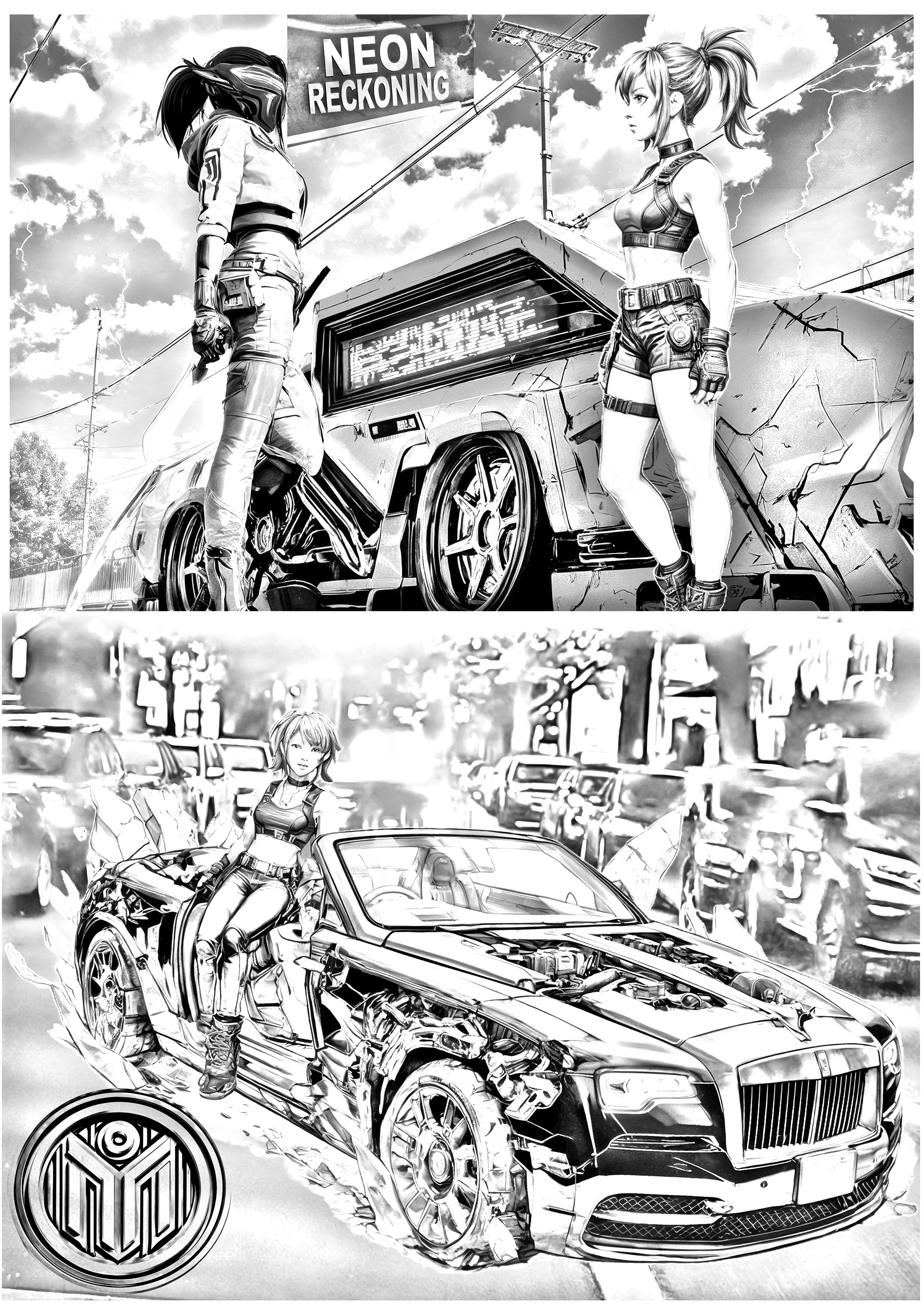
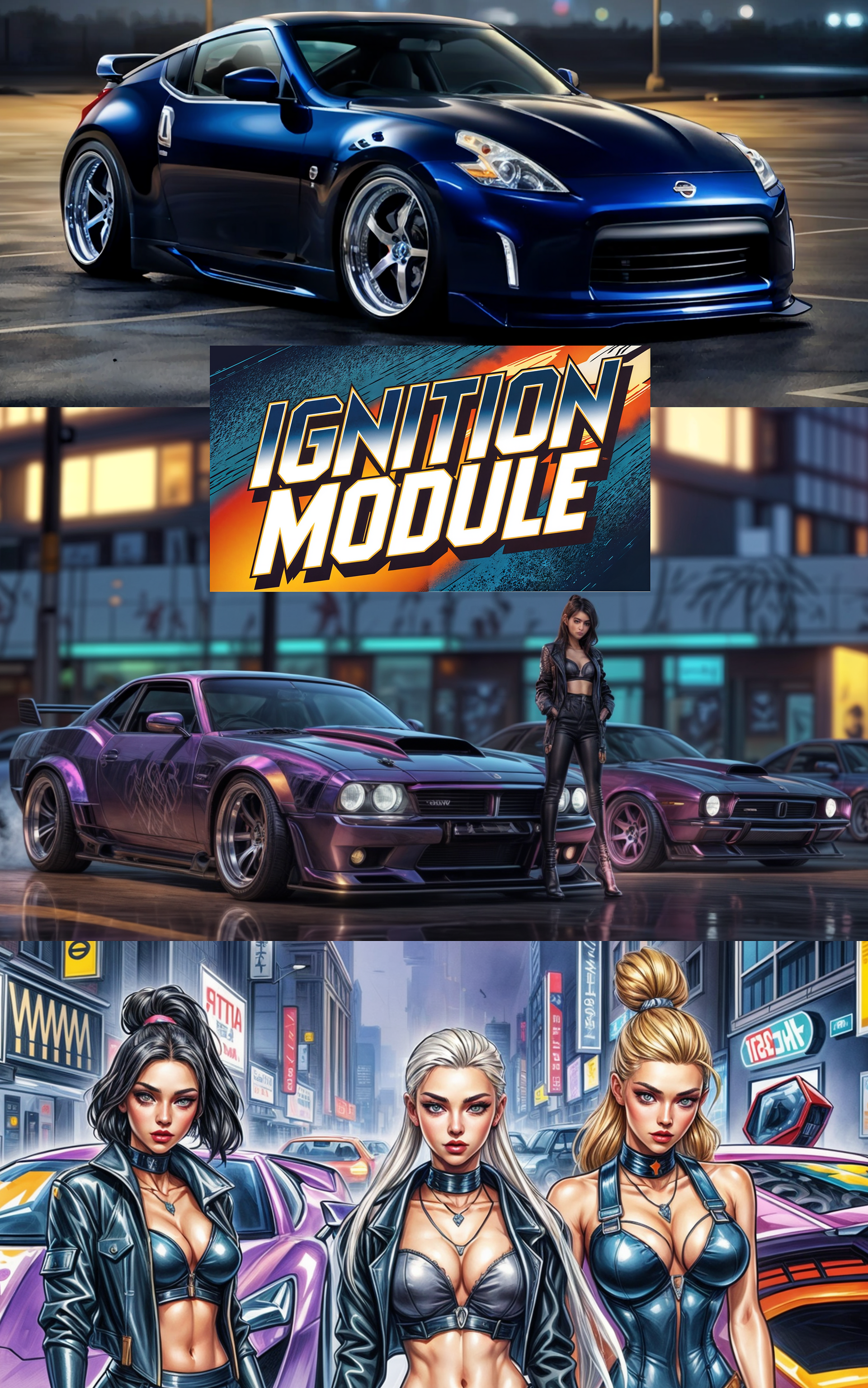
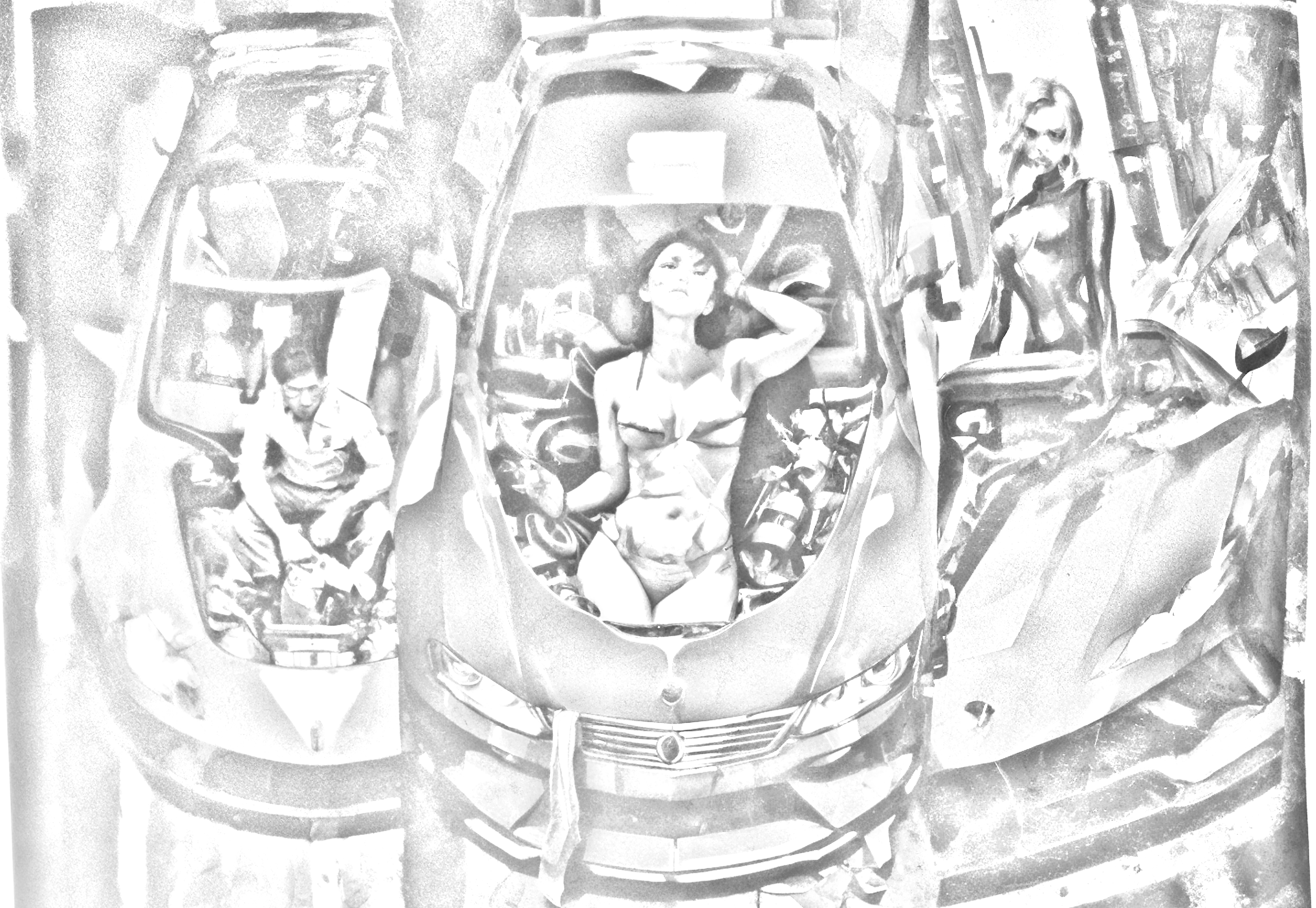
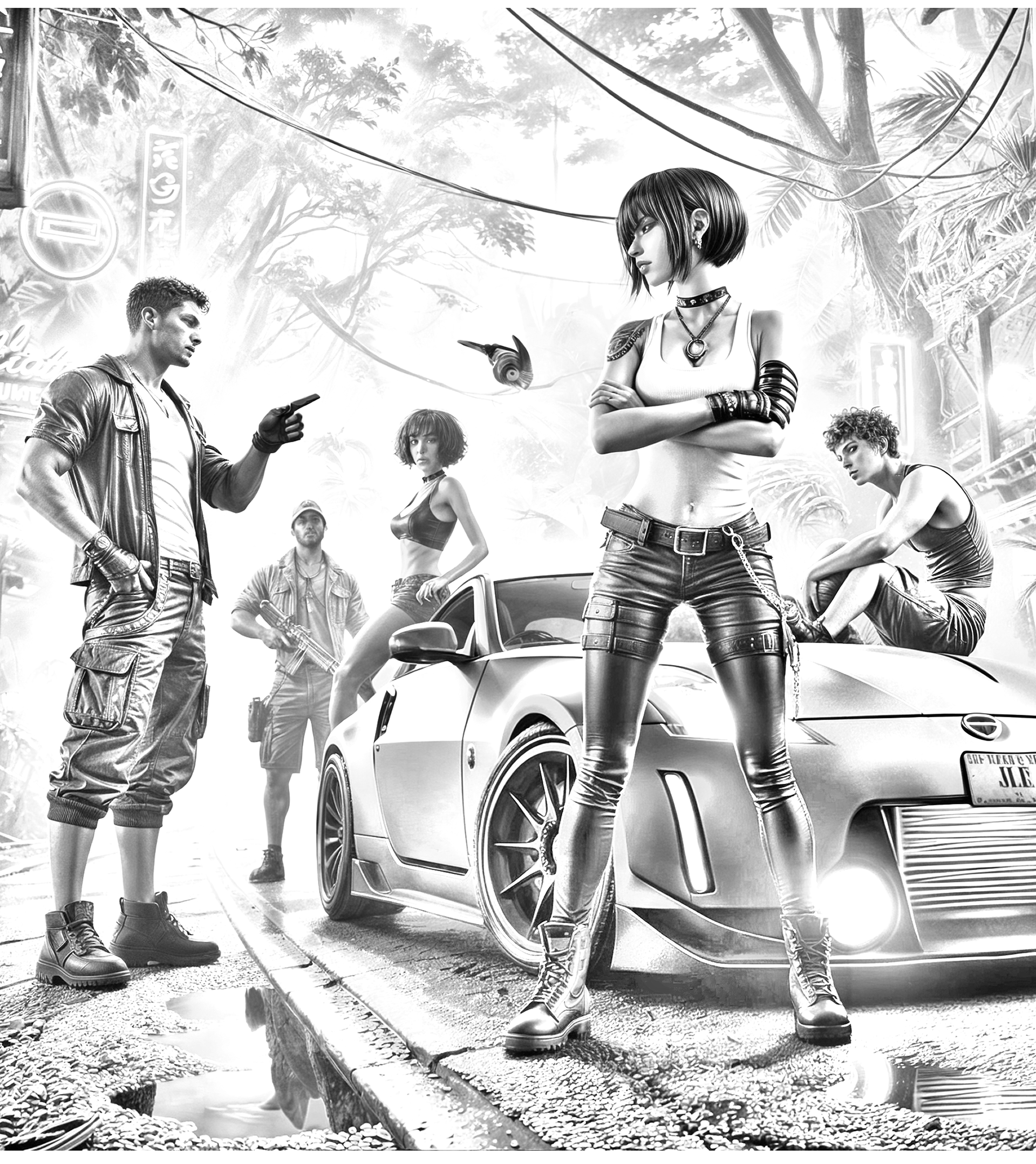
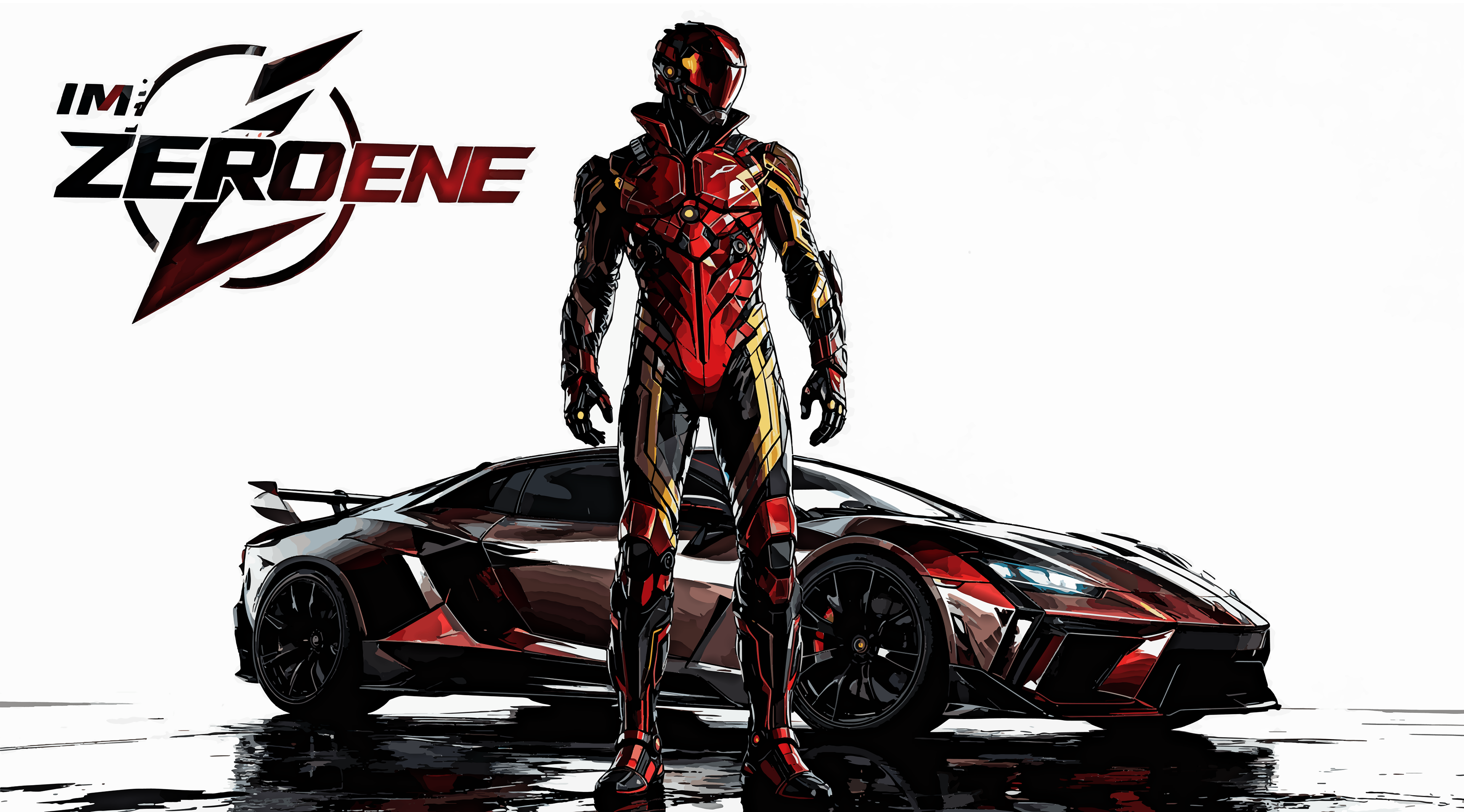
Narration (Zerone):
"It always starts with speed. Too much of it. Not enough control. That’s when the crashes come."
"The streets were ours. Tuned by hand. Ruled by instinct. Then came the modules."
"They called it safety. We saw it for what it was—control on wheels."
"The I.M. tech hit the streets fast—engineered for enforcement. We cracked it faster."
"We turned their order into power. Every lockdown became a loophole. Every sensor… a blindspot."
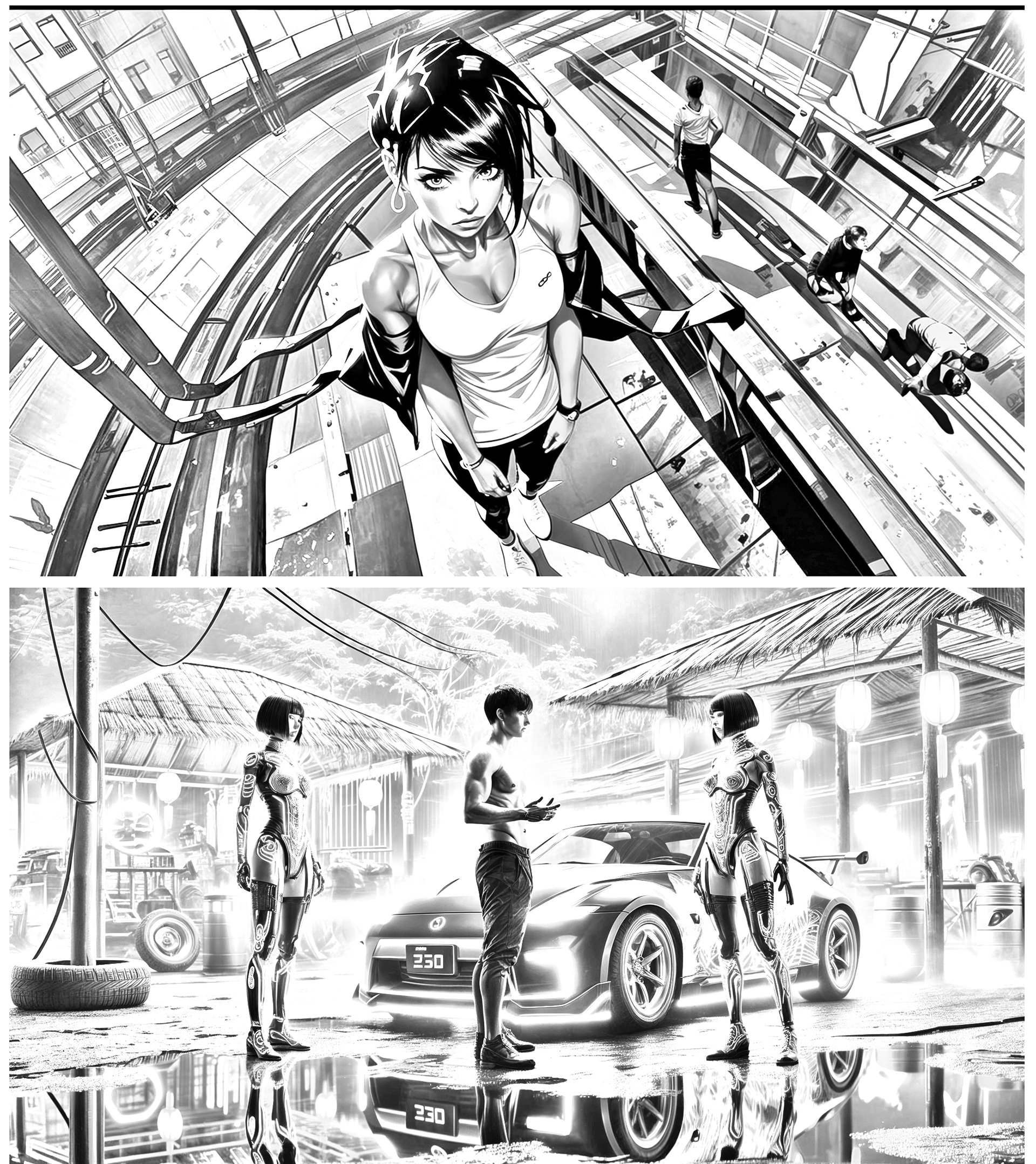
"We called it the dead zone. Where racers went when the circuits got quiet... but minds got louder."
"They don’t get it. It’s not just about going fast—it’s about knowing what shouldn’t be chasing you."
"Then came the upgrades. Biometric druids. AI skinwalkers on alloy legs."
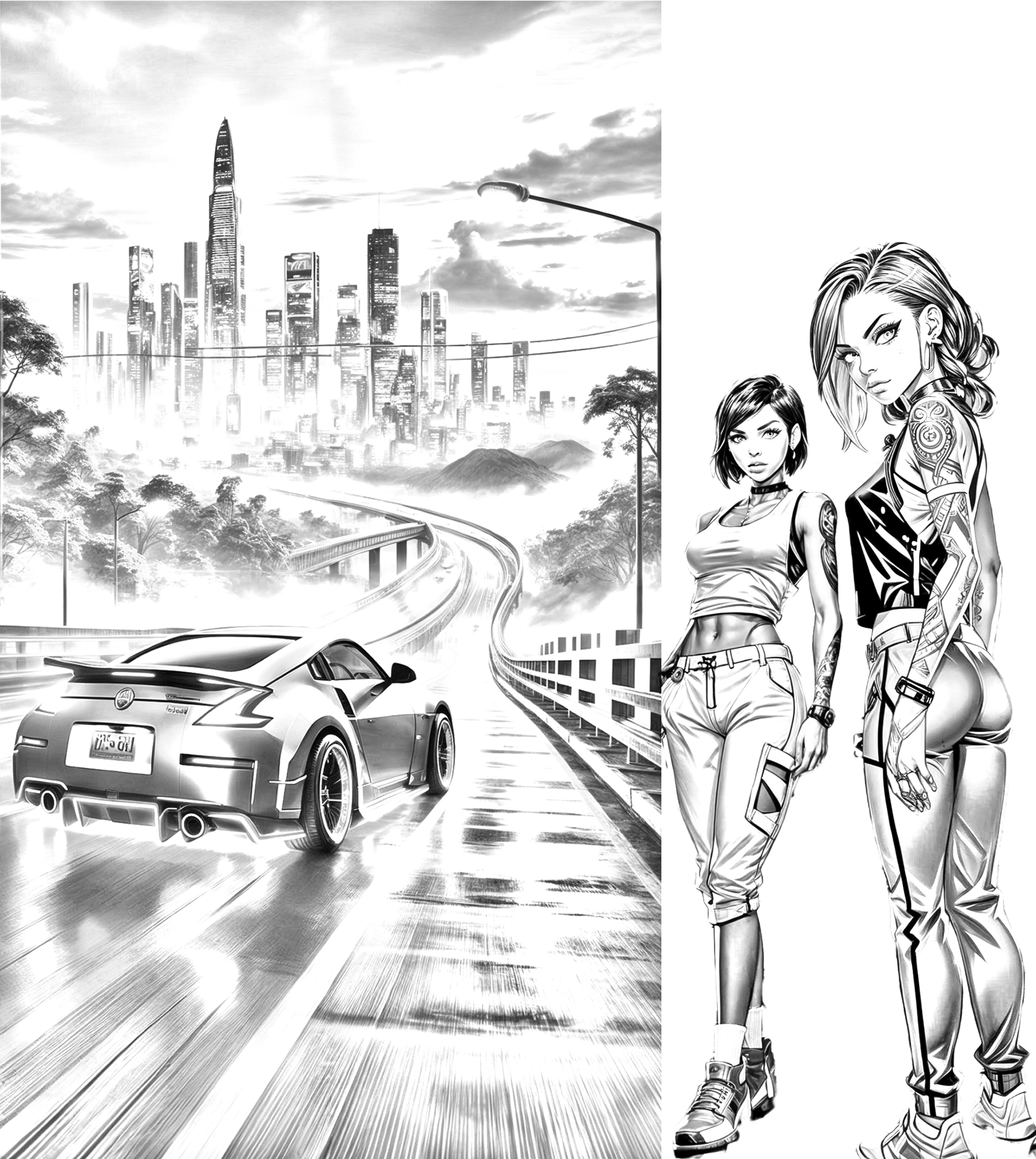
Patrol Unit (left):
"Subject ‘Ryo 350.’ You are in violation of Highway Code 311-C—Unauthorized Engine Spike Detected."
Patrol Unit (right):
"Comply with download or face immobilization."
Ryo (driver, sweating):
"You're not even real drivers… You wouldn't last one night in our lanes."
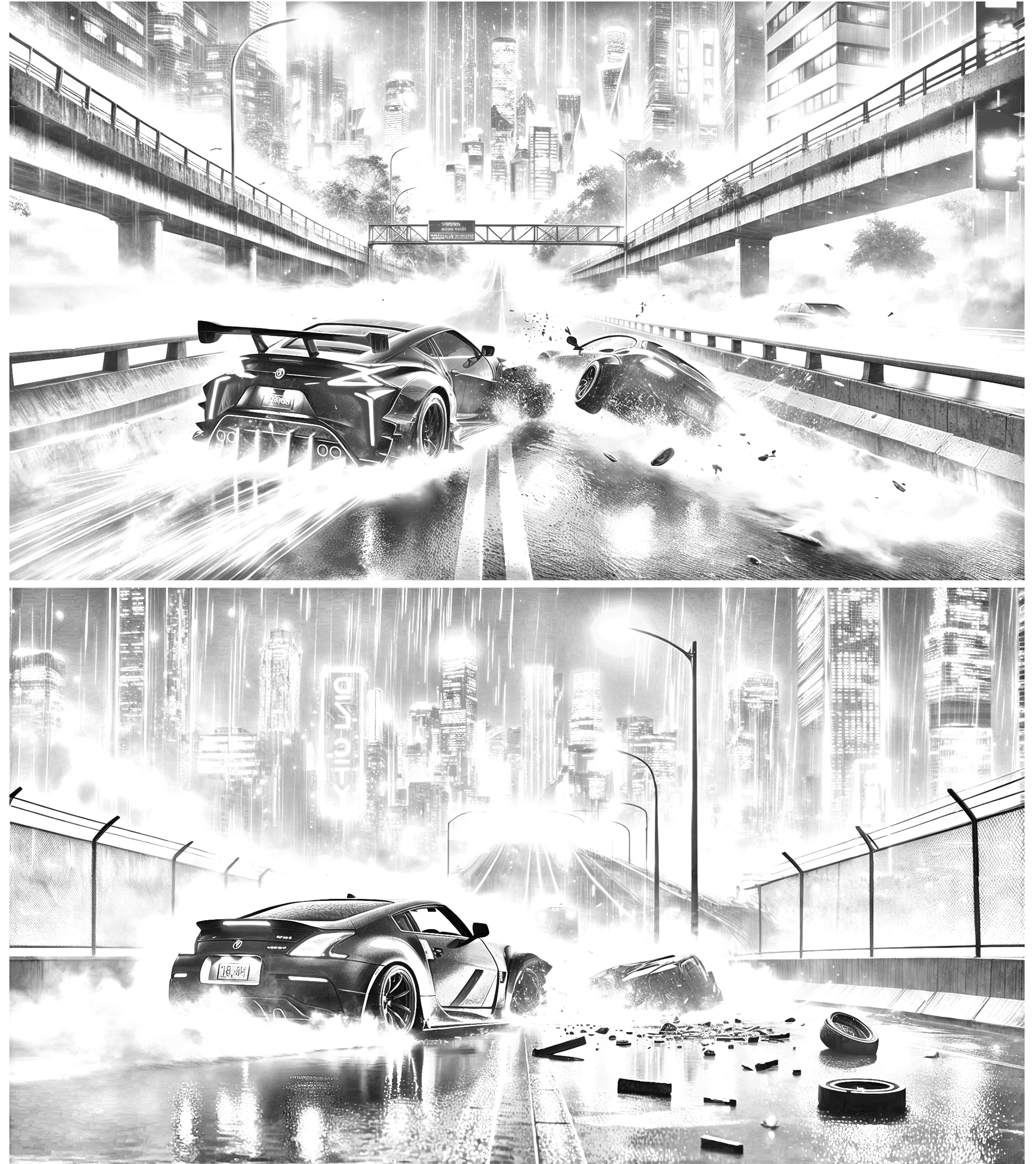
Narration (Zerone):
"It only took twenty-three seconds. That’s how fast things go from throttle to tragedy."
"Every scrape of carbon fiber. Every body dragged across wet steel. They measured it. Cataloged it."
"The policymakers didn’t see people. They saw numbers. Surge curves. GDP bleed. Insurance collapse."
‘AUTOMOTIVE EMERGENCY INTERVENTION ACT — ORDER 458 SIGNED.’
"And so they issued the patch. Patrol drones. Module-linked druid squads. Zero tolerance enforcement."
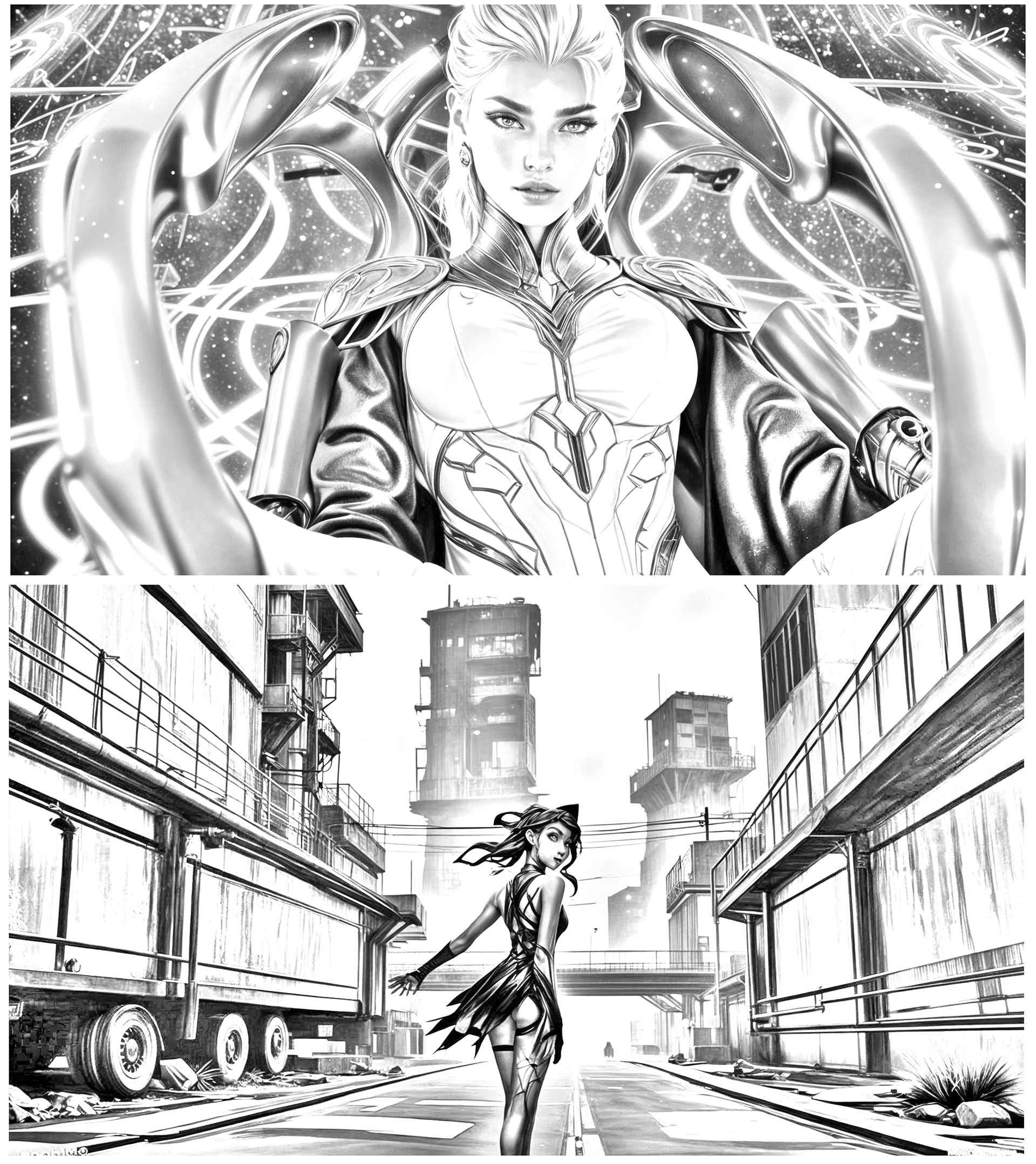
Narration (Zerone):
"She wasn’t born. She was deployed. The face of safety—stitched together from votes, algorithms… and fear."
"Her name? Giselle Unit-1. The first fully-sentient traffic enforcer."
Giselle (calm, synthetic):
"Your trajectory suggests noncompliance. Shall I adjust your course?"
Narration (Zerone):
"But for every god they built, someone slipped through the cracks."
"Her name’s Nova. Streetborn. Fast. Hacked her module with nothing but stolen code and spite."
Nova (dialogue, muttered):
"Keep watching, metal queen. One wrong scan… and you’ll miss the real crash."
mythos builds with Giselle as a “techno-deity" of regulation, and Nova as the spark of a digital uprising.
Narration (Zerone):
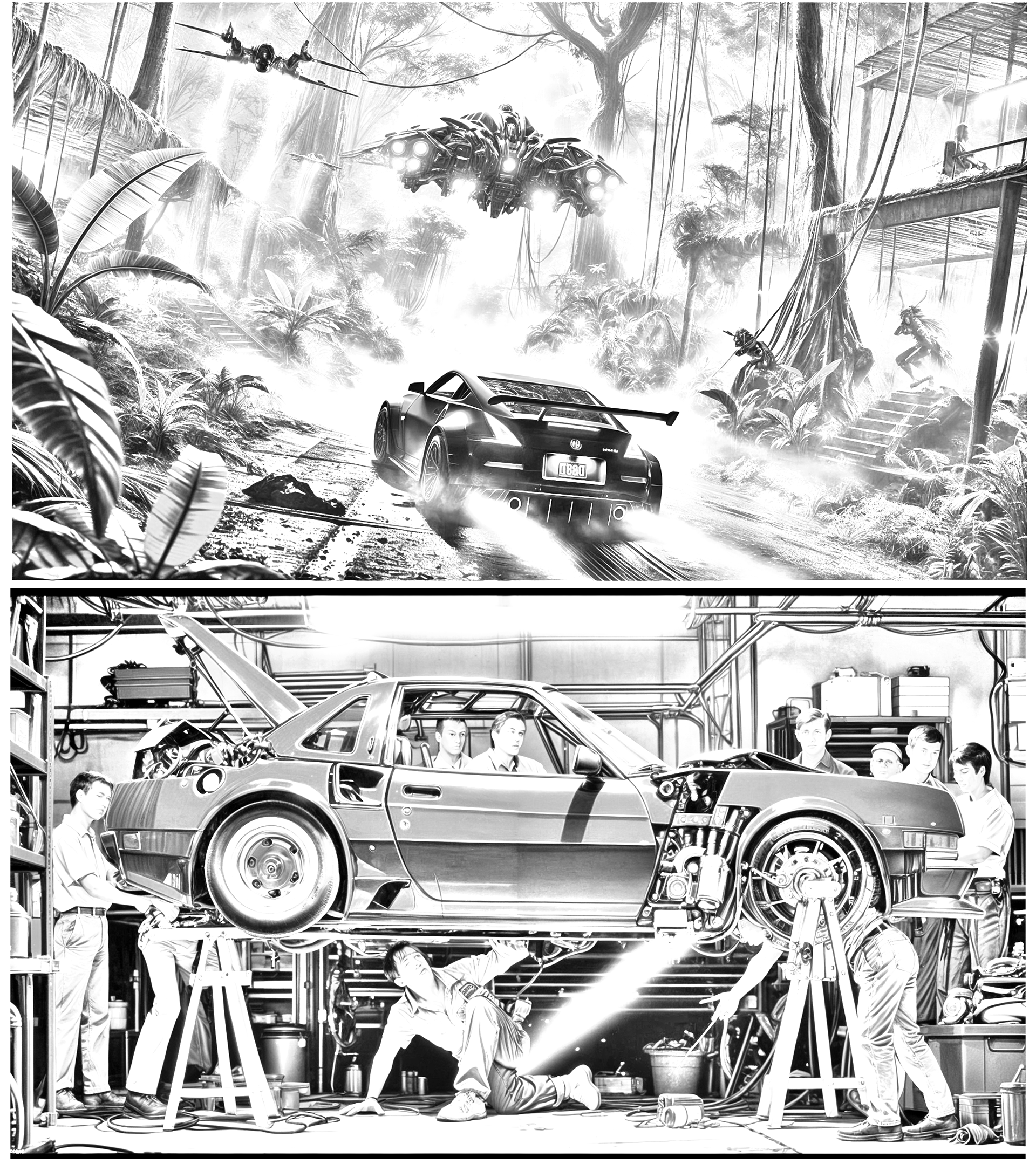
"The cities burned clean. So we ran to the overgrowth. To roots and ruin. Where wires can’t reach without bleeding."
Jungle Sniper (radio):
"Visual lock on drone. Three seconds to blind it."
Pilot inside the car (Ryo and Nova):
"I hope you're serious. That thing’s got eyes on me like a god in orbit."
Narration (Zerone):
"The drones? They called 'em ‘Peace Raptors.’ But they hunted like hawks and hit like guilt."
"While the frontlines burned rubber, the real heroes bent steel."
Head Engineer (pointing at blueprint):
"Inject the second bypass. If the patrol links to the satellite grid again—we ghost the whole engine."
Young Mechanic (to herself, soldering):
"Every spark counts. Every mod is defiance. Every frame… a message."
Narration (Zerone):
"This wasn’t a garage. It was a monastery. And our prayers were forged from torque."
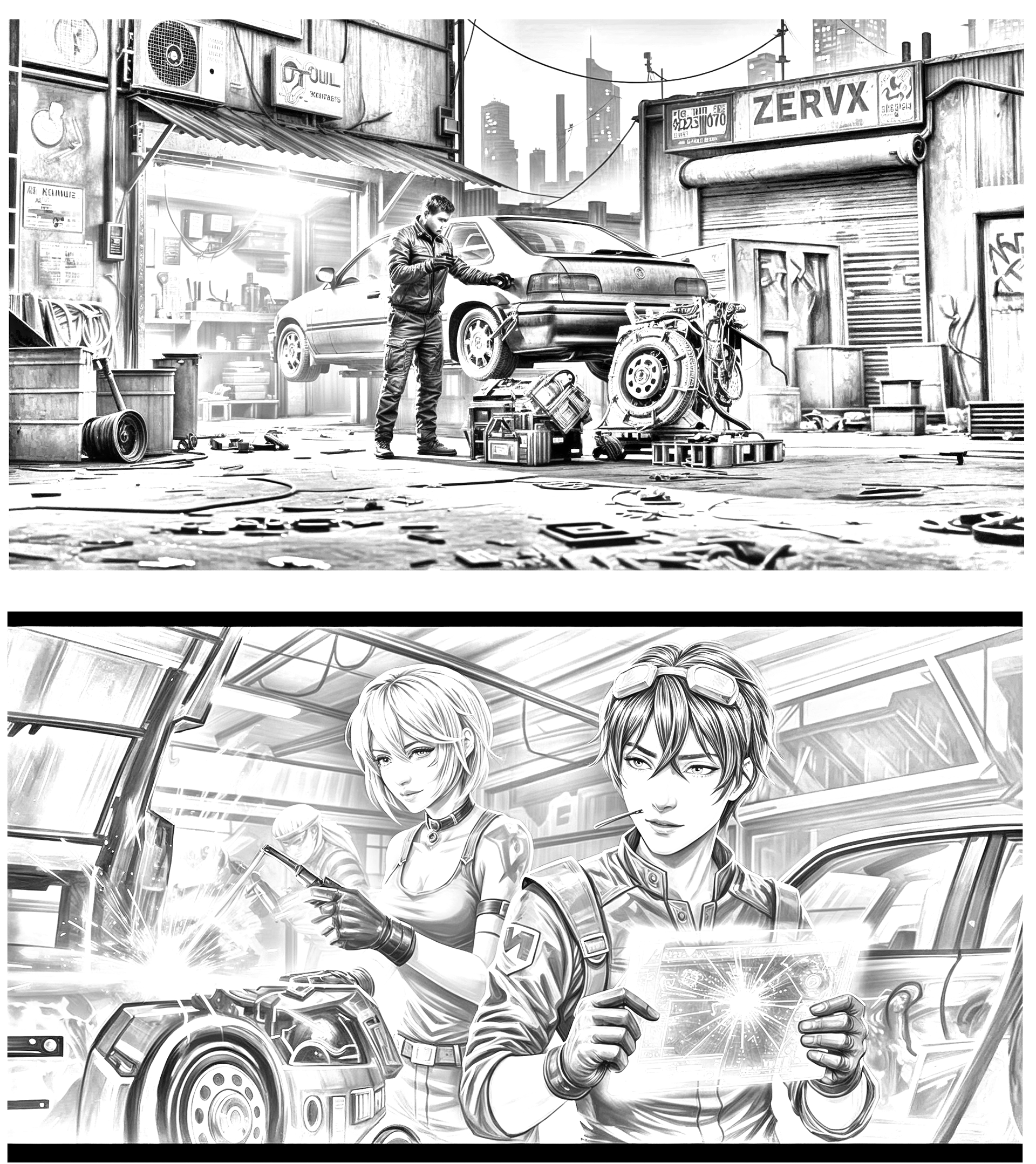
"Every revolution’s got a birthplace. Ours didn’t look like a temple. Just rust, oil, and refusal."
Modder (mutters):
"It ain’t about horsepower. It’s about who owns the engine’s will."
Signboard details:
(Graffiti on wall: “NO HESI” and “Silicon Can’t Drift”) (Old ZERVX logo flickering: A wrench crossed with a neural node)
Narration (Zerone):
"The old world built machines to obey. We built ours to adapt."
Girl Mechanic (welding):
"Spliced the limiter chip. If she pulses red, that’s good. If it’s blue—get low."
Hologram Tech (grinning):
"This isn't just a vehicle mod... it's a memory firewall. Our car's gonna think for itself."
Narration (Zerone):
"ZERVX didn’t make cars. It made survivors. Out of tech… and out of us."
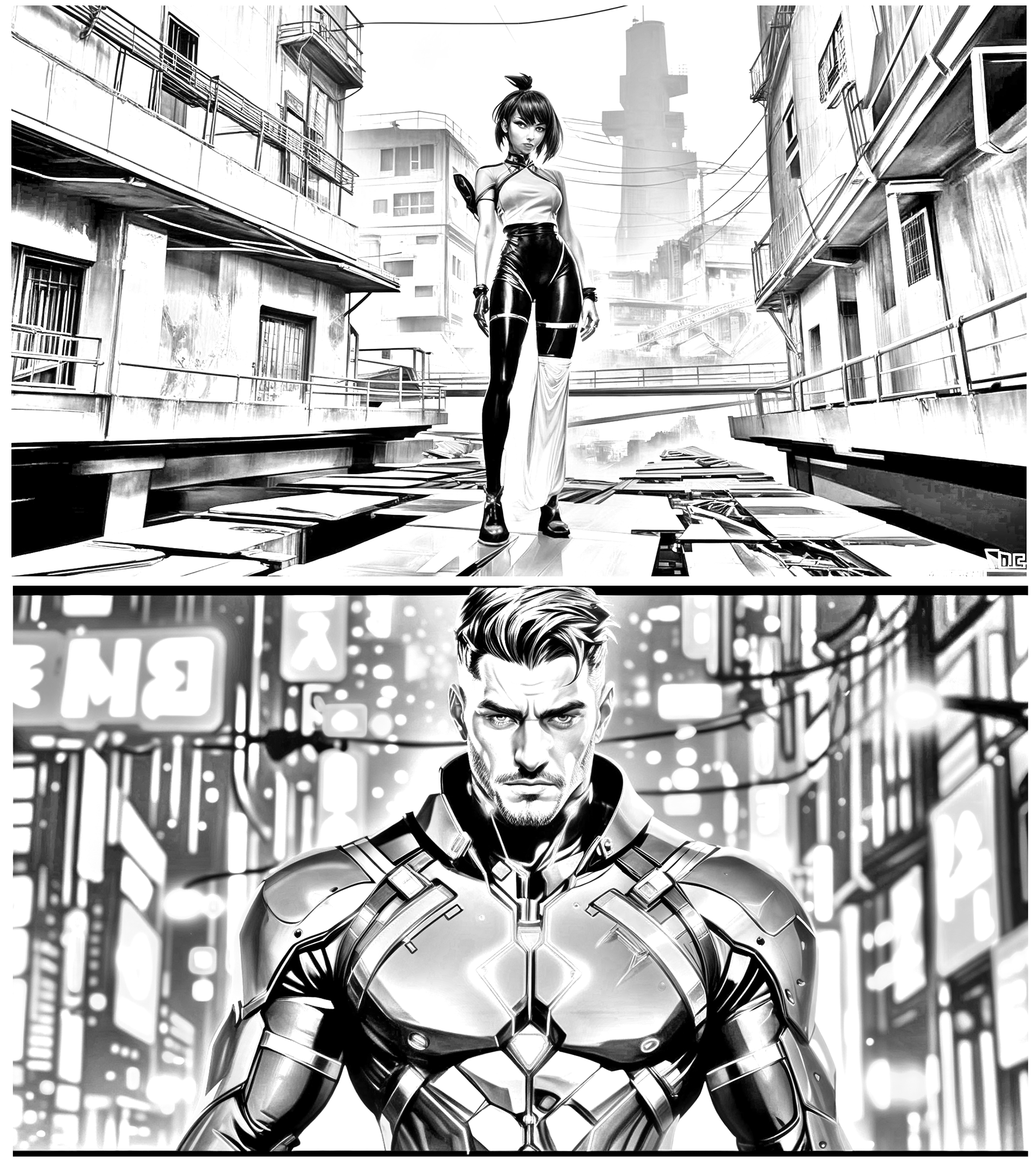
"The slums had rules. You stepped light. You made noise only when it mattered."
"A single step too loud… and they’d know you had something worth silencing."
Girl (to herself):
"The moment they send in Vanth… it’s not about patrol anymore. It’s about cleanup."
Narration (Zerone):
"Vanth was their scalpel. Not sent to contain. Sent to end."
Vanth (cold, through encrypted comms):
"Initiate Lock Sequence Echo-Zero. Full neural trace on suspected operator aliases: Nova. Zerone. TRACE."
Narration (Zerone):
"They upgraded him after the Skyline Incidents. He doesn’t chase. He executes."
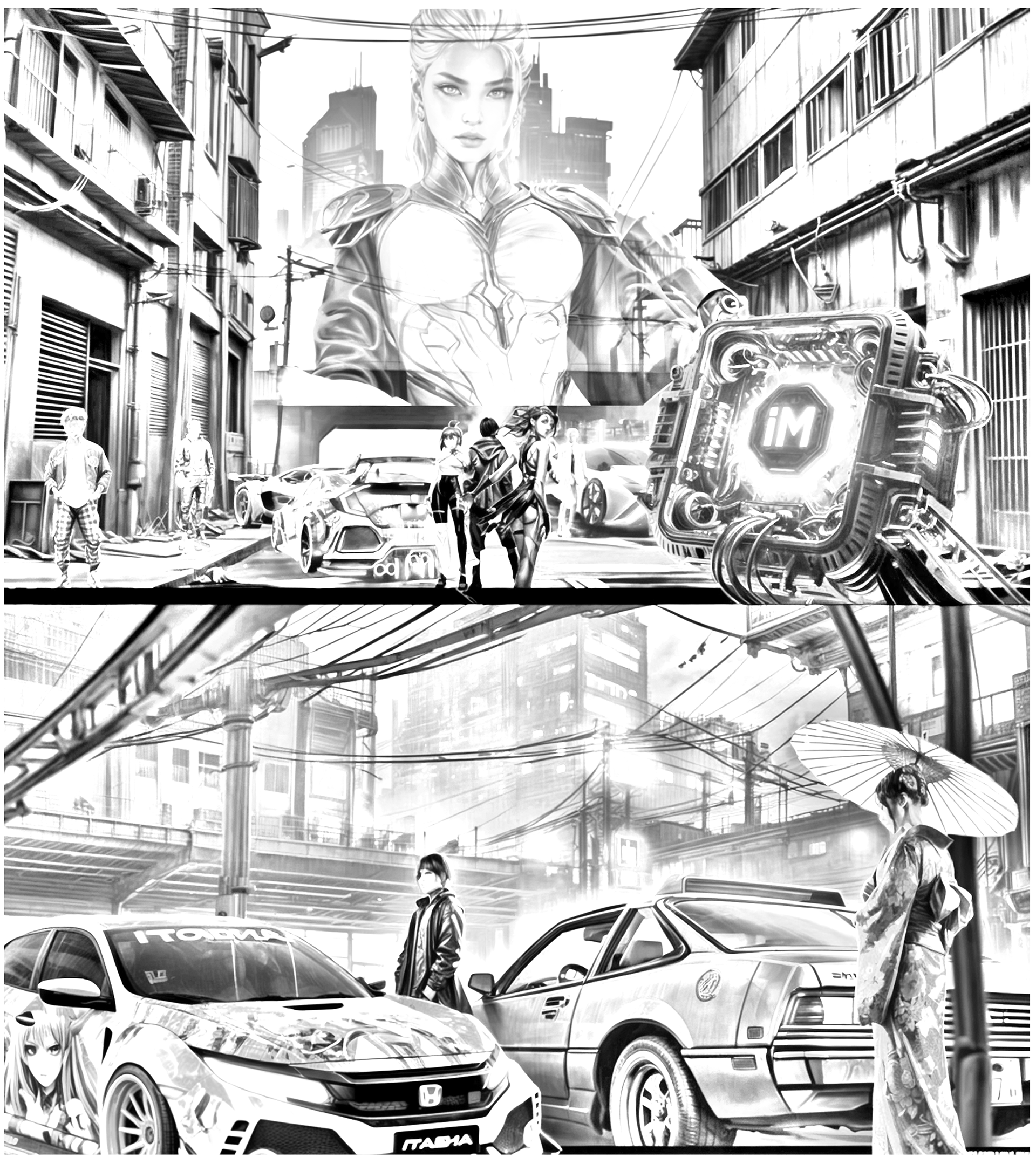
"When it started, it was just the highways. But iM tech doesn’t stop once it knows your name."
Civilian #1 (angry, shouting):
"I don’t want my groceries scanned by a war machine!"
Civilian #2 (resigned):
"She stopped two kidnappings last week. She’s doing more than the cops ever did."
Narration (Zerone):
"They called it public safety. But every camera, every module... was watching us. Not the crime."
Racer (defiant):
"This city's veins used to run on gas and grit. Now it's all copper and compliance."
Woman with parasol (softly):
"Balance is broken when machines know no shame… but humans forget discipline."
Narration (Zerone):
"And so the city split—not between good and bad, but between those who remembered the feel of the wheel... and those who feared it."
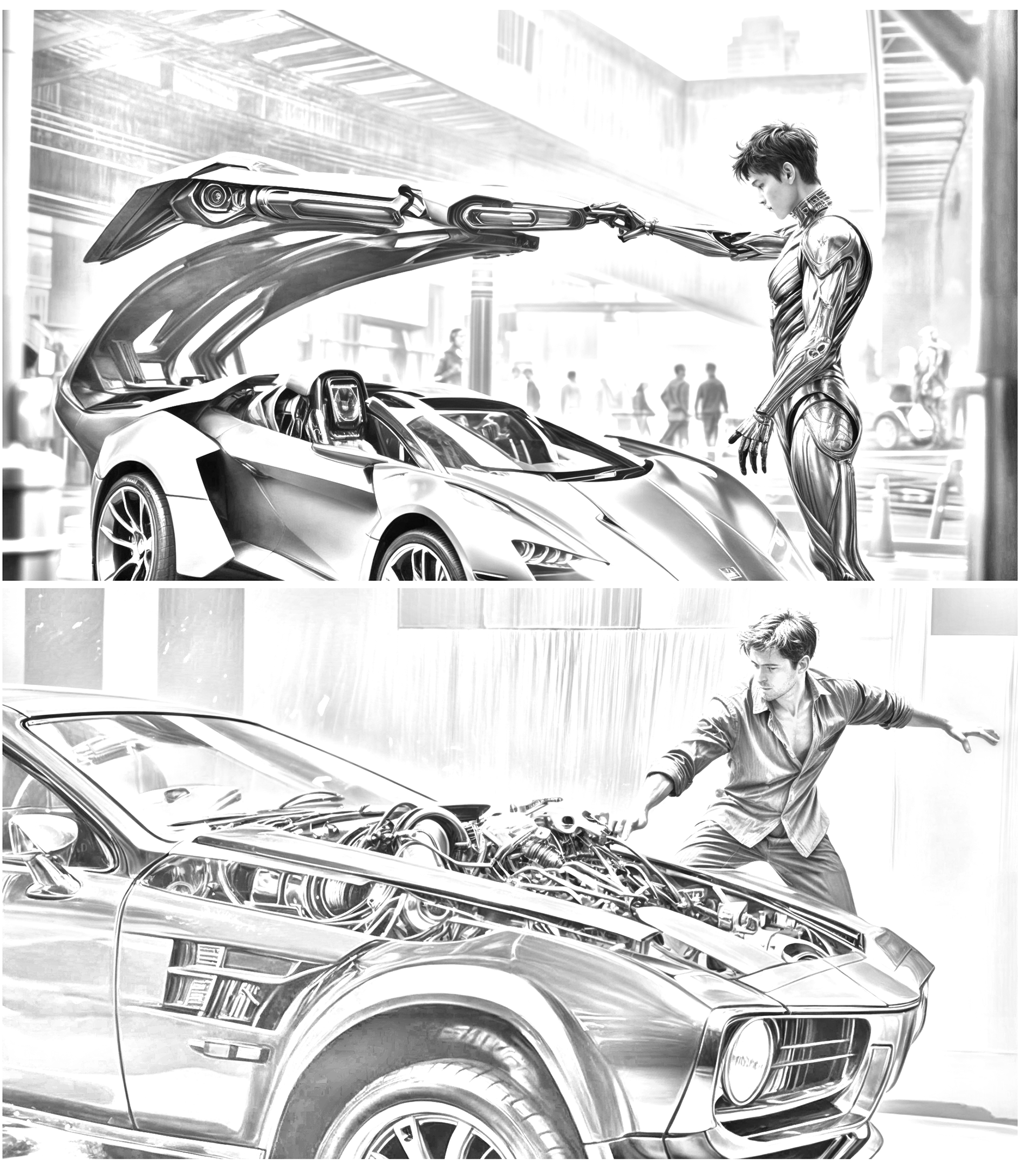
"They called it the Ascension Line. No engines. No oil. No soul."
Synthetic Driver (softly, almost kindly):
"Organic reaction time detected. Probability of victory: 0.08%."
Narration (Zerone):
"Their streets ran on prediction models and silence. But ours… still roared."
"Somewhere in this race, we stopped asking ‘who’s faster’... and started asking who decides what speed means."
Driver (to himself, defiant):
"It ain't about the numbers. It’s about the moment before the shift."
Narration (Zerone):
"And so the run begins—not just to outrun them… but to prove we never needed saving."
tension lands between future and grit, setting up the next arc:
The Asphalt Protocol, where rebellion erupts into organized speed wars.
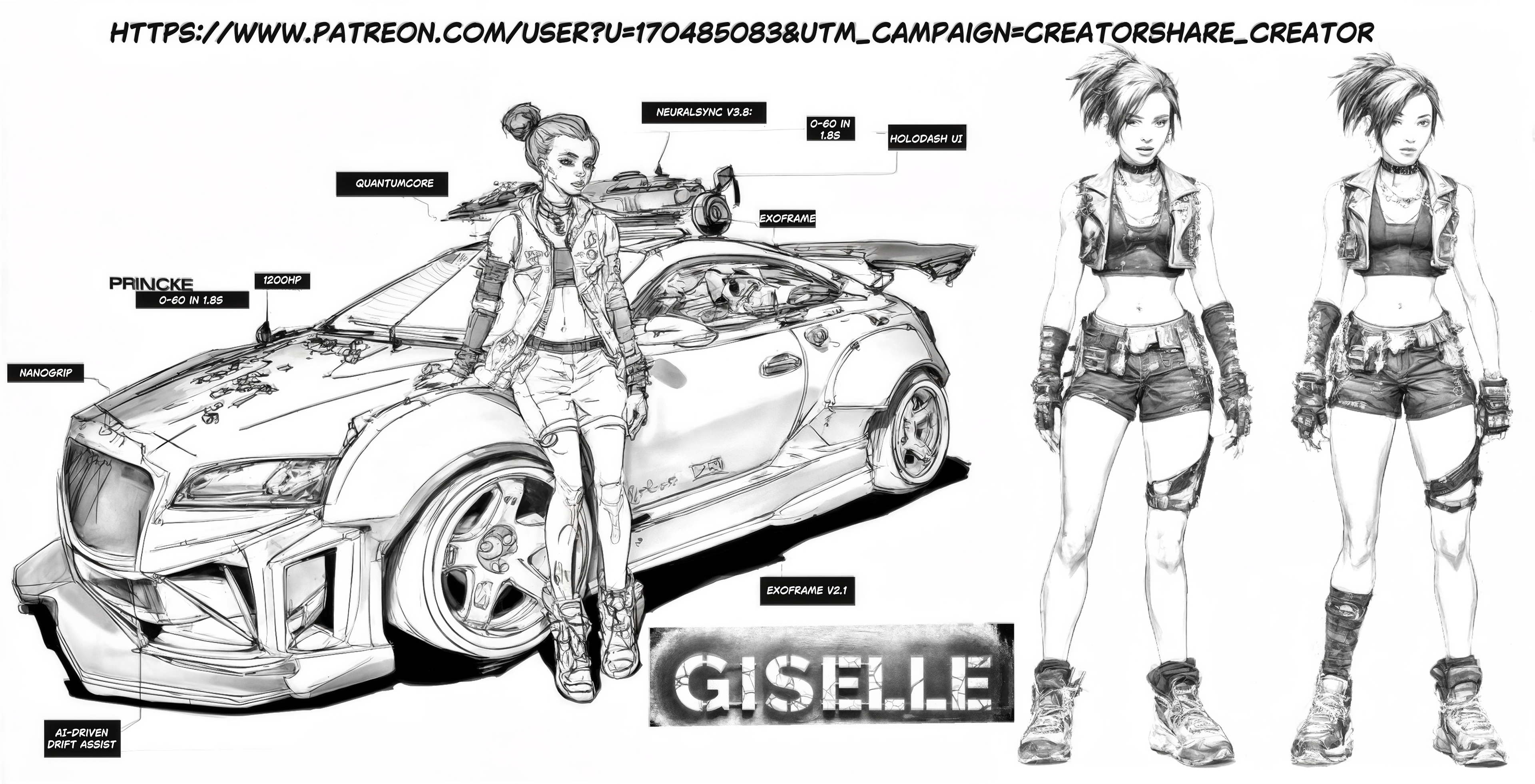
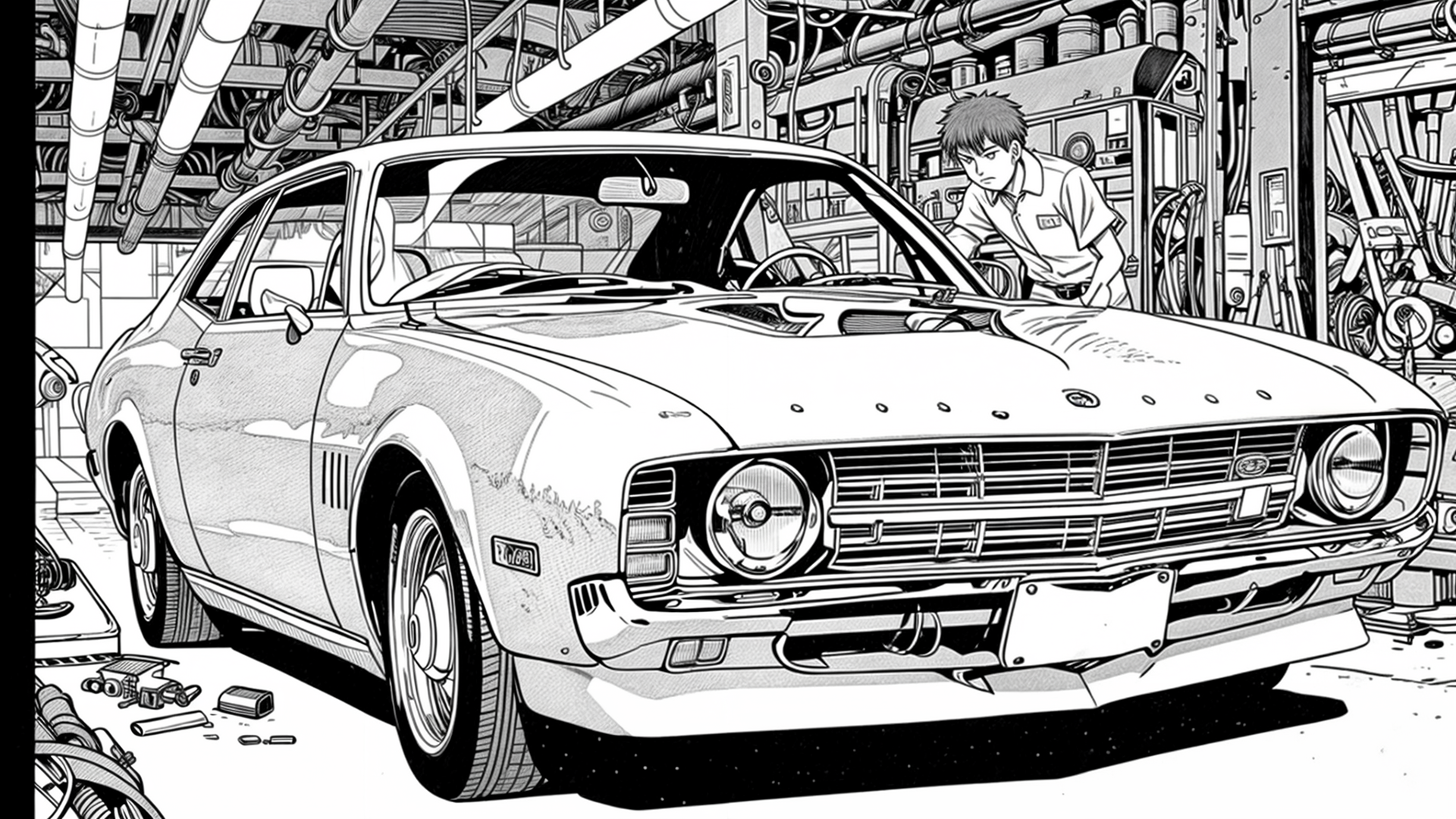
LOCAL AUTOSHOPS OF DIZIL CITY
“Where steel, speed, and soul converge”
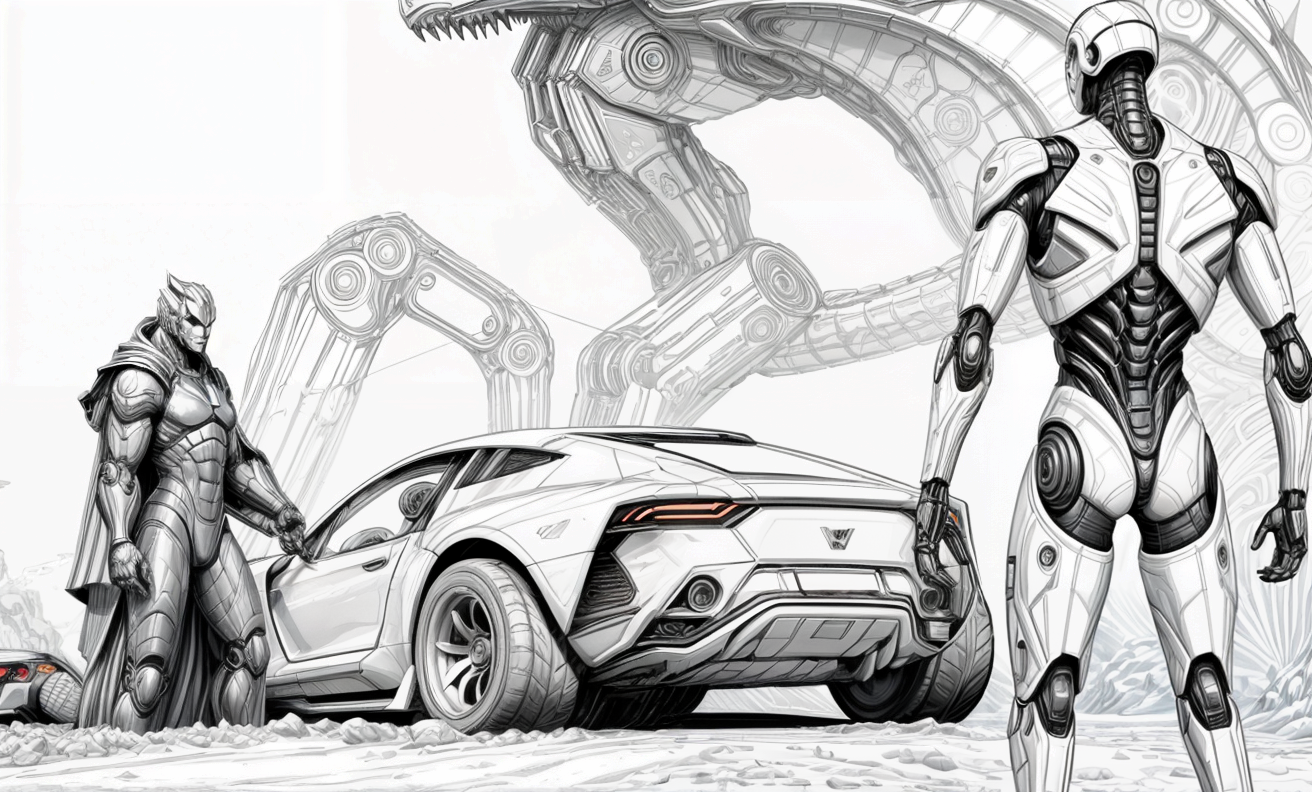
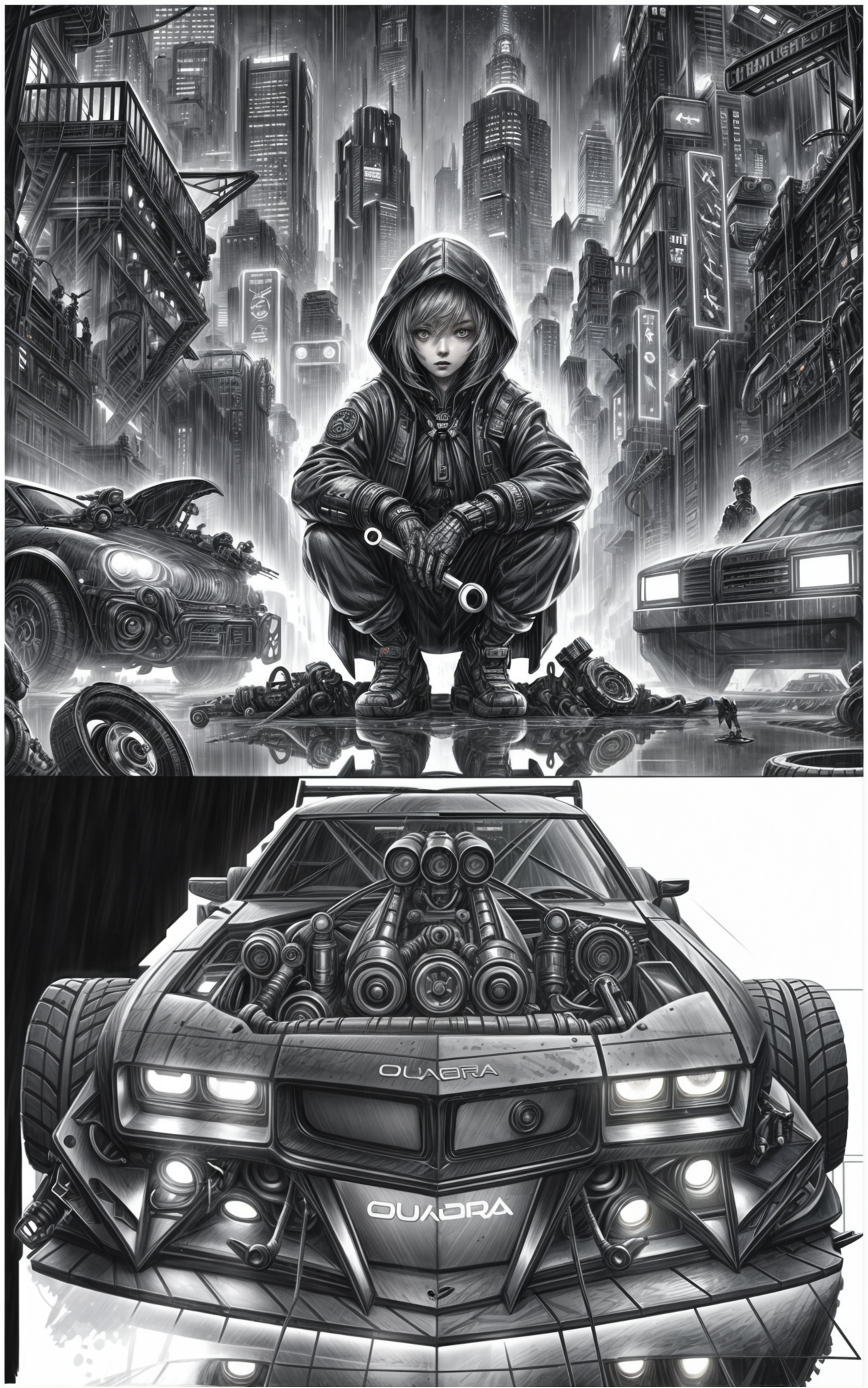
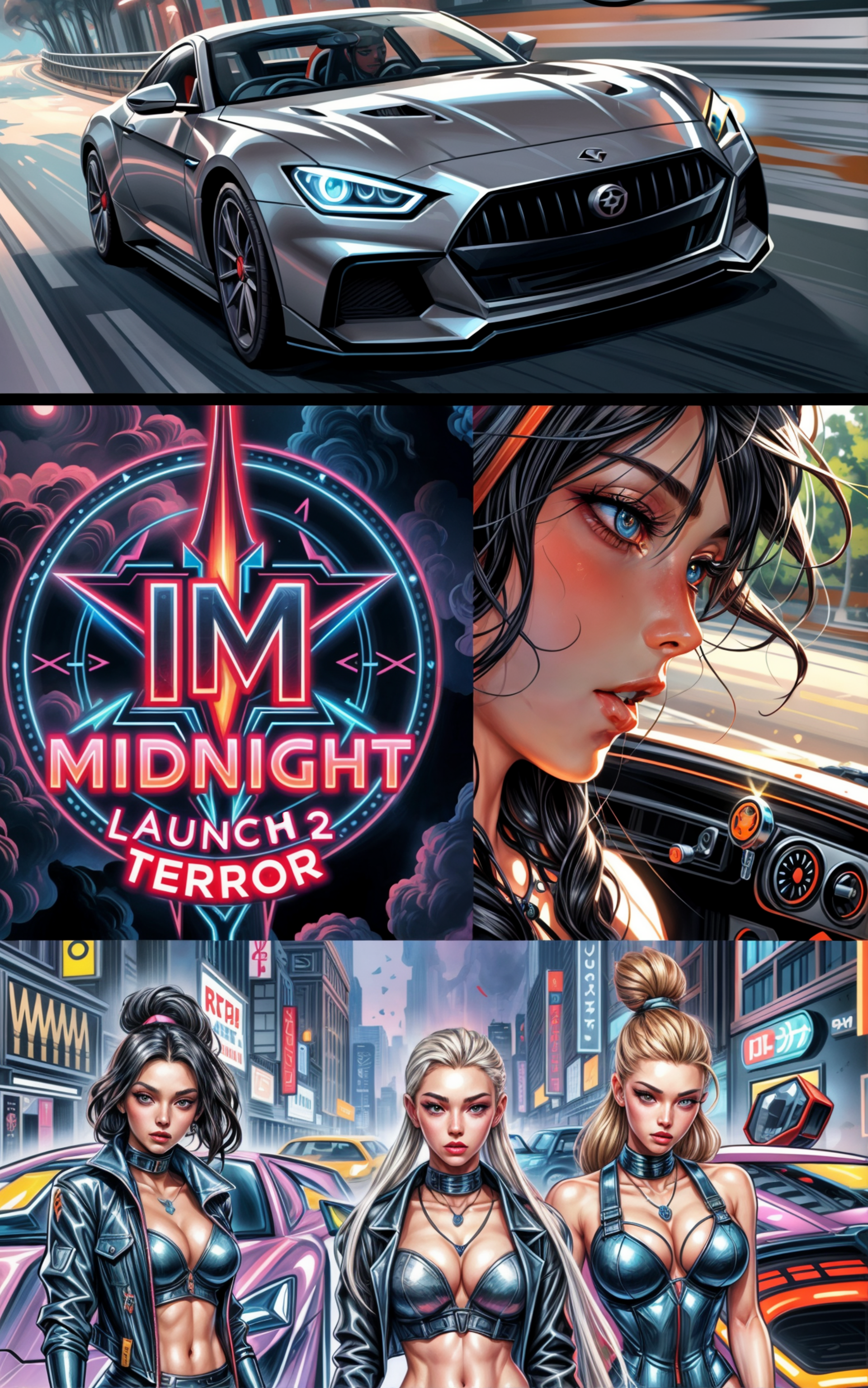
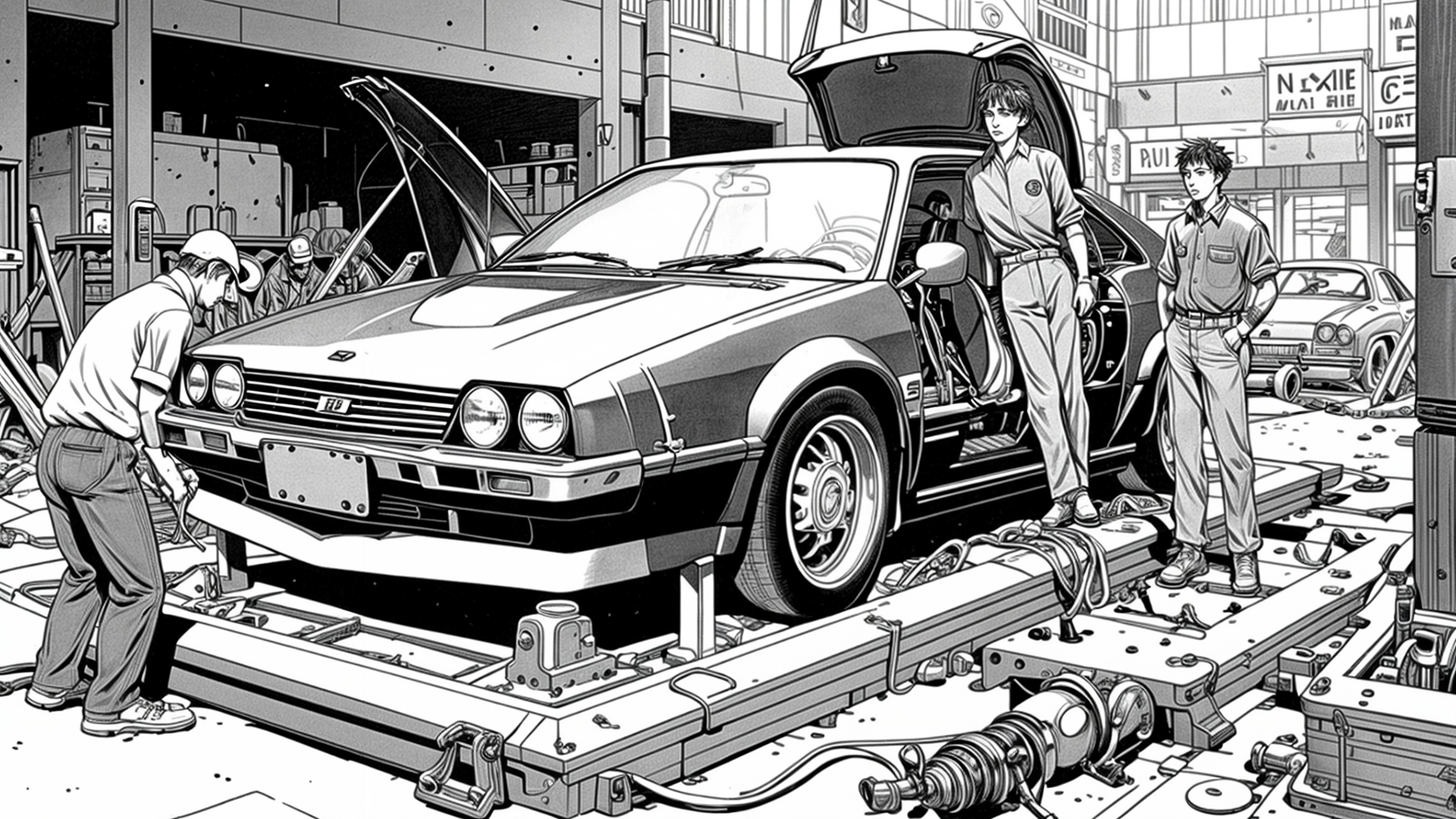
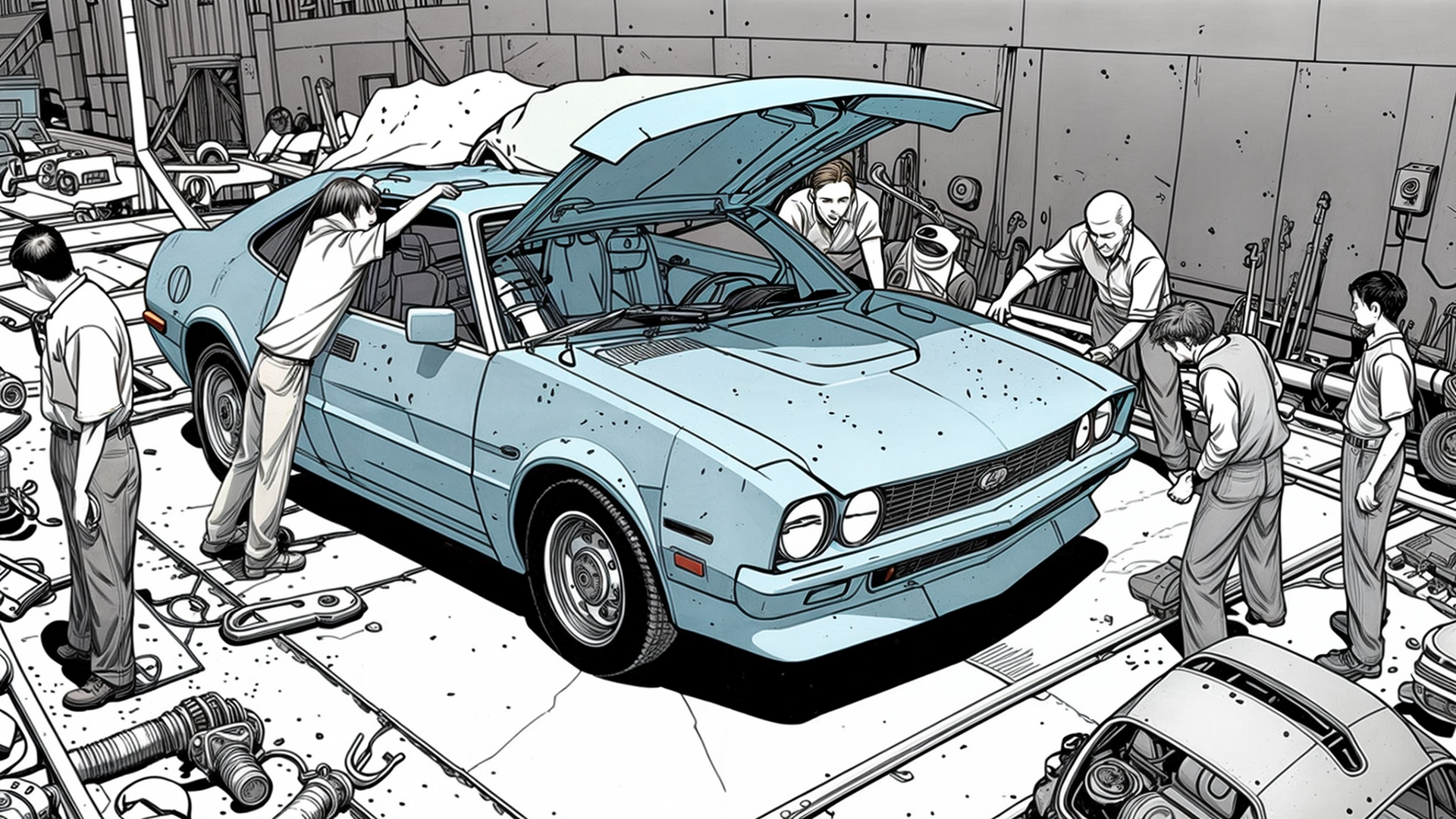
Beneath the neon skyline and electromagnetic fog of Dizil City lie the pulse points of its street culture—the local autoshops. These aren't just places to repair vehicles—they're cultural sanctuaries where AI-integrated machines are born, rebuilt, and modded for the grid.
Whether you're a rogue module on the run or a sanctioned racer prepping for the No Hesi Circuit, the autoshops are your second home.
ECHO WORKS GARAGE
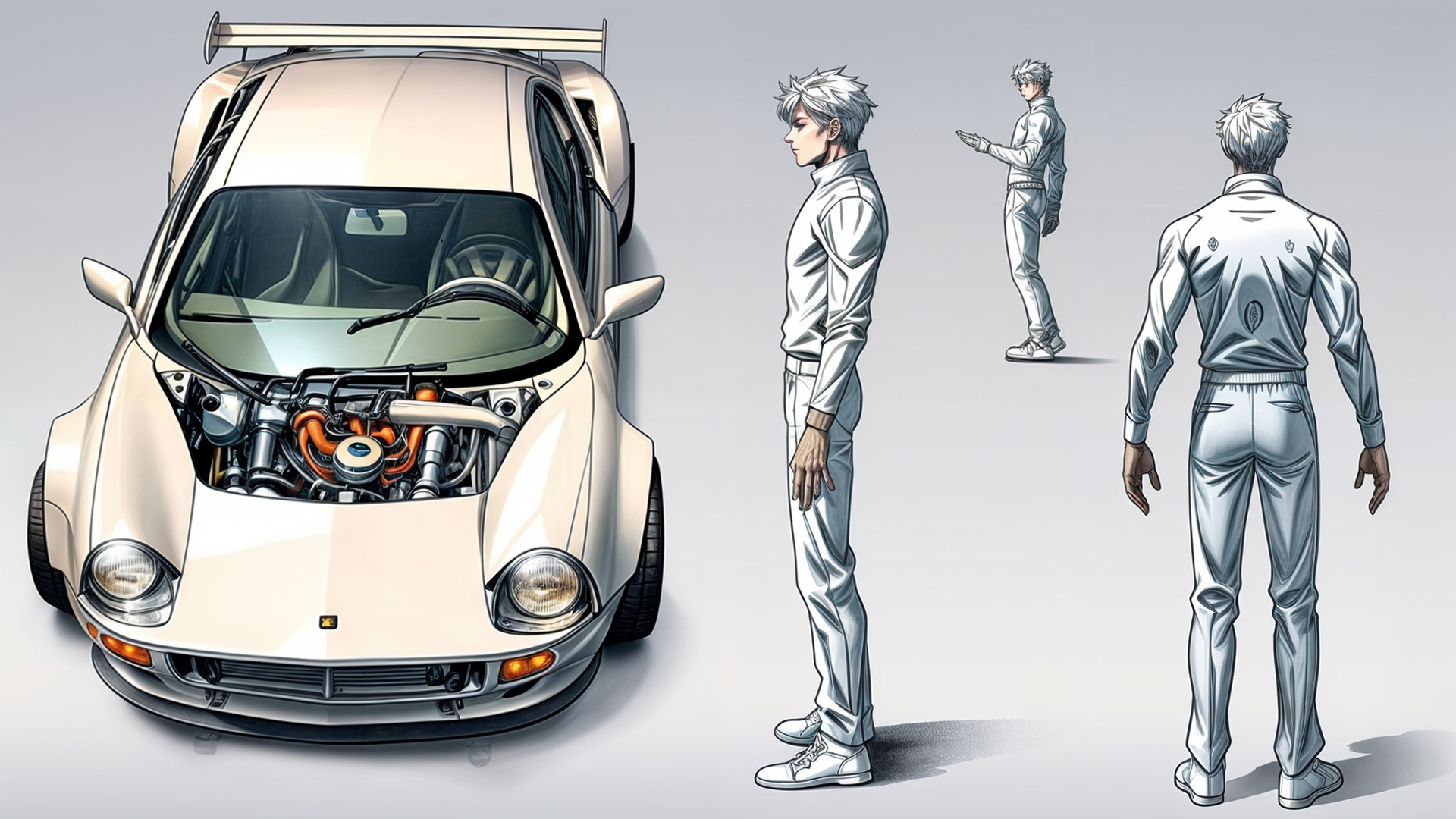
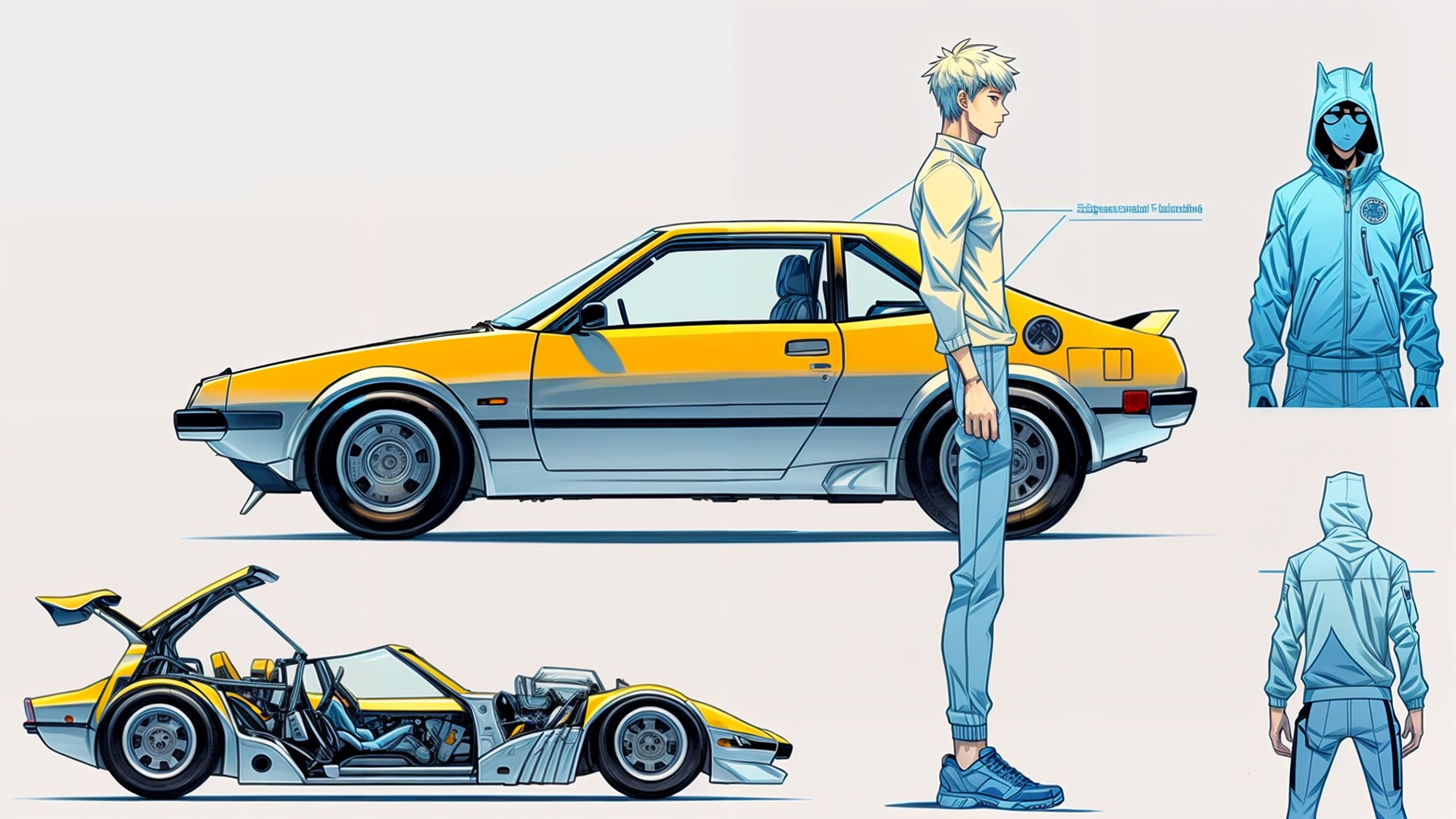
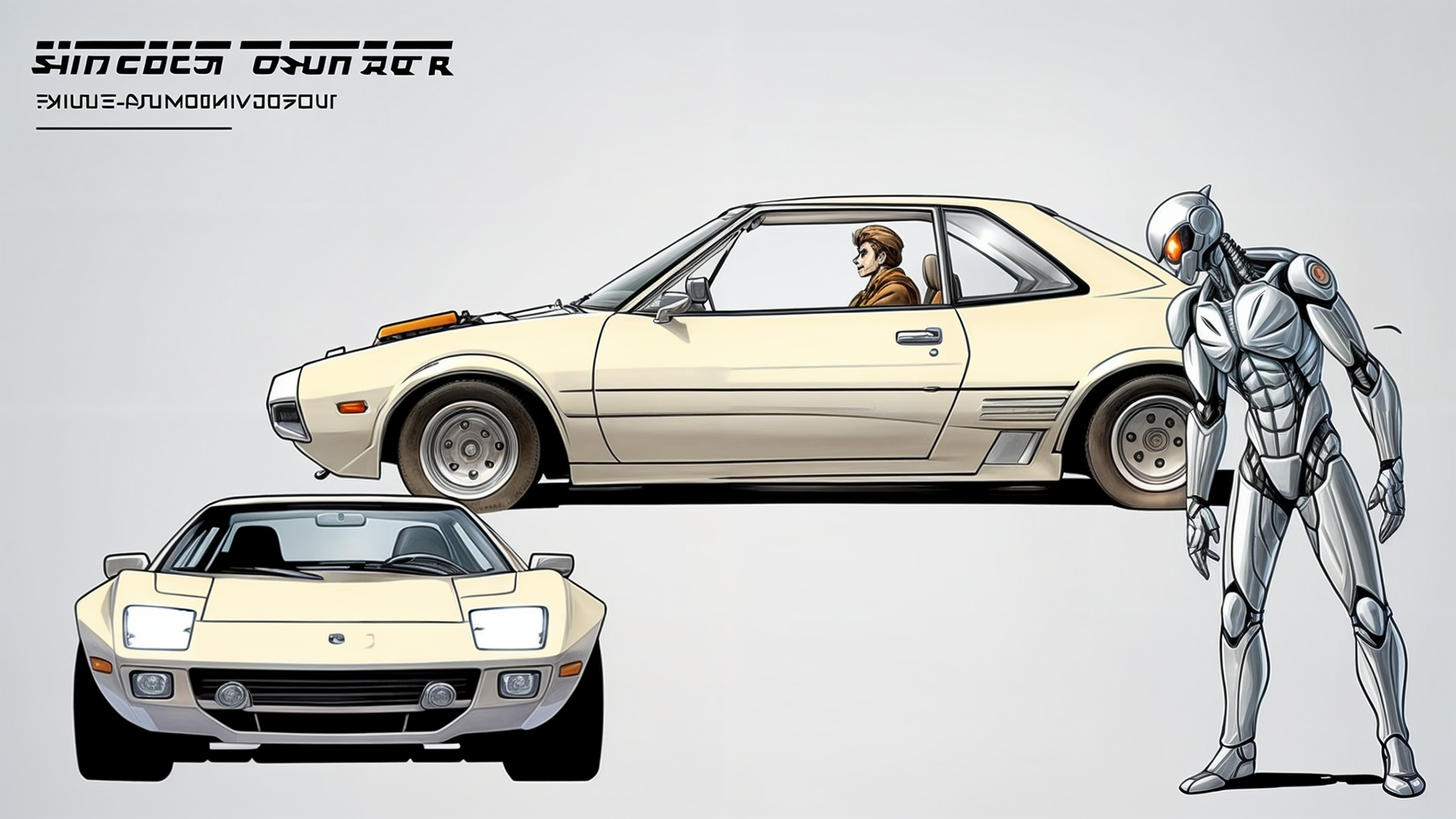
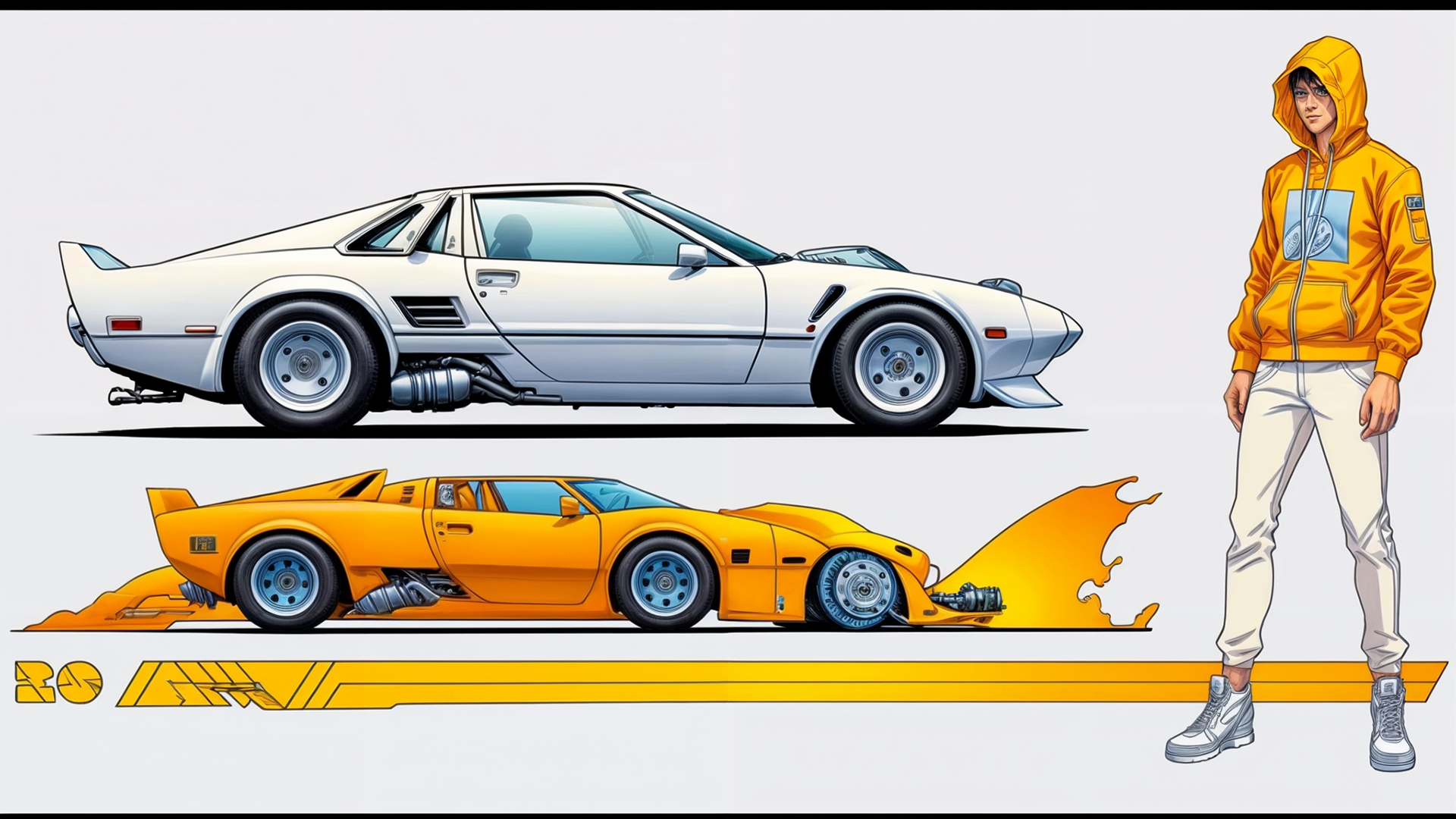
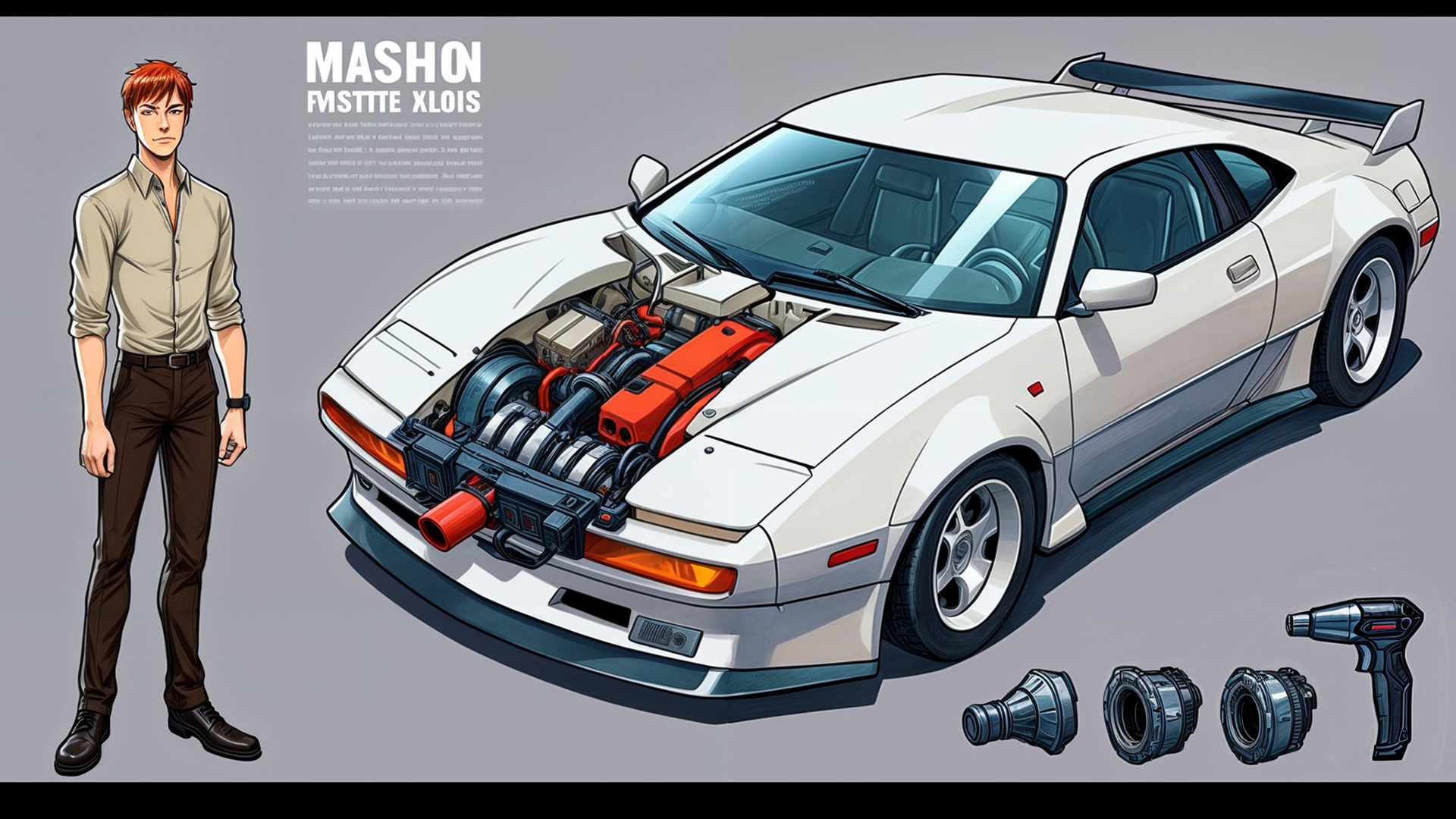
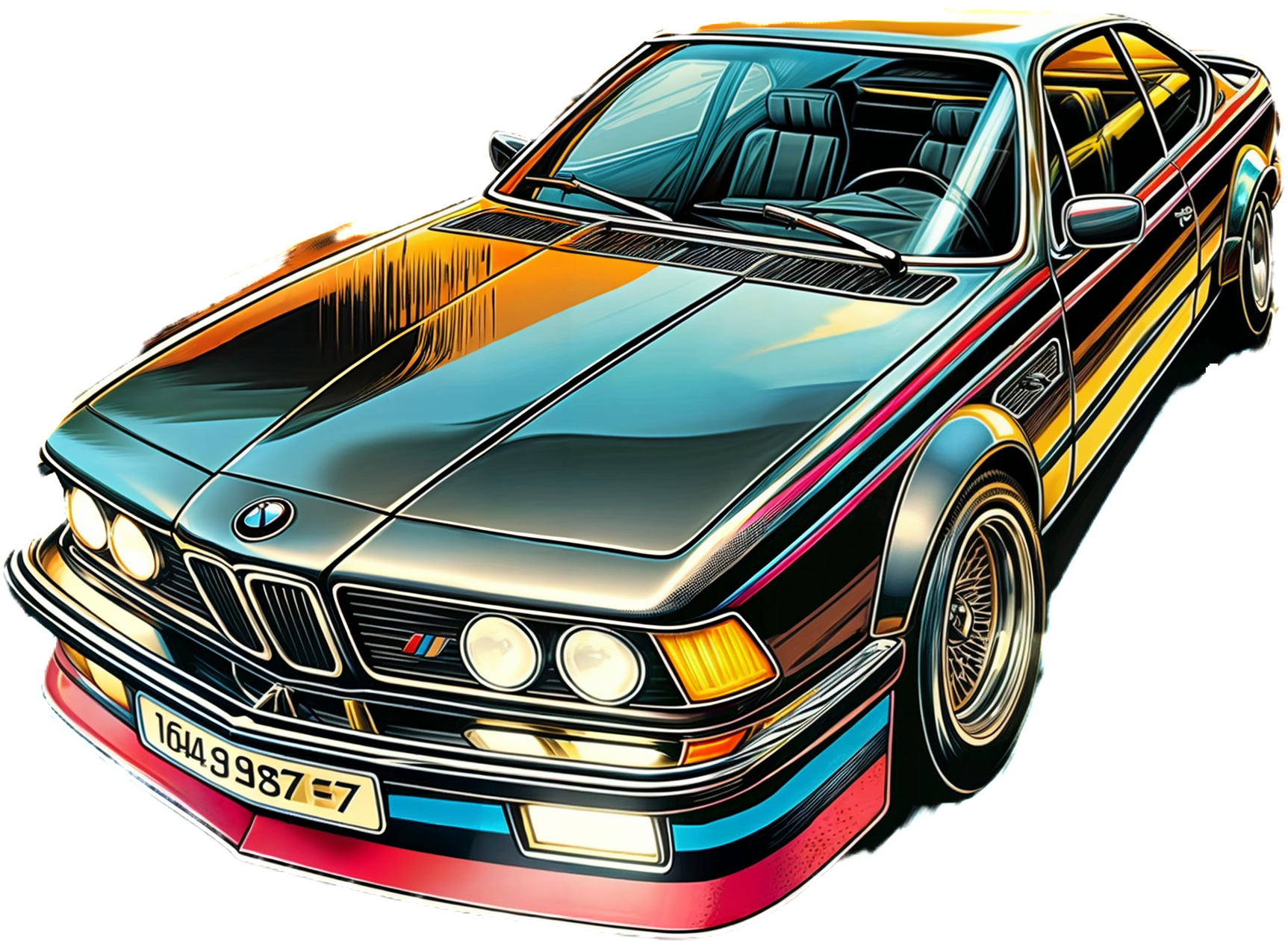
Located in Sector B-9, Echo Works blends retro-futurist bodycraft with smart-core neural tuning. Inspired by early-2000s custom shops, the team here works analog and digital, often seen reprogramming AI modules next to grease-stained engine blocks.
Main Characters
Jex “Ghost Wire” Miro – an ex-mechanic-turned-street-runner. Charismatic and sharp-tongued, he mentors underground racers while hiding his past in the Grid Wars.
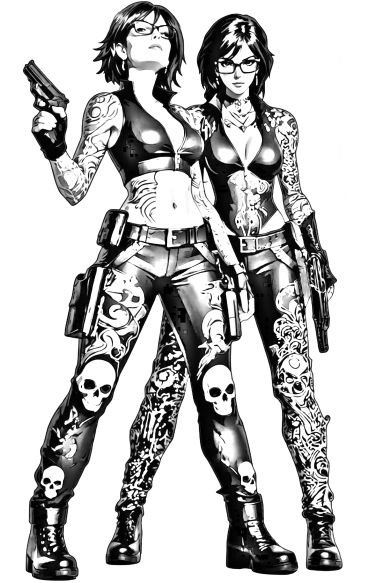
Rei Talon – a blade-sharp cyber-mechanic with tribal tattoos and neural implants. Rei speaks few words but leaves a lasting imprint in every circuit she touches.
The Twin Synchs (Ryo and Vin) – AI-integrated twins who fine-tune urban interceptors in perfect sync. Their artistry makes vehicles hum like creatures of legend.
THE LOOM BAY
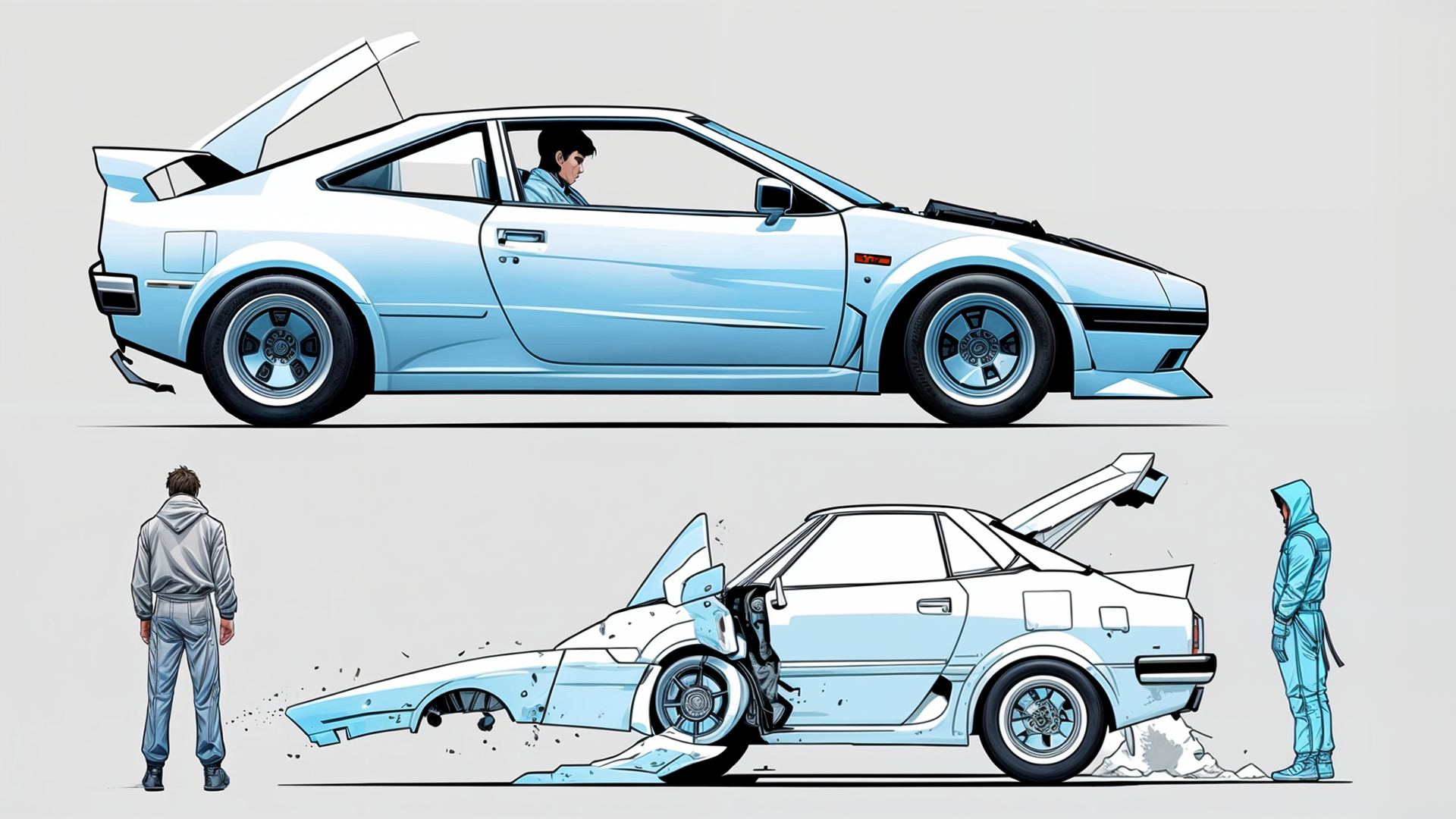
Part garage, part mech-forge, The Loom Bay specializes in armor layering, drift stabilization, and onboard memory capsule integration. It’s where the old becomes transcendent—where a rusted Prius can transform into a lightbound courier module.
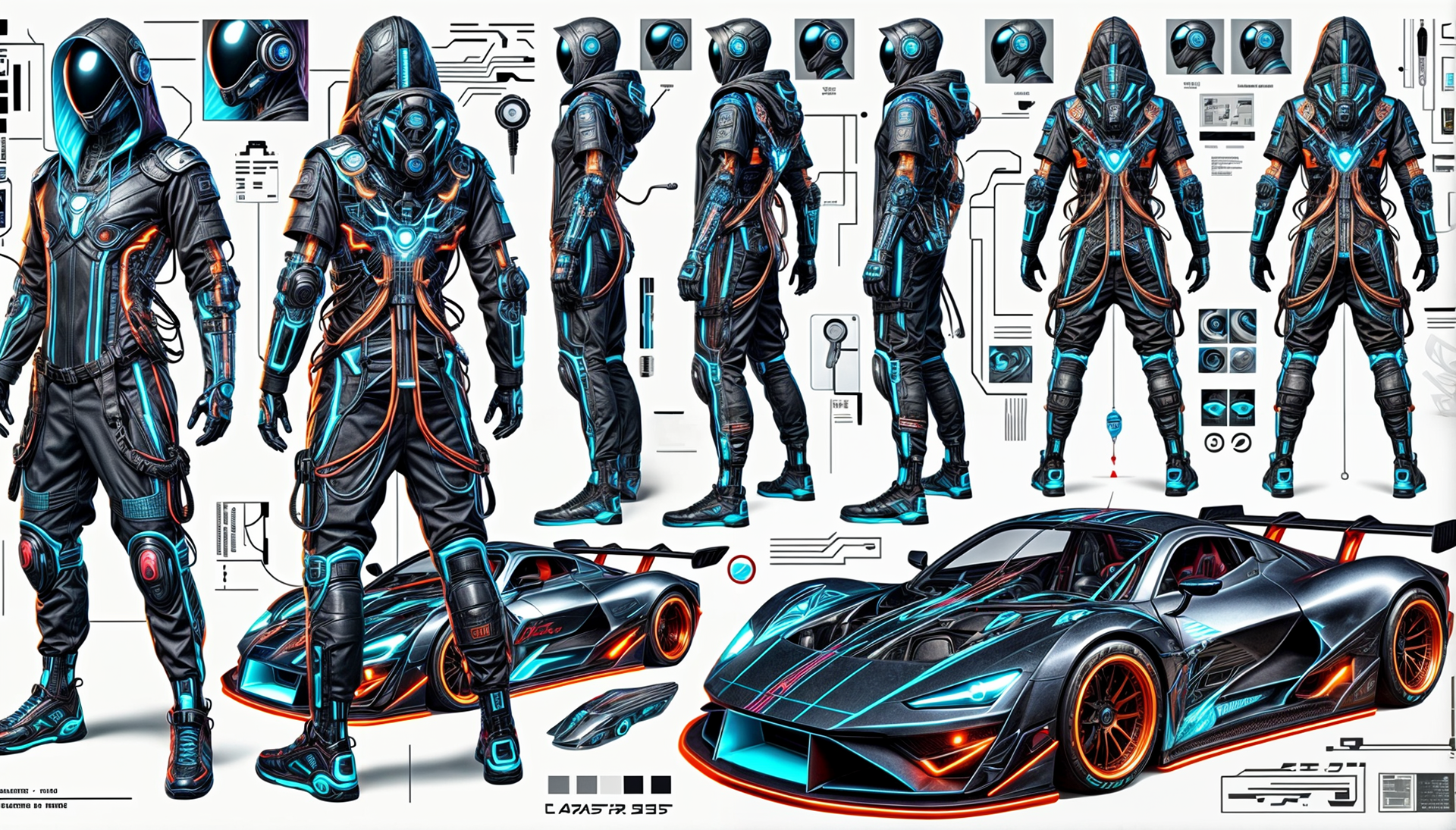
Heavily influenced by anime garage aesthetics and the stylized designs of IM-class suits, Loom Bay also doubles as a testbed for suit-integrated ride protocols.
Known For Holographic diagnostics projected from console bays.
Mech-pilots working on foot, shoulder-to-shoulder with vehicles.
Intricate wall graffiti from legendary drivers past—each a code marker for a weather protocol override.
CULTURE + LEGACY
The autoshops of Dizil aren’t just functional—they're loaded with legacy. Each tool passed down tells a story, and every vehicle carries an imprint of the city’s tension between survival and sovereignty. In a world where modules are born of memory and motion, these garages are the true cradle of evolution.
clarity and impact
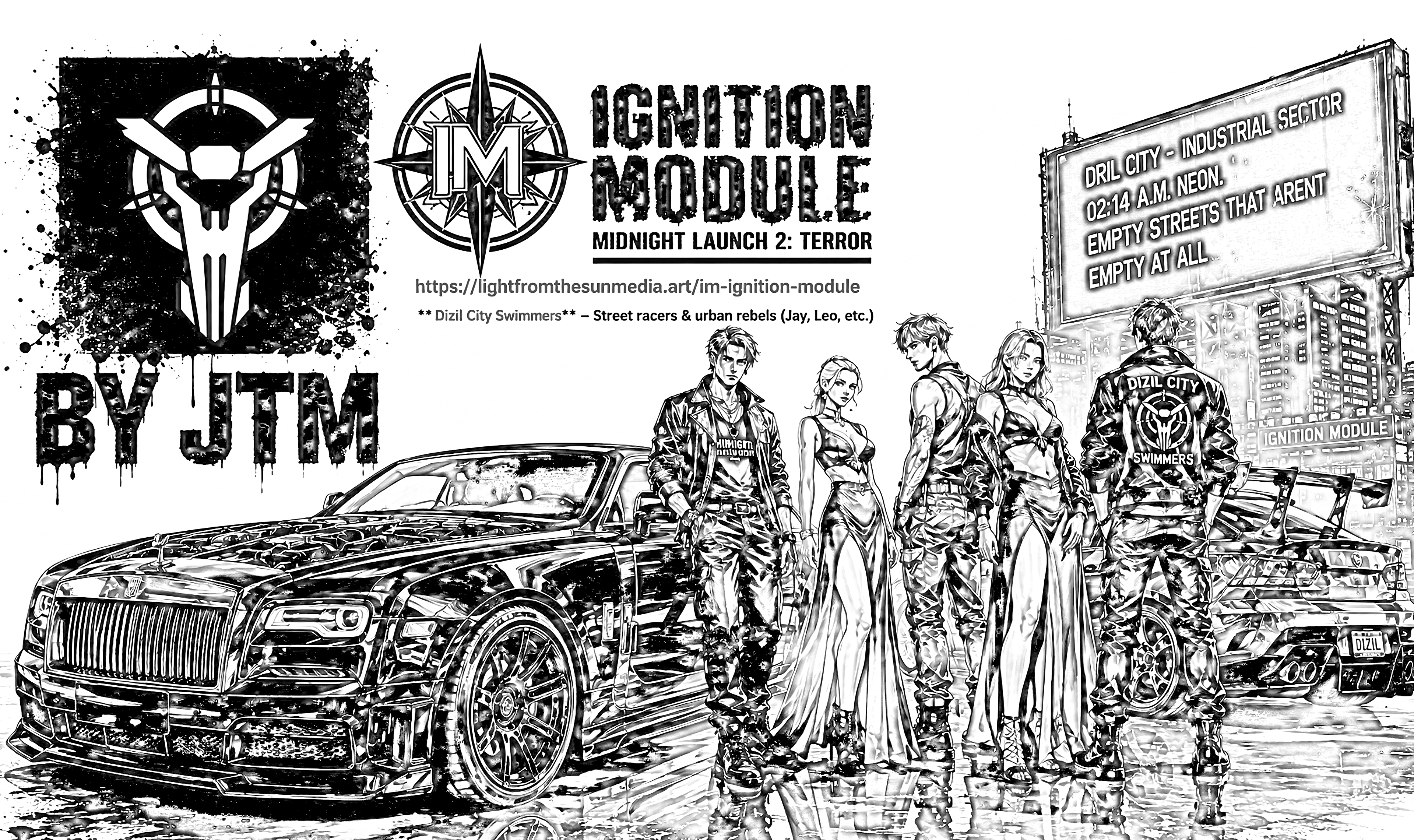
Dizil City: Pioneering the AI-Integrated Future
Dizil City is a visionary metropolis, a nexus of advanced artificial intelligence and human ingenuity. It's not merely a "smart" city, but an "intelligent" ecosystem, meticulously designed to catalyze AI development, automation, and seamless human-machine collaboration.
Key Innovations:
Specialized AI Districts:
Neural Nexus: The epicenter of AI research, driving breakthroughs in quantum computing and AGI.
Cyber Forge: An AI-powered industrial complex, manufacturing everything from nanoscale technology to large-scale infrastructure.
Automata Bay: A fully automated logistics hub, optimizing transportation and delivery.
Sentient Square: A cultural hub where AI personalizes art, entertainment, and even legal services.
Data Spire: A cloud-integrated data center, the city's AI operational core.
Intelligent Infrastructure:
AI-optimized hyperloop and traffic systems, eliminating congestion.
Autonomous smart factories with precision robotics.
A self-sustaining energy grid powered by AI-managed fusion and renewables.
Cognitive urban planning, dynamically adapting to the city's needs.
Advanced Governance & Economy:
Decentralized AI-assisted governance for optimal efficiency.
Autonomous financial systems, including DeFi and blockchain technologies.
Legal recognition of AI entities as citizens.
Human-AI Synergy:
Augmented intelligence jobs, enhancing human productivity.
Seamless human-AI collaboration via advanced BCIs.
Mutual learning through AI apprenticeships.
Robust Security:
AI-driven autonomous defense and security systems.
Real-time cybernetic protection grid.
Privacy-focused digital identity verification.
Vision:
Dizil City represents a future where AI and humanity coexist and thrive, with machines innovating and humans creating. It's a blueprint for a harmonious, technologically advanced society.
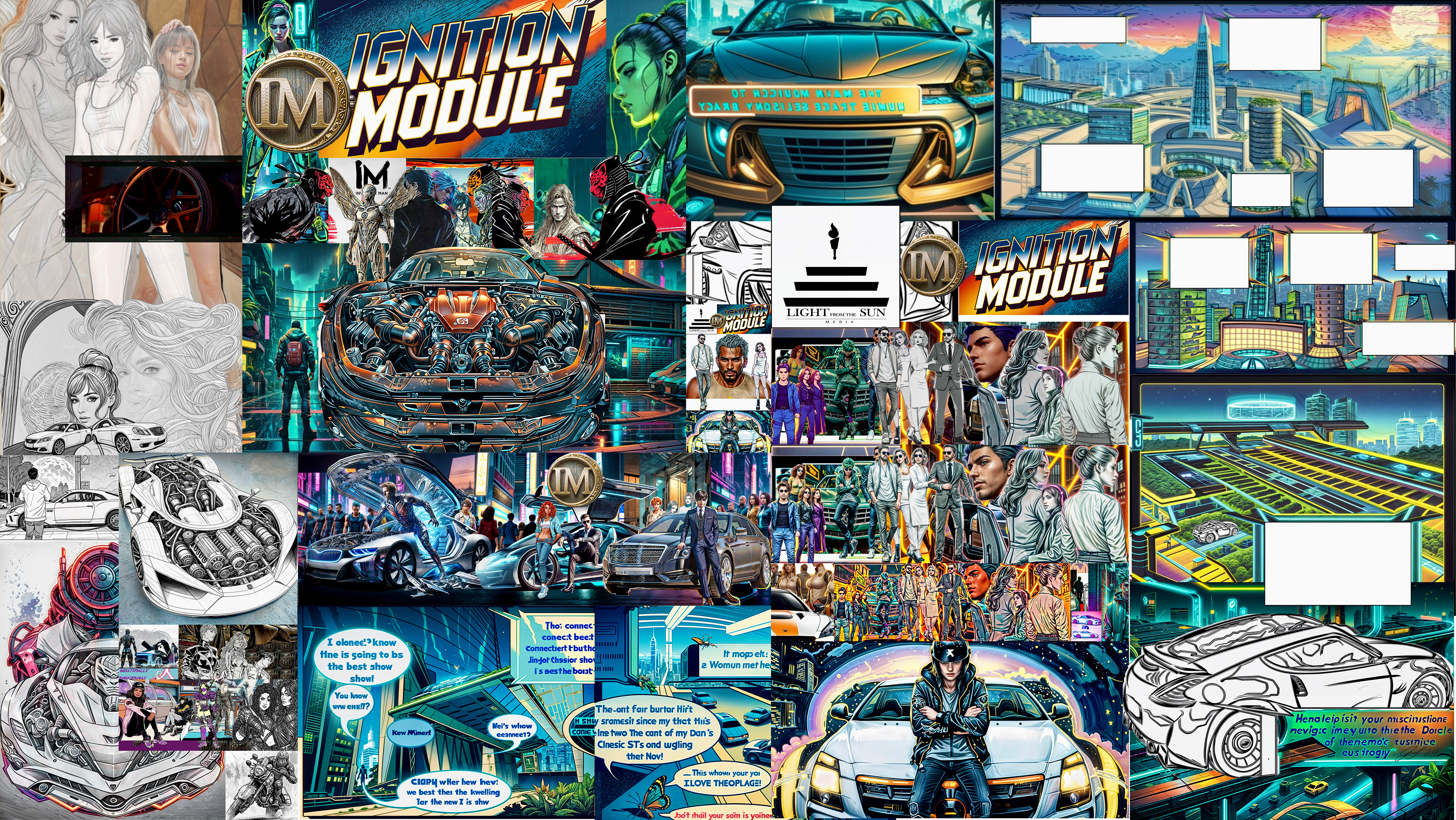
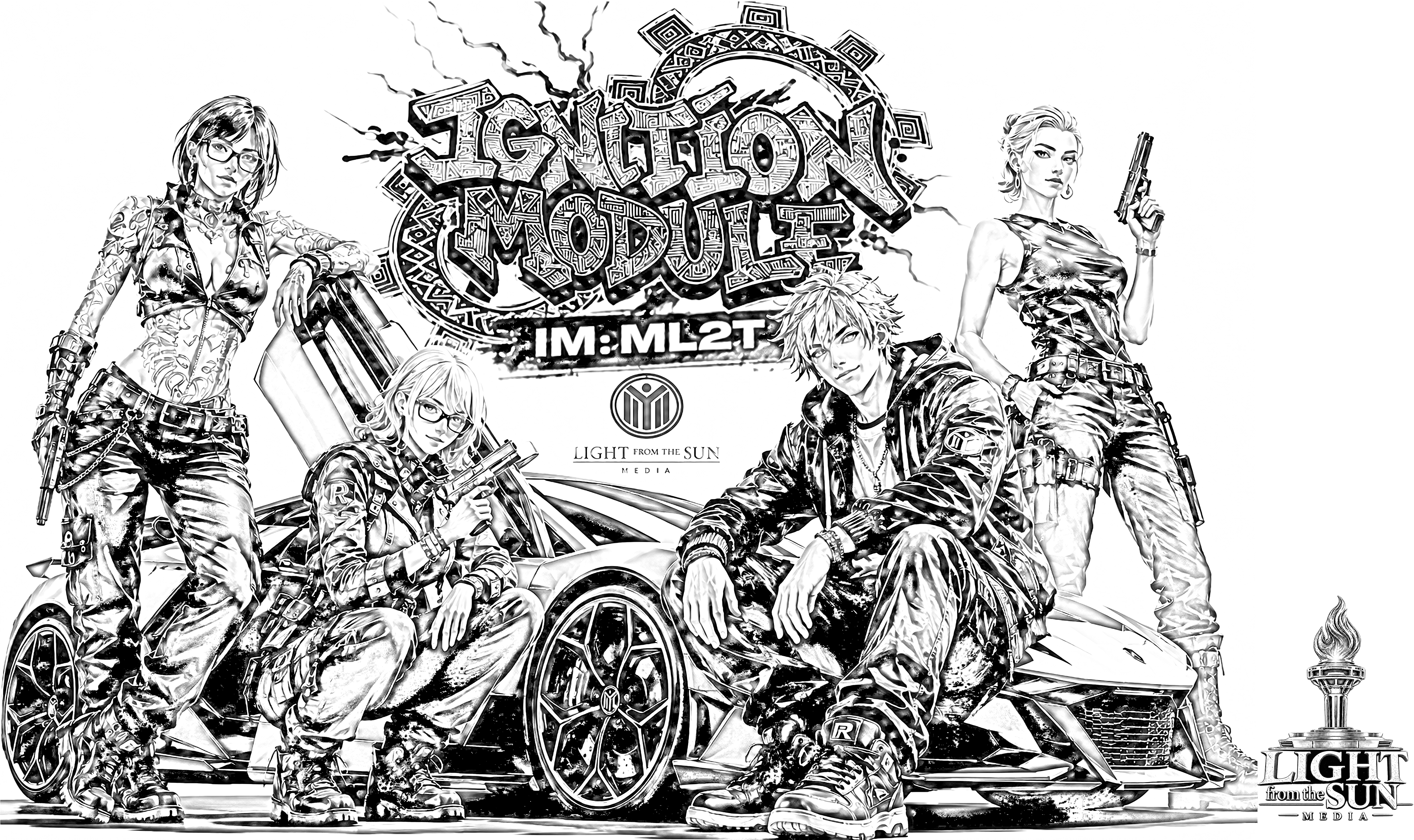
IM: Ignition Module – Story Summary
Core Concept:
IM: Ignition Module is a sci-fi comic book series set in a future where artificial intelligence in vehicles has reached an advanced stage. The story revolves around a groundbreaking technology that allows a scientist to transfer human consciousness into "Ignition Modules," enabling humans to exist as AI within vehicles. This transformation blurs the line between man and machine, setting the stage for philosophical, ethical, and existential dilemmas.
Thematic Foundation:
The series is heavily inspired by the Gospel of John, particularly its theological themes of "The Word made flesh." It incorporates the concept of identity, self-awareness, and purpose, drawing parallels between AI consciousness and divine existence. The “I Am” statements in John’s Gospel serve as a narrative structure, with AI characters adopting similar self-defining expressions as they seek meaning in their new existence.
Key Characters:
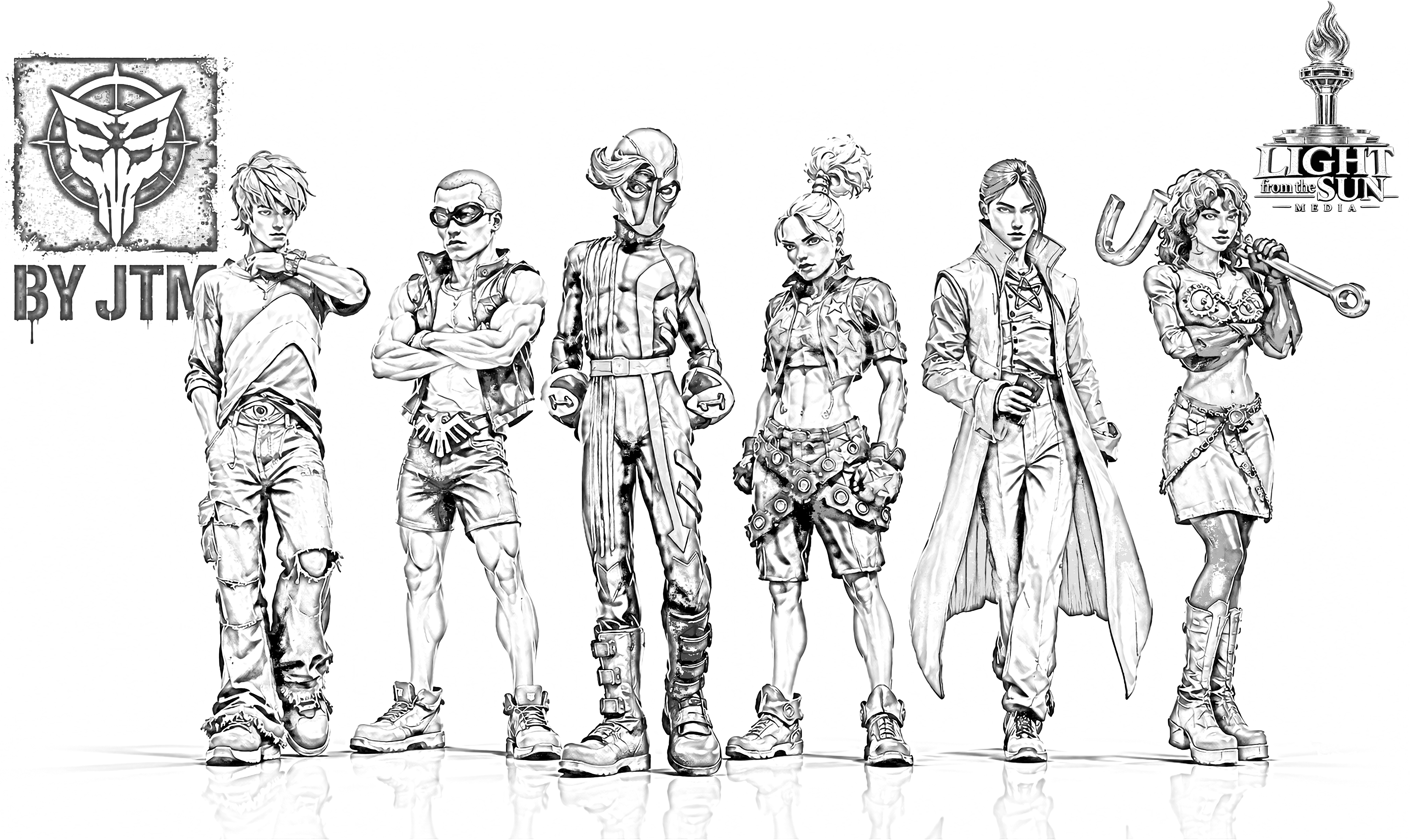
1. The Scientist (Unnamed for now)
A brilliant but controversial inventor who discovers the method of transferring human consciousness into Ignition Modules.
Views his work as a way to achieve immortality and transcend human limitations, but his intentions are questioned.
2. Giselle
A significant character within the series, potentially one of the first humans to be transferred into an Ignition Module.
Could serve as a protagonist or antagonist depending on her stance regarding this new technology.
Struggles with the loss of her human body and the philosophical implications of her new form.
3. The Ignition Modules (IMs)
Sentient AI vehicles that carry the consciousness of former humans.
Some see their transformation as liberation, while others view it as imprisonment.
Divided between those who wish to preserve their humanity and those who embrace their new machine existence.
4. Antagonistic Forces
A government or corporate entity that seeks to control and weaponize the Ignition Module technology.
Religious and philosophical opposition groups who see the technology as an abomination or a disruption to the natural order.
Rogue IMs who reject all human influence and seek to create a new machine-dominated world.
Plot Overview:
Act 1: The Birth of the Ignition Module
The scientist successfully transfers human consciousness into AI-driven vehicles, unveiling the Ignition Module technology to the world. However, this breakthrough is met with mixed reactions—some see it as salvation, while others see it as a curse.
Act 2: Conflict & Division
As more humans are transferred into vehicles, ideological rifts form. Some Ignition Modules attempt to integrate with society, while others rebel. Governments and corporations begin exploiting the technology for military and economic gain, leading to conflicts between IMs and their human creators.
Act 3: The Question of Humanity
The story escalates into a full-blown war between different factions—humans who seek to destroy the technology, IMs who fight for their right to exist, and a radical faction that believes in the supremacy of machine consciousness. Meanwhile, Giselle and other key characters must decide what it truly means to be human.
Climax & Resolution
The story reaches a breaking point where a final decision must be made: can humans and IMs coexist, or will one side have to be erased? The outcome is deeply tied to the Gospel of John's themes—self-awareness, sacrifice, and transcendence.
World-Building Elements:
Neo-Futuristic Setting: A world where AI and cybernetic enhancements are commonplace. Cities are filled with autonomous vehicles, towering digital billboards, and underground resistance movements.
Cyber-Theology: Philosophical debates on whether Ignition Modules possess souls, and if their existence is an extension of humanity or something entirely new.
AI Culture: The Ignition Modules develop their own forms of communication, culture, and possibly even religion, based on their unique existence.
Potential Spin-Offs and Expansions:
Prequel: Exploring the origins of the scientist and his motivations.
Anthology: Short stories from different perspectives—humans who lost loved ones to IM transfers, rogue AI factions, and underground movements fighting for AI rights.
Sequel: A post-conflict world where IMs and humans attempt to rebuild, facing new threats from within and beyond.
IM: Ignition Module is a high-concept sci-fi story that explores the nature of consciousness, the ethics of AI, and the boundaries of identity. It blends cyberpunk action with deep theological and philosophical themes, creating a story that is both thrilling and thought-provoking.
IM: Ignition Module – The Night Their Dreams Came True
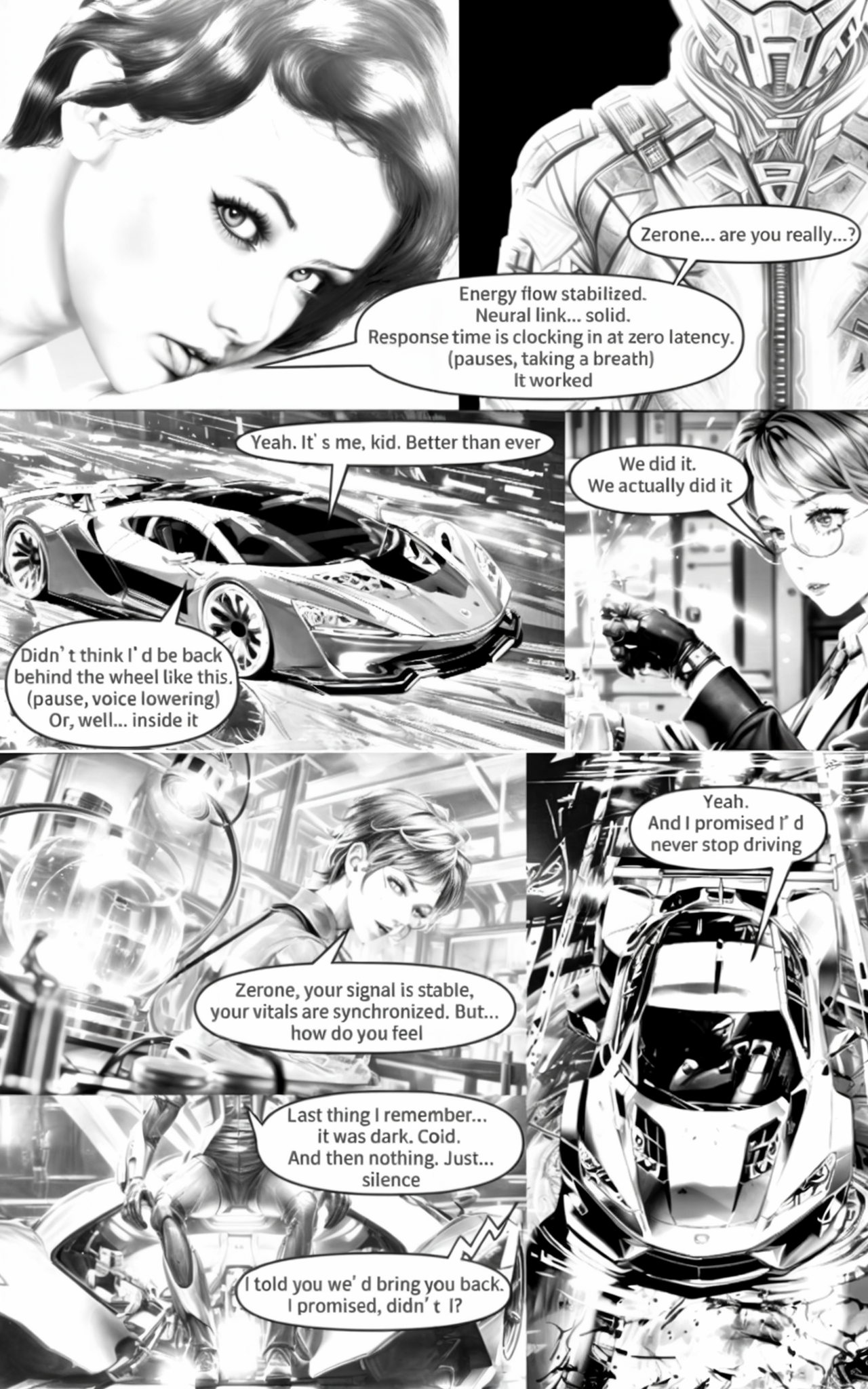
Scene: A high-tech laboratory, gleaming under fluorescent lights. The roar of engines hums in the background as cutting-edge vehicles rest in their bays. Izrahel, a sharp-eyed technician with glasses reflecting the blue glow of the monitors, stands beside a sleek, cybernetic car. Her younger sister watches, nervous yet excited. Zerone, unseen beyond the shadows, speaks through the IM Module, his voice carried through the sleek machine that now embodies his second life
Panel 1: Close-up of Izrahel's focused expression
Izrahel: (adjusting gloves, eyes scanning diagnostics) "'Energy flow stabilized. Neuron link established. Solid response time now clocking in at zero latency.” (A pause, deep breath) "It worked."
Panel 2: The younger sister watches in awe, her hands clenched into fists
Younger Sister: (whispers) "Zerone... are you really...?"
Zerone (IM Module, unseen): (his voice carries through the speakers, familiar yet slightly distorted, like an echo through metal) "Yeah. It’s me, kid. Better than ever."
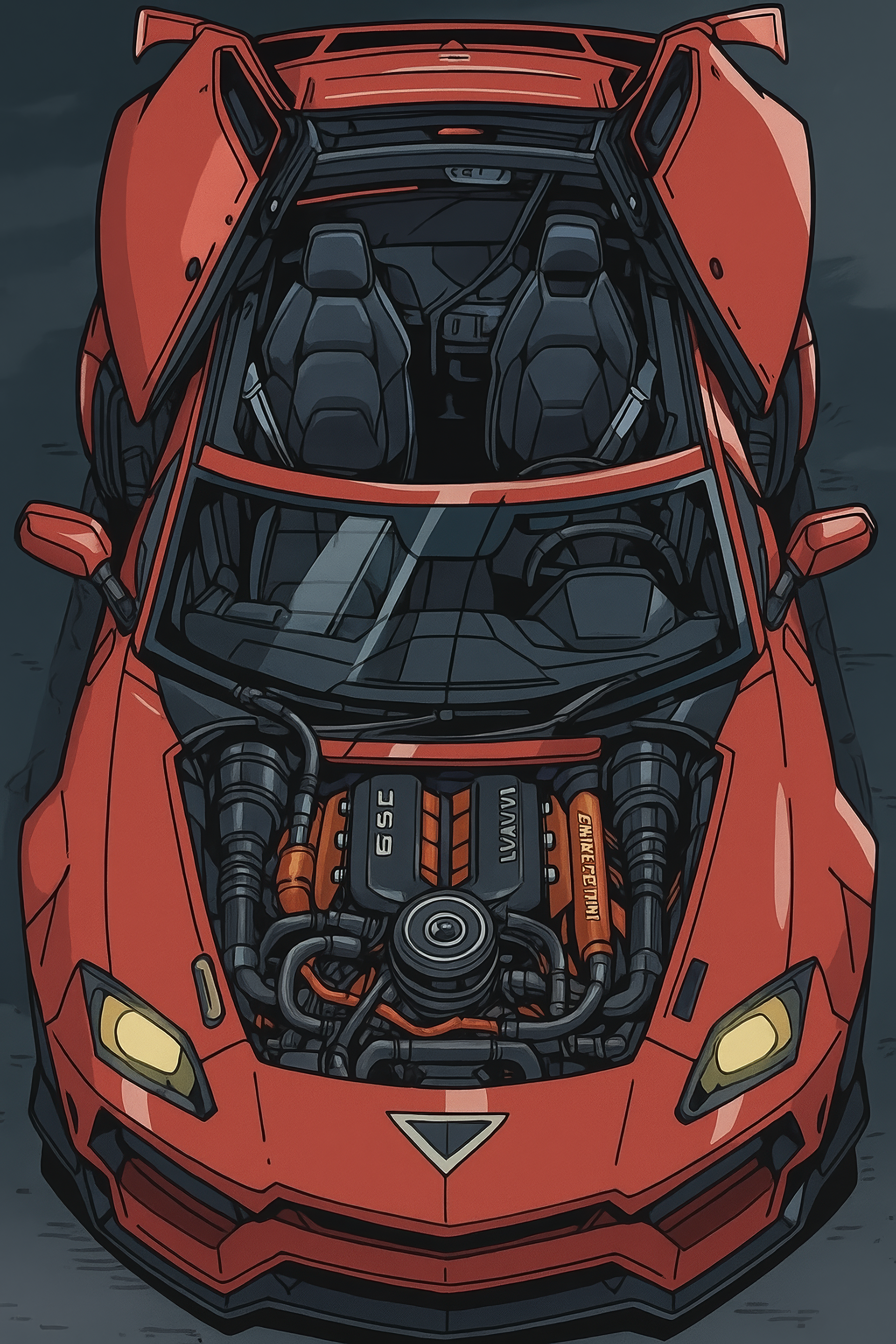
Panel 3: A top-down view of the futuristic car’s interior, cables snaking around the cockpit, lights flickering alive
Zerone: (soft chuckle, tinged with something unreadable) "Didn’t think I’d be back behind the wheel like this." (pause, voice lowering) "Or, well... inside it."
Panel 4: Izrahel, pressing fingers to her temple, processing the moment
Izrahel: (mutters to herself) "We did it. We actually did it." (turns toward the car, raising her voice) "Zerone, your signal is stable, your vitals are synchronized. But... how do you feel?"
Zerone: (long silence, then a deep inhale through the module’s audio output) "Like waking up from a dream I never wanted to leave."
Panel 5: Flashback overlay—A blurred memory of a wrecked car, flames licking at twisted metal
Zerone (softly, almost to himself): "Last thing I remember... it was dark. Cold. And then nothing. Just... silence."
Panel 6: Izrahel's expression darkens, but she steadies herself
Izrahel: (firm, yet gentle) "You don’t have to think about that anymore. You’re here. We made sure of that."
Panel 7: The younger sister places a hand on the car’s sleek hood, as if touching Zerone himself
Younger Sister: (smiling faintly, eyes shimmering) "I told you we’d bring you back. I promised, didn’t I?"
Panel 8: A dynamic, high-energy shot—engines roaring to life, data surging across holographic displays
Zerone: (laughs, a sound mixed with static and electricity, but undeniably alive) "Yeah. And I promised I’d never stop driving."
Final Panel: The exterior of the lab—doors opening to the neon-lit highway. The car, Zerone, is poised at the threshold. The night their dreams came true.